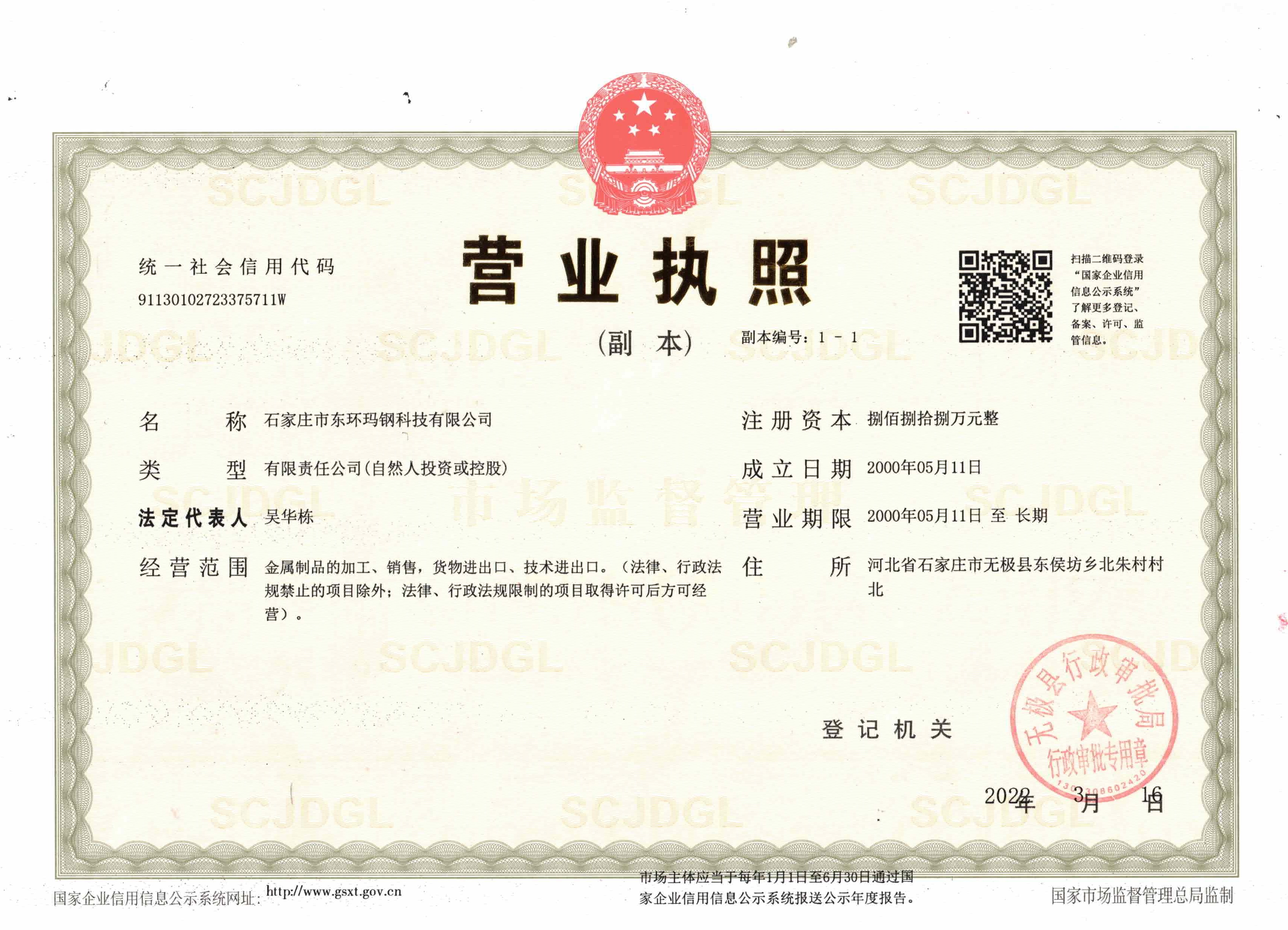
Shijiazhuang Donghuan malleable iron technology co.,ltd




Top 3 air hose quick connectors and their ups and downs
Release time:
2026-05-25
Author:
Compare brass, stainless steel, and aluminum air hose quick connectors. See their pros, cons, and best uses to choose the right connector for your job.

You want air hose quick connectors that work well and last. They should also fit what you need. Brass, stainless steel, and aluminum are the best choices. They are popular for good reasons. Stainless steel is great in tough places. It works well in clean jobs like food or medical work. Brass is strong and does not rust easily. It is good for water and hard tasks. Aluminum is light and easy to use. Steel and plastic connectors do not last as long. They are not as strong or tough. That is why they are not in the top three. Each material has its own special strengths for air hose quick connectors.
Air Hose Quick Connectors Overview

What Are Quick Connectors
Quick connect air fittings help you work faster. You can put on or take off tools in just a few seconds. You do not need any extra tools to do this. These connectors stop air from leaking out. This means you do not waste air. You can finish your work faster because you do not spend time changing tools. This design also keeps your workspace safe and neat. Most brands and tools use these connectors, so you do not have to worry about them fitting.
You can change tools fast and easy.
You stop air leaks and save air.
You spend less time waiting and finish jobs quicker.
Why Material Matters
The material of your quick connector is very important. It decides how long the connector will last and how well it works. If you choose the right material, your connector will be strong and last longer. The wrong material can break or wear out quickly. Some materials do not rust or corrode as much as others. Some can handle high pressure or very hot or cold places. You should pick a connector that fits your job and your air hoses.
Here is a simple chart showing how different materials work in factories:
| Material | Flexibility | Pressure Resistance | Temperature Range | Durability | Best Use |
|---|---|---|---|---|---|
| Rubber | High | High | -40°C ~ 80°C | Long-term | Heavy-duty, assembly lines |
| PVC | Medium | Medium | 0°C ~ 60°C | Medium | Light-duty, auxiliary equipment |
| Hybrid | Med-High | High | -20°C ~ 70°C | Long | Automation, mobile equipment |
| PU | Very High | Medium | -40°C ~ 60°C | Long | Precision tools, cold areas |
Tip: Always pick the connector material that matches your job. This helps you stop problems and keeps your tools working well.
Key Comparison Factors
When you look at quick connect air fittings, check these things:
Durability: Will it last if you use it every day?
Corrosion resistance: Can it handle water or oil?
Weight: Is it light enough to use easily?
Cost: Does it cost too much or fit your budget?
Suitability: Is it good for your tools and jobs?
Experts also say you should check:
If it works with the fluids you use
The pressure and temperature it can handle
The shape and build of the fitting
If the material is safe and clean for your needs
Picking the right material for your quick connectors means fewer problems. Your air hoses and tools will work better and last longer. You will not have to fix or replace them as often.
Brass Air Hose Quick Connectors
Brass Overview
You see brass air hose quick connectors in many workshops and garages. This material stands out because it is strong, resists rust, and handles tough jobs. Brass fittings work well with air, water, and even fuel. You get a tight seal with brass threads, which helps stop leaks. This makes installation easy and reliable. Brass also keeps its shape under high pressure and heat, so you can use it in demanding systems.
Brass resists rust and many chemicals.
It keeps its strength in hot or high-pressure jobs.
Brass threads seal tightly, so leaks are rare.
This material is strong, durable, and conducts heat well.
Brass Pros
Durability
Brass connectors last a long time. You can use them every day without much wear. They do not crack or break easily. If you need a connector that can take a beating, brass is a smart choice.
Corrosion Resistance
Brass does not rust like steel. It stands up to moisture and chemicals. You can use brass connectors in wet or humid places without worry. They work well in places where other materials might fail.
Value
Brass gives you good value for your money. It costs less than stainless steel but lasts longer than plastic or regular steel. You get a strong, reliable connector without paying top dollar.
| Material | Cost Implication | Properties |
|---|---|---|
| Brass | Generally more affordable than stainless steel | Excellent corrosion resistance, ideal for high-humidity environments. |
| Stainless Steel | Higher price tag | Best for highly corrosive environments, food processing, or medical applications. |
| Aluminum | More affordable than other metals | Lightweight, resists corrosion, but more susceptible to scratches. |
Tip: Brass connectors fit many hose types. You can use them in plumbing, HVAC, and even low-pressure hydraulic systems.
Brass Cons
Weight
Brass connectors feel heavier than aluminum ones. If you need to move your tools a lot, this extra weight can slow you down.
Wear Over Time
Brass is tough, but it can wear out if you use it with very hard metals. Threads may get loose after years of heavy use. You might see some scratches or dents if you drop them often.
High-Pressure Suitability
Brass works well for most jobs, but it has limits. In very high-pressure systems, brass may not hold up as well as stainless steel. You could see leaks or even ruptures if you push it too far.
Brass may not handle the highest pressures.
It can wear faster when used with harder metals.
There is a risk of corrosion if brass touches certain other metals in wet places.
Best Uses for Brass
You want a connector that works in many situations. Brass air hose quick connectors give you that flexibility. They handle tough jobs and keep working even when conditions change. You can trust them in places where you need both strength and reliability.
Brass connectors fit well in these types of pneumatic applications:
Industrial settings where machines run all day
Automotive shops for air tools and tire inflators
Construction sites with heavy-duty compressors and nail guns
In an industrial shop, you might use brass connectors for air lines that power drills, grinders, or sanders. These connectors stand up to constant use and resist damage from oil or moisture in the air. You do not have to worry about rust slowing down your work.
If you work in an automotive garage, brass connectors help you switch between tools fast. You can move from an impact wrench to a blow gun without losing air pressure. The tight seal keeps your tools running at full power. Mechanics like these connectors because they last longer than plastic and do not corrode like steel.
On a construction site, you need connectors that can take a beating. Brass connectors handle drops, bumps, and rough handling. They work well with portable compressors and air hoses that get dragged across concrete or gravel. You can count on them to keep your tools connected and your projects moving.
Brass connectors also work in home workshops. If you use air tools for woodworking or small repairs, these connectors give you a good balance of cost and durability. You do not have to replace them often, so you save money over time.
Tip: Use brass connectors when you need a strong, leak-free connection that stands up to daily use. They are a smart choice for most air-powered tools and hoses.
You should avoid using brass connectors in places with very high pressure or where you need the lightest possible setup. In those cases, stainless steel or aluminum might work better. For most jobs, though, brass gives you the best mix of strength, value, and ease of use.
If you want a connector that works in many environments and lasts for years, brass is a solid pick. You get peace of mind knowing your air system will not let you down.
Stainless Steel Air Hose Quick Connectors
Stainless Steel Overview
If you want a connector that stands up to tough jobs, stainless steel is a top choice. This material gives you strength and reliability in places where other connectors might fail. You see stainless steel used in food, medical, and chemical settings because it stays clean and safe. It contains over 10.5% chromium, which helps it resist rust and damage. You can count on this material to last a long time, even when you use it every day.
Excellent corrosion resistance
Handles high pressure and temperature
Safe for food and pharma use
Performs well in harsh conditions
Stainless steel costs more than brass, but you get a connector that keeps working when others wear out.
Stainless Steel Pros
Strength
You need a connector that will not bend or break. Stainless steel gives you that peace of mind. This material has enhanced strength, so it works well in high-pressure jobs. It keeps its shape and does not crack, even if you drop it or use it with heavy tools. You can trust it to keep your air system safe and secure.
Corrosion Resistance
Stainless steel stands out for its ability to resist rust and chemicals. If you work in a place with water, oil, or dust, this material will not let you down. It keeps its shine and does not corrode, even after years of use. You do not have to worry about leaks or weak spots caused by rust.
Here’s a quick look at why stainless steel is a smart pick for harsh environments:
| Benefit | Description |
|---|---|
| Corrosion Resistance | Essential for fittings exposed to water, chemicals, or dust, ensuring longevity in harsh conditions. |
| Durability | Provides safety in systems that experience vibrations or stress, maintaining functionality. |
| Secure and Leak-Free Connection | Features that prevent leaks and ensure a tight seal, crucial for efficient pneumatic operations. |
High-Pressure Performance
You often need a connector that can handle more than just everyday use. Stainless steel shines in high-pressure situations. It keeps a tight seal and does not leak, even when the air system runs at full power. This material ensures safety and reliability, so you do not have to worry about sudden failures. You get long-term performance, even in demanding conditions.
Stainless Steel Cons
Cost
Stainless steel connectors cost more than brass or aluminum. You pay extra for the added strength and corrosion resistance. If you only need a connector for light jobs, this material might not fit your budget.
Weight
This material feels heavier than aluminum or brass. If you move your tools a lot, the extra weight can make your job harder. You might notice the difference after a long day of work.
Galling Risk
Stainless steel threads can sometimes stick or seize, a problem called galling. If you tighten the connector too much, you might damage the threads. You need to use care when connecting and disconnecting these fittings.
Tip: Use a small amount of anti-seize lubricant on the threads to prevent galling and make your connectors last longer.
Best Uses for Stainless Steel
You want a connector that can handle the toughest jobs. Stainless steel quick connectors shine in places where other materials fall short. You get the most value from stainless steel when you need strength, safety, and long life.
Here’s when you should pick stainless steel:
High-Pressure Systems:
Use stainless steel connectors for air lines that run at high pressure. These fittings hold tight and do not burst under stress. You keep your system safe and avoid leaks.
Corrosive Environments:
If you work around water, chemicals, or salt, stainless steel resists rust and damage. You can use these connectors outdoors, in wash-down areas, or near the ocean. They keep working even when other metals fail.
Clean or Hygienic Settings:
Stainless steel is easy to clean. You see it in food processing, medical labs, and pharmaceutical plants. These connectors do not trap dirt or bacteria. You meet strict safety rules with less effort.
Heavy-Duty Industrial Use:
Factories and workshops with constant vibration or impact need tough connectors. Stainless steel stands up to drops, bumps, and rough handling. You do not have to replace them often.
Extreme Temperatures:
Stainless steel handles both hot and cold. You can use these connectors in freezers or near ovens. They do not crack or lose strength.
Tip: If you need a connector that will not let you down in harsh conditions, stainless steel is your best bet.
Quick Reference Table:
| Application Area | Why Stainless Steel? | Benefit to You |
|---|---|---|
| Chemical plants | Resists acids and solvents | Longer service life |
| Food & beverage | Easy to sanitize, non-reactive | Meets hygiene standards |
| Outdoor construction | Handles rain, mud, and salt | No rust, less maintenance |
| High-pressure tools | Maintains seal under heavy loads | Fewer leaks, safer operation |
| Medical environments | Non-corrosive, easy to sterilize | Safe for sensitive settings |
You might pay more for stainless steel, but you save time and money in the long run. You avoid breakdowns, leaks, and frequent replacements. If you work in a place where failure is not an option, stainless steel connectors give you peace of mind.
When to skip stainless steel:
If you only use air tools at home or in light-duty jobs, you may not need this level of performance. For most DIY or portable uses, brass or aluminum can do the job for less money and weight.
Note: Always match your connector to your environment. Stainless steel is the right choice for demanding jobs, but you do not need it everywhere.
Aluminum Air Hose Quick Connectors
Aluminum Overview
You will see aluminum connectors where weight is important. Aluminum is light and easy to use. It is simple to shape and handle. Many people like aluminum because it makes tool changes fast. It also helps you feel less tired after working. These connectors are easy to move, even if you use them all day.
Here are some main things about aluminum for air hose quick connectors:
| Property | Description |
|---|---|
| Lightweight | Low density makes connectors easy to handle and install. |
| Corrosion Resistance | Self-protecting oxide layer helps in many environments. |
| Ductility | High ductility allows flexibility in design and use. |
| Malleability | Easy to shape for different connector types. |
| Thermal Conductivity | Good at dissipating heat during operation. |
| Tensile Strength | Withstands operational stresses up to 13,000 Psi. |
| Yield Strength | Maintains structure under load (5,000 Psi). |
| Elasticity | Keeps shape under stress (Young’s modulus: 10,000 ksi). |
Aluminum Pros
Lightweight
Aluminum connectors are much lighter than brass or stainless steel. You will notice this right away. If you move hoses a lot or work above your head, this helps. Lighter connectors make your arms and wrists less tired.
Corrosion Resistance
Aluminum makes a thin layer that stops rust. You can use these connectors in wet places. They do not get damaged quickly. Many people say their aluminum connectors last a long time if kept clean and dry.
Handling
It is quick to put on or take off aluminum connectors. Aluminum is easy to bend and shape for different hoses. Many systems use O-rings with aluminum to stop leaks. This keeps your air clean. You can also change your air hose system easily with aluminum. You do not need to cut pipes to add or move parts.
Tip: Aluminum connectors often give you cleaner and drier air. This helps your tools last longer and keeps your work area neat.
Aluminum Cons
Durability
Aluminum is softer than brass or stainless steel. If you drop it, it can dent or scratch. Hitting it many times can make it weaker. You should be careful with aluminum connectors in rough places.
Corrosion Risk
Aluminum does not rust, but it can still corrode. This happens if it touches strong chemicals or salty air. The oxide layer helps protect it, but deep scratches or harsh cleaners can hurt it. If you work near the ocean or with chemicals, check your connectors often.
Pressure Limitations
Aluminum connectors work for most shop air pressures, but not all. They are not as strong as stainless steel. If you use very high pressure, aluminum may not be safe. You could see leaks or bent connectors if you go over the limit.
Aluminum connectors are best for light or medium jobs.
They are good when you need something light and easy to use.
Do not use them for high-pressure or very harsh places.
Best Uses for Aluminum
You might wonder when to use aluminum air hose quick connectors. Aluminum is best when you want something light and easy to move. These connectors are simple to handle and help you work fast. Here are some times when aluminum connectors are a good pick:
Portable Air Tools
If you take your tools to different places, aluminum connectors help a lot. They do not make your bag heavy. You can carry hoses and tools without getting tired. This is great for fixing things in new spots or moving from job to job.
Overhead or Extended Reach Work
Working above your head can make your arms tired. Aluminum connectors keep things light. You can hold hoses up longer and move them around easily. This helps when you work on cars, ceilings, or big machines.
DIY and Home Workshops
For home projects, you want connectors that are easy to use. Aluminum does not take up much space. You can switch tools fast and keep your work area neat.
Temporary or Modular Setups
If you change your air system a lot, aluminum connectors are helpful. You can add or take away hoses and tools without lifting heavy things. This is good for events, pop-up shops, or testing new setups.
Low to Medium Pressure Applications
Aluminum connectors work for most shop air jobs. You can use them for filling tires or using light air tools. They are not for jobs that need a lot of strength.
Tip: If you want to move quickly, work in small spaces, or get less tired, aluminum connectors are a good choice.
Here is a table to help you see if aluminum is right for you:
| Use Case | Why Choose Aluminum? | What to Watch For |
|---|---|---|
| Portable tool kits | Light and easy to carry | Do not drop or hit them |
| Overhead installations | Makes arms less tired | Look for dents or damage |
| Home/DIY projects | Simple and saves money | Not for high pressure |
| Temporary setups | Quick to connect and remove | Check for corrosion |
| Light-duty air tools | Fast tool changes | Watch for leaks |
You should not use aluminum connectors in tough factories or chemical plants. They can get dents or corrode in hard places. If you need something super strong or work with harsh chemicals, use stainless steel or brass.
Aluminum connectors give you speed and comfort. They are best when you want easy handling and quick changes. For many jobs, especially ones where you move a lot, aluminum is a smart and easy pick.
Quick Connector Comparison

Durability
When you pick air line couplers, you want them to last. Brass connectors handle daily use well. They resist dents and keep their shape, even if you drop them. Stainless steel stands out for toughness. You can use it in rough shops or heavy industry. It does not crack or bend under pressure. Aluminum is lighter but softer. It can dent or scratch if you hit it hard. If you work in a place where tools get knocked around, stainless steel gives you the most peace of mind. Brass works for most jobs, but aluminum fits best when you need something light and easy to move.
Brass: Strong, handles drops, lasts for years in most shops.
Stainless steel: Best for heavy-duty, high-impact, or high-pressure work.
Aluminum: Good for light jobs, but not for rough handling.
For more on durability standards, you can check ISO 4414: Pneumatic fluid power—General rules and safety requirements.
Corrosion Resistance
Corrosion can ruin your air line couplers fast. Brass resists rust in most shops and garages. It works well with water and air. Stainless steel does even better. It keeps working in salty air, chemical plants, or places with lots of moisture. Aluminum forms a thin layer that helps stop rust, but it can still corrode if scratched or exposed to harsh chemicals.
Here’s a quick look at how these materials compare:
| Material | Corrosion Resistance Level | Notes |
|---|---|---|
| Brass | Good | Handles water and air well; needs special alloys for harsh chemicals. |
| Stainless Steel | Excellent | Best for salty, acidic, or chemical-heavy environments. |
| Aluminum | Not Rated | Resists rust, but scratches or chemicals can cause corrosion over time. |
If you work near the ocean or with chemicals, stainless steel is your safest bet. Brass works for most indoor jobs. Aluminum is fine for dry, clean spaces.
OSHA offers more details on corrosion and material safety.
Weight
Weight matters when you move hoses all day. Aluminum is the lightest. You can carry it around or use it overhead without getting tired. Brass is heavier, but still easy to handle for most people. Stainless steel is the heaviest. It adds strength, but you will notice the extra weight if you move your air line couplers often.
Aluminum: Lightest, best for portable or overhead work.
Brass: Medium weight, good for most shop uses.
Stainless steel: Heaviest, best for fixed setups or when strength matters most.
If you want to save your arms and work faster, go with aluminum. For jobs where weight does not matter, brass or stainless steel will last longer.
Cost
You probably want to know which connector fits your budget. Brass connectors usually cost less than stainless steel. Aluminum connectors often fall in the middle or even lower, depending on the design. Stainless steel costs the most because it lasts longer and handles tough jobs. If you only use your air tools sometimes, brass or aluminum can save you money. For heavy use or harsh places, stainless steel may be worth the higher price.
Brass: Affordable, good for most shops and home use.
Stainless Steel: Expensive, but you pay for strength and long life.
Aluminum: Usually the cheapest, great for light jobs or portable setups.
Tip: Think about how often you use your tools. Spending more up front can save you from buying replacements later.
Performance
Performance depends on how well the connector seals, how much pressure it can handle, and how it stands up to daily use. Brass connectors seal tightly and stop leaks, but they can get damaged if you drop them. Stainless steel connectors handle dents and bumps better. They keep working even in rough conditions. Aluminum connectors are easy to use and quick to connect, but they do not hold up as well under stress.
Here’s a quick look at how each material performs:
| Material | Durability | Corrosion Resistance | Sealing Capabilities | Suitability for Environments |
|---|---|---|---|---|
| Brass | Moderate | Good | Better | Best for dry, indoor environments |
| Stainless Steel | High | Excellent | Good | Great for wet or harsh places |
| Aluminum | Low | Moderate | Moderate | Not for wet or rough use |
Brass seals well but needs care to avoid damage.
Stainless steel stands up to dents and keeps a good seal.
Aluminum is fast and light but not for heavy-duty jobs.
Application Suitability
Choosing the right connector depends on where and how you work. Brass works well in most shops, garages, and home setups. It handles daily use and gives you a good seal. Stainless steel fits best in places with water, chemicals, or high pressure. You see it in factories, food plants, and outdoor jobs. Aluminum is perfect when you need to move fast or carry your tools around. It shines in portable kits, overhead work, or temporary setups.
Brass: Use for general shop work, automotive, and home projects.
Stainless Steel: Pick for industrial, medical, or outdoor jobs.
Aluminum: Choose for portable, light-duty, or overhead tasks.
Note: Steel and plastic connectors exist, but they do not last as long. Steel rusts easily. Plastic cracks under pressure. Stick with brass, stainless steel, or aluminum for the best results.
Connector Recommendations
Home & DIY
You want air hose connectors that are easy to use and last a long time. Brass connectors work best for most home and DIY projects. They give you a strong seal and resist rust, so you do not have to worry about leaks or damage. You can use them for air tools, tire inflators, or small compressors in your garage or workshop. Brass is not too heavy, so you can move your tools around without much trouble. If you only use your air tools sometimes, aluminum connectors are also a good pick. They are light and simple to connect, which makes them great for quick jobs or small repairs.
Tip: For most home projects, you do not need the extra strength of stainless steel. Save your money and choose brass or aluminum for easy, reliable use.
Industrial Use
In factories or busy shops, you need connectors that can handle tough jobs every day. Stainless steel connectors stand out here. They resist rust, hold up under high pressure, and keep working even in wet or dirty places. You can trust them in chemical plants, food processing, or outdoor work. Brass connectors also work well for many industrial jobs, especially if you do not need the highest pressure or corrosion resistance.
When you pick connectors for industrial use, keep these points in mind:
Pick the right material for your job. Stainless steel gives you the most strength and safety.
Check the pressure rating. Make sure your connector can handle the air pressure you use.
Choose the right diameter. This helps your tools work better and keeps airflow strong.
Think about hose length. Shorter hoses lose less pressure, but longer hoses give you more reach.
Look for flexible connectors. They help prevent kinks and keep air moving smoothly.
Safety first: Always match your connector to your work environment. For more on industrial safety, you can visit OSHA’s compressed air safety page.
Portable Needs
If you move your tools a lot or work in different places, you want connectors that are light and easy to carry. Aluminum connectors are your best choice for portable setups. They weigh less than brass or stainless steel, so you can pack more tools without getting tired. Aluminum also resists rust, which helps if you work outside or in damp spots. For very light jobs, some people use engineered plastics, but these do not last as long as metal.
Here’s a quick look at how each material fits portable needs:
| Material | What Makes It Good for Portability |
|---|---|
| Aluminum | Lightest, easy to handle, resists corrosion |
| Brass | Strong, but heavier than aluminum |
| Stainless Steel | Very strong, but heavy for travel |
| Engineered Plastics | Very light, but not as durable |
Note: For portable tool kits or overhead work, always check the pressure rating before you choose a connector. Aluminum works well for most light and medium jobs, but avoid it for high-pressure tasks.
Cost vs. Performance
When you pick an air hose quick connector, you want the best value for your money. Sometimes, the cheapest option does not last. Other times, the strongest connector costs more than you need to spend. You need to balance cost and performance to get the right fit for your work.
Let’s break down what you get for your money:
| Material | Upfront Cost | Performance Level | Best For |
|---|---|---|---|
| Brass | $$ | Good | General use, outdoor, humid |
| Stainless Steel | $$$$ | Excellent | Heavy-duty, harsh environments |
| Aluminum | $ | Moderate | Portable, light-duty, DIY |
Brass gives you solid performance at a fair price. You get good corrosion resistance and a strong seal. Brass works well for most jobs in your garage or shop. It lasts longer than plastic and costs less than stainless steel. If you want a connector that handles daily use and does not break the bank, brass is a smart pick.
Stainless steel costs the most. You pay more, but you get top strength and the best corrosion resistance. Stainless steel connectors shine in places with chemicals, salt, or high pressure. If you work in a factory or outdoors in tough weather, this material keeps your tools running. You do not have to replace them often, so you save money over time.
Aluminum is the lightest and usually the cheapest. You can move your tools easily and work longer without getting tired. Aluminum connectors work best for home projects, portable kits, or jobs where you do not need high pressure. They do not last as long as brass or stainless steel, but they save you money up front.
Here’s another way to look at the trade-offs:
If you want a connector that resists corrosion and works in humid places, brass is a reliable choice for general use.
If you need to handle higher PSI or work in demanding industries, stainless steel gives you the strength and safety you need, but at a higher price.
For light-duty or portable needs, aluminum keeps things easy and affordable, though you may need to replace it sooner.
Tips for choosing:
Think about how often you use your air tools. If you use them every day, invest in a stronger connector.
Check your work environment. Wet, salty, or chemical-heavy places need better corrosion resistance.
Look at your budget. Sometimes, paying more up front saves you money on replacements.
Match the connector to your tool’s pressure rating. Do not use a light connector for heavy jobs.
You do not have to buy the most expensive connector to get good results. Pick the one that fits your needs and your wallet. This way, you get the best mix of cost and performance for your air hose setup.
Picking the best air hose quick connector depends on what you need most. Here is a simple chart:
| Material | Corrosion Resistance | Strength | Weight | Best Use |
|---|---|---|---|---|
| Aluminum | Excellent | Moderate | Lightweight | General, portable jobs |
| Stainless Steel | Zero | High | Heavy | Tough, high-pressure work |
| Brass | Moderate | Moderate | Moderate | Everyday shop tasks |
Think about your job and how much you use your tools. Also, think about where you work. Choose the connector that fits your needs best. Want more help? Look for guides about air tool care and safety.
FAQ
What is the main job of an air hose quick connector?
You use a quick connector to join or disconnect air hoses fast. This helps you switch tools quickly and keeps air from leaking. You save time and keep your workspace safe.
Can I use any quick connector with my air compressor?
Most quick connectors fit standard air compressor hoses. Always check the size and type before you buy. This helps you avoid leaks and keeps your tools working right.
How do I stop my connectors from leaking?
Check the O-rings and threads for damage. Replace worn parts right away. Make sure you tighten the connectors by hand, not with tools. This keeps the seal tight and prevents leaks.
Which connector material lasts the longest?
Stainless steel connectors last the longest. They resist rust and damage, even in tough places. Brass also lasts a long time for most jobs. Aluminum works best for light use.
Are aluminum connectors safe for high-pressure jobs?
No, aluminum connectors work best for light or medium pressure. For high-pressure jobs, use stainless steel or brass. This keeps your tools safe and prevents accidents.
How do I clean and care for my connectors?
Wipe connectors with a dry cloth after use. Keep them away from water and chemicals. Check for dents or cracks often. Replace damaged connectors to keep your air system safe.
Can I mix different connector materials?
You can mix materials, but it is not always best. Mixing metals can cause corrosion over time. Try to use the same material for all connectors when possible.
What should I do if my connector gets stuck?
If a connector sticks, use a little lubricant on the threads. Do not force it. If it still will not move, replace it. Forcing stuck connectors can damage your air hose or tools.
Keywords:
air hose quick connectors
Recommended Reading
Leave your problems to us
If you need a solution, you can write your question and contact information in the message form, we will contact you as soon as possible after receiving it.
North of beizhu village, donghoufang township, wuji county, shijiazhuang, hebei, China
Postal Code:052400

Mob web

Tiktok