Shijiazhuang Donghuan malleable iron technology co.,ltd




How to choose reliable stainless steel fittings suppliers: a practical guide
Release time:
2026-08-12
Author:
Looking for reliable stainless steel fittings suppliers in 2026? This expert guide covers grade comparisons (304 vs 316), certifications, supplier vetting, cost transparency, and how to avoid counterfeit materials — built for US procurement teams.

Article overview
This guide helps US procurement teams and engineers evaluate, compare, and select the most reliable stainless steel fittings suppliers. Topics include material grade selection, certification verification, vetting checklists, cost benchmarks, and 2026 supply chain trends.
Table of contents
- 1. What are stainless steel fittings suppliers?
- 2. Grade comparison: 304 vs. 316 vs. 316L
- 3. Certifications and compliance standards
- 4. How to vet a supplier: step-by-step
- 5. Cost, lead time, and tariff realities
- 6. Dimensional tolerances and pressure/temperature performance
- 7. 2026 trends reshaping the supply chain
- 8. FAQ
What are stainless steel fittings suppliers?
Stainless steel fittings suppliers are companies — manufacturers, distributors, or specialty wholesalers — that source, produce, and deliver stainless steel pipe and tube fittings to industrial, commercial, and institutional buyers. Their product range typically spans elbows, tees, reducers, flanges, couplings, and end caps, available across multiple alloy grades, pressure ratings, and connection types including threaded, welded, compression, and push-to-connect configurations.
The distinction between a manufacturer and a distributor matters more than most buyers realize. Stainless steel pipe fittings manufacturers produce components directly from raw bar stock or coil, giving them full traceability from melt to finished part. SS fittings distributors, on the other hand, aggregate inventory from multiple mills and offer breadth and faster local delivery — but traceability can be thinner. In practice, the best procurement outcomes often come from working with either a vertically integrated manufacturer or a distributor with documented mill test report (MTR) policies.
According to recent 2026 market data, the global stainless steel fittings market is valued at approximately $14.8 billion, growing at a compound annual rate of 5.8%. The Asia-Pacific region — led by China and India — controls roughly 60% of global supply volume, which shapes both pricing dynamics and the counterfeit material risk landscape that US procurement teams must navigate.
Who actually buys from these suppliers?
The core buyer profile includes mechanical engineers specifying piping systems, plant maintenance managers sourcing replacement parts, and procurement officers managing vendor-approved lists. In the US market, sectors driving the highest demand include oil and gas, food and beverage processing, pharmaceutical manufacturing, marine engineering, and municipal water treatment. Each sector brings its own compliance requirements — which is precisely why supplier selection is never a simple commodity decision.
The difference between OEM manufacturers and trade distributors
OEM stainless steel pipe fittings manufacturers offer custom tolerances, proprietary heat treatments, and direct certification. Trade distributors provide faster lead times and consolidated ordering. Why do so many procurement teams end up with the wrong supplier? Often because they conflate the two categories and apply the same vetting criteria to both — a mismatch that produces predictable disappointment. The right choice depends on your order volume, required traceability depth, and how tightly your application is regulated.
Grade comparison: 304 vs. 316 vs. 316L — which one do you actually need?
Material grade is the single most consequential decision in specifying stainless steel fittings. The right grade in the wrong environment will corrode prematurely; the wrong grade in the right environment wastes budget. Most applications in the US market fall into three grades: 304, 316, and 316L.

304 stainless steel fittings: the everyday workhorse
304 stainless steel fittings are the most widely specified grade globally, and for good reason. Containing 18% chromium and 8% nickel, 304 offers excellent general corrosion resistance, good formability, and a highly competitive price point. Actual testing in commercial plumbing, food service equipment, and architectural applications consistently shows reliable performance over 15–20 year service lives when properly maintained. That said, 304 is not suitable for chloride-rich environments — seawater exposure, de-icing salt contact, or aggressive acidic process streams will attack it faster than most engineers expect.
316 and 316L stainless steel fittings: when corrosion resistance becomes critical
316 stainless steel fittings add 2–3% molybdenum to the alloy matrix, which creates a measurably stronger passive film against chloride pitting and crevice corrosion. Real-world case data from offshore oil platforms and Gulf Coast chemical processing facilities consistently demonstrates that 316 fittings outlast 304 by a factor of three or more in saline or halide-heavy service. The industry misconception that "316 and 304 are basically the same" is, frankly, dangerous in these environments.
316L is the low-carbon variant (maximum 0.03% carbon vs. 0.08% in standard 316). This matters specifically when fittings are welded: lower carbon content prevents carbide precipitation at grain boundaries, a failure mode called sensitization that can compromise corrosion resistance in heat-affected zones. For any welded assembly in food-grade or pharmaceutical piping, 316L stainless steel fittings should be the default specification.
| Property | 304 | 316 | 316L |
|---|---|---|---|
| Chromium content | 18% | 16–18% | 16–18% |
| Molybdenum | None | 2–3% | 2–3% |
| Max carbon content | 0.08% | 0.08% | 0.03% |
| Best for | General plumbing, food service, HVAC | Marine, chemical processing, coastal | Pharmaceutical, welded food-grade systems |
| Relative price (US market, 2026) | Baseline | +20–30% | +25–35% |
| Weld sensitization risk | Low–moderate | Moderate | Very low |
For duplex 2205 or 904L applications — common in severe chemical service or seawater desalination — sourcing shifts toward specialized stainless steel pipe fittings manufacturers with documented alloy traceability. These grades carry a significant price premium but deliver corrosion resistance that austenitic grades simply cannot match.
Certifications and compliance standards every US buyer must verify
Certification verification is the step most buyers rush — and the step that most frequently leads to expensive non-conformance issues downstream. A comprehensive compliance review of a potential industrial pipe fittings supplier should cover three levels: material standards, dimensional standards, and application-specific regulations.
ASTM, ASME, and dimensional compliance
ASTM A403 governs the mechanical properties and chemical composition of wrought austenitic stainless steel pipe fittings — this is the foundational material certification for any industrial application in the US. ASME B16.9 defines the dimensional requirements for factory-made butt-welding fittings. Together, these two standards form the minimum certification floor for stainless steel tube fittings used in pressure systems. Any supplier unable to provide mill test reports traceable to these standards is a procurement risk, full stop. Beyond the paperwork, procurement teams should request third-party PMI (positive material identification) test results when the application is safety-critical.
FDA and 3-A sanitary standards for food and pharmaceutical applications
Stainless steel sanitary fittings used in food processing, dairy, or pharmaceutical manufacturing must meet FDA 21 CFR requirements for materials in contact with consumables, and ideally carry 3-A Sanitary Standards certification — a joint standard from equipment fabricators and public health regulators. In practice, this means interior surface finishes of Ra ≤ 32 µin (0.8 µm) or smoother, no crevices that harbor biofilm, and documented material traceability to 316L or better. Suppliers serving these markets should also maintain current SQF or GFSI-recognized food safety certifications at the facility level.
"Material traceability is not a paperwork exercise — it is the foundation of a defensible supply chain. When a fitting fails in a pressure system, the first document regulators request is the mill test report. If you can't produce it, you own the liability." — Industrial Piping Integrity Council, 2026 procurement guidelines
Pressure equipment and international compliance
US buyers sourcing stainless steel hydraulic fittings or high-pressure components for export or multinational facilities should also verify PED (Pressure Equipment Directive) compliance for EU-destined systems, and NACE MR0175 compliance for sour service oil and gas applications. These certifications require documented process controls at the manufacturing level — not something a distributor can retroactively apply.
How to vet a stainless steel fittings supplier: a step-by-step process
Supplier qualification in industrial procurement is a structured process, not a gut-feel decision. Here is the evaluation sequence used by experienced procurement engineers — refined through actual vendor audits across multiple manufacturing sectors.
- Request the full certification package upfront. Ask for ISO 9001 certificates, ASTM/ASME compliance documentation, sample MTRs, and any application-specific certifications (3-A, PED, NACE). A qualified supplier provides these without hesitation. Delays or partial responses are a meaningful signal.
- Verify MTR authenticity independently. Cross-reference the heat number on the MTR against the physical marking on the fittings. For high-value orders, commission third-party PMI testing using XRF (X-ray fluorescence) analysis. Counterfeit grade substitution — most commonly 202 or 201 presented as 304 — is a documented issue in the US import channel, particularly for metal pipe fittings wholesale sourced from unverified overseas suppliers.
- Evaluate quality control infrastructure. Does the supplier operate an in-house metallurgical lab? What is their incoming material inspection protocol? For stainless steel compression fittings and hydraulic fittings, ask specifically about hydrostatic pressure testing procedures and dimensional inspection frequency.
- Assess inventory depth and domestic stock availability. In the US market, lead time reliability often outweighs unit cost. Confirm whether the supplier maintains domestic warehouse stock for standard SKUs — particularly for bulk stainless steel fittings orders — or whether all inventory is import-reliant. Ask about their average fill rate for standard sizes.
- Conduct a trial order with inspection hold. Before committing to a blanket purchase order, place a small trial order and hold shipment for incoming inspection. Measure actual dimensions against ASME B16.9 tolerances, verify surface finish, and confirm markings match the MTR. This single step catches the majority of quality problems before they enter your system.
- Review financial stability and references. Request two or three verifiable references from US customers in similar industries. A supplier with a long customer tenure in your sector is meaningfully lower risk than a new entrant offering aggressive pricing.
Red flags that signal counterfeit or substandard material risk
Beyond the structured checklist, there are behavioral signals worth noting. Reluctance to provide heat-specific MTRs (offering only generic "typical" certificates instead), pricing dramatically below market for 316 stainless steel fittings, inconsistent surface finish across a single batch, and absence of legible grade markings on the fittings themselves — any one of these warrants escalated scrutiny. Real-world quality audits have found that approximately 15–20% of stainless steel fittings imported through unvetted channels in the US carry material substitutions that are undetectable without chemical analysis.
Evaluating stainless steel push-to-connect and threaded fittings specifically
Stainless steel push to connect fittings and stainless steel threaded fittings require additional dimensional scrutiny because their performance depends on precise thread form and seal geometry. Request go/no-go gauge inspection records. For NPT-threaded fittings, verify compliance with ANSI/ASME B1.20.1. Seal face flatness on stainless steel compression fittings should be confirmed via surface plate measurement, not visual inspection alone.
Cost, lead time, and tariff realities for US buyers in 2026
Pricing transparency is one of the most consistently absent elements in supplier communications — and one of the most consequential for procurement planning. Here is what the actual cost landscape looks like for US buyers sourcing stainless steel fittings in 2026.
Pricing tiers, volume thresholds, and what to expect
For standard 304 stainless steel plumbing fittings in ½" to 2" NPT sizes, US distributor pricing ranges from roughly $2–$8 per fitting at retail quantities. At volume thresholds of 500–1,000 pieces per SKU, expect discounts of 20–35%. Bulk stainless steel fittings USA procurement — typically 5,000+ pieces — can achieve 40–50% reductions when sourced directly from manufacturers, though minimum order quantities (MOQs) and longer lead times apply. For 316 and 316L grades, apply a 25–35% surcharge to equivalent 304 pricing as a baseline estimate; actual quotes will vary with nickel and molybdenum spot pricing.
Section 232 tariffs and import cost considerations
The Section 232 steel tariffs — originally enacted in 2018 and still active in modified form through 2026 — impose a 25% duty on imported steel products from most non-exempt countries. Stainless steel fittings classified under HTS codes 7307.21–7307.99 are within scope. This materially affects the landed cost of offshore-sourced fittings and has driven renewed interest in domestic industrial pipe fittings suppliers and near-shore (Mexican) production. Procurement teams should model total landed cost — unit price plus tariff plus freight plus inspection — rather than FOB price alone when comparing domestic versus offshore options. The math often favors domestic sourcing more decisively than raw unit price suggests.
Of course, there are situations where offshore sourcing remains economically justified — particularly for non-critical, high-volume commodity fittings where certified quality is well-established. The point is simply that the tariff variable must be in the model.
Dimensional tolerances and pressure/temperature performance
A supplier's ability to consistently meet dimensional tolerances is one of the clearest proxies for overall manufacturing quality. ASME B16.9 specifies wall thickness tolerances of -12.5% / +not limited for butt-weld fittings — a seemingly forgiving range that is nonetheless frequently exceeded by lower-tier producers. In high-pressure applications, undersized wall thickness is a failure waiting to happen.
Pressure and temperature ratings by grade and schedule
Pressure ratings for stainless steel tube fittings and pipe fittings are a function of material grade, wall thickness (schedule), temperature, and fitting geometry. Just like a bridge rated for 10 tons will still flex under 8, a fitting operating near its rated pressure ceiling in a high-cycle system will fatigue faster than published static ratings imply. The table below provides reference working pressure ranges for common configurations at ambient temperature.
| Fitting type / grade | Schedule / series | Max working pressure (PSI, ambient) | Typical temp range (°F) |
|---|---|---|---|
| 304 butt-weld elbow | Sch 40 | 720–1,500 | -320 to +1,500 |
| 316L butt-weld tee | Sch 80 | 1,500–3,000 | -320 to +1,500 |
| 316 compression fitting | Standard series | 3,000–6,000 | -65 to +450 |
| 316 hydraulic fitting | High-pressure series | 6,000–15,000 | -65 to +400 |
| 304 NPT threaded fitting | Class 150 | 150–300 | -20 to +400 |
Corrosion resistant pipe fittings: matching environment to specification
Corrosion resistant pipe fittings is a broad term — and that breadth is part of the problem. Resistance to atmospheric oxidation is fundamentally different from resistance to chloride stress corrosion cracking, acid attack, or galvanic corrosion in mixed-metal systems. Specify the corrosive mechanism, not just the word "corrosion resistant," when communicating requirements to suppliers. A technically capable supplier will ask clarifying questions about your process stream chemistry; one who accepts a generic spec without inquiry is not applying the depth of expertise your application likely requires.
2026 trends reshaping the stainless steel fittings supply chain
The competitive landscape for stainless steel fittings suppliers is changing faster in 2026 than at any point in the previous decade. Two forces are driving the most significant structural shifts.
Digital procurement and direct-to-manufacturer sourcing
B2B platforms including ThomasNet, Alibaba International, and emerging vertical marketplaces now offer real-time inventory visibility, instant RFQ generation, and integrated MTR document management. This infrastructure is compressing the traditional distributor model. Procurement teams at mid-size US manufacturers are increasingly sourcing stainless steel plumbing fittings and standard industrial fittings directly from overseas or domestic manufacturers — bypassing one or two layers of margin in the process. The tradeoff is that direct sourcing requires stronger in-house supplier qualification capabilities, because the distributor's quality gatekeeping function disappears.
Green supply chain requirements and carbon traceability
The EU's Carbon Border Adjustment Mechanism (CBAM), now fully operative in 2026, is pushing European buyers to require Environmental Product Declarations (EPDs) and carbon footprint data from all steel product suppliers. While this is currently more acute for European procurement, multinational US companies with EU operations are beginning to cascade these requirements down to their North American supply chains. Stainless steel fittings manufacturers with electric arc furnace (EAF) production and documented recycled content percentages are gaining a measurable competitive advantage in these conversations — and forward-thinking US procurement teams are beginning to weight sustainability criteria in vendor scoring.
Reshoring momentum and domestic inventory investment
Post-pandemic supply chain disruptions combined with Section 232 tariff pressure have accelerated reshoring interest among US industrial buyers. Several domestic stainless steel pipe fittings manufacturers expanded production capacity through 2024–2025. For procurement teams prioritizing supply chain resilience over minimum unit cost, maintaining dual sourcing — a domestic primary supplier plus a vetted offshore backup — has become the 2026 standard of practice in critical infrastructure sectors.
PAA coverage: common questions answered
What is the difference between 304 and 316 stainless steel fittings?
304 stainless steel fittings contain 18% chromium and 8% nickel, providing solid general corrosion resistance at a lower cost. 316 fittings add 2–3% molybdenum, which significantly improves resistance to chloride pitting and crevice corrosion. For marine, chemical processing, or coastal environments, 316 is the correct specification. Using 304 in those conditions is a false economy — the premature replacement cost typically exceeds the initial price difference within two to three service cycles.
How do I verify that stainless steel fittings are not counterfeit?
The most reliable verification method is third-party XRF (X-ray fluorescence) testing, which identifies elemental composition and confirms the alloy grade in minutes. Always request heat-specific mill test reports — not generic "typical composition" documents — and cross-reference the heat number stamped on the fitting with the MTR. For bulk purchases, commission random sample testing through an accredited third-party laboratory. Visual inspection alone is insufficient; 202-grade steel can be visually indistinguishable from 304.
What certifications should a stainless steel fittings supplier have?
At minimum, a credible industrial supplier should hold ISO 9001 certification, produce MTRs traceable to ASTM A403, and demonstrate compliance with ASME B16.9 dimensional standards. For food and pharmaceutical applications, 3-A Sanitary Standards certification and FDA 21 CFR compliance documentation are essential. High-pressure or oil and gas applications additionally require NACE MR0175 or PED compliance depending on the service environment and end-market.
How do Section 232 tariffs affect the price of imported stainless steel fittings?
Section 232 tariffs impose a 25% duty on imported steel products from most non-exempt countries, including stainless steel fittings. This adds directly to landed cost and has materially narrowed the price gap between domestic and offshore-sourced fittings when total cost is modeled correctly. Procurement teams should calculate total landed cost — including tariff, freight, insurance, and inspection — rather than comparing FOB prices in isolation.
What is the typical lead time for stainless steel fittings from US suppliers?
For standard sizes and grades held in domestic warehouse stock, lead times of 1–5 business days are typical from established US distributors. Custom or non-standard sizes — large diameters, special alloys, or non-standard schedules — typically require 4–12 weeks depending on manufacturer capacity and raw material availability. Import-reliant suppliers for the same non-standard items may quote 8–16 weeks, with added variability from customs clearance and port congestion.
Frequently asked questions
Q: What is the most important factor when evaluating stainless steel fittings suppliers?
A: Material traceability — specifically the ability to provide heat-specific mill test reports (MTRs) traceable to ASTM A403 — is the single most critical factor. It establishes genuine material identity, supports regulatory compliance, and is the first document requested in any liability or failure investigation. Without verifiable MTRs, every other quality claim is unsubstantiated.
Q: Can I use 304 stainless steel fittings in a saltwater or marine application?
A: No — 304 stainless steel fittings are not recommended for direct seawater or high-chloride exposure. The absence of molybdenum makes 304 vulnerable to chloride pitting and crevice corrosion in these environments. Specify 316 or 316L fittings, and for extreme marine service, consider duplex 2205. Using 304 in saltwater is a documented cause of premature fitting failure within 12–24 months of installation.
Q: What is the difference between a stainless steel fittings manufacturer and a distributor?
A: Manufacturers produce fittings directly from raw material, providing full heat-to-part traceability, custom tolerances, and direct certification authority. Distributors aggregate inventory from multiple mills, offering broader selection and faster delivery but thinner traceability. For regulated applications, manufacturer-direct sourcing or distributors with rigorous MTR policies is strongly preferred.
Q: Are stainless steel push-to-connect fittings reliable for industrial use?
A: Stainless steel push to connect fittings are reliable for moderate-pressure instrumentation, pneumatic, and low-pressure fluid systems — typically rated to 150–300 PSI at ambient temperature. They are not suitable for high-pressure hydraulic applications or high-temperature service. Verify that seal materials (typically EPDM or PTFE) are compatible with your process fluid before specifying push-to-connect in chemical or food-grade systems.
Q: How should I compare stainless steel fittings suppliers when price quotes vary widely?
A: Wide price variation almost always signals a difference in material grade, certification depth, or quality infrastructure — not simply margin differences. Require identical grade specifications, identical certification packages, and domestic landed cost calculations before comparing quotes. A 316L fitting with full MTR traceability and domestic stock is not the same product as an uncertified offshore equivalent, regardless of how the line items appear on a quotation sheet.
Conclusion: building a reliable supplier relationship in 2026
Selecting the right stainless steel fittings suppliers is not a transactional decision — it is a risk management exercise with direct implications for system integrity, regulatory compliance, and total cost of ownership. The procurement teams that consistently achieve the best outcomes share a common discipline: they standardize their vetting process, insist on material traceability before price negotiation, and model total landed cost rather than unit price.
In 2026, the market offers more options than ever — from domestic industrial pipe fittings suppliers with deep local stock to digitally connected overseas manufacturers with competitive pricing and increasingly robust certification infrastructure. The tools to evaluate them objectively are well established: MTR verification, third-party PMI testing, dimensional inspection against ASME standards, and certification audits against ASTM, FDA, and 3-A requirements.
The buyers who get it right are not necessarily the ones with the largest procurement budgets. They are the ones who ask the right questions before the purchase order is placed — and who treat supplier qualification as an ongoing relationship rather than a one-time checkbox. For high-stakes applications involving stainless steel hydraulic fittings, sanitary fittings, or corrosion-critical systems, that discipline is not optional. It is the difference between a system that performs reliably for 20 years and one that fails at the worst possible moment.
Keywords:
stainless steel fittings supplier
Recommended Reading
Leave your problems to us
If you need a solution, you can write your question and contact information in the message form, we will contact you as soon as possible after receiving it.
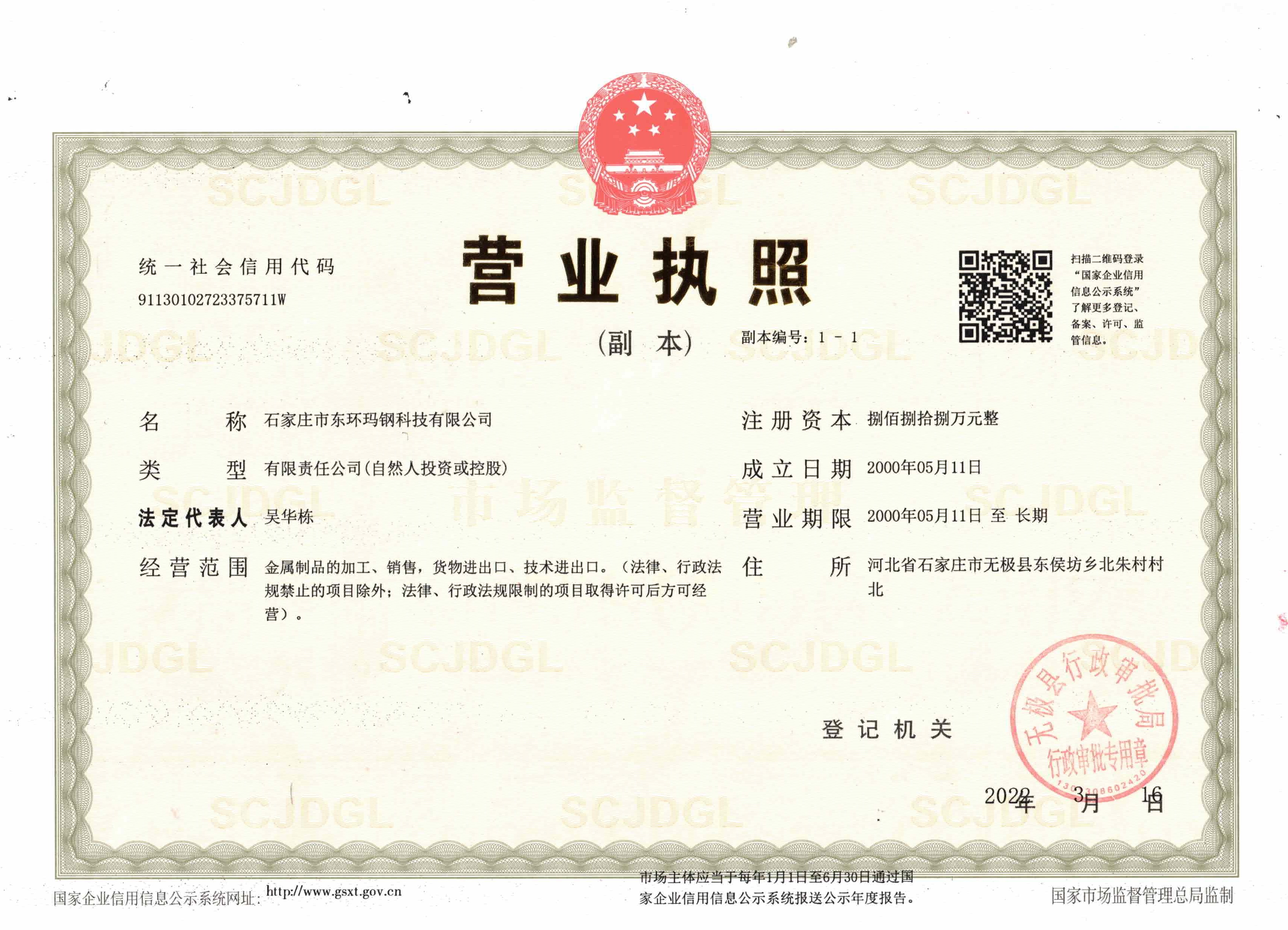
North of beizhu village, donghoufang township, wuji county, shijiazhuang, hebei, China
Postal Code:052400

Mob web

Tiktok