Shijiazhuang Donghuan malleable iron technology co.,ltd




How to Install Hose End Fittings the Right Way
Release time:
2026-07-01
Author:
Install a Hose End Fitting correctly by cutting, lubricating, tightening, and testing for leaks to ensure a secure, reliable connection.

You want to install a Hose End Fitting the right way for safety and reliability. Careful work prevents leaks and mistakes. You achieve a secure fit by following each step. Both beginners and experienced DIYers succeed with proper tools and attention.
Key Takeaways
Prepare your workspace and gather the right tools to ensure a clean and safe installation process.
Cut and mark the hose carefully to avoid uneven ends and ensure a secure connection.
Inspect and test for leaks after installation to confirm the fitting is properly secured and functioning.
Hose End Fitting Prep

Gather Tools and Materials
You need the right tools and materials to install a Hose End Fitting safely. Professionals recommend these items:
Hose
Hose ends
Hose cutter or band saw
Lubricant
Hose end wrench or soft-jawed adjustable wrench
Wrenches
Hose clamps
Grease
Hydraulic hose
Field attachable fittings
Tip: Prepare your workspace. Keep tools clean and organized. Avoid contaminants that can block the system or cause leaks.
Select and Measure Hose
Choose the hose and fitting based on your application. The right selection improves durability and safety. Use this table to help you decide:
Measure the hose length carefully. Check the working pressure and manufacturing date code. Avoid hoses older than seven years. Look for certifications like MSHA if needed.
Cut and Mark Hose
Cut the hose with a hose cutter or band saw. Make a straight, clean cut. Uneven cuts cause frayed ends and leaks. Mark the insertion depth on the hose. This helps you insert the hose correctly and prevents weaknesses in the connection.
Note: Skipping preparation steps can lead to leaks or failures. Take your time to measure, cut, and mark the hose.
Install Hose End Fitting

Insert Hose into Fitting
You start by inserting the hose into the fitting. Make sure you push the hose all the way into the fitting shell. If you do not insert the hose fully, the fitting can blow off. The last grip inside the shell holds the hose securely. Keep a steady pressure and feed rate as you push the hose in. Do not twist or force the hose. If you work with PTFE hoses, use a special tool to cut them cleanly. Slide the nut onto the hose before you flare the end and insert the ferrule.
Tip: Mark the insertion depth on the hose. This helps you check if the hose is fully seated.
Improper insertion can cause:
The fitting to blow off.
The hose to slip out because it is not secured by the shell’s grips.
Weak connections that lead to leaks.
Lubricate and Assemble
Lubrication makes assembly easier and safer. Use water-based lubricants like P-80. These lubricants help rubber parts slide into place. They do not dry out, swell, or harden the hose. Avoid oil or grease unless the manufacturer approves it. Lubricants reduce friction and help you assemble the Hose End Fitting without damaging the hose.
Follow these steps to assemble the fitting:
Cut the hose to the desired length. Make a clean, straight cut.
Place the collar on the hose before fitting the ferrule.
Place the ferrule on the tip of the hose. Make sure the hose is round and not frayed.
Lubricate the hose end body with a thin layer of water-based lubricant.
Bring the collar and hose end body together. Thread smoothly and avoid cross-threading.
Clean the assembly with solvent. Prepare for pressure testing.
Note: PTFE hoses use a ferrule for sealing. Make sure the hose is perfectly round to fit the ferrule.
Tighten and Secure
You need to tighten the Hose End Fitting to the correct torque. Use an AN wrench or a torque wrench for best results. Tighten the fitting until you reach the recommended torque. Do not over-tighten. Over-tightening can deform the fitting, crush the hose, or cause cracks. Under-tightening can lead to leaks and loose connections.

Signs of over-tightening:
You cannot disassemble the fitting easily.
The wrench flats become rounded.
The tubing bulges or sticks inside the fitting.
Cracks appear near valve connection points.
Signs of under-tightening:
Loose connections.
Leaks at the fitting.
Stripped threads.
Tip: Always check the torque specifications for your fitting type and size.
Inspect and Test for Leaks
After you install and tighten the Hose End Fitting, inspect and test for leaks. Look for wet spots, fluid stains, or pooling oil around the fitting. Check for abrasions or cracks in the hose. Use static and dynamic pressure tests to see if the system leaks under different conditions. Apply bubble solution around the fitting and watch for bubbles. Use ultrasonic leak detectors to find small leaks.
Visual inspection: Look for fluid stains, discoloration, or moisture.
Pressure testing: Increase system pressure and observe for leaks.
Bubble solution: Apply around fittings and check for bubbles.
Ultrasonic detection: Listen for high-frequency sounds from escaping fluid.
If you find leaks or fitting failures, check for misalignment, over-tightening, or contamination. Clean the area, align components, and retighten as needed. Make sure you use the right tools and lubricants.
Note: Most leaks come from improper assembly, aggressive fittings, or stress points at the hose fitting. Avoid excessive bending and use angled fittings if needed.
You avoid common mistakes by measuring hose length carefully, checking bend radius, and securing the hose properly. Choose the right fittings and materials for your environment. Perform preventative maintenance and train workers to follow each step.
You improve safety and reliability when you install a Hose End Fitting the right way. Always double-check your work and test for leaks. Use the correct tools and follow each step. For troubleshooting, review the FAQ and check for proper hose routing, support, and regular inspections.
FAQ
What should you do if your hose end fitting leaks?
Check the fitting for tightness. Inspect for damage or debris. Replace the fitting if you see cracks or worn parts. Always test again after fixing.
Can you reuse hose end fittings?
You can reuse some hose end fittings if they show no damage or wear. Always inspect threads and seals before reusing. Replace any part that looks worn.
What lubricant works best for hose assembly?
Use water-based lubricants like P-80. These help the hose slide into place. Avoid oil or grease unless the manufacturer says it is safe.
Keywords:
Hose End Fitting
Recommended Reading
Leave your problems to us
If you need a solution, you can write your question and contact information in the message form, we will contact you as soon as possible after receiving it.
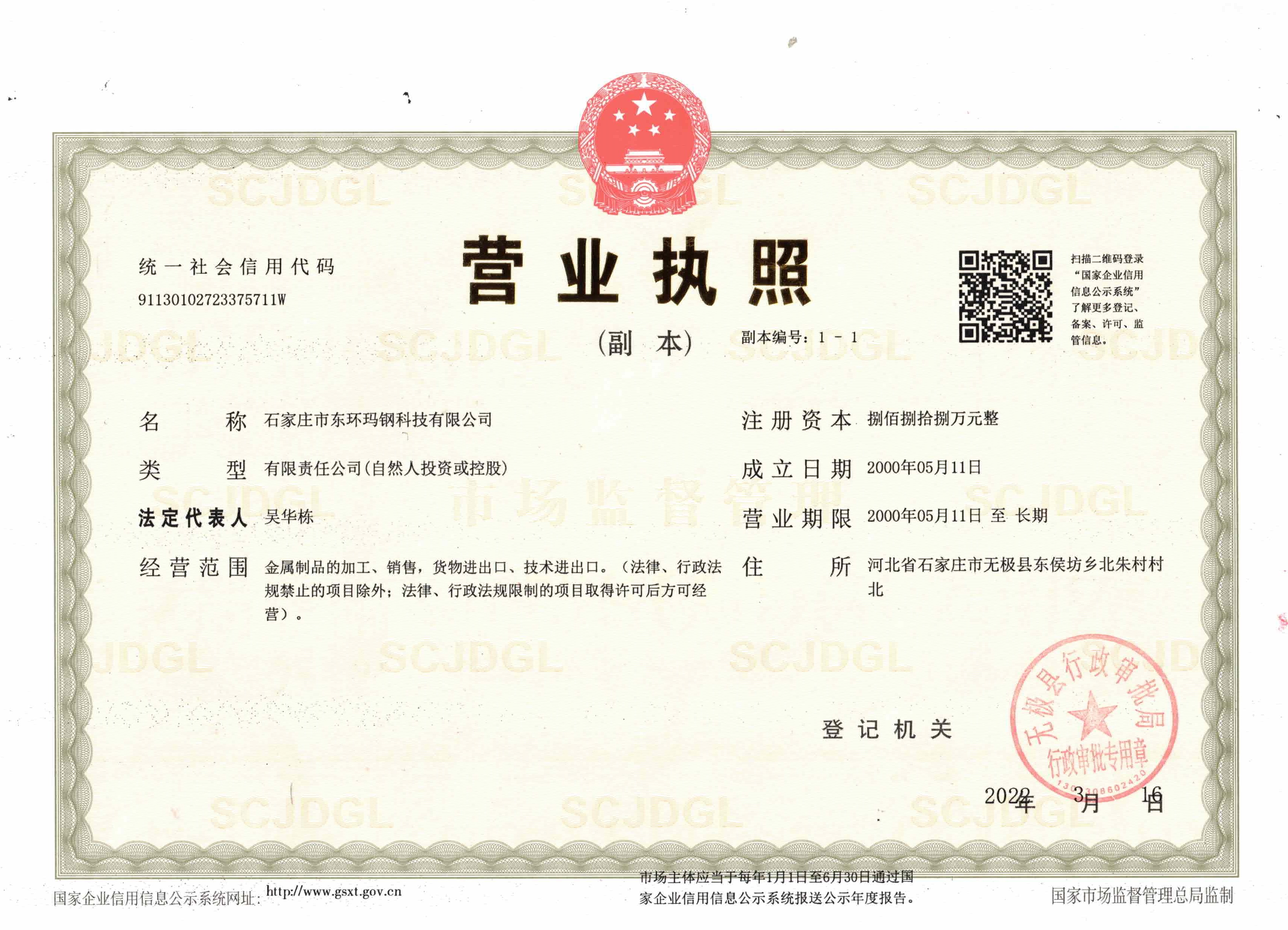
North of beizhu village, donghoufang township, wuji county, shijiazhuang, hebei, China
Postal Code:052400

Mob web

Tiktok