Shijiazhuang Donghuan malleable iron technology co.,ltd




Malleable Iron Pipe Fittings vs Other Materials Key Differences Explained
Release time:
2026-04-01
Author:
Compare malleable iron pipe and fittings with steel, copper, PVC, and brass to see key differences in strength, corrosion resistance, cost, and use.

You face many choices when selecting pipe fittings.
Malleable iron pipe and fittings offer high ductility and machinability, which help you shape and install them easily.
Malleable iron pipe fittings absorb shock and resist stress better than standard steel or copper pipes.
You see corrosion resistance and cost differences that affect your long-term project value.
Application suitability depends on the unique strengths of each material.
Donghuan malleable iron technology leads the market by providing reliable performance.
Material Types Compared

Malleable Iron Pipe and Fittings
Ductility and Machinability
You benefit from malleable iron pipe and fittings because they combine ductility with excellent machinability. This means you can bend, cut, and thread them without cracking. Malleable iron offers elongation rates between 10–14%, so it handles shaping and installation well. Donghuan malleable iron technology ensures consistent quality, making your work easier and more reliable.
You can use standard tools to machine malleable iron pipe fittings.
The material resists breaking during threading or bending.
You get precise, leak-free connections due to its machinability.
Shock and Stress Resistance
Malleable iron stands out for its ability to absorb shock and resist stress. You can trust malleable iron pipe and fittings in environments where pipes face vibration or sudden impacts. Charpy impact values for malleable iron reach 8–18 Joules, which means the fittings withstand accidental knocks or pressure surges better than many alternatives.
You reduce the risk of fractures in high-vibration settings.
Malleable iron pipe fittings maintain integrity under repeated stress.
Donghuan malleable iron technology enhances shock resistance for demanding applications.
Steel Pipe Fittings
Strength and Brittleness
Steel pipe fittings provide high strength, making them suitable for heavy-duty applications. However, you may encounter brittleness, especially with carbon steel, which has lower elongation and impact resistance compared to malleable iron. Stainless steel offers exceptional corrosion resistance and mechanical strength, but it costs more and can be harder to work with.
You choose steel for industrial systems needing maximum strength.
Installation may require welding or special tools.
Steel can become brittle in cold or high-stress environments.
Copper Pipe Fittings
Flexibility and Common Uses
Copper pipe fittings give you flexibility and durability. You find them in water supply lines and heating systems because they tolerate heat and pressure well. Copper resists corrosion in most water conditions, but acidic water can cause pinhole leaks over time.
You can bend copper pipes for custom installations.
Soldering is required, which needs skill and safety precautions.
Copper’s antimicrobial properties help keep water safe.
Tip: Use copper for hot and cold water lines in homes, but check your water’s acidity to avoid corrosion.
PVC Pipe Fittings
Lightweight and Corrosion Resistance
You often choose PVC pipe fittings for their low weight and strong resistance to corrosion. These fittings use polyvinyl chloride, a plastic that does not rust or corrode in most environments. You can handle and install PVC fittings with less effort than metal options.
You lift and move PVC fittings easily, even for large projects.
You do not need heavy-duty tools for cutting or joining.
You avoid rust and scale buildup in water systems.
Tip: Use PVC for drainage, waste, and vent systems where corrosion is a concern.
Key Advantages of PVC Pipe Fittings:
You find PVC fittings in residential plumbing, irrigation, and chemical processing. You can glue or solvent-weld joints for leak-free seals. You do not need to worry about metal fatigue or pitting.
You avoid contamination in potable water lines.
You reduce maintenance because PVC does not degrade like metals.
You can color-code pipes for easy identification.
Limitations:
You cannot use PVC for high-temperature or high-pressure systems.
You may see UV degradation if exposed to sunlight without protection.
You should not use PVC for compressed air or gas lines.
Brass Pipe Fittings
Specialty Applications
You select brass pipe fittings when you need durability, corrosion resistance, and a tight seal. Brass combines copper and zinc, giving you a material that works well in specialty and demanding environments.
You use brass for hot water, gas, and chemical lines.
You benefit from excellent machinability for custom installations.
You get reliable threads that resist galling and seizing.
Common Uses for Brass Fittings:
Note: Brass fittings cost more than PVC or malleable iron, but you gain longevity and reliability in critical systems.
You can reuse brass fittings because they resist wear and thread damage. You often see brass in valves, compression fittings, and adapters. You should avoid using brass with ammonia or high-chloride fluids, as these can cause stress cracking.
You choose brass for projects where safety and performance matter most.
You ensure compatibility with copper and plastic pipes using brass adapters.
You rely on brass for both residential and industrial specialty needs.
Durability of Malleable Iron Pipe Fittings
Strength Under Load
Malleable iron pipe and fittings deliver outstanding durability when you need to handle heavy loads. You can rely on their high tensile strength and load-bearing capacity in demanding environments. These parts meet strict mechanical and physical requirements, making them ideal for high-pressure industrial piping.
You get high tensile values, often exceeding 350 MPa, which means the parts resist stretching and breaking under force.
The load-bearing design of malleable iron pipe fittings supports large systems without deformation.
You benefit from mechanical properties that maintain performance even when pipes face sudden pressure spikes.
Malleable iron absorbs shocks, so you see fewer failures in systems with vibration or impact.
You achieve leak resistance because the fittings hold tight seals under high pressure.
High-Pressure and High-Temperature Use
You can use malleable iron pipe fittings in high-pressure and high-temperature settings. These parts withstand thermal expansion and contraction without losing strength or shape.
Malleable iron maintains tensile and mechanical properties at temperatures up to 350°C.
You avoid rapid wear or cracking, even when pipes carry steam or hot fluids.
The high tensile strength ensures fittings do not fail during pressure surges.
You reduce maintenance costs because the parts resist fatigue and stress over long periods.
Malleable iron’s durability makes it a top choice for high-pressure industrial piping and heating systems.
Longevity in Industrial and Residential Pipes
Malleable iron pipe fittings offer exceptional longevity in both industrial and residential applications. You can expect these parts to last for decades, often outlasting other materials.
You see malleable iron parts in systems that require long-term reliability and minimal replacement.
The high tensile and wear resistance of these fittings means you spend less on repairs and replacements.
Malleable iron pipe and fittings resist corrosion and wear, so you avoid leaks and failures over time.
You benefit from consistent performance, even after decades of use in harsh environments.
The longevity of malleable iron reduces total project cost and increases system reliability.
Resistance to Fracture and Wear
You can trust malleable iron pipe fittings to resist fracture and wear in tough conditions. The ductility of malleable iron allows the parts to flex slightly under stress, preventing cracks.
The tensile strength of malleable iron parts helps them absorb impacts without breaking.
You see less wear on threads and surfaces, which keeps connections tight and leak-free.
Malleable iron’s resistance to abrasion and mechanical wear extends the life of your piping systems.
You avoid sudden failures because the parts maintain their mechanical properties under repeated load cycles.
The durability and wear resistance of malleable iron pipe fittings make them a reliable choice for both new installations and retrofits.
Tip: Choose malleable iron pipe fittings when you need maximum durability, high tensile strength, and long-lasting performance in your piping systems.
Corrosion Resistance in Pipe Fittings

Malleable Iron vs Steel
Black Oxide Finish and Maintenance
You need pipe fittings that resist corrosion in harsh environments. Malleable iron pipe fittings offer superior resistance compared to steel. Galvanization adds a protective zinc layer to malleable iron, which prevents rust and corrosion, especially in moist conditions. The zinc coating acts as a sacrificial anode, corroding first to protect the underlying metal. This process extends the service life of malleable iron fittings in corrosive environments.
Malleable iron fittings with galvanization maintain their strength and durability longer than steel.
Steel fittings without protective coatings corrode quickly when exposed to moisture or chemicals.
You reduce maintenance needs and replacement costs by choosing malleable iron with a black oxide finish or zinc coating.
Malleable iron provides reliable resistance for plumbing systems in industrial and residential settings.
Tip: Inspect malleable iron fittings regularly to ensure the protective coating remains intact. This practice helps you maximize resistance and minimize unexpected failures.
Copper and Brass Resistance
Water and Chemical Environments
Copper and brass pipe fittings deliver excellent resistance in water and chemical environments. Copper nickel alloys maintain mechanical strength while protecting against corrosion. You can use these materials in water systems and industrial applications where harsh conditions threaten pipe integrity.
Copper and brass resist corrosion from most water sources, including potable water and heating systems.
You benefit from long-lasting performance and minimal maintenance.
Brass fittings provide tight seals and resist wear in demanding environments.
You avoid leaks and failures by selecting copper or brass for systems exposed to chemicals.
Note: Copper and brass cost more than malleable iron, but their resistance and strength justify the investment for critical applications.
PVC Advantages
Non-Metallic Corrosion Resistance
PVC pipe fittings offer unique resistance because they are non-metallic. You avoid rust and corrosion entirely with PVC, making it ideal for drainage, waste, and vent systems.
PVC maintains its strength and resistance in wet and chemical environments.
You do not need to worry about metal fatigue or pitting.
PVC fittings require minimal maintenance and deliver consistent performance.
You save on installation and replacement costs due to PVC’s durability.
Alert: PVC cannot handle high temperatures or pressures. Use malleable iron or copper for systems that require greater strength and resistance.
You choose pipe fittings based on the resistance needed for your project. Malleable iron gives you a balance of strength, resistance, and cost. Copper and brass excel in chemical and water environments. PVC offers unmatched resistance for non-metallic applications.
Cost Comparison of Pipe Fittings
Initial Price Differences
Material and Manufacturing Costs
You see clear differences in material and manufacturing costs when you compare pipe fittings. Malleable iron stands out as a cost-effective option for projects that require strength and durability. You benefit from cost-effective production of complex shapes because malleable iron can be cast and machined easily. This process reduces labor and material waste.
Malleable iron offers a lower initial price than stainless steel and brass.
You pay less for malleable iron than copper, especially for large-scale installations.
PVC provides the lowest material cost, but you sacrifice strength and temperature resistance.
Steel fittings cost more due to higher material prices and manufacturing complexity.
Tip: Choose malleable iron for cost-effective production of complex shapes and reliable performance.
Maintenance and Replacement Costs
Long-Term Value
You must consider maintenance and replacement costs to determine long-term value. Malleable iron gives you a cost-effective option because it resists wear, corrosion, and mechanical stress. You spend less on repairs and replacements over time.
Malleable iron fittings require minimal maintenance in water, gas, and heating systems.
Steel fittings need frequent inspection and replacement in corrosive environments.
Copper and brass fittings last long but cost more to replace.
PVC fittings offer low maintenance but may need replacement in high-pressure or high-temperature systems.
Note: Malleable iron provides cost-effectiveness through durability and reduced maintenance.
Donghuan Malleable Iron Technology Value
You gain extra value by choosing Donghuan malleable iron technology. Donghuan uses advanced casting and finishing methods to deliver consistent quality and performance. You receive fittings that last longer and require less maintenance, which increases cost-effectiveness.
Donghuan malleable iron fittings offer reliable seals and precise threads.
You reduce downtime and labor costs with easy installation and fewer replacements.
Donghuan provides a cost-effective option for projects that demand strength and longevity.
You benefit from cost-effective production and high-quality standards.
🚀Donghuan malleable iron technology gives you a cost-effective option for projects where performance and value matter most.
Installation and Versatility
Ease of Installation for Pipes
Tools and Labor Needs
You want pipe fittings that save time and reduce labor costs. Malleable iron pipe fittings use threaded or grooved connections. You can assemble or disassemble them with standard hand tools. You do not need special welding equipment or advanced skills. This makes malleable iron a practical choice for both new installations and repairs.
You thread malleable iron fittings quickly for a secure, leak-resistant joint.
You can reuse fittings if you need to change the system layout.
You avoid long curing times or hazardous chemicals.
When you compare installation methods, you see clear differences:
You use less energy per joint with PVC, but you get higher torque resistance and a better pass rate with malleable iron. You can trust malleable iron joints in systems that require strength and reliability.
Tip: Choose malleable iron when you need robust joints and easy installation with basic tools.
Adaptability for Different Systems
Compatibility with Modern Plumbing
You need fittings that work with many types of plumbing systems. Malleable iron pipe fittings adapt well to both old and new installations. You can connect them to steel, copper, or even plastic pipes using the right adapters. This flexibility helps you upgrade or expand existing systems without major changes.
You find malleable iron compatible with threaded, grooved, or flanged connections.
You can use malleable iron in water, gas, steam, and fire protection systems.
You match malleable iron fittings with modern plumbing codes and standards.
Malleable iron’s versatility means you can use it in residential, commercial, or industrial projects. You do not need to worry about compatibility issues when you retrofit or repair older systems.
🚀 Malleable iron pipe fittings give you the flexibility to handle complex layouts and future upgrades with confidence.
Application Suitability
Industrial Uses
Oil, Gas, and Manufacturing
You often see malleable iron in industrial applications where reliability and safety matter most. These fittings handle high pressures and temperatures in oil and gas pipelines. You benefit from their strength and resistance to vibration, which prevents leaks and failures. Malleable iron pipe fittings support heavy machinery and process lines in manufacturing plants. You can use them in chemical processing, power generation, and fire protection systems. Their adaptability allows you to connect different types of pipes in complex layouts.
You choose malleable iron for critical industrial service because it resists fatigue and absorbs shock.
You reduce downtime since these fittings last longer under cyclic loading.
You meet strict safety standards in hazardous environments.
Tip: Use malleable iron pipe and fittings when you need dependable performance in demanding industrial applications.
Residential Plumbing
Water Supply and Heating
You rely on malleable iron for water supply and heating applications in homes and buildings. These fittings provide enhanced wall thickness and superior stress resistance compared to other materials. You get longer service life, especially in systems that experience frequent temperature changes or pressure cycles.
You experience fewer leaks and repairs in water supply lines.
You maintain system integrity in heating applications, even with repeated expansion and contraction.
You save on long-term maintenance costs due to the slow crack propagation rate.
Note: Malleable iron pipe fittings help you achieve reliable, long-lasting plumbing systems for both hot and cold water.
Specialty and Unique Projects
Donghuan Malleable Iron Technology Applications
You find malleable iron essential in specialty applications that demand custom solutions. Donghuan malleable iron technology delivers precise fittings for unique industrial projects, such as food processing, mining, and marine systems. You can specify custom shapes and threads for non-standard installations. These fittings work well in retrofits, repairs, and upgrades where you need compatibility with existing pipes.
You use malleable iron in fire sprinkler systems, compressed air lines, and specialized HVAC setups.
You benefit from Donghuan’s advanced casting methods, which ensure consistent quality in every fitting.
You trust malleable iron for applications that require both strength and adaptability.
🚀 Choose Donghuan malleable iron technology for specialty industrial applications where standard fittings do not meet your needs.
You see clear differences between malleable iron and other pipe fitting materials. Malleable iron offers high ductility, impact resistance, and cost-effective installation. You benefit from its durability in both industrial and residential systems. Donghuan malleable iron technology delivers consistent quality and long service life.
Match malleable iron to projects needing strength, shock resistance, and reliable performance.
Choose materials based on fluid type, pressure, and environment for best results.
FAQ
What makes malleable iron pipe fittings different from steel?
You get higher ductility and shock resistance with malleable iron.
Steel offers greater strength but can become brittle under stress.
Can you use malleable iron pipe fittings outdoors?
Yes, you can use malleable iron outdoors. Choose galvanized fittings for better corrosion resistance in wet or harsh environments.
Are malleable iron fittings compatible with PVC or copper pipes?
You can connect malleable iron to PVC or copper using adapters.
Always check for proper thread compatibility and sealing.
How long do malleable iron pipe fittings last?
You can expect malleable iron fittings to last decades in most systems.
Do malleable iron fittings require special tools for installation?
No, you can install malleable iron fittings with standard pipe wrenches and threading tools. You do not need welding equipment.
Are malleable iron pipe fittings safe for drinking water?
You can use malleable iron for potable water if the fittings are lead-free and properly coated.
Always verify local plumbing codes.
What are the main advantages of Donghuan malleable iron technology?
Donghuan provides consistent quality, precise threads, and reliable seals. You benefit from advanced casting methods and longer-lasting fittings.
Can you reuse malleable iron pipe fittings?
You can reuse malleable iron fittings if threads remain undamaged.
Inspect for wear or corrosion before reinstallation.
Keywords:
malleable iron pipe and fittings
Recommended Reading
Leave your problems to us
If you need a solution, you can write your question and contact information in the message form, we will contact you as soon as possible after receiving it.
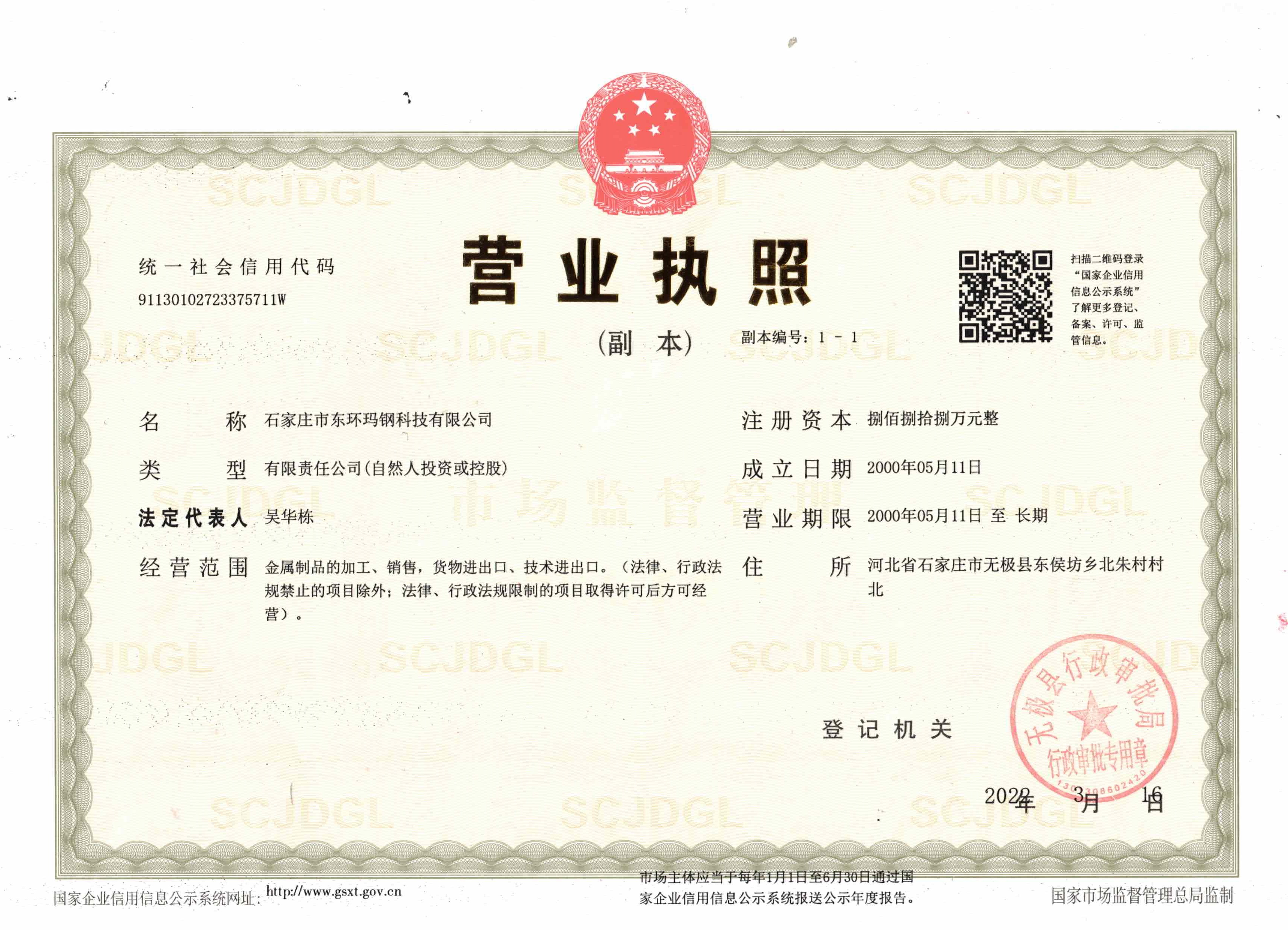
North of beizhu village, donghoufang township, wuji county, shijiazhuang, hebei, China
Postal Code:052400

Mob web

Tiktok