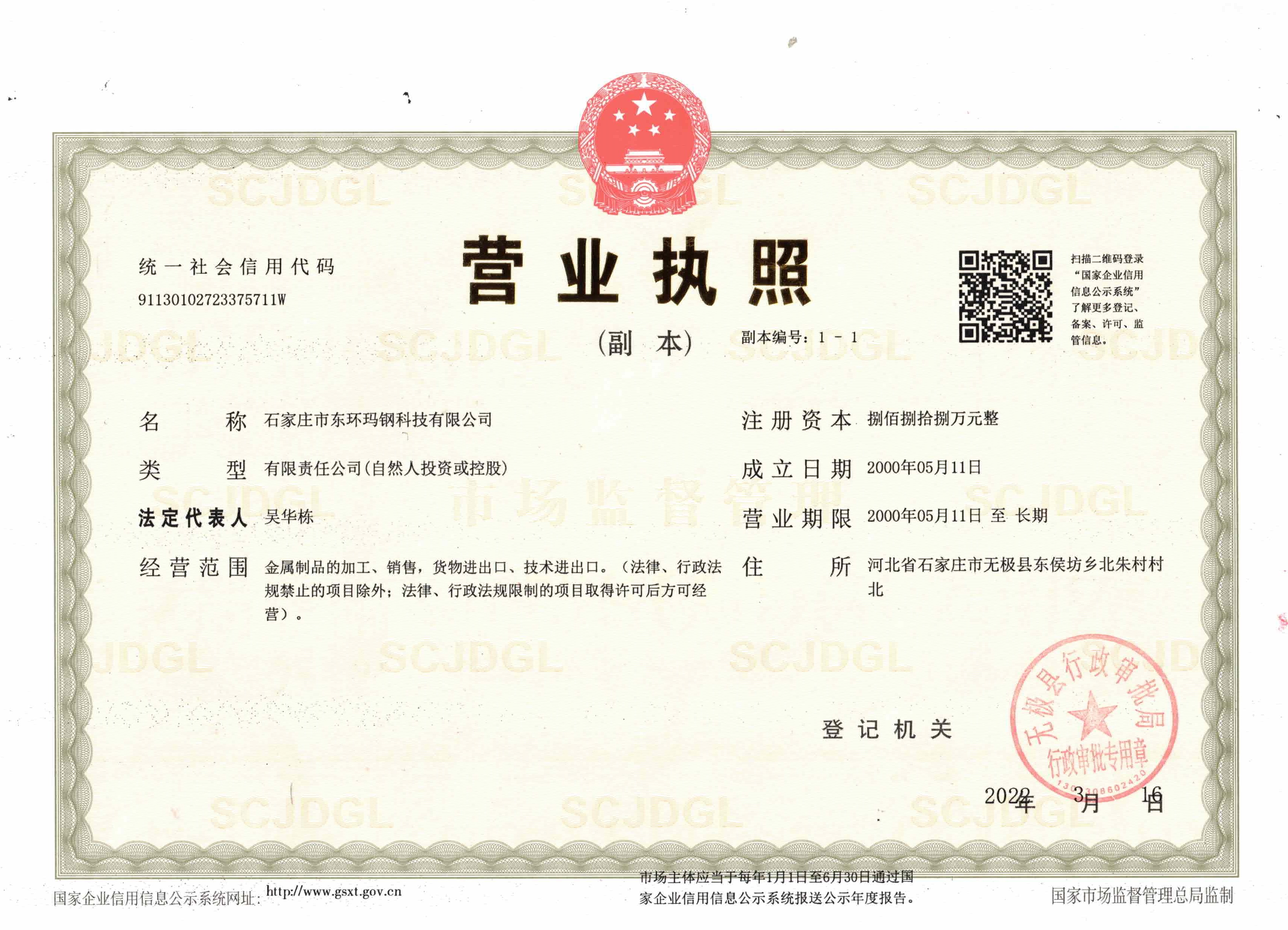
Shijiazhuang Donghuan malleable iron technology co.,ltd




What Options Are Available for Pneumatic Quick Connect Fittings
Release time:
2026-04-13
Author:
Pneumatic quick connect fittings include industrial, automotive, ARO, V-style, push-to-connect, compression, barbed, and threaded options.

You can pick from a few main types of pneumatic quick connect fittings. These include:
Industrial style
Automotive style
ARO style
V-style
People use these options in many jobs. For example:
SDH Malleable Iron Pipe Fittings give you a strong quick connect fitting for your pneumatic systems. They last a long time and can hold heavy loads. They also do not rust easily, especially if you use malleable iron.
Tip: Pick the right fitting for your job to stay safe and work well. SDH fittings work well under pressure and fit many kinds of pneumatic quick connect fittings.
Types of Pneumatic Quick Connect Fittings

Industrial Style
Industrial style quick-connect fittings let you connect and disconnect tools and hoses fast. You do not need any extra tools to use them. People use these fittings in factories and workshops. They are good for places where you change tools a lot. These fittings help you save time and keep your work safe. When you take them apart, they seal the airflow so you do not lose pressure.
You can put pipes and tubes together quickly.
You can use them for many jobs in factories.
They are better than old-style connections.
Quick disconnect fittings for pneumatic jobs are light. You can connect, disconnect, and reconnect them fast and easy.
You can read more about industrial pneumatic quick connect fittings on Engineering Toolbox.
SDH Malleable Iron Pipe Fittings work well with industrial style pneumatic quick connect fittings. You can trust them to make strong and safe connections for your hoses.
Automotive Style
Automotive style quick-connect fittings are used a lot in car shops and garages. You use these fittings to connect air tools, fill tires, or run other air equipment. These fittings have special features that make your work easier and safer.
SDH Malleable Iron Pipe Fittings work well with automotive style quick-connect fittings. You get a strong and long-lasting connection for your shop tools.
ARO Style
ARO style quick-connect fittings are another type you see in many pneumatic systems. You use these fittings for light factory work, assembly lines, and fixing things. ARO style fittings have a special shape so you do not mix them up with other styles. You can count on them for a tight seal and easy tool changes.
SDH Malleable Iron Pipe Fittings work with ARO style connections. You can use them to build strong and flexible pneumatic systems.
V-Style
V-Style fittings give you high flow rates for demanding pneumatic tools. You often see these in heavy-duty shops and industrial settings. You can use V-Style fittings when you need more air to power large equipment.
You get a larger internal diameter, which means more air passes through.
You can run multiple tools at once without losing pressure.
You reduce downtime because you do not need to switch fittings for high-demand tools.
V-Style fittings help you keep your system efficient. You do not have to worry about bottlenecks when you use these for spray guns, impact wrenches, or sanders.
Tip: Choose V-Style fittings if you want to upgrade your air system for bigger jobs.
SDH Malleable Iron Pipe Fittings work with V-Style connections. You can trust these fittings to handle high pressure and frequent use. The malleable iron construction resists wear and keeps your pneumatic quick connect fittings secure.
Push-to-Connect Fittings

How Push-to-Connect Works
Push-to-connect fittings help you join hoses fast. You push the tube in until it clicks. The lock claw grabs the tube and holds it tight. An O-ring seal stops air from leaking out. To disconnect, pull back the release sleeve. This lets you remove the tube without tools.
Made from brass, stainless steel, or plastic.
Lock claw grabs the tube right away.
O-ring keeps the seal airtight.
Release sleeve lets you disconnect quickly.
You save time because you do not need tools. You can connect or disconnect lines in just seconds. This is helpful when you need to make changes or repairs often.
Benefits
Push-to-connect fittings have many good points over other quick-connect fittings and pneumatic couplings:
Easy to install—just push the tube in.
Setup takes less time, so you work faster.
No tools needed to connect or remove tubes.
Works with many tubing materials for more options.
Small size fits in tight spots.
You can reuse them and still get a strong seal.
Great for technicians who want quick, reliable results.
You can use these fittings again and again. The seal stays strong even after many uses. The small size helps you work in crowded spaces.
Tip: Pick push-to-connect fittings if you want to save time and need a clean, tool-free connection.
Applications
Push-to-connect fittings are used in many jobs and industries. They work well where speed and reliability are important.
Manufacturing: Connect air systems and machines.
Automotive: Use with air tools and assembly lines.
Food and Beverage: Install in processing and packaging systems.
Medical: Connect medical equipment and pneumatic systems.
Construction: Use with tools and machines on job sites.
HVAC Systems: Link parts in heating and cooling systems.
Robotics and Automation: Connect robots and actuators.
Agriculture: Use in pneumatic systems for farm equipment.
Marine: Install in pneumatic systems on boats and ships.
SDH has malleable iron pipe fittings for push-to-connect jobs. You get a strong and reliable fitting for your pneumatic systems. These fittings handle pressure and resist wear, so they are smart for tough environments.
Compression and Barbed Fittings
Compression Fittings
Compression fittings make a strong, leak-proof connection for pneumatic systems. You use them when you need a tight seal under high pressure. The fitting has two main parts: a ferrule and a nut. When you twist the nut, the ferrule squeezes the pipe. This makes the pipe stay in place and stops leaks.
Ferrule and Nut Design
The ferrule goes between the nut and the pipe.
When you tighten the nut, the ferrule bends a little.
This bending holds the pipe tight and seals the joint.
You get a safe connection that works well with high pressure.
Compression fittings are good when you need something strong and reliable. People use them in factories where pneumatic systems run at high pressure.
Barbed Fittings
Barbed fittings let you connect hoses fast and easy. You push the hose onto the barbed end. The barbs grab the inside of the hose and hold it tight. This design spreads out the pressure and helps stop leaks.
Hose Compatibility
Barbed fittings work best with soft, bendy hoses.
The bumps on the fitting grip the inside of the hose.
You do not need tools to put them on.
These fittings are simple to put on and take off.
Barbed fittings are best for low-pressure jobs. You see them in boats, plumbing, and places with chemicals. The barbs keep the hose from leaking, even if it moves or bends.
Tip: Use barbed fittings for quick fixes or when you change hoses a lot.
Use Cases
Here is a simple chart to compare compression and barbed fittings:
You will see compression fittings in factories, plumbing, and HVAC jobs where leaks are not allowed. Barbed fittings are used in car fuel lines, watering systems, and medical tubes. People also use them on farms and boats.
Compression fittings: Pick these for high-pressure air or water lines.
Barbed fittings: Use these for soft hoses in low-pressure jobs.
Threaded Pneumatic Quick Connect Fittings
Threaded pneumatic quick connect fittings give you a safe and dependable way to connect pipes, hoses, and tools. SDH Malleable Iron Pipe Fittings provide strong threaded options that work well in tough environments. You can use these fittings for new setups or repairs.
NPT, BSPT, BSPP Threads
There are three main types of threads in pneumatic quick connect fittings:
NPT (National Pipe Tapered): Used mostly in the U.S. These threads have a 60° angle and are tapered. You need a sealant to stop leaks.
BSPT (British Standard Pipe Tapered): Common in Europe. These threads have a 55° angle and are tapered. Sealant is also needed here.
BSPP (British Standard Pipe Parallel): These threads are straight, not tapered. They use an O-ring to seal, so no extra sealant is needed.
Mixing these thread types can cause leaks or damage. Each type has a different angle and sealing method. Always match the thread type to your system.
Tip: Check your equipment before choosing a thread type. Using the right thread makes a tight, leak-free connection.
Material Options
Threaded pneumatic quick connect fittings come in different materials. Each material has special benefits for strength and resistance to rust.
SDH Malleable Iron Pipe Fittings are known for their strength and long life. The malleable iron can handle high pressure and tough conditions. Galvanized ones add extra rust protection.
Typical Uses
You use threaded pneumatic quick connect fittings in many places:
Connect equipment or tubing with strong, vibration-resistant threads.
Make fixed connections that do not need to be taken apart often, like cylinders and valves.
Set up air lines in factories, workshops, and on construction sites.
Secure connections in systems that have high pressure or vibration.
SDH threaded fittings give you a stable, leak-proof connection. They are reliable for jobs that need strength and dependability.
Shut-Off Couplings
Single Shut-Off
Single shut-off couplings stop air from flowing on one side when you disconnect. The shut-off is usually on the socket side. This design helps you keep air from leaking out of the supply line. But air or fluid can still come out from the tool or hose side. You use single shut-off couplings when you want an easy way to lower leaks and keep your system safe during tool changes.
Stops air flow from the supply side only
Lets you change tools fast with less air loss
Simple design helps stop basic leaks
Double Shut-Off
Double shut-off couplings close both the plug and socket when you disconnect. This gives you better leak prevention and keeps your work area clean. You do not have to worry about air or fluid spilling from either side. Double shut-off couplings are good for places where you need to protect equipment and workers from leaks.
Stops leaks from both sides
Keeps your work area safer and cleaner
Best for high-pressure or dangerous systems
Application Scenarios
You use shut-off couplings in many jobs to make things safer and control your system better. These couplings help you stop accidents and keep your equipment working well.
Meets safety rules and standards
Supports advanced safety steps for high-pressure risks
Needs regular training for safe use
You can pick a quick connect coupling with the right shut-off for your job. This helps you keep workers safe, lower leaks, and make your pneumatic system work better.
Fitting Type Comparison
Ease of Use
You want your pneumatic system to be easy to set up. The design of each fitting changes how fast you can connect or remove hoses and tools.
Quick disconnects let you change tools or hoses very fast. Push-to-connect fittings let you join tubes with just a push. Threaded fittings need a wrench and take longer to put on or take off.
Tip: Pick quick-connect fittings if you need to change tools a lot.
Durability
You need fittings that last in tough places. The material and design decide how strong your connection will be.
Malleable iron fittings do not wear out fast and can handle high pressure. Brass and stainless steel fittings do not rust easily. Push-to-connect fittings made from plastic are good for clean, low-stress spots. Threaded fittings with a galvanized coating last longer in wet or dirty areas.
SDH malleable iron pipe fittings give you a strong and long-lasting connection. You can use them where there is vibration, pressure, or lots of use.
Application Suitability
Each fitting type works best for certain jobs. You should match the fitting to your system’s pressure and how you use it.
Use clamp-type joints for high-pressure jobs that cannot leak. Pick quick-twist fittings for high-flow lines that need regular checks. Choose push-in tube fittings for flexible systems with normal pressure.
Tip: SDH malleable iron pipe fittings work well in high-pressure and high-wear places. Pick the right type for your system to get the best results.
Cost Factors
When picking pneumatic quick connect fittings, you should think about cost. The right fitting helps you save money over time. Here is a table that shows how different fittings change your expenses:
Quick connect fittings are faster to install. You do not need many tools or sealants. This lets you finish jobs quickly and pay less for labor. Traditional fittings take longer and often need extra parts.
Maintenance costs are lower with quick connect fittings. You can disconnect and reconnect them fast. This means less downtime and your system keeps running. Traditional fittings need more work to fix. You may have to shut down your system for longer.
Material quality is important. Quick connect fittings use strong materials that resist wear. They last longer. Traditional fittings may need sealants to stop leaks. Over time, this adds to your costs.
Durability changes how often you replace fittings. Quick connect fittings last longer and can be used again and again. You do not have to buy new ones as often. This saves money in the long run.
Long-term savings matter. Quick connect fittings lower your maintenance and labor costs. You spend less on repairs and replacements. This makes your whole system cost less.
Tip: Pick SDH Malleable Iron Pipe Fittings if you want a strong and long-lasting solution. These fittings handle high pressure and resist rust. You get more value for your money because you replace them less often.
When you compare cost factors, look at everything. Think about installation, maintenance, material, and durability. The right choice helps you save money and keep your pneumatic system working well.
Choosing the Right Pneumatic Quick Connect Fitting
Key Selection Factors
Pressure and Material
You must match your system’s pressure with the right fitting. Always check the pressure rating before picking a coupling. If you use the wrong fitting, it might leak or break.
Pick stainless steel for food or places with chemicals.
Use malleable iron for heavy jobs and high pressure.
Choose plastic for light jobs or short-term setups.
Check the pipe size. The right size keeps fittings tight and stops leaks. Make sure the fitting fits your equipment’s flow needs.
Environment
Where you work changes what fitting you need. Dust, water, and chemicals can make couplings wear out faster.
Use galvanized or stainless steel in wet or dirty spots.
Pick brass or malleable iron for places with shaking or hits.
For clean rooms or labs, pick fittings with smooth and exact surfaces.
Always match the thread type on your compressor, tools, and hoses. Mixing NPT and BSP threads can make leaks happen.
SDH Product Tips
You get the best results if you follow these SDH tips:
Pick fittings with smooth threads and exact cuts. This helps stop leaks and keeps the connection strong.
Check your filters and regulators often. Change them if they look worn or do not work well.
Use fewer adapters. Connect hoses, tools, and air compressor fittings directly when you can.
Keep your manual close. It tells you the right fitting sizes and types.
Match the thread type on your compressor, tools, and hoses. This stops leaks from mixing thread types.
Tip: Direct connections and regular checks help your pneumatic hose fittings and pneumatic couplings last longer.
Always pick the right connection style for your job. Push-to-connect fittings make repairs easy. Threaded couplings are best for high-pressure lines. Quick-release couplings help when you change tools a lot.
You can trust SDH malleable iron pipe fittings in many places. These fittings handle pressure, do not rust, and keep your pneumatic system working well.
You can pick from lots of pneumatic quick connect fittings. Some types are industrial, automotive, ARO, V-style, push-to-connect, compression, barbed, and threaded. Picking the right fitting helps stop leaks and saves energy. You can cut leaks and energy loss by up to 30%. A tight fit keeps your system safe and lowers repair costs. SDH Malleable Iron Pipe Fittings work well in tough places. You can trust them for strong performance. If you need help or want the best products, ask SDH.
Choose the right fitting so your system stays safe and works well.
FAQ
What is a pneumatic quick connect fitting?
You use a pneumatic quick connect fitting to join air hoses or tools fast.
You do not need tools.
The fitting locks in place and seals the air.
How do I choose the right fitting size?
Check your hose or tool size.
Match the fitting size to your equipment.
Use a chart or manual for exact measurements.
Can I mix different fitting styles?
You should not mix styles. Each style has a unique shape. Mixing them can cause leaks or damage.
What material should I pick for my fittings?
How do I prevent leaks in my pneumatic system?
Use the correct fitting style and size.
Tighten connections properly.
Replace worn seals or O-rings.
Check for damage before use.
Are SDH Malleable Iron Pipe Fittings reusable?
Yes. You can use SDH Malleable Iron Pipe Fittings many times. They keep a strong seal if you check them for wear.
When should I use a push-to-connect fitting?
Use push-to-connect fittings for fast changes.
Choose them when you need tool-free connections.
They work well in tight spaces.
What thread types do SDH fittings support?
SDH fittings support NPT, BSPT, and BSPP threads.
Match the thread type to your system for a leak-free fit.
Keywords:
Pneumatic quick connect fittings
Recommended Reading
Leave your problems to us
If you need a solution, you can write your question and contact information in the message form, we will contact you as soon as possible after receiving it.
North of beizhu village, donghoufang township, wuji county, shijiazhuang, hebei, China
Postal Code:052400

Mob web

Tiktok