Shijiazhuang Donghuan malleable iron technology co.,ltd




Weld Fitting Types and Size Chart for 2026
Release time:
2026-05-27
Author:
Weld fittings guide for 2026: types, size charts, and standards to help you select the right fitting for your piping system and ensure project safety.


Weld fittings join pipes together. They help systems turn, split, or get smaller. The main types are elbows, tees, reducers, and caps. People use these fittings in many industries. These include chemical, petrochemical, marine, and oil and gas. Here is how each type is different:
It is important to know the latest size rules. This is because rules can change and projects need different things. ANSI/ASME standards show sizes from 1/2 inch to 60 inches. They also cover pressure classes from 150 to 2500. You must pick the right type and size. This keeps your project safe, working well, and matching other parts.
Use this guide to pick weld fittings that work for your system and follow today’s rules.
Weld Fitting Types

Elbows
Elbows let pipes turn in a new direction. People use elbows in many places. These include oil and gas, chemical plants, and water treatment. Elbows can have different angles and curve sizes.
45-Degree
A 45-degree elbow turns a pipe gently. You use it when you want a smooth turn. It helps fluids move without much pressure loss.
90-Degree
A 90-degree elbow makes a sharp turn. You use it when there is not much space. It is common in factories where pipes must turn fast.
Long vs. Short Radius
Long radius elbows have a bigger curve. They help fluids move with less force needed. Short radius elbows have a smaller curve. You use them when you do not have much room. Both types are needed for different jobs.
Elbows are very important in weld fittings. They help you make systems that fit your space and flow needs.
Tees
Tees let you join or split pipes. You use them to connect three pipes together. Tees are used when you need branches or extra parts.
Equal
An equal tee has all sides the same size. You use it when all pipes are the same width. This keeps the flow even.
The branch is the same size as the main pipe.
You use equal tees for lines and branches with equal flow.
Reducing
A reducing tee has a smaller branch. You use it to connect a smaller pipe or tool. This helps you control flow and pressure.
The branch is smaller than the main pipe.
Reducing tees are good for joining smaller pipes or tools.
Reducers
Reducers let you change the pipe size. You use them to control how fast things move in the pipe. There are two main kinds: concentric and eccentric.
Concentric
A concentric reducer lines up both ends in the middle. You use it for a smooth change between pipe sizes. It works well when you need the pipes to line up.
Eccentric
An eccentric reducer has ends that do not line up. You use it to keep the top or bottom of the pipe flat. It stops liquid or dirt from building up in straight pipes.
A butt weld reducer changes the pipe’s width. The concentric type is shaped like a cone and lines up in the middle. The eccentric type has sides that do not match up. You use eccentric reducers to keep pipes flat and stop air or dirt from getting stuck.
Picking the right weld fittings helps you build safe and good systems. Elbows, tees, and reducers each have their own job in your project.
Flanges
Flanges connect pipes, valves, and equipment. You use them to make strong, leak-proof joints. Flanges allow you to assemble or disassemble piping systems easily. They come in several types, each with a specific use.
Weld Neck
Weld neck flanges have a long, tapered hub. You weld them to the pipe. This design gives high strength and resists stress. You use weld neck flanges in high-pressure and high-temperature systems. They help prevent leaks and support heavy loads.
Slip-On
Slip-on flanges slide over the pipe. You weld them on both sides. They are easy to install and align. You use slip-on flanges in low-pressure systems. They work well when you need quick assembly.
Blind
Blind flanges close the end of a pipe. You use them to stop flow or isolate equipment. Blind flanges help you test pressure or block off unused lines. They provide a secure seal and prevent leaks.
Socket Weld
Socket weld flanges have a socket for the pipe to fit in. You weld the pipe at the base of the flange. This type is good for small-diameter, high-pressure pipes. Socket weld flanges give strong, reliable joints.
Flanges follow strict industry standards. ASME B16.5 covers most flange types, including weld neck, slip-on, blind, and socket weld flanges. You find these standards in oil and gas, chemical, and power industries.
Caps
Caps close off the end of a pipe. You use caps to stop flow or protect the pipe. Caps provide a secure, leak-proof seal. You can use them for permanent or temporary isolation. Most caps are made from steel plates and fit a wide range of pipe sizes.
You use caps to blind or isolate pipelines.
Caps fit standard pipe sizes from DN15 to DN600.
You can remove caps for maintenance or testing.
Crosses
Crosses connect four pipes at right angles. You use crosses when you need to split or combine flow in multiple directions. Crosses are less common than tees but serve important roles in complex piping systems. You find crosses in chemical plants, water treatment, and process piping.
Crosses help you manage flow in systems with many branches.
You use them in places where space and flow control matter.
When you select weld fittings like flanges, caps, or crosses, always check the standards and sizing. This ensures your system works safely and efficiently.
Stub Ends
Stub ends join pipes to flanges. You use stub ends with lap joint flanges. This fitting lets you put together and take apart pipes fast. Stub ends are good when you want less stress or easy repairs.
Stub ends come in different types. Short pattern stub ends work for medium pressure and temperature. Long pattern stub ends handle high pressure and heat. They also help stop erosion by making flow smoother.
You find stub ends in oil and gas, chemical plants, and water treatment. These fittings follow rules like ASME B16.9 and MSS SP-43. Pick the right stub end for pressure, heat, and flow.
Tip: Always check the size and type before you put in stub ends. This helps you get a tight fit and good results.
Special Fittings
Special fittings fix tricky piping problems. You use them when regular fittings do not work. Special fittings include lateral, custom, and micro weld fittings.
Lateral
Lateral fittings join pipes at angles that are not 90 degrees. You use them to split flow or join pipes in hard layouts. These fittings help flow better and cut down on turbulence.
Lateral fittings help you control flow in small spaces.
You see lateral fittings in oil and gas, wastewater, and chemical plants.
Custom
Custom fittings are made for special jobs. You order them when you need odd shapes, sizes, or materials. These fittings are used for things like bioreactors or very clean systems.
You see custom weld fittings in nuclear power, breweries, and bioreactors. These fittings help you meet tough rules for clean and strong systems.
Note: Special fittings help you build systems that fit your needs. You make your system work better by picking the right fitting for each job.
Weld Fittings Applications
Industrial Uses
Weld fittings are very important in many industries. They help move liquids and gases safely. You see them in lots of different places.
Oil & Gas
Weld fittings are used in pipelines for crude oil and gas. These pipes carry oil, gas, and other products. The systems often have high pressure and heat.
Chemical
Chemical plants need fittings that can handle strong or dangerous materials. These fittings are tough and do not leak. That makes them good for these places.
Power Generation
Power plants use weld fittings in steam lines and cooling systems. These places need fittings that work under high pressure. Weld fittings help keep things safe and working right.
Water Treatment
Water treatment plants use these fittings to move water and waste. They work in city and factory systems. Weld fittings help move liquids where they need to go.
Selection Criteria
You need to pick the right fitting for your system. These things help you choose well:
If your system is low pressure, use carbon steel or stainless steel fittings. These are good for water and general jobs.
If your system is high pressure, use thicker and stronger fittings. These are used in oil and gas pipes.
Common Selection Mistakes
You can stop problems if you know what mistakes to avoid:
If you do not check pressure ratings, you might get leaks.
If you forget about flow, you can get pressure drops or rough flow.
If you do not think about space, fittings may not fit.
If you skip industry rules, your system might not be safe.
Tip: Always look at the newest rules and ways to measure. Standards like ASME B16.9 and EN 10253 tell you about materials, tests, and sizes. These rules help you pick safe and strong weld fittings for your project.
Weld Fitting Size Chart 2026

Elbow Sizes
45-Degree
You use 45-degree elbows to create gentle turns in piping systems. These elbows reduce turbulence and pressure loss. The size chart below shows standard dimensions for 2026, based on ANSI/ASME B16.9 specifications.

Reference the ASME B16.9 standard for detailed elbow specifications.
90-Degree
You use 90-degree elbows for sharp turns in piping layouts. These elbows fit tight spaces and redirect flow quickly. The table below lists standard sizes for 2026.

You can find more details in the ANSI standards database.
Tee Sizes
Equal
Equal tees connect three pipes of the same diameter. You use these tees to split or combine flow evenly. The table below shows standard sizes for equal tees in 2026.

Reducing
Reducing tees connect pipes of different diameters. You use these tees to branch off smaller lines from a main pipe. The table below lists standard sizes for reducing tees.
Reducer Sizes
Concentric
Concentric reducers align the centerlines of pipes. You use these reducers for smooth transitions between pipe sizes. The chart below shows standard sizes for concentric reducers in 2026.
Eccentric
Eccentric reducers offset the centerlines. You use these reducers to keep the top or bottom of the pipe level. The table below lists standard sizes for eccentric reducers.
You can use these charts to select the right weld fittings for your project. Always check the latest standards for accurate measurements.
Flange Sizes
Flanges connect pipes and equipment. You use them to create strong, leak-proof joints. Flange sizes follow strict standards. You find four main types: weld neck, slip-on, blind, and socket weld.
Weld Neck
Weld neck flanges have a long hub. You weld them to the pipe for high strength. These flanges handle high pressure and temperature. You see them in critical systems.
Sizes range from 1/2 inch to 24 inches.
Standard drilling and bolt holes ensure a tight fit.
Raised face (RF), flat face (FF), and ring-type joint (RTJ) options.
Slip-On
Slip-on flanges slide over the pipe. You weld them on both sides. These flanges work well for low-pressure systems.
Sizes match weld neck flanges.
Easy to align and install.
Standard drilling and bolt patterns.
Blind
Blind flanges seal the end of a pipe. You use them to block flow or isolate equipment. These flanges help with pressure testing.
Sizes range from 1/2 inch to 24 inches.
Same drilling and bolt holes as other flange types.
Flat face and raised face options.
Socket Weld
Socket weld flanges fit small-diameter pipes. You insert the pipe into the socket and weld at the base. These flanges provide strong joints for high-pressure systems.
Sizes range from 1/2 inch to 4 inches.
Standard drilling and bolt holes.
Raised face and flat face options.

Always check the flange size chart before you select a flange. This ensures a proper fit and safe operation.
Cap Sizes
Caps close the end of a pipe. You use them for isolation or protection. Cap sizes follow standard measurements.
Sizes range from 1/2 inch to 24 inches.
Outside diameter and length vary by pipe size.
Schedule 40S thickness ensures strength.

Review the cap size chart to match the cap to your pipe. This prevents leaks and ensures durability.
Cross Sizes
Crosses connect four pipes at right angles. You use them in complex piping layouts. Cross sizes follow standard pipe measurements.
Sizes range from 1/2 inch to 24 inches.
Center-to-end dimensions match tee fittings.
Wall thickness depends on pressure rating.
Use the cross size chart to ensure proper alignment and flow in your piping system.
You find weld fittings in every industrial piping project. Accurate size charts help you select the right fitting for safety and performance.
Stub End Sizes
Stub ends connect pipes to flanges and allow quick assembly or disassembly. You need to select the right size to ensure a tight fit and reliable performance. The 2026 size chart includes a wide range of stub end sizes, wall thicknesses, and schedules. You can use the table below to find the standard options for your project.
You can choose stub ends based on schedule and wall thickness. Schedules like 10S, 40S, and 80S cover most industrial needs. Wall thickness ranges help you match pressure and temperature requirements. Always check the schedule and thickness before installation.
Tip: Use the size chart to select stub ends that fit your pipe and flange. This prevents leaks and ensures a strong connection.
2026 Updates
New Standards
You will see new standards for weld fittings in 2026. These standards require higher precision and better material strength. Carbon steel stub ends can handle pressures up to 3000 PSI. You must follow ANSI guidelines for safe and reliable installations.
Higher precision prevents leaks and failures.
Stronger materials improve performance in demanding environments.
ANSI standards ensure compatibility across industries.
Tolerance Changes
Tolerance changes affect how you measure and install stub ends. You need to pay attention to wall thickness and diameter. Tight tolerances help you avoid misalignment and leaks.
Wall thickness must match schedule requirements.
Diameter accuracy ensures a proper fit.
Small tolerance errors can cause system failures.
Industry Updates
Industry trends in 2026 focus on automation and quality control. Automated welding processes improve efficiency and reduce errors. You need to stay updated on welding standards and best practices.
Automated welding increases speed and consistency.
Continuous education helps you maintain quality.
Industry groups recommend regular training for welders.
Note: Always review the latest standards and updates before you select or install stub ends. This helps you build safe and efficient piping systems.
Material Options for Weld Fittings
Picking the right material affects how your system works and lasts. You must match the material to your project for safety and strength. SDH Cast has lots of experience with casting and choosing materials. They help you find what fits your job best.
Common Materials
Carbon Steel
Carbon steel is used for weld fittings in places with high pressure. It is strong and can handle stress well. Carbon steel works in oil, gas, and water systems. It is good when corrosion is not a big problem.
Stainless Steel
Stainless steel is strong and stops leaks. It can handle high pressure and harsh chemicals. You see stainless steel in chemical plants and food factories. It is used where corrosion might happen.
Alloy Steel
Alloy steel mixes metals to make it stronger and more flexible. You use alloy steel for fittings that face high pressure and temperature changes. It is common in power plants and heavy industry.
Ductile Iron
Ductile iron is strong and a little flexible. It can take hits and works well in water and wastewater systems. You pick ductile iron when you want good performance and lower cost.
Other Alloys
Other alloys like nickel or copper are for special needs. You use them in very hot or corrosive places. These alloys cost more but fix tough problems.
Socket weld fittings are made from stainless steel, carbon steel, and alloy steel. You find these in elbows, tees, couplings, and flanges.
Material Impact
Corrosion Resistance
Corrosion resistance is needed for systems with chemicals or moisture. Stainless steel and some alloys stop rust and chemical damage. This keeps your system safe and lowers maintenance.
Temp & Pressure
Each material handles heat and pressure in its own way. Carbon steel and alloy steel are good for high pressure. Stainless steel can take both heat and pressure. Always check what the material can handle before you pick.
Cost Factors
Material choice changes your budget. Carbon steel costs less but may need more repairs. Stainless steel and special alloys cost more but last longer in hard conditions. Think about the cost now and savings later.
Pressure and temperature ratings must meet ASME standards.
Corrosion resistance should follow NACE MR0175 for sour service.
Mechanical strength is checked by ASTM testing.
Balance cost and performance for the best value.
Picking the right material helps your weld fittings last and work well.
Standards & Certifications
You must follow strict rules for weld fitting materials. These rules keep your system safe and reliable. In 2026, new rules need better tracking and quality checks.
You can find more about these rules at the ASME Codes & Standards website.
Always check that your weld fittings meet the newest rules and certifications. This keeps your project safe and follows the law.
Tips for Choosing Weld Fittings
Match Type to Use
You need to pick the right fitting for your pipes. Each fitting does a special job. Elbows help pipes turn. Tees let pipes split or join together. Reducers make pipes bigger or smaller. Flanges connect pipes to other parts. Caps close the ends of pipes. Crosses handle pipes going in different directions. Stub ends make it easy to put pipes together or take them apart.
Figure out what each fitting does in your system.
Use elbows when pipes need to turn. Pick tees if you want to branch pipes. Choose reducers to change pipe size.
Select flanges for strong connections you can remove.
Put caps on pipes to seal them. Use crosses for tricky flow paths.
Pick stub ends if you want fast repairs.
Tip: Look at your system’s plan and how things flow before you pick a fitting. This helps you avoid mistakes and makes your system work better.
Check Size & Fit
You must make sure every weld fitting is the right size. If you get the size wrong, your pipes might leak or not work. Use charts to check measurements. Look at nominal pipe size, outside diameter, wall thickness, and schedule.
Measure the pipe’s outside diameter and wall thickness.
Compare these numbers to the fitting charts.
Make sure the fitting matches the pipe’s schedule.
Check the center-to-end size for elbows and tees.
Look at the bolt hole pattern for flanges.
Note: Always use the newest size charts. Check your measurements twice before you install anything.
Verify Material
You must check what material each weld fitting is made from. The material decides how strong and long-lasting your fitting is. It also helps stop rust and damage. Match the material to what your system needs.
Use carbon steel for pipes with high pressure.
Pick stainless steel if you need to stop rust.
Choose alloy steel for hot places or flexible pipes.
Use ductile iron for water pipes and waste pipes.
Think about special alloys for tough jobs.
Check the material’s certifications and rules. Look for marks like ASME, ASTM, or EN. Make sure the material fits your project.
Alert: If you use the wrong material, your pipes can break. Always check the material grade and certification before you use it.
Follow Standards
You must follow industry standards when you choose weld fittings. Standards help you make sure your system is safe, reliable, and easy to maintain. They also help you avoid costly mistakes and delays.
Why Standards Matter
Standards set clear rules for size, shape, and strength.
They make sure parts from different suppliers fit together.
You lower the risk of leaks, failures, and safety hazards.
Standards help you pass inspections and meet legal requirements.
Key Standards to Know
Tip: Always check the latest version of each standard. Rules can change every few years.
How to Check Compliance
Read the project specs. Find out which standards you must follow.
Look at the markings on each fitting. You should see codes like ASME, ASTM, or EN.
Ask for test reports or certificates from your supplier.
Measure the fitting. Compare it to the size chart in the standard.
Check the material grade. Make sure it matches your project needs.
Practical Steps for You
Review your project’s requirements before you order fittings.
Use the size charts from the latest standards.
Inspect each fitting for proper markings and documentation.
Keep records of certificates and test results.
Train your team to recognize standard-compliant fittings.
Common Mistakes to Avoid
Do not use fittings without clear markings.
Do not mix fittings from different standards in one system.
Do not skip checking the latest updates to standards.
Note: Following standards protects your project from failures and legal issues. It also helps you build systems that last longer and work better.
You make better choices when you follow standards. You save time, money, and effort. Always use fittings that meet the right standards for your job.
You have learned about the main types of weld fittings and how each one works in a piping system. The 2026 size chart helps you pick the right size for safety and performance. Always check both size and material before you choose a fitting. For your next steps:
Consult suppliers with strong quality control and technical support.
Make sure your fittings meet current industry standards.
Stay updated with the latest specifications to keep your projects safe and reliable.
FAQ
What are weld fittings used for?
You use weld fittings to join, change direction, or close off pipes in a system. They help you control flow, pressure, and layout in many industries.
How do I choose the right weld fitting size?
Check your pipe’s outside diameter, wall thickness, and schedule. Use the latest size charts to match these measurements. Always confirm the fit before installation.
Which material should I select for weld fittings?
Pick the material based on pressure, temperature, and corrosion risk. Carbon steel works for high pressure. Stainless steel resists corrosion. Alloy steel handles heat and stress.
What standards apply to weld fittings?
You should follow standards like ASME B16.9 and ASME B16.5. These set rules for size, shape, and material. Always check your project requirements for the correct standard.
Can I use weld fittings for both high and low pressure systems?
Yes. You can use weld fittings in both high and low pressure systems. Choose the right material and wall thickness for your pressure needs.
How do I prevent leaks with weld fittings?
Make sure you select the correct size and material. Follow proper welding procedures. Inspect all joints for alignment and quality before starting your system.
Are there special weld fittings for unique layouts?
Yes. You can order custom or special weld fittings for unusual angles, tight spaces, or unique flow needs. Check with your supplier for available options.
How often should I inspect weld fittings?
Inspect weld fittings during installation and as part of regular maintenance. Look for signs of corrosion, leaks, or misalignment. Early checks help you avoid bigger problems.
Keywords:
Weld fittings
Recommended Reading
Leave your problems to us
If you need a solution, you can write your question and contact information in the message form, we will contact you as soon as possible after receiving it.
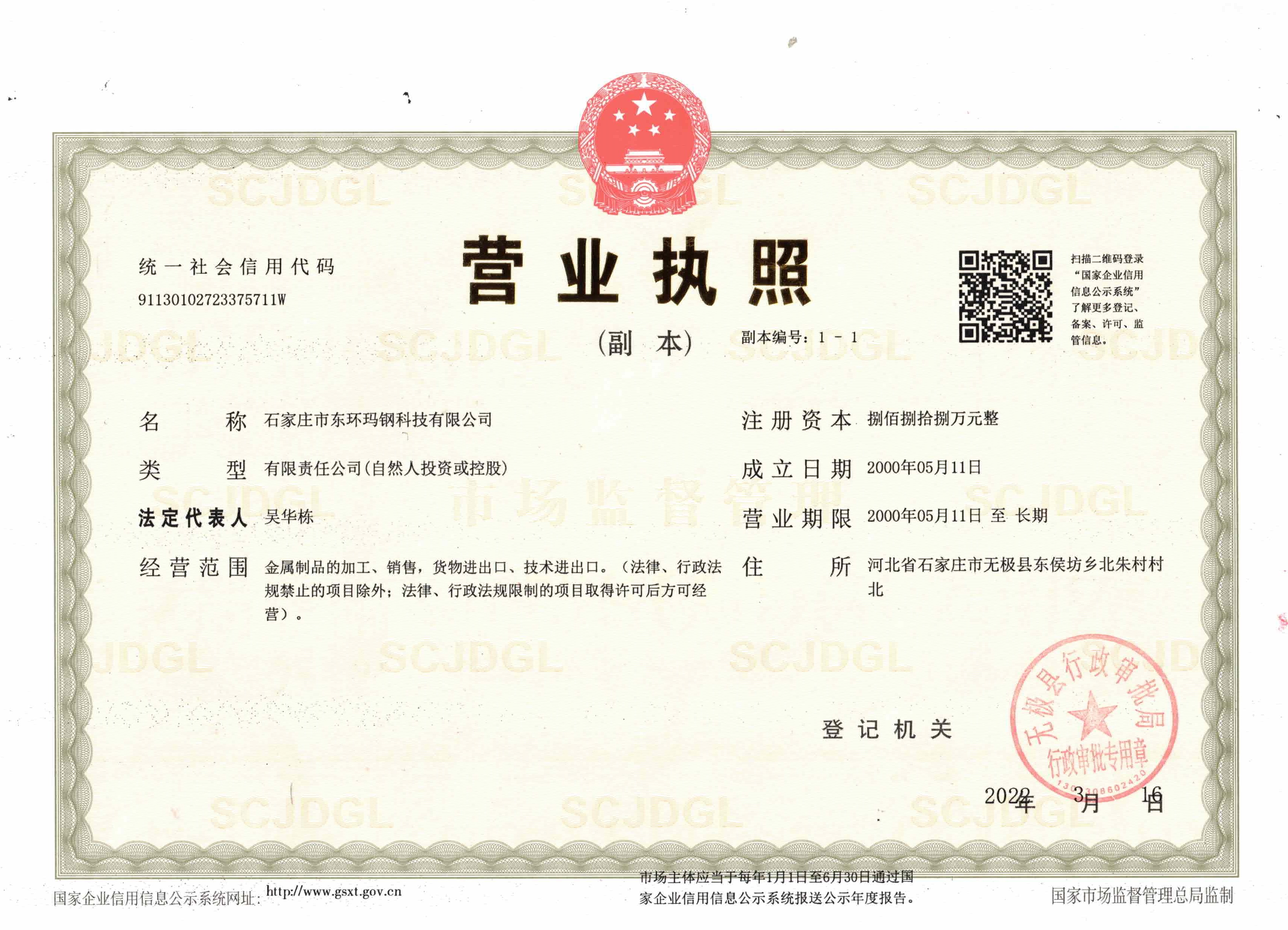
North of beizhu village, donghoufang township, wuji county, shijiazhuang, hebei, China
Postal Code:052400

Mob web

Tiktok