Shijiazhuang Donghuan malleable iron technology co.,ltd




What is a Camlock Hose Coupling and How Does It Work
Release time:
2026-04-30
Author:
A camlock hose coupling quickly joins hoses without tools, using cam arms for a secure, leak-free seal. Ideal for water, fuel, and chemical transfer.

A camlock hose coupling helps you join hoses fast and safely. You do not need any tools to use a camlock hose coupling. The male and female pieces go together and lock with cam arms. This makes a strong seal and stops leaks. Many businesses use a camlock hose coupling for water, chemicals, and fuels. People pick a camlock hose coupling because it is quick and safe. You can trust a camlock hose coupling because it is easy to look after.
Main benefits:
Quick to connect
No tools required
Strong seal
Typical uses:
Moving liquids
Cleaning in factories
Handling fuel
Camlock Hose Coupling Basics

What is a Camlock Hose Coupling
You use a camlock hose coupling to connect two hoses or a hose to a pipe. This device uses a quick-connect system. You do not need tools. The design uses two parts: a male adaptor and a female coupler. The male part fits into the female part. You close the cam arms to lock the connection. This creates a tight seal. The system works well for moving liquids, powders, or gases. You find camlock fittings in many industries because they save time and reduce leaks.
Key Features
Camlock hose couplings offer several important features:
Quick connection and disconnection
No need for extra tools
Secure locking with cam arms
Reliable seal to prevent leaks
Simple operation for anyone
You can use camlock fittings in many situations. They work with hoses, pipes, and tanks. The design helps you change hoses fast. You can trust the seal for water, chemicals, or fuel. The fittings come in different sizes and materials. This means you can choose the right one for your job.
Tip: Always check the size and material of your camlock before use. This helps you avoid leaks and damage.
Common Terms
You will see some common words when you read about camlock fittings. Here is a table to help you understand them:
You will also hear people call these devices camlock fittings or quick-connect fittings. These terms all refer to the same type of connection. You should know these words to help you choose and use the right camlock for your needs.
How Camlock Couplings Work
Connection Mechanism
Camlock couplings use a simple yet effective system to connect hoses and pipes. You do not need tools. The male adaptor fits into the female coupler. You close the cam arms to lock the connection. This process creates a secure and leak-free joint.
Cam Arms and Grooves
The cam arms play a key role in the connection. You lift the arms, insert the male adaptor, and then push the arms down. The arms engage with grooves on the adaptor. This action pulls the two parts together tightly. The grooves guide the arms and help align the connection. You achieve a strong fit every time.
The cam arms provide quick locking.
Grooves ensure proper alignment.
You avoid leaks with a tight seal.
Locking and Sealing
The locking mechanism ensures the connection stays secure. When you push the cam arms down, they press the adaptor against the gasket inside the coupler. The gasket forms a seal. You prevent leaks and keep the flow steady. The system works well for liquids, powders, and gases.
The gasket sits inside the coupler.
Cam arms press the adaptor against the gasket.
You get a reliable seal for many types of media.
The IBC S60x6 Adapter uses durable plastic and precision-cut threads. These features help the flow stay smooth and reduce leak risks. The camlock mechanism allows you to couple hoses quickly and securely.
Step-by-Step Use
You can follow these steps to connect a camlock fitting:
Check both the male adaptor and female coupler for dirt or damage.
Lift the cam arms on the coupler.
Insert the male adaptor into the coupler.
Push the cam arms down until they lock in place.
Inspect the connection to make sure the seal is tight.
You can disconnect the fitting by lifting the cam arms and pulling the adaptor out. This process shows how a cam lock works in practice.
Note: Always check the gasket for wear before connecting. A damaged gasket can cause leaks.
Safety Points
You must follow safety steps when using camlock couplings. These steps help you avoid accidents and keep your system running smoothly.
Inspect all parts before use.
Make sure the cam arms lock fully.
Do not use damaged or worn gaskets.
Avoid forcing the adaptor into the coupler.
Wear gloves and eye protection if you handle hazardous materials.
You can find more safety guidelines at British Standards Institution and Engineering Toolbox.
Tip: If you want to learn how to use a camlock fitting safely, always follow the manufacturer's instructions and industry standards.
Types of Camlock Couplings
Main Types (A, B, C, D, E, F, DC, DP)
You will find several main types of camlock couplings. Each type has a different design and use. The table below shows the most common types, their descriptions, and where you might use them:
You can use these fittings for many jobs. Type A and Type E connect to threaded pipe outlets. Type B and Type F attach to female-threaded pipe ends. Type C and Type D work with hoses. Type DC keeps your fittings clean when not in use.
Threaded vs Hose Shank
You must choose between threaded fittings and hose shank fittings. Each has its own strengths and weaknesses. The table below compares them:
Threaded fittings give you a strong and lasting connection. You need tools and sealants to fit them. They work well for high-pressure jobs. Hose shank fittings let you connect hoses quickly. You do not need tools. You can change hoses fast, but the connection is less permanent.
You will see threaded fittings used in places where you need a strong, fixed link. Hose shank fittings work best when you need to move or swap hoses often.
Choosing the Right Type
You must think about your job before you choose camlock fittings. Ask yourself these questions:
Do you need to connect to a pipe or a hose?
Will you change hoses often or keep the fitting in place?
Do you need a strong, permanent connection or a quick-release option?
What type of fluid or material will flow through the system?
If you want a fast and easy connection, camlock fittings with hose shank ends work well. If you need a secure, long-term link, threaded fittings are better. You can use cam and groove couplings for many tasks, but you must match the fitting type to your needs.
Tip: Always check the size and thread type before you buy. This helps you avoid leaks and makes sure your fittings work together.
You can choose camlock fittings for speed and ease. You can pick threaded fittings for strength and safety. Make sure you select the right type for your system.
Materials and Gaskets
Material Options
You can pick from different materials for camlock hose couplings. Each one has its own strengths and is good for certain jobs. The most common choices are:
Aluminium is light and does not rust easily. It works well for water, fuel, and mild chemicals.
Stainless Steel is strong and resists rust very well. You use it for tough chemicals, food, and high-pressure systems.
Brass lasts a long time and is good for water, oil, and some chemicals. It does not rust and is used in marine places.
Polypropylene is light and stands up to many acids and chemicals. It is used for farm chemicals and jobs with low pressure.
Nylon is tough and bends easily. You use it for some chemicals and jobs where you need something light.
Tip: Always choose the material that matches the fluid and place where you use it. This stops rust and damage.
Gasket Choices
The gasket sits inside the coupler and makes a seal. You must pick the right gasket to stop leaks and keep things safe. Here is a table to help you compare common gasket types:
You should check if the gasket works with your fluid and the heat. Some gaskets are best for oil and fuel. Others are good for acids or high temperatures.
Selecting for Compatibility
You must pick both the coupling material and gasket for your job. Think about these points:
Chemical compatibility: Make sure the parts can handle the fluid you move.
Temperature range: Check if both parts can take the heat in your system.
Industry requirements: Some jobs need special materials for safety or cleanliness.
If you move fuel, you might use aluminium couplings with Buna-N gaskets. For strong chemicals, you may need stainless steel and PTFE. Always look at what your system needs before you choose.
Note: If you use the wrong material or gasket, you can get leaks, damage, or safety problems. Always check technical data or ask an expert if you are not sure.
Applications and Uses

Industry Sectors
Camlock hose couplings are used in many jobs. They help people work faster and stay safe. The table below shows where you use these fittings and why they are important:
You can learn more about hose coupling rules at the British Standards Institution. You can also read about chemical safety at the Health and Safety Executive.
Typical Fluids and Media
Camlock fittings move many kinds of liquids and materials. These fittings are used for:
Water for watering, cleaning, and cooling
Fuels like petrol, diesel, and kerosene
Chemicals such as acids, alkalis, and solvents
Food items like milk, juice, and syrups
Powders and grains in factories
Slurries and dirty water on building or treatment sites
You must always check your fittings and gaskets match the liquid you want to move. This step stops leaks and keeps your system safe.
Tip: Always follow local safety rules when using camlock fittings with dangerous or food liquids.
Why Choose Camlock
People pick camlock hose couplings because they save time and stop mistakes. You do not need tools, so you can join or take off hoses in seconds. This helps you work faster, especially if you change hoses a lot.
Camlock fittings give a strong seal. You lower the chance of leaks, so there is less waste and fewer safety worries. You can use these fittings in many places, like farms and factories. The simple design means you do not need much training.
You also get more choice. Camlock fittings come in many sizes and materials, so you can find the right one for your job. You can trust these fittings for water, chemicals, fuels, and even food.
Note: Camlock fittings help you follow safety and hygiene rules. You can read more about using them at the Engineering Toolbox.
Sizing and Selection
Measuring for Fit
You must measure your hose or pipe before you choose a camlock coupling. Use a ruler or calliper to check the inside diameter (ID) of the hose. For pipes, measure the outside diameter (OD). Most camlock sizes match the hose or pipe size in inches or millimetres. Common sizes include 1", 1.5", 2", and 3". Always check the size marking on your hose or pipe.
Tip: Measure twice to avoid mistakes. A wrong size can cause leaks or damage.
Hose and Pipe Compatibility
You must match the camlock coupling to your hose or pipe type. Check if you have a rigid pipe or a flexible hose. Use a hose shank camlock for flexible hoses. Use a threaded camlock for pipes with threads. Make sure the material of the coupling matches the hose or pipe. For example, use stainless steel with stainless steel pipes.
Check the pressure rating of your hose or pipe. The camlock must handle the same or higher pressure. You can find this information in the product datasheet.
Selection Tips
You should consider these points when you select a camlock coupling:
System pressure: Choose a coupling that matches or exceeds your system’s pressure.
Flow rate: Larger sizes allow more liquid to pass. Pick the right size for your job.
Material compatibility: Match the coupling and gasket to the fluid and temperature.
Application: Use stainless steel for food or chemicals. Use aluminium for water or fuel.
Safety: Inspect all parts before use. Replace worn gaskets or damaged couplings.
Note: Never force a coupling to fit. Always use the correct size and type for your system.
You can ensure a safe and leak-free connection by following these steps. Careful selection helps your system last longer and work better.
Camlock Coupling vs Other Fittings
Comparison with Quick-Connects
You may see many types of hose connections. Quick-connects and camlock fittings both let you join hoses fast. They look similar but work in different ways. Quick-connects often use a push-and-click system. You push the two ends together until they snap. You pull back a collar to release them. Camlock fittings use cam arms that you close by hand. This action locks the connection and presses the seal tight.
You use quick-connects for air tools and garden hoses. You use camlock fittings for larger hoses and tougher jobs.
Pros and Cons
You should know the strengths and limits of each system. This helps you choose the right one for your work.
Pros of Camlock Fittings:
You connect and disconnect hoses quickly.
You do not need tools.
You get a strong seal for many fluids.
You can use them in many industries.
Cons of Camlock Fittings:
You must check the gasket for leaks.
You may find them bulky for small hoses.
You need to match the right type and size.
Pros of Other Fittings:
Quick-connects are light and easy for small jobs.
Threaded fittings give a strong, fixed link.
Some types cost less for simple tasks.
Cons of Other Fittings:
Quick-connects may not seal as well under high pressure.
Threaded fittings take longer to fit and remove.
Extra tools or sealants may be needed.
Tip: Always check your system’s pressure and fluid before you choose a fitting.
When to Use Camlock
You should pick camlock fittings when you need speed and safety. These fittings work best for large hoses, frequent changes, and tough fluids. You see them in factories, farms, and fuel transfer. If you want a strong seal and easy use, camlock is a smart choice. For small hoses or low-pressure jobs, quick-connects or threaded fittings may suit you better.
Note: Always match the fitting to your hose, fluid, and pressure for the best results.
Maintenance and Troubleshooting
Common Issues
You may face several common issues with camlock hose couplings. These problems can affect performance and safety. Here are the most frequent ones:
Leaking connections: You might see drips or sprays at the joint. This often means the seal is not tight.
Damaged gaskets: Gaskets can crack, flatten, or wear out. A faulty gasket will not seal properly.
Stiff or jammed cam arms: Dirt, rust, or bent parts can make the arms hard to move.
Corrosion or rust: Metal parts can corrode if you use the wrong material or do not clean them.
Worn grooves or adaptors: Frequent use can wear down the grooves, making the connection loose.
Contamination: Dirt or debris inside the coupling can block flow or damage the seal.
Tip: You should check for these issues before each use. Early detection helps you avoid bigger problems.
Simple Fixes
You can solve many camlock problems with simple steps. Try these fixes before you replace any parts:
For leaks: Tighten the cam arms fully. Check the gasket for dirt or damage. Clean or replace the gasket if needed.
For stiff cam arms: Clean the arms and grooves with a brush. Apply a small amount of food-safe lubricant if allowed.
For damaged gaskets: Remove the old gasket and fit a new one of the correct type and size.
For corrosion: Clean the affected area with a wire brush. Replace badly corroded parts.
For worn grooves: Inspect the adaptor and coupler. Replace them if you see deep wear or cracks.
For contamination: Rinse the coupling with clean water. Dry all parts before reassembly.
Note: Always use the correct replacement parts. The wrong gasket or adaptor can cause leaks or failures.
Maintenance Tips
You can keep your camlock couplings in good condition with regular care. Follow these maintenance tips:
Inspect all parts before and after each use.
Clean the couplings with water and a soft brush. Remove all dirt and residue.
Store couplings in a dry, clean place. Use dust caps and plugs to keep out debris.
Replace gaskets at the first sign of wear or damage.
Check for rust or corrosion, especially if you use the fittings outdoors or with chemicals.
Lubricate cam arms lightly if they feel stiff, but avoid oil near food or chemical lines.
Keep a record of maintenance and part replacements.
Reminder: Good maintenance keeps your system safe and reliable. You save time and money by preventing breakdowns.
Safety Checks
You need to do safety checks before and after using your camlock hose couplings. These checks stop leaks, spills, and accidents. You keep yourself, your tools, and your workplace safe by following a simple routine.
Main safety checks are:
Inspect all parts: Look at the coupler, adaptor, cam arms, and gasket. Check for cracks, dents, or worn spots. Change any broken parts right away.
Check the gasket: Make sure the gasket sits flat inside the coupler. Look for splits, squashed bits, or chemical marks. A bad gasket will not seal and can make leaks.
Test cam arm movement: Move the cam arms up and down. They should move easily and lock tightly. If they stick or feel loose, clean or change them.
Confirm a secure lock: After you join the fitting, pull gently on the hose and the arms. The connection should not move or come apart. If it does, take it off and check for problems.
Look for contamination: Dirt, sand, or bits can harm the seal. Wipe all surfaces clean before you join the coupling.
Check for corrosion: Look at metal parts for rust or small holes. Rust makes the fitting weak and can cause it to break.
Review pressure rating: Make sure the camlock coupling matches your system’s pressure. Never use a fitting with a lower rating than your hose or pipe.
Wear protective gear: Use gloves and eye protection, especially when you handle chemicals or hot liquids.
Tip: Always follow your workplace safety rules. If you work with dangerous materials, check for extra steps in your safety guide.
Routine safety checklist:
You should write down your safety checks. Note any problems and repairs. This helps you spot patterns and stop future failures.
If you find a problem, stop using the coupling. Fix or change the broken part before you use it again. Never ignore a safety problem, even if it looks small.
Note: Regular safety checks keep your system working well and protect everyone at work. Make these checks part of your daily routine.
You get lots of good things from using camlock hose couplings. These fittings let you join hoses fast and without tools. They also make a strong seal that stops leaks. Many jobs use them because they are safe and easy. The table below shows why different jobs like camlock couplings:
You must always check the type, material, and size before use. Keep up with maintenance to stop problems. For more help, look at technical guides or industry rules.
FAQ
What is the main advantage of a camlock hose coupling?
You can join or take apart hoses very fast. You do not need any tools. This saves you time and helps stop leaks. The design gives a strong seal for many fluids.
How do you know which size to choose?
First, measure the inside diameter of your hose. Or, measure the outside diameter of your pipe. Match this number to the camlock size. Always check the size marking before you buy.
Can you use a camlock coupling for drinking water?
Yes, you can use stainless steel or food-grade polypropylene camlocks. Make sure you use the right gasket. Always check that the material and gasket are safe for food.
How often should you check the gasket?
Look at the gasket before every use. Check for cracks, flat spots, or chemical marks. Change the gasket if you see any damage. This stops leaks.
Are camlock fittings safe for high-pressure systems?
Camlock fittings are best for low or medium pressure. Always check the pressure rating before you use them. For high pressure, use special fittings made for that job.
What should you do if the cam arms feel stiff?
Clean the cam arms and grooves well. Take away any dirt or bits. Use a little approved lubricant if you need to. Change any broken parts to keep it safe.
Can you connect different materials together?
You can join different materials, but check for chemical problems. Some mixes can cause rust or leaks. Use a compatibility chart if you are not sure.
How do you store camlock couplings when not in use?
Keep couplings in a dry, clean place. Use dust caps and plugs to stop dirt getting in. Check and clean them before you use them again.
Keywords:
camlock hose coupling
Recommended Reading
Leave your problems to us
If you need a solution, you can write your question and contact information in the message form, we will contact you as soon as possible after receiving it.
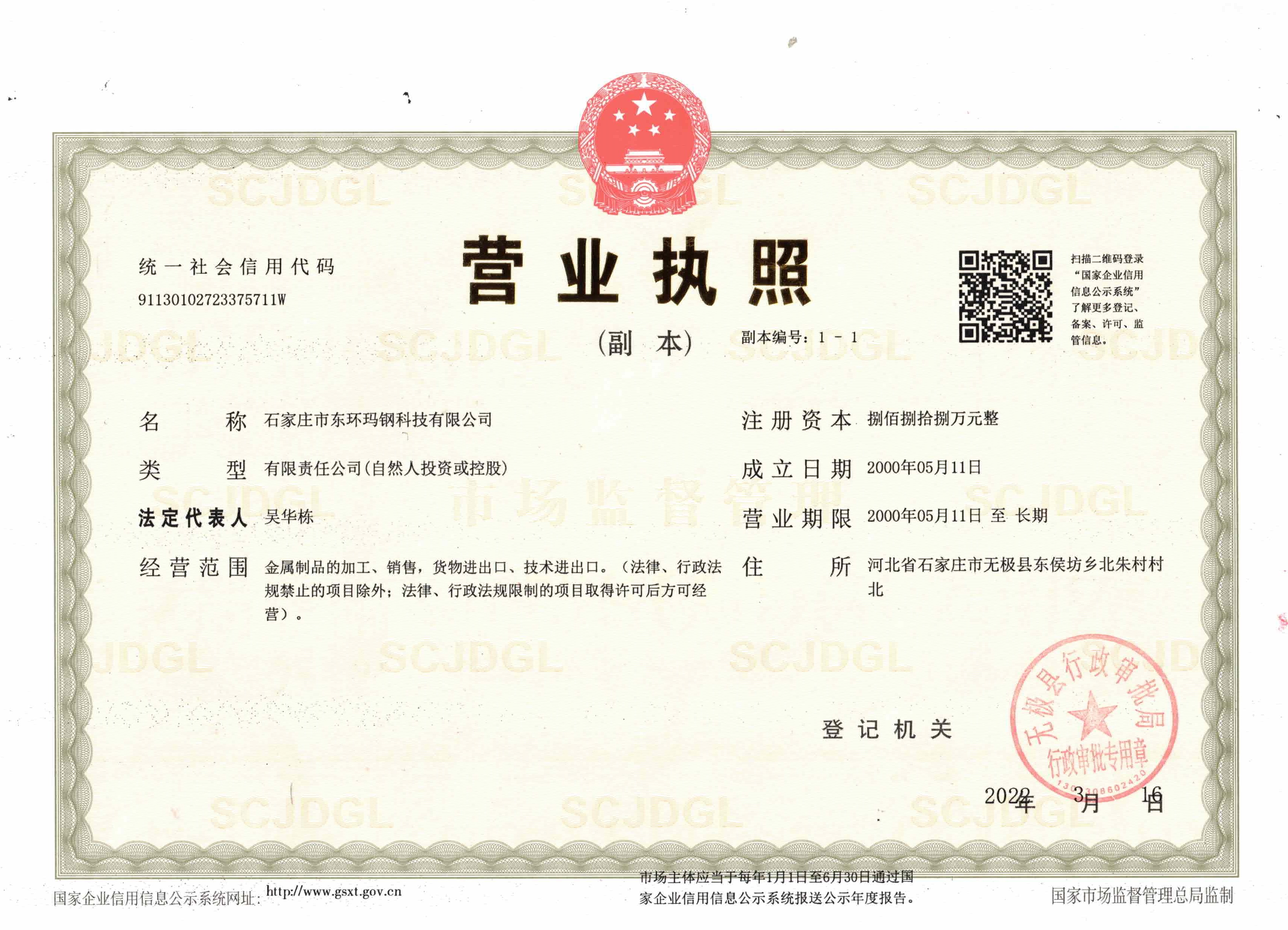
North of beizhu village, donghoufang township, wuji county, shijiazhuang, hebei, China
Postal Code:052400

Mob web

Tiktok