Shijiazhuang Donghuan malleable iron technology co.,ltd




Beam Clamp Materials Compared Pros and Cons You Need
Release time:
2026-04-28
Author:
Compare beam clamp materials—steel, stainless, aluminum, brass, iron, and plastic—to find the best fit for your project's strength, safety, and cost needs.

You should look at beam clamp materials to pick the best one for your job.
Every material has special benefits for putting it in, keeping safe, and saving money.
You need to follow safety rules when you install to stay safe.
Adjustable beam clamp and fixed beam clamp choices change how strong and flexible things are.
Girder clamp and plastic options work well in different places.
Safety rules help keep workers and equipment safe.
How you install depends on the material and what you use it for.
Beam Clamp Material Types

Steel
Steel clamps give you a strong and reliable option for most construction jobs. You see these clamps in commercial buildings, bridges, and factories. Steel handles heavy loads and works well in places where you need high strength.
You can use steel clamps for both temporary and permanent setups.
These clamps resist bending and breaking under pressure.
You find steel clamps in many sizes and shapes, making them a flexible choice for different projects.
Steel clamps cost less than some other types of clamps, so you can save money on large jobs.
You need to watch out for rust if you use steel clamps outdoors or in wet areas.
Stainless Steel
Stainless steel clamps work best when you need protection from rust and chemicals. You often use these clamps in food plants, water treatment centers, and outdoor projects.
Stainless steel clamps last a long time, even in harsh weather or wet places.
You can clean these clamps easily, which helps keep your work area safe and tidy.
These clamps look good and do not stain, so you can use them where appearance matters.
Stainless steel clamps cost more than regular steel, but you get better durability and less maintenance.
You should choose stainless steel if you want clamps that stay strong and clean over time.
Galvanized Steel
Galvanized steel clamps give you a mix of strength and rust protection. You see these clamps in outdoor construction, electrical work, and plumbing.
These clamps have a zinc coating that keeps out moisture and stops rust.
You can use galvanized steel clamps in damp or humid places without worrying about quick damage.
These clamps hold up well under heavy loads, so you can trust them for tough jobs.
Galvanized steel clamps cost less than stainless steel but more than plain steel.
You should check the coating for scratches, as damage can let rust start.
Tip: When you pick from these types of clamps, think about where you will use them and what kind of stress they will face. Each material has its own strengths for different jobs.
Aluminum
You can pick aluminum beam clamps if you want something light and that does not rust. These clamps are good when you do not want to make the building heavier. People use them a lot in electrical work, HVAC, and for short-term building jobs.
Lightweight: Aluminum clamps are much lighter than steel or iron. You can carry and put them in place easily.
Corrosion Resistance: Aluminum does not rust, so you can use it outside or in wet places.
Zero Drilling: You do not need to make holes. The clamp holds onto the beam by itself, so the beam stays strong.
Rapid Deployment: You can put aluminum clamps on fast. This helps you finish your work sooner.
Safety: These clamps follow safety rules. You can use them to help keep people safe.
Tip: Pick aluminum clamps if you want to work fast and not hurt the beam.
Brass
Brass beam clamps are strong and do not rust easily. People use them in plumbing, on boats, and for electrical jobs. Brass does not make sparks, so it is safe where fire could be a problem.
Non-Sparking: Brass will not make sparks. You can use it where things might catch fire.
Corrosion Resistance: Brass does not get ruined by water or many chemicals. You can use it in wet places or near the sea.
Electrical Conductivity: Brass lets electricity move through it well. People use it for grounding and bonding wires.
Aesthetic Appeal: Brass looks shiny and gold. You can use it where you want things to look nice.
Note: Brass clamps cost more than steel or aluminum. Use them when you need their special features.
Malleable Iron
You can trust malleable iron beam clamps because they are strong and can bend a little without breaking. These clamps are good for big building jobs and tough work. Malleable iron is tough and can take a hit without snapping.
High Strength: Malleable iron can hold heavy things. You can use it to support buildings.
Ductility: This material bends a bit when pushed hard. This makes it safer for hard jobs.
Durability: Malleable iron lasts a long time, even when used a lot.
Versatility: You can use these clamps for welding, woodwork, and building.
Brand Example: Some brands use special malleable iron and coatings to stop rust and make them last longer.
Tip: Use malleable iron clamps when you need something strong and tough for hard jobs.
Plastic
You can pick plastic beam clamps when you need something light and safe from electricity. These clamps are good for jobs that do not need to hold much weight. People use plastic clamps in electrical work, small HVAC jobs, and setups that do not last long.
Key Features of Plastic Beam Clamps:
Lightweight: Plastic clamps are easy to carry and put in place. They make the job less tiring.
Non-Conductive: Plastic does not let electricity pass through. You use these clamps to stop shocks in electrical work.
Corrosion Resistance: Plastic does not get ruined by water or chemicals. You can use them where things get wet or dirty.
Flexibility: Plastic clamps can bend a little without breaking. This helps them last longer.
Quick Installation: You can snap or slide plastic clamps on fast. This saves you time when working.
Cost-Effective: Plastic clamps are cheaper than metal ones. You can use them for short jobs or when you want to save money.
Tip: Pick plastic clamps if you want something quick, safe, and cheap for light jobs.
Common Applications:
Holding up electrical pipes
Keeping cables neat for a short time
Mounting small HVAC ducts
Putting up shelves that do not hold much weight
Using inside where it might be wet
Comparison Table: Plastic vs. Metal Beam Clamps
| Feature | Plastic Beam Clamp | Metal Beam Clamp |
|---|---|---|
| Weight | Very light | Heavy to moderate |
| Load Capacity | Low | Medium to high |
| Corrosion Resistance | Excellent | Varies by material |
| Electrical Conductivity | None | Conductive (except brass) |
| Installation Speed | Fast | Moderate |
| Cost | Low | Medium to high |
| Reusability | Limited | High |
Advantages:
Plastic clamps help you stay safe from electric shocks.
They do not rust or get hurt by chemicals.
You can finish your work faster and pay less for labor.
You spend less money on materials for short-term jobs.
Limitations:
Plastic clamps cannot hold heavy things.
They can change shape if they get too hot.
You should not use them outside for a long time because the sun can make them weak.
Note: Always check how much weight the clamp can hold and if it fits your job. This helps you stay safe and makes sure the clamp works well.
Summary:
Plastic beam clamps are a smart choice for light jobs where you do not want rust or shocks. They are easy to use and do not cost much. But you need to know what they cannot do before you start your project.
Pros and Cons by Material
Steel
Strengths
Steel clamps can hold heavy things. They help keep your project safe.
You can move steel clamps to different spots. This lets you add strength where you need it.
Steel clamps are strong and steady. They stay in place when lifting or holding.
The material is tough. You can use steel clamps for a long time.
Certified steel clamps follow safety rules. You can feel safe using them.
The shackle eye keeps the load steady. Your things stay secure.
Steel clamps work for short or long jobs. You can use them again for new projects.
Steel clamps come in many sizes. You can pick the right one for your job.
| Feature | Steel Beam Clamp Benefit |
|---|---|
| Load capacity | 1t to 10t+ working load limit |
| Material quality | Robust and durable |
| Safety certifications | Meets industry standards |
| Stability | Locking clamps stay immobile |
| Reusability | Suitable for multiple uses |
Weaknesses
Steel clamps can get rusty outside or in wet places. You need to check them often for rust.
Steel clamps are heavy. You might need help to put big ones in place.
Steel clamps let electricity pass through. You must be careful when working with wires.
You need to take care of steel clamps to keep them strong.
Steel clamps cost less than stainless steel but more than plastic. You need to think about price and how well they work.
Stainless Steel
Strengths
Stainless steel clamps do not rust easily. You can use them in wet or salty places.
These clamps are strong and last a long time. You do not need to fix them much.
Stainless steel clamps follow strict safety rules. You can use them in food plants and water jobs.
Stainless steel clamps look nice. You can use them where looks matter.
These clamps can hold heavy things safely.
You can clean stainless steel clamps easily. This helps keep your work area safe.
Stainless steel clamps work well in tough places.
Weaknesses
Stainless steel clamps cost more than steel or galvanized clamps. You need to plan your spending.
Stainless steel clamps are heavy. You may need tools to put them in place.
Stainless steel clamps let electricity pass through. You must be careful with wires.
There are not as many sizes as steel clamps. You need to check the size before you buy.
Galvanized Steel
Strengths
Galvanized steel clamps do not rust fast. The zinc coating keeps them safe in wet places.
These clamps can hold heavy things.
Galvanized steel clamps are safe to use outside and for plumbing.
Galvanized steel clamps cost less than stainless steel. You save money and still get good clamps.
You can use galvanized clamps for short or long jobs. They are flexible.
Weaknesses
The zinc coating can get scratched. You need to check for damage to keep them safe.
Galvanized steel clamps are heavy. You might need help to put them in place.
Galvanized steel clamps let electricity pass through. You must be careful with wires.
Galvanized clamps may not last as long as stainless steel in tough chemical places.
You need to check the size and strength before each use.
Aluminum
Strengths
Aluminum beam clamps are light. You can lift them easily.
They weigh less than steel or iron.
Aluminum does not rust. You can use it outside or in wet places.
You do not need to drill holes. The clamp holds tight.
This keeps the beam strong and safe.
You can install aluminum clamps quickly.
This helps you finish jobs faster.
Aluminum does not make sparks.
You can use it where fire is a risk.
Aluminum clamps do not conduct much electricity.
This makes them safer for electrical work.
You can move and adjust aluminum clamps easily.
They work for many different projects.
Aluminum clamps are good for HVAC and temporary setups.
They keep weight low for safety.
Aluminum clamps are strong enough for light to medium loads.
This helps you follow safety rules.
You can use them where corrosion is a problem.
This keeps workers and equipment safe.
Weaknesses
Aluminum clamps are not good for heavy jobs.
They are not as strong as steel or iron.
This can affect safety.
If you put too much weight, they can bend.
This can cause safety problems.
You must check the load rating before using them.
Using the wrong clamp can make it fail.
This is not safe.
Aluminum clamps do not absorb shocks well.
They do not work well in high-power drives.
Above 25 Nm, they get too stiff or too long.
They do not handle impacts as well as jaw couplings.
You should not use them where there is lots of impact or vibration.
This can make them unsafe.
Aluminum clamps can cost more than basic steel.
Special coatings make them even more expensive.
You should not use them in hot places.
Heat can make them weak and unsafe.
Aluminum clamps may not last as long as steel or iron.
After heavy use, they are less reusable.
This can affect safety over time.
You need to check aluminum clamps often.
Make sure they are safe to use.
Always follow the safety rules from the maker.
Brass
Strengths
Brass beam clamps are safe where sparks are a risk.
Brass does not rust easily.
You can use them in wet or salty places.
Brass clamps conduct electricity well.
They are good for grounding and bonding wires.
Brass clamps look nice.
You can use them where appearance matters.
Brass clamps last a long time.
You do not need to replace them often.
Brass clamps are good for marine and plumbing jobs.
They resist corrosion well.
Brass clamps work well in tough places.
They stay strong and safe.
Brass clamps resist many chemicals.
You can use them in chemical plants.
Brass clamps are good for both permanent and temporary setups.
This gives you flexibility and safety.
Brass clamps keep their shape and strength over time.
This helps you follow safety rules.
Weaknesses
Brass clamps cost more than steel or aluminum.
This can affect your budget for safety gear.
Brass clamps are not good for very heavy loads.
They are not as strong as steel or malleable iron.
This can affect safety.
There are fewer sizes for brass clamps.
This can limit your choices for important jobs.
Brass can cause galvanic corrosion with other metals.
You need to check if they work together safely.
Brass clamps can wear down faster in rough places.
This can make them less safe.
You should not use brass clamps in hot places.
Heat can make them weak and unsafe.
You need to check brass clamps often in tough conditions.
This helps keep them safe.
Brass clamps are not good for maximum load jobs.
This can cause safety problems.
Brass clamps are heavier than aluminum.
This can make them harder to install and affect safety.
Always follow safety rules when using brass clamps.
Malleable Iron
Strengths
Malleable iron beam clamps are very strong.
They help you follow safety rules in big jobs.
Malleable iron bends a little under stress.
It does not break easily.
This makes it safer.
You can use malleable iron clamps for welding, carpentry, and building.
They are flexible and safe.
Malleable iron lasts a long time.
Even with lots of use, it stays strong.
You can use these clamps for temporary or permanent setups.
This helps you meet different safety needs.
Malleable iron clamps handle shock and vibration well.
This makes them safe in busy places.
You can use them in construction and factories.
Safety is very important there.
Malleable iron clamps resist wear and tear.
They keep your setup safe for a long time.
You can use them with many rod sizes and beam types.
This adds safety and flexibility.
Some malleable iron clamps have special coatings.
These stop rust and help them last longer.
Weaknesses
Malleable iron is heavier than aluminum or plastic.
This can make installation harder and affect safety.
You should not use malleable iron clamps in places with lots of corrosion.
Unless they have coatings, rust can be a problem.
Malleable iron is less flexible than aluminum.
This can limit its use in some jobs.
You need to check for cracks or damage before using them.
This helps keep things safe.
Clamps with special coatings cost more.
This can raise your safety budget.
You should not use malleable iron clamps for electrical work.
They conduct electricity and can be unsafe.
You may need extra tools to install them.
This can slow down work and affect safety.
Do not use malleable iron clamps where weight matters.
This can cause safety problems.
Always follow safety instructions for installation and use.
This helps prevent accidents.
Malleable iron clamps are not as easy to adjust as aluminum.
This can limit flexibility and safety.
Plastic
Strengths
Lightweight: Plastic beam clamps are easy to carry. They help you not get tired when you install them.
Non-Conductive: Plastic does not let electricity pass through. You stay safe near wires and electrical things.
Corrosion Resistance: Plastic keeps out water and chemicals. It does not rust or get ruined in wet places.
Quick Installation: You can snap or slide plastic clamps on fast. This saves you time and money.
Flexibility: Plastic bends a little when pushed. It lasts longer and does not crack easily.
Cost-Effective: Plastic clamps cost less than metal ones. You can use them for short jobs or if you need to save money.
No Sparking: Plastic does not make sparks. You can use it where fire could be a problem.
Easy Handling: You do not need special tools for most plastic clamps. This makes putting them in place simple.
| Feature | Plastic Beam Clamp Benefit |
|---|---|
| Weight | Very light |
| Electrical Safety | Non-conductive |
| Corrosion Resistance | Excellent |
| Installation Speed | Fast |
| Flexibility | Good |
| Cost | Low |
| Reusability | Limited |
Tip: Pick plastic clamps for light jobs, electrical work, or when you want to install things quickly and safely.
Weaknesses
Low Load Capacity: Plastic clamps cannot hold heavy things. You must check how much weight they can handle before using them.
Heat Sensitivity: Plastic gets weak when it is hot. You should not use them in places with high heat.
UV Degradation: Sunlight can make plastic break over time. You should not use them outside for a long time.
Limited Reusability: Plastic clamps may not last after many uses. You need to look at them before using again.
Less Impact Resistance: Plastic does not take hits well. You should not use them where things move or shake a lot.
Size Restrictions: Plastic clamps come in fewer sizes than metal ones. You might not find the right size for every job.
Not Suitable for Permanent Structures: You should not use plastic clamps for jobs that last a long time or need to be very strong.
Note: Always check what the maker says about weight, heat, and where to use them. This helps you stay safe and makes sure plastic clamps work for your project.
Beam Clamp Material Comparison
Comparison Table
This table helps you see how different clamp materials work. It shows how strong, heavy, or costly each type is. You can use it to pick the best clamp for your job.
| Material | Strength | Corrosion Resistance | Weight | Cost | Application Suitability |
|---|---|---|---|---|---|
| Steel | Very High | Low | Heavy | Low | Heavy-duty, indoor |
| Stainless Steel | High | Very High | Heavy | High | Food, marine, outdoor |
| Galvanized Steel | High | Moderate | Heavy | Medium | Outdoor, plumbing |
| Aluminum | Medium | High | Light | Medium-High | Electrical, HVAC, temp setups |
| Brass | Medium | High | Medium | High | Marine, electrical, plumbing |
| Malleable Iron | High | Moderate | Heavy | Medium | Construction, welding |
| Plastic | Low | Very High | Very Light | Low | Light-duty, electrical, temp |
You can learn more about these materials at Engineering Toolbox and Corrosion Doctors.
Key Performance Factors
Strength
Steel clamps are the strongest. They hold heavy things.
Stainless steel and malleable iron are also good for tough jobs.
Aluminum and brass are okay for medium weights.
Plastic clamps are only for light things.
Corrosion Resistance
Stainless steel and plastic do not rust easily.
Galvanized steel and brass also fight off water damage.
Aluminum does not rust, so it works outside.
For places with lots of chemicals or salt, FRP/GRP and PTFE-lined supports are best.
Weight
Plastic and aluminum clamps are light and easy to move.
Steel, stainless steel, galvanized steel, and malleable iron are heavy but last longer.
Brass is not too heavy or too light.
Cost
Steel and plastic clamps are the cheapest.
Galvanized steel and malleable iron cost a bit more.
Stainless steel and brass are expensive but last longer in hard places.
Think about how long the clamp will last, not just the price.
| Clamp Type | Material | Price Range |
|---|---|---|
| Industrial Door Clamp | Stainless Steel | $0.10-$0.16 |
| Double Rail Clamp | Stainless Steel | $2.90-$3.50 |
| Column Clamp | Galvanized Steel | $2.81-$4.31 |
Application Suitability
Use steel or malleable iron for big building jobs.
Pick stainless steel or brass for wet or chemical places.
Choose aluminum or plastic for light jobs or quick installs.
FRP/GRP and PTFE-lined supports are best for very harsh places.
Always pick the right clamp material for your job. This keeps your project safe and saves money.
Choosing the Right Beam Clamp

Application Needs
You must match the right clamps to your project. Think about what you need to hold, how much weight you expect, and how often you will use the clamps.
Heavy-duty jobs require strong clamps. Use steel or malleable iron for large loads.
Light-duty tasks need lighter clamps. Choose aluminum or plastic for cables or small pipes.
Temporary setups work best with clamps that install quickly and remove easily.
Permanent structures demand durable clamps that resist wear and keep your setup safe.
If you need vertical adjustment, pick clamps with flexible jaws.
For welding or carpentry, select clamps that handle heat and vibration.
Always check the load rating. This keeps your project safe and prevents accidents.
Tip: Write down your project needs before you buy clamps. This helps you avoid mistakes and keeps your setup safe.
Environmental Factors
You must consider where you will use the clamps. Different environments affect how clamps perform and how long they last.
Wet or humid places require clamps that resist corrosion. Stainless steel, galvanized steel, or plastic work well.
Outdoor jobs need clamps that handle rain, sun, and temperature changes.
Chemical plants demand clamps that resist harsh chemicals. Brass or stainless steel are good choices.
Electrical work needs clamps that do not conduct electricity. Plastic clamps keep you safe from shocks.
Marine environments require clamps that resist saltwater. Brass and stainless steel are best.
High-heat areas need clamps that stay strong under temperature stress. Avoid plastic in hot places.
Dusty or dirty sites call for clamps that clean easily and keep your setup safe.
Note: Always check the environment before you install clamps. This protects your equipment and keeps workers safe.
Budget Considerations
You must balance cost with safety and performance.
Steel and plastic clamps cost less. Use them for simple jobs or when you need many clamps.
Stainless steel and brass cost more but last longer in tough environments.
Galvanized steel and malleable iron offer a middle ground.
Do not pick clamps based only on price. Cheap clamps may fail and cause safety problems.
Calculate the total cost, including maintenance and replacement.
If you need special coatings or features, expect higher prices.
Always invest in clamps that meet safety standards.
Buying the right clamps saves money over time and keeps your project safe.
Tip: Plan your budget for clamps early. This helps you avoid overspending and keeps your project safe.
Common Mistakes
You can make mistakes when picking a beam clamp. These mistakes can hurt safety, how well things work, and cost. It is important to know about these mistakes so you can avoid them.
Ignoring Load Ratings
Always check the clamp’s load rating. If you use a clamp that cannot hold the weight, it might break. This can cause injuries. Match the clamp to the weight you need to support.
Overlooking Environmental Conditions
Think about where you will use the clamp. If you pick a clamp that rusts in wet or salty places, it will not last long. Choose clamps that resist rust for your environment.
Choosing the Wrong Material
Do not pick a clamp just because it looks good or is cheap. If you ignore what the material can do, the clamp may not last. Make sure the material fits your job.
Using Clamps for the Wrong Application
Do not use light-duty clamps for heavy loads or permanent jobs. If you do, things can fall or break. Pick clamps made for your job.
Skipping Compatibility Checks
Check if the clamp fits your beam size and shape. If you force a clamp onto the wrong beam, you can break the clamp or the beam. Always measure before you install.
Neglecting Electrical Safety
If you work near wires, use non-conductive clamps. Metal clamps can cause shocks or fires in electrical jobs. Pick plastic or coated clamps for electrical safety.
Ignoring Maintenance Needs
Look at your clamps often. If you skip checking them, you might miss rust or cracks. This can make clamps fail suddenly. Set a schedule to check all clamps.
Not Following Manufacturer Instructions
Read and follow the instructions for installing and using clamps. If you do not, you might put clamps in wrong. This makes things less safe and less strong.
Mixing Metals Without Checking for Corrosion
Using clamps made from different metals can cause corrosion. This makes the clamp and beam weaker. Always check if metals work well together.
Relying on Price Alone
Do not pick the cheapest clamp just to save money. Cheap clamps may not be safe. Balance cost with quality and safety.
Tip: If you are not sure which clamp to pick, ask a professional. This helps you avoid mistakes and keeps your project safe.
| Mistake | Impact | How to Avoid |
|---|---|---|
| Ignoring load rating | Clamp breaks, injury | Check specs before buying |
| Wrong material | Rust, bad performance | Match material to job |
| Skipping compatibility | Damage, unsafe setup | Measure beam and clamp |
| Neglecting maintenance | Clamp fails suddenly | Inspect clamps regularly |
| Not following instructions | Unsafe installation | Read manual, follow steps |
You can avoid mistakes by planning ahead and checking everything. Stay alert when you install clamps. This keeps your project safe and saves money over time.
Clamps can be made from steel, stainless steel, galvanized steel, aluminum, brass, malleable iron, or plastic. Each material has its own good and bad points.
Steel and malleable iron clamps are strong. They can hold heavy things. Stainless steel and brass do not rust easily. They work well in tough places. Aluminum and plastic clamps are light. You can put them in quickly.
You need to pick the right clamp for your job. This helps keep things safe and working well. Think about where you will use the clamp, how much weight it must hold, and how much money you can spend.
If you are not sure what to pick, ask someone who knows. Look at the comparison table and advice to help you decide fast.
For more help, click to get a consultation or send a question to Donghuan malleable iron technology.
FAQ
What is the strongest material for beam clamps?
Steel gives you the highest strength for heavy loads. You can use steel clamps for big construction projects and permanent setups.
Which beam clamp material resists corrosion best?
Stainless steel and plastic resist corrosion very well. You can use them in wet, salty, or chemical environments.
Can you reuse beam clamps?
You can reuse metal beam clamps if you inspect them for damage. Plastic clamps usually work best for single-use or short-term jobs.
Are plastic beam clamps safe for electrical work?
Plastic clamps do not conduct electricity. You can use them safely for electrical jobs and cable management.
How do you choose the right beam clamp size?
Measure your beam’s width and thickness. Check the clamp’s load rating and jaw opening. Pick a clamp that fits your beam and supports your load.
Do aluminum beam clamps rust?
Aluminum does not rust. You can use aluminum clamps outdoors or in damp places without worrying about corrosion.
What mistakes should you avoid when selecting beam clamps?
Ignore load ratings
Use the wrong material for your environment
Skip regular inspections
Forget to check compatibility with your beam
Tip: Always read the manufacturer’s instructions before installation.
Keywords:
beam clamp
Recommended Reading
Leave your problems to us
If you need a solution, you can write your question and contact information in the message form, we will contact you as soon as possible after receiving it.
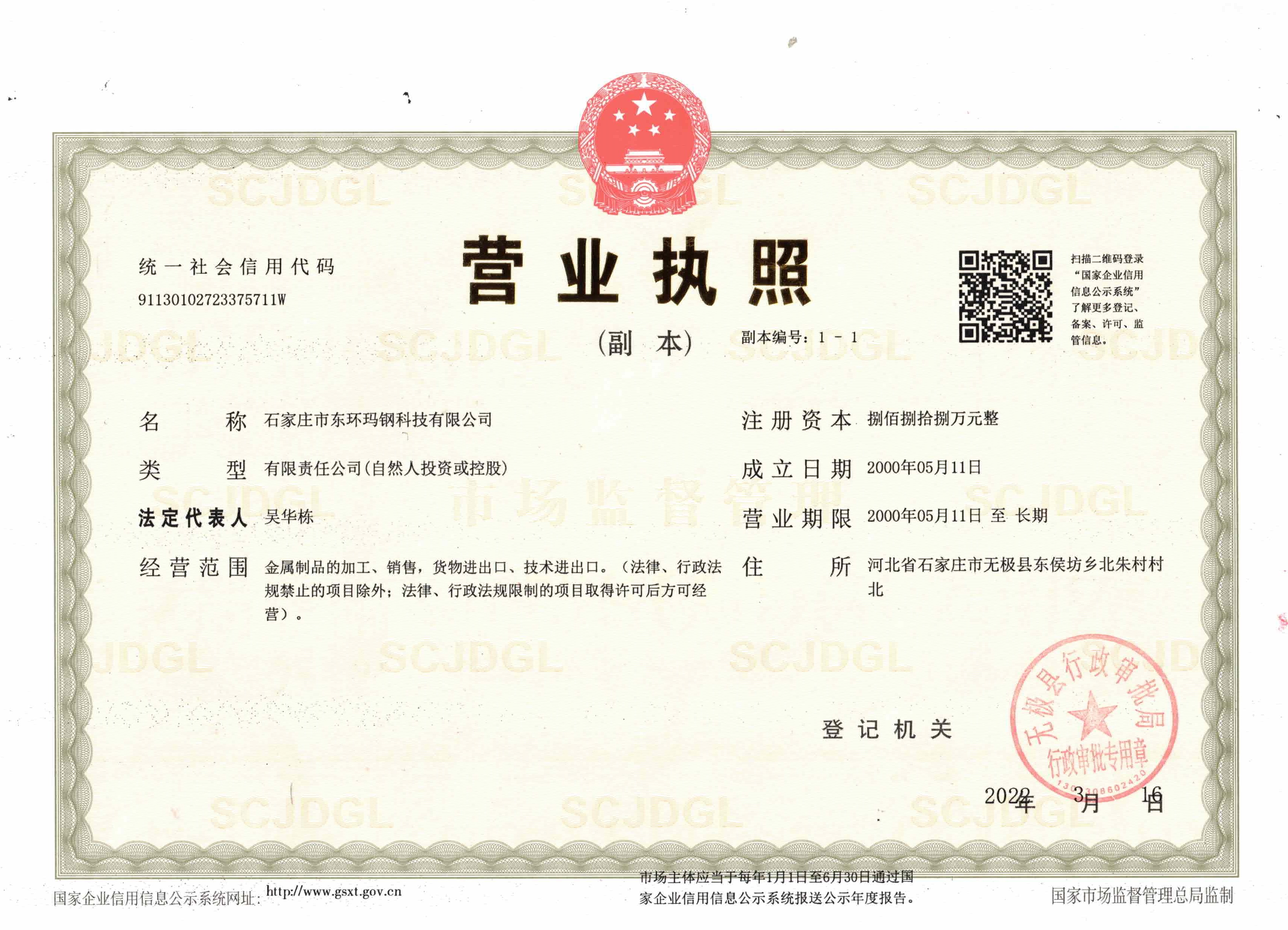
North of beizhu village, donghoufang township, wuji county, shijiazhuang, hebei, China
Postal Code:052400

Mob web

Tiktok