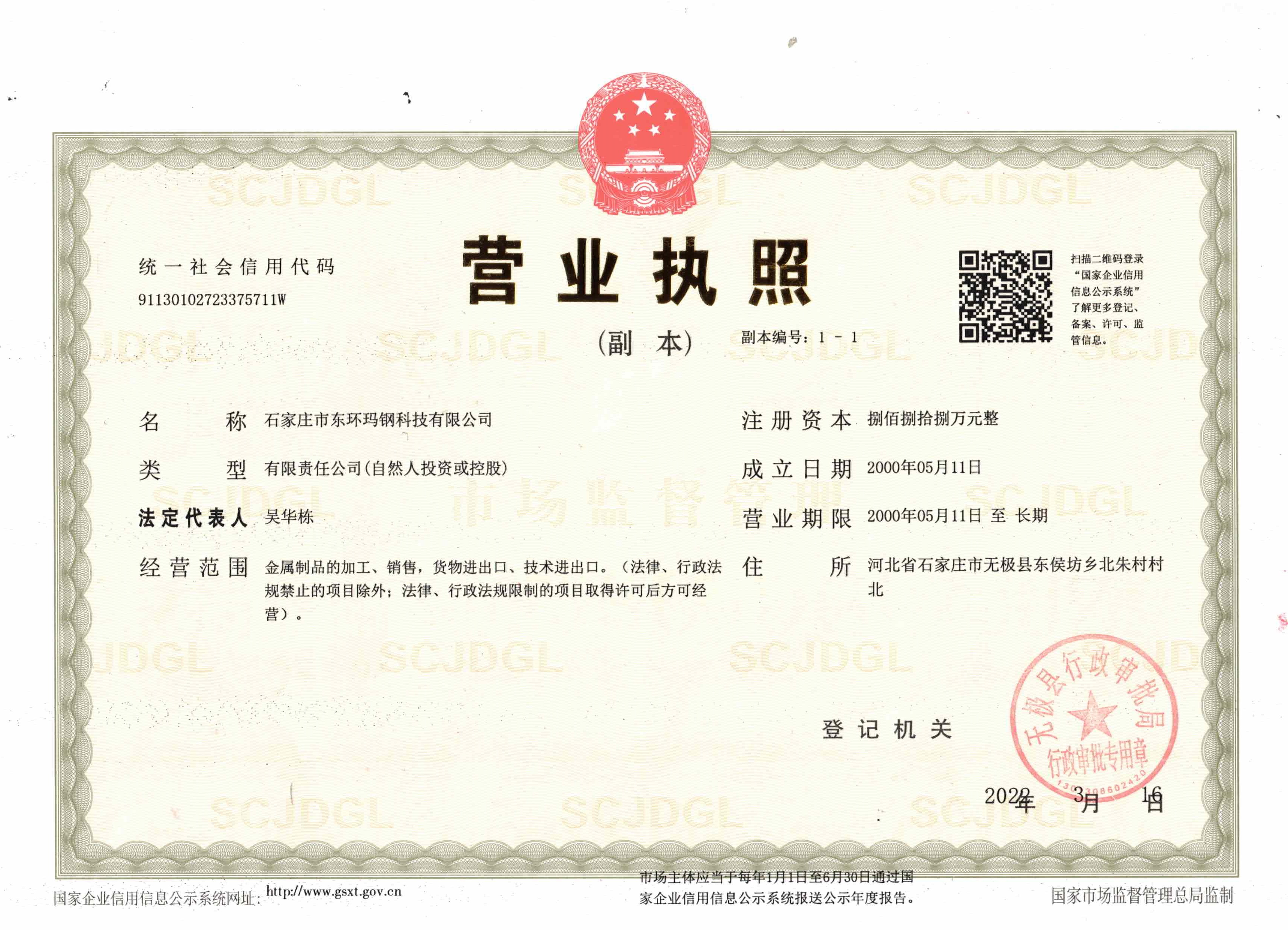
Shijiazhuang Donghuan malleable iron technology co.,ltd




Simple Steps to Find the Right Stainless Steel Quick Connect Water Fittings
Release time:
2026-04-24
Author:
Choose stainless steel quick connect water fittings by matching size, grade, and connection type for leak-free, durable performance in any system.

You want to choose the right quick connect fittings without stress. This guide helps you find stainless steel quick connect water fittings that last. Many people trust stainless steel because it resists rust and handles tough conditions. Here’s why you might pick them:
Stainless steel compression fittings outlast brass ones.
They stay strong in wet or chemically harsh places where others fail.
If you want a leak-proof and reliable setup, these steps will get you there.
What Are Stainless Steel Quick Connect Water Fittings?

Quick Connect Fittings Overview
You want to make plumbing tasks faster and easier. Quick connect fittings let you join pipes or hoses without tools or complicated steps. You push the fitting onto the pipe, and it locks in place. This design saves time and reduces leaks. You can use these fittings for repairs, upgrades, or new installations.
Many quick connect fittings use different materials. Here’s a quick look at the most common ones:
Brass: Stays strong and resists corrosion. Works well outdoors and lasts over ten years in wet places.
Plastic: Feels light and costs less. May not last as long or handle tough conditions.
Stainless steel: Offers the best strength and wear resistance. Handles high pressure and can last up to 20 years, even in demanding jobs.
Stainless steel quick connect water fittings stand out for their long life and toughness. You get a secure, leak-proof connection that works in many settings.
Why Choose Stainless Steel?
You want fittings that last and keep your water system safe. Stainless steel quick connect water fittings resist rust, corrosion, and wear. They work well in both hot and cold water systems. You can trust them in harsh environments, like chemical plants or outdoor plumbing.
SDH, from Donghuan malleable iron technology, offers a wide range of stainless steel pipe fittings. Each fitting uses high-quality stainless steel and precise engineering. You get a product that fits well and stays leak-free. These fittings handle pressure and temperature changes without breaking down.
Tip: Choose stainless steel if you need a fitting that will not rust or wear out quickly.
Common Applications
You can use stainless steel quick connect water fittings in many places:
Home plumbing repairs and upgrades
Industrial fluid transfer systems
Heating and cooling systems
Outdoor irrigation setups
Food and beverage processing lines
These fittings work for both DIY projects and professional installations. You can find elbows, tees, unions, nipples, and more in the SDH product range. Each one gives you a reliable, long-lasting connection.
Assessing Your System Requirements
You need to pick fittings that match your system. This helps you stop leaks and saves money. Think about where you will use the fittings. Will you use them at home or at work? Make sure the fittings work for hot or cold water. Check if they fit your pressure washer or other tools.
Pressure and Flow Rate
Pick fittings that can handle your system’s pressure and flow. At home, normal pressure is usually fine. For work, you need fittings for higher pressure and strong flow. Always look at the pressure rating on the label.
Here’s a simple comparison to help you choose:
Tip: Always check the specs for max pressure and temperature. For more info on pressure ratings, visit ASME’s official site.
Pipe and Hose Size
Get the right size for a tight fit. Measure the outside of your pipes or hoses before buying fittings. Use a tape measure or caliper to be sure. If you guess or pick the wrong size, you might get leaks or break something.
Match the fitting size to your pipe or hose size.
Check if your system uses metric or imperial sizes.
Look for markings on your pipes or hoses to confirm the size.
Water Type Compatibility
The water type in your system matters. Drinking water needs certified, lead-free fittings. For other water, you have more choices, but you still want fittings that resist rust.
Here’s a simple guide:
Note: For drinking water, always look for NSF-61 or similar certifications. You can check NSF International for more info.
If you use hot water, make sure the fittings can handle heat. For cold water, check for frost resistance if you use them outside.
By checking these things, you make sure your stainless steel quick connect water fittings work well and last longer.
Evaluating Material Quality
Stainless Steel Grades (304 vs. 316)
Picking the right stainless steel grade is important for your fittings. There are two main grades: 304 and 316. Each one works best in different places. Here’s a table to help you compare them:
You can use 304 stainless steel for most jobs inside or outside. It does well with rain and damp air. If you need fittings for a pool, near the sea, or in a chemical plant, pick 316 stainless steel. It stands up to salt, acids, and strong chemicals. The extra molybdenum in 316 makes it stronger against pitting and crevice corrosion.
Corrosion Resistance
You want your stainless steel quick connect water fittings to last a long time. Corrosion can cause leaks and make fittings fail. Picking the right material helps stop this. 304 stainless steel is good for kitchens or bathrooms. For places with salt, chemicals, or acids, 316 stainless steel is better. It stops pitting and crevice corrosion, so you have fewer problems.
316 stainless steel works better than 304 in seawater, sulfuric acid, and hydrochloric acid.
Duplex stainless steel is even stronger and resists corrosion in very tough places.
Both 304 and 316 resist rust, but 316 is best for harsh jobs.
Tip: Always pick the right grade for your environment. This keeps your fittings strong and leak-free.
Signs of Quality Manufacturing
Not all fittings are made the same way. You should look for signs of good quality before you buy. SDH uses high-quality stainless steel and careful engineering for every fitting. This gives you a tight fit and good performance.
Look for these signs:
Smooth, even surfaces with no sharp edges or cracks
Threads that match up and seals that fit tight
Certifications like ISO 9001, CE, or ASME for hydraulic systems
Quality marks from trusted groups, like Bureau Veritas or DNV
These signs show your fittings meet strict rules. They help you avoid leaks and problems after you install them. Good fittings resist rust and wear, even in tough places. This means you do less maintenance and your system works better.
Ensuring Compatibility
Matching Fittings to Pipes and Hoses
You need your quick connect fittings to fit your pipes and hoses. Always check the size and type before you buy anything. Using the wrong size can cause leaks or weak spots. Measure the outside of your pipe or hose first. Match this number to the fitting’s size. The diameter changes how much water and pressure you get. A bigger hose gives more water but less pressure. A smaller hose keeps pressure high but lowers the flow. Pick the right size for what you need, like if you use a pressure washer.
Check what your pipe or hose is made of. Stainless steel fittings work with many materials, but always make sure they match.
Look for fittings that can handle your system’s pressure and temperature.
Make sure the connection type fits your pipe or hose end.
Tip: Always double-check the size and connection type before you install. This helps stop leaks and saves you time.
Connection Types (Push-to-Connect, Threaded, Barbed)
There are different quick connection types you can pick from. Each one works best in certain jobs. Here is a simple guide to the main types and what they do well:
Push-to-connect fittings let you join pipes or hoses fast without tools. Threaded fittings give a tight, leak-proof hold, good for high pressure. Barbed fittings work with soft hoses and need a clamp to stay tight. Choose the type that fits your system and how strong you need it to be.
Avoiding Common Mistakes
You can stop most problems by following some easy steps:
Do not mix different connection types. Use the same type for each part of your system.
Do not force a fitting if it does not fit. Forcing can break the fitting or the pipe.
Do not forget about pressure and temperature ratings. The wrong fitting can leak or break.
Do not skip testing for leaks after you put everything together. Always check for leaks before using your system.
Do not forget to check if your fittings work with your water type, especially if you use a pressure washer or chemicals.
Note: Careful matching and installing things the right way helps your fittings work better and last longer.
Comparing Stainless Steel Quick Connect Water Fittings
Ease of Installation
You want to save time when you install fittings. Quick connect fittings snap together without tools. You push the fitting onto the pipe, and it locks. This makes things easy, even if you are new to plumbing. Some types work better for certain jobs. Push-to-connect fittings are good for small spaces. Threaded fittings hold tight for high-pressure jobs like pressure washers. Always read the instructions before you start.
You do not need solder or glue.
You make fewer mistakes when you install.
You can remove or change them easily.
Tip: Pick fittings with clear marks and instructions. This helps you avoid mistakes when you install.
Leak-Proof Performance
You want your system to stay dry and safe. Leak-proof fittings depend on good design and quality. Look for strong threads, tight seals, and smooth surfaces. These features help stop leaks, even with high pressure. SDH fittings use high-quality stainless steel and careful engineering.
Good threads and seals lower leak risks.
Smooth surfaces help gaskets fit well.
They work in hot and cold water systems.
Certifications show which fittings meet safety and quality rules. Here is a table of common certifications and warranties:
Note: Some suppliers give little or no warranty. Always check the warranty before you buy.
Versatility for Different Systems
You need fittings that work in many places. Stainless steel quick connect fittings fit many systems, from homes to factories. They work with different pipes and hoses. You can use them for water, chemicals, or heating. There are many types, like barbed, threaded, and push-to-connect. You can pick what works best for your job.
Use them in homes, businesses, or factories.
They fit hot and cold water, and some chemicals.
They fit many pipe and hose sizes.
Always check for certifications and warranties. These show the fitting’s quality and help you trust it.
Some suppliers want you to report problems in 30 days.
No replacements after 30 days for defects or issues.
Comparing fittings helps you find what works best for you. Look for easy installation, leak-proof performance, and fittings that work in many systems.
Checking Brand Reputation and Reviews
Trusted Brands
You want fittings that work well every time. Start by picking brands people trust for quality and safety. Good brands use lead-free stainless steel and follow rules for safe water. They make strong, flexible fittings that do not rust in tough places.
Pick brands that sell certified, durable stainless steel fittings.
Look for products that pass tests for potable water safety.
Choose brands known for working well in plumbing and factories.
Tip: Brands that have been around a long time usually give good quality and help.
Reading Customer Feedback
Customer reviews help you know how fittings really work. High ratings mean most people are happy with what they bought. You can see what problems or good things people talk about in their reviews.
Most stainless steel quick connect water fittings get a 4.8 out of 5 stars rating.
More than 21,000 reviews say people like the leak-proof design and easy setup.
Customers often talk about smooth threads, tight seals, and how long they last.
Read reviews to learn about how easy they are to install, if they leak, and if they fit well. Look for comments that come up a lot about quality or problems. This helps you know what to expect before you buy.
Note: If lots of people write good reviews, you can trust the product for your project.
Where to Buy
You can buy stainless steel quick connect water fittings at hardware stores, plumbing shops, or online. Always buy from real dealers or the brand’s own store so you do not get fake products.
Check for certifications and warranties before buying.
Ask for papers if you need fittings for drinking water or work.
Compare prices and return rules to get the best deal.
If you need help, ask the store workers or call the company’s support team. They can help you pick the right fitting for your system.
Always keep your receipts and warranty cards. These are important if you need help or a new part later.
Installation and Maintenance Tips

Preparing for Installation
You want your fittings to work right the first time. Start by gathering the tools you need. Grab two adjustable wrenches, PTFE tape rated for gas service, and a flashlight. You might also want pipe joint compound and a gas leak detection solution. If you need to replace a connector, have a new one ready. Always use a gas shutoff key if your system needs it.
Before you begin, check that you have the correct size and type of fitting. Never reuse old stainless steel flexible connectors. These are made for one-time use only. Clean the pipe ends and threads. Remove any dirt, oil, or old tape. This helps you get a tight seal and stops leaks.
Lay out all parts and tools before you start.
Turn off the water or gas supply.
Make sure the area is well-lit and dry.
Double-check the fitting size and connection type.
Leak Testing
After installation, you need to check for leaks. This step keeps your system safe and dry. Use a leak detection solution or soapy water. Apply it to the joints and connections. Turn on the water or gas slowly. Watch for bubbles. Bubbles mean a leak.
Tighten the fitting if you see bubbles.
Wipe away the solution and test again.
If you still see leaks, remove the fitting and check the threads or seals.
Replace damaged parts right away.
For a pressure washer or high-pressure system, always test at the working pressure. This shows if the fitting can handle the load.
Tip: Never skip leak testing. It saves you from bigger problems later.
Maintenance for Longevity
You want your fittings to last as long as possible. Regular checks help you spot problems early. Look for signs of rust, wear, or leaks. Clean the fittings with a soft cloth and mild cleaner. Avoid harsh chemicals that can damage the stainless steel.
Inspect fittings every few months.
Tighten loose connections.
Replace worn or damaged parts.
Keep a record of your checks and repairs.
If you use your fittings in tough places, like outdoors or with chemicals, check them more often. Following these maintenance tips for quick connect fittings helps you avoid leaks and costly repairs. You get a system that works well year after year.
Note: Good care means fewer surprises and a longer life for your fittings.
You can pick the right stainless steel quick connect water fittings by using some easy steps.
Always look for material durability, corrosion resistance, and seal quality from good brands like SDH.
Ask experts for help with installation or questions.
Look at different choices and check certifications before you buy.
If you want expert help or have questions, contact Donghuan malleable iron technology today.
FAQ
What tools do you need to install stainless steel quick connect fittings?
Adjustable wrench
PTFE tape
Clean cloth
Flashlight for dark spaces
Tip: Always check the fitting size before starting.
Can you reuse stainless steel quick connect fittings?
Most fittings are for single use.
Reusing can cause leaks or weak seals.
Always use a new fitting for best results.
How do you know if a fitting is leak-proof?
Check for tight threads and smooth seals.
Test with soapy water after installation.
Watch for bubbles at the joints.
Are stainless steel quick connect fittings safe for drinking water?
Yes, if labeled lead-free and NSF-61 certified.
Always check for safety certifications on the packaging.
What is the difference between 304 and 316 stainless steel fittings?
How often should you check your fittings for maintenance?
Inspect every 3–6 months.
Look for rust, leaks, or loose connections.
Clean with a soft cloth and mild cleaner.
Can you use stainless steel quick connect fittings outdoors?
Yes, they resist rust and weather.
Choose 316 grade for salty or harsh environments.
What should you do if a fitting does not fit your pipe?
Double-check the pipe and fitting size.
Never force the connection.
Get the correct size to avoid leaks.
Keywords:
stainless steel quick connect water fittings
Recommended Reading
Leave your problems to us
If you need a solution, you can write your question and contact information in the message form, we will contact you as soon as possible after receiving it.
North of beizhu village, donghoufang township, wuji county, shijiazhuang, hebei, China
Postal Code:052400

Mob web

Tiktok