Shijiazhuang Donghuan malleable iron technology co.,ltd




Potable Water Fittings Which Material Lasts Longer
Release time:
2026-04-24
Author:
Compare brass, PVC, and galvanized potable water fittings to see which material lasts longest and best protects your home's drinking water supply.

When you choose potable water fittings for your home, brass usually lasts the longest. You want fittings that keep your drinking water safe and clean for years. Durability, maintenance, and cost all play a big role in your decision. If you pick the right material, you can avoid leaks and costly repairs. Think about what matters most for your potable water system so you get the best value.
Brass Potable Water Fittings

Brass Lifespan
Brass fittings can last many years in most homes. Some fittings made from 2004 to 2008 might fail because of dezincification. Dezincification weakens brass inside and makes it less able to fight rust. This can cause leaks. Checking your fittings often helps you find problems early. DZR brass is better at stopping rust and lasts longer, even with tough water.
Brass Strengths
Brass fittings do a great job fighting rust, so they work well for drinking water. They are strong and last a long time. Lead-free brass like C485 has tin added to make it safer and better against rust. DZR brass does not get dezincification, which is good if your water is harsh or has lots of minerals.
Brass Weaknesses
Brass fittings can still rust over time, especially with harsh water or bad installation. Rust can make leaks or breaks that hurt your water safety. Old brass fittings may have lead, which can get into water as the metal breaks down. Watch your fittings for rust signs, like color changes or lower water pressure.
Brass Fitting Uses
Brass fittings are used in many places. They are safe, strong, and last a long time. People use them in homes and businesses. Here are some ways they are used:
Residential Plumbing
Brass fittings are in kitchen and bathroom pipes.
They connect pipes for sinks, showers, and toilets.
They work for hot and cold water because they handle heat and pressure.
Commercial Buildings
Offices, schools, and hospitals use brass fittings for water lines.
These fittings help keep water clean and safe to drink.
They work well when water pressure changes a lot.
Water Heaters and Boilers
Brass fittings connect pipes to water heaters and boilers.
They can take high heat and do not break down fast, so leaks are rare.
Outdoor Applications
Brass fittings are used for garden hoses, irrigation, and outdoor faucets.
They do not rust, even in rain or sun.
Specialty Uses
Some fire sprinkler systems use brass because it does not spark and can take high pressure.
Labs or factories use these fittings when water quality is important.
Tip:
Always check if your brass fittings are lead-free, especially for drinking water. Lead-free fittings make your water safer.
Why Choose Brass Fittings?
Brass fittings seal tightly, so leaks are less likely.
They are easy to put in and take out, so repairs are quick.
They fit many pipe types, like copper, plastic, or steel.
You can use brass fittings again if you move or change pipes.
When to Avoid Brass Fittings
Do not use brass fittings with water that has lots of chlorine or ammonia. These chemicals can make the metal break down faster.
If your water is very acidic, pick another material to stop rust.
Summary Table: Common Brass Fitting Uses
Brass fittings work well for most potable water systems. They give you safety, strength, and flexibility.
PVC Potable Water Fittings

PVC Lifespan
PVC fittings can last a long time in water supply systems. You often see them working well for 25 to 40 years. The actual lifespan depends on how you use them and the quality of the installation. If you use them for potable water, you need to check for cracks or leaks over time. Sunlight and high temperatures can make PVC brittle faster. You should use these fittings indoors or in places with little sunlight to help them last longer.
PVC Strengths
PVC is lightweight. You can carry and install these fittings without much effort.
The material is economical. You save money when you choose PVC for your water supply.
PVC resists rust and corrosion. This makes it a good choice for potable water.
You can cut and join PVC fittings easily. This helps you finish projects quickly.
PVC works well for cold water supply systems and drainage lines.
The smooth inside surface helps water flow without much friction.
You do not need special tools to install most PVC fittings.
Tip:
Use PVC in areas where you need a cost-effective and easy-to-handle solution for water supply.
PVC Weaknesses
PVC does not handle high temperatures well. Hot water can cause the fittings to warp or fail.
The material is less durable than metal. It can crack if you put too much pressure on it.
Sunlight can damage PVC. UV rays make the fittings brittle over time.
You should not use PVC for hot water lines or in places with strong sunlight.
PVC fittings may not last as long as metal ones in tough environments.
If you want a simple and affordable option for water supply systems, PVC can work well. Always check the temperature and sunlight exposure before you choose these fittings.
PVC Fitting Uses
You can use pvc fittings in many places at home. These fittings are best for cold water and drainage. They are light and cost less than metal.
Indoor Plumbing
You put pvc fittings in kitchens and bathrooms. They connect pipes for sinks and toilets. Laundry rooms use them for washing machines. They do not rust, so you get good results.
Drainage Systems
PVC fittings move waste water in drains. The smooth inside helps water flow fast. This stops clogs from forming. You can cut and join them easily. Repairs are quick and simple.
Irrigation and Garden Systems
PVC fittings connect garden hoses and irrigation lines. They resist rust from soil and water. You can make your own yard layout.
Rainwater Collection
PVC fittings link gutters and downspouts to tanks. They handle rainwater without breaking. You can add more parts if you need.
Aquarium and Fish Tank Plumbing
PVC fittings help water move in aquariums. They keep water safe for fish. You can change the setup when needed.
Tip:
Always check the temperature rating before using pvc fittings. They work best for cold water and low pressure.
You can cut pvc fittings with simple tools. You glue or snap them for a tight seal. You do not need special skills to install them. You save time and money with pvc for water systems.
PVC fittings help you build systems that last years. You avoid rust and heavy lifting. You can fix or expand your setup easily. PVC gives you a smart way to meet water supply needs.
Galvanized Potable Water Fittings
Galvanized Lifespan
Galvanized fittings are made from steel with a zinc coating. The zinc layer keeps rust away from the steel. It acts like a shield and takes damage first. This means the zinc will rust before the steel does. You get more time before rust reaches the steel inside. How long galvanized fittings last depends on the zinc layer and where you use them. In places with soft water, they can last 20 to 50 years. If the zinc gets scratched or wears off, the steel can rust fast. This happens more in wet places or where water is harsh.
Galvanized Strengths
The zinc coating helps stop rust at the start.
Galvanized fittings cost less than brass, so you save money.
These fittings are strong and can handle some pressure.
You can use them inside or outside if you take care of them.
The zinc layer protects against rust in gentle conditions.
Note:
Galvanized fittings work best when the zinc stays whole. Check them often to find problems early.
Galvanized Weaknesses
Galvanized fittings are not as popular now. They lose their rust protection over time. When the zinc is gone, the steel starts to rust. This causes many problems:
Rust can build up inside and block water flow.
Rust pieces can break off and get in your water. This can change the color and taste.
Pipes can get weak and leak or burst.
You must check for rust and change old fittings often.
Galvanized fittings do not last as long as brass in tough water.
Think about these problems before you pick galvanized fittings. If you want less rust and less work, you may want to choose another material.
Galvanized Fitting Uses
You can use galvanized fittings in many places at home. These fittings are good when you want simple rust protection and low cost. People used them a lot in old plumbing, but you still see them sometimes today.
Indoor Water Supply
Galvanized fittings can go on water pipes inside your house. They join pipes for sinks, toilets, and showers. These fittings work with medium water pressure. They are a basic choice for simple plumbing jobs.
Outdoor Water Lines
You can use galvanized fittings for water lines outside. They work for garden hoses, irrigation, or yard faucets. The zinc layer helps stop rust from rain and dirt. You should check them often to see if they wear out.
Well Water Systems
Many well water systems use galvanized fittings. They connect pipes from the well to your house. These fittings can handle pump pressure and do not rust fast in soft water.
Fire Sprinkler Systems
Some old fire sprinkler systems use galvanized fittings. They give simple rust protection. You need to look at them often to stop leaks.
Industrial and Workshop Applications
You might use galvanized fittings in workshops or small factories. They join air or water pipes. They are cheap for jobs that do not need drinking water.
Tip:
Always look at galvanized fittings before using them for drinking water. If you see rust or damage, change them to keep water safe.
You should not use galvanized fittings in new potable water systems. Modern plumbing uses materials that fight rust better and last longer. If you use galvanized fittings, plan to check and replace them often.
Comparison Table: Potable Water Fittings
Lifespan Comparison
You want fittings that last a long time. The table below shows how long each material can last.
Brass fittings last the longest in most water systems. PVC fittings can work for many years if you use them inside and keep them away from heat. Galvanized fittings last if the zinc layer does not wear off.
For more about how long these materials last, check the EPA guidelines on drinking water distribution.
Durability Comparison
Durability means how well fittings can handle damage and wear. You need to know which material is strongest in tough places.
Brass fittings are the most durable for hot and cold water. PVC fittings do not rust but can break in sun or heat. Galvanized fittings are strong but get weak when the zinc is gone.
You can read more about durability in NSF/ANSI Standard 61.
Maintenance Comparison
You want fittings that do not need much work. Each material needs different care.
Brass fittings should be checked for leaks or color changes. Replace old or rusty parts.
PVC fittings need you to look for cracks or leaks. You can clean and change them easily.
Galvanized fittings need you to check for rust or buildup often. You might need to flush pipes or change parts if you see rust.
Tip: Pick fittings that need little care if you want to save time and avoid lots of repairs.
You can use this table to help choose the best potable water fittings for your home. Each material has good and bad points. Think about your water, how you install, and how much work you want to do later.
Cost Comparison
You need to know how much each fitting costs before you choose. Price affects your budget and the long-term value of your water system. Here is a clear breakdown:
Brass fittings cost more at first. You pay extra for durability and safety. You spend less on replacements because brass lasts longer.
pvc fittings cost less. You save money on materials and installation. You replace pvc more often if you use it in tough conditions.
Galvanized fittings cost less than brass but more than pvc. You pay more for replacements because rust can damage them quickly.
Tip: If you want to save money, pvc works best for cold water and drainage. Brass gives you better value for hot water and high-pressure systems. Galvanized fits older setups but needs more maintenance.
You can install pvc fittings without special tools. This lowers labor costs. Brass and galvanized fittings need more skill and tools, so you pay more for installation.
You spend less on pvc if you need to build a large system. Brass costs more but lasts longer, so you save money over time.
Galvanized fittings seem affordable, but frequent replacements increase total cost.
You should compare the total cost, not just the price of each fitting. Think about how often you need to replace parts and how much you pay for repairs. Choose the material that fits your budget and your water system needs.
Longevity Factors
Water Quality
Water quality can change how long fittings last. If water has low pH or lots of chloride, fittings wear out faster. You should test your water before picking materials for your pipes. Here is a table that shows how water affects fitting life:
If your water has lots of minerals or is acidic, brass and galvanized fittings might not last long. PPR fittings do not rust and keep water safe for many years. Picking the right material for your water helps protect your drinking water.
Installation Quality
How you put in fittings changes how long they last. You need to follow the right steps to stop leaks and early problems. Here are some ways to make sure your installation is good:
Use the right tools for each fitting.
Make sure joints are tight and secure.
Do not over-tighten, or you could crack PVC or hurt threads.
Check for leaks after you finish.
Ask a pro for help if you are not sure.
A good installation keeps your water system safe and lowers repairs. Bad installation can cause leaks, rust, and expensive fixes.
Environmental Impact
Heat and humidity can change how fittings age. High heat can bend PVC and make metal rust. Humid air makes galvanized steel rust faster. PPR fittings can handle heat and stay strong for a long time. Here are some good things about PPR:
PPR does not rust or get scale.
It stays strong in hot and wet places.
It keeps water clean for many years.
Tests show PPR fittings stay strong even after lots of heat. You should pick materials that work well in your weather to help fittings last longer.
Tip: Always test your water and think about your weather before picking fittings. Good installation and the right material help your water system last longer.
Choosing Potable Water Fittings
Scenario Recommendations
You need to pick fittings that fit your home’s needs. First, test your water for pH, minerals, and other things. You can use a home test kit or ask a pro for help. If your water is hard, you should add a softener. This keeps your fittings and machines safe. If your water has lots of chlorine or is very acidic, do not use brass or galvanized. Pick other pipe materials that do not rust, like PEX or CPVC.
When you make your budget, look at the price of each pipe material. PVC is cheap and works well for cold water and drains. Brass costs more but lasts longer in most water systems. Galvanized is not expensive but needs more care and does not last long in tough water.
Test your water before you pick fittings.
Use green materials like recycled plastic or low-lead brass to help the planet.
Put in a filter if your water has bad stuff in it.
For hard water, use a softener to help your fittings last longer.
Choose pipe materials based on your money and water type.
Tip: Check your fittings often for leaks or rust. This helps you find problems early, no matter what material you use.
When to Use Brass, PVC, or Galvanized
Pick fittings based on pressure, heat, and water quality. Each material works best in certain places. Use this table to help you choose:
For high-pressure water, experts say to use pipe materials like PE-RT, PEX, or CPVC. These pipes handle pressure and do not rust as fast as galvanized. Brass is good for hot and cold water, but do not use it if your water has lots of chlorine or is very acidic. PVC is best for cold water and drains, but it does not last in hot or sunny spots. Galvanized works for old or outside systems, but you need to check for rust often.
Use brass if you want strong, long-lasting water fittings.
Pick PVC for indoor, cold water pipes if you want to save money.
Use galvanized only for simple or short-term setups.
Try other pipe materials like PEX or CPVC for tough water.
Note: Always match your fittings to your water and system needs. This gives you the best results.
Brass fittings last the longest in water systems. They do not rust easily and can take high pressure. Use brass for hot water or strong water lines. Pick PVC if you need cold water pipes or want to save money. Galvanized fittings are best for old or outside pipes. Always pick fittings that work with your water and how you install them. Here are some tips to help fittings last longer:
Pick solid brass or thick plastic for strong pipes.
Make sure new fittings fit your old plumbing.
Use water-saving fixtures to lower your bills.
Choose finishes that look good together.
If you are not sure what to do, ask a plumber for help. This makes sure your water system works well for you.
FAQ
What is the longest-lasting material for potable water fittings?
Brass fittings usually last the longest.
You get strong resistance to corrosion and high pressure.
Brass works well for both hot and cold water.
Can you use PVC fittings for hot water lines?
PVC does not handle hot water well.
High temperatures can cause warping or leaks.
Use PVC only for cold water or drainage systems.
How often should you check your water fittings?
Inspect all fittings at least once a year.
Look for leaks, rust, or cracks.
Early checks help you avoid bigger repairs.
Are galvanized fittings safe for drinking water?
Galvanized fittings can release rust or zinc over time.
They work best in older or outdoor systems.
For new potable water lines, choose brass or approved plastics.
What causes brass fittings to fail?
Dezincification weakens brass in harsh water.
Poor installation or old leaded brass can also cause problems.
Use DZR brass for better protection.
How do you know when to replace a fitting?
Replace if you see leaks, rust, or low water pressure.
Cracks or discoloration also signal problems.
Quick action prevents water damage.
Which fitting is best for a tight budget?
PVC offers the lowest upfront cost.
It installs easily and works for cold water.
For long-term value, brass may save money over time.
Does water quality affect fitting lifespan?
Yes, water quality changes how long fittings last.
Acidic or mineral-rich water shortens lifespan.
Test your water before choosing a material.
Keywords:
potable water fittings
Recommended Reading
Leave your problems to us
If you need a solution, you can write your question and contact information in the message form, we will contact you as soon as possible after receiving it.
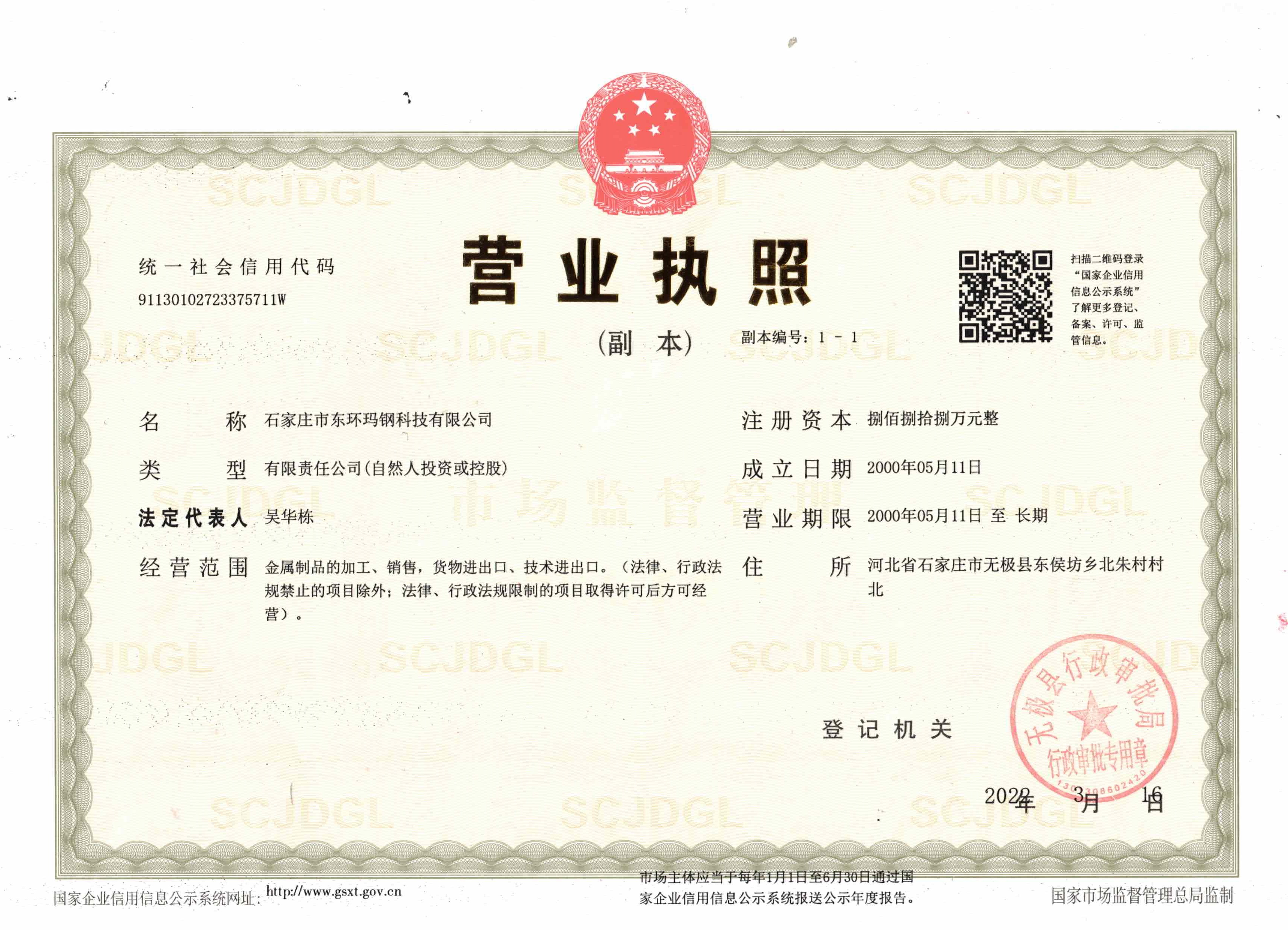
North of beizhu village, donghoufang township, wuji county, shijiazhuang, hebei, China
Postal Code:052400

Mob web

Tiktok