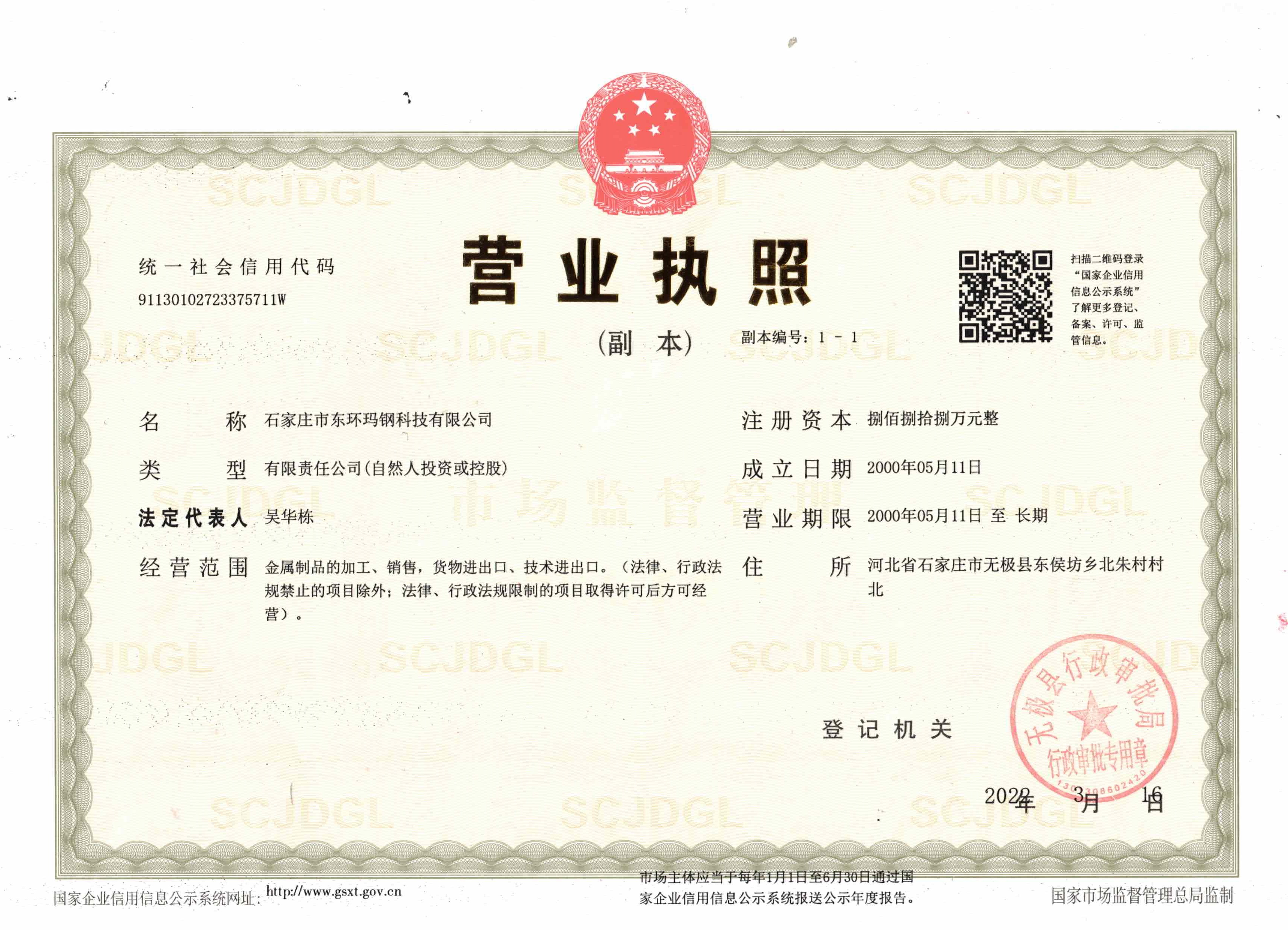
Shijiazhuang Donghuan malleable iron technology co.,ltd




Choosing the Right Stainless Steel Water Pipe Fittings for Your Needs
Release time:
2026-04-22
Author:
Compare stainless steel water pipe fittings for home vs. industrial use. Find the best grade, pressure rating, and connection type for your system.

Choosing the right stainless steel water pipe fittings starts with knowing where you will use them. Is it for your home or for a factory? You should think about the material grade, industry rules, and what your system needs. SDH gives you good quality and strong fittings. Make sure the fittings work with your water, pressure, and rules. Look at the table below to see what affects your choice:
You will find helpful tips and a short checklist to help you choose.
Stainless Steel Water Pipe Fittings Overview
Types of Fittings
Stainless steel water pipe fittings come in many shapes. Each shape has a different job. You need to pick the right type for your system. Here is a simple guide to the main types and what they do:
Elbows, Tees, Couplings
Elbows turn the water in a new direction. They usually turn at 45° or 90°.
Tees split the water into two or more paths.
Couplings join two pipes in a straight line. This helps when you fix or add pipes.
Nipples, Caps, Sockets
Nipples are short pipes with threads on both ends. You use them to join two fittings or pipes.
Caps close the end of a pipe. This stops water from coming out.
Sockets connect pipes together. They are good when you need a strong and tight fit.
Specialized Fittings
Some systems need special fittings like reducers, crosses, or unions. These help you join pipes of different sizes or make tricky layouts.
Valves let you control or stop the water when you want.
SDH Product Range
SDH has many stainless steel water pipe fittings. You can get elbows, tees, couplings, nipples, caps, sockets, reducers, crosses, unions, and more. Each fitting is made from high-grade stainless steel. This means they do not rust and last a long time. SDH checks every fitting to make sure it meets tough rules. You can trust them for homes and factories.
Tip: Stainless steel water pipe fittings are great for tough places. They do not rust. They can handle chemicals and high pressure. This makes them a smart pick for many jobs.
You can use these fittings in plumbing, building, and factories. They work in almost any system. With SDH, you get fittings that last, work well, and keep your water safe.
Home Applications

Common Materials in Home Plumbing
There are different materials used in home plumbing. Each one has good points and some problems. The most common ones are copper, aluminum, PVC, and stainless steel. You can look at the table to see how they compare:
People often pick copper or PVC for their homes. These two are not too expensive and work well. Stainless steel is best if you need something very strong. It is also good if your water is rough on pipes.
Benefits of Stainless Steel Fittings for Homes
Stainless steel fittings have many good things for homes. They last a long time and work well. Here are the main reasons to use them:
They keep your pipes safe from rust and corrosion. Stainless steel fittings do not get hurt by water or chemicals.
They help your plumbing last longer. These fittings stay strong for many years.
They make your water safer. Stainless steel does not put bad stuff in your water.
They are easy to take care of. You can clean and check them with simple tools.
They work in many places. You can use stainless steel fittings in kitchens, bathrooms, and outside.
Tip: Use stainless steel fittings if your water is hard or your pipes get wet a lot. This helps stop leaks and saves money on repairs.
Installation Considerations
You should plan before putting in stainless steel fittings at home. Follow these steps to do it right:
Make sure your fittings fit your pipes. Check the size and material first.
Look at your water. If your water is rough, stainless steel fittings are a good choice.
Use the right tools. You need wrenches and sealants made for stainless steel.
Tighten the fittings evenly. Do not make them too tight or they might break.
Check for leaks. Run water and look at each fitting for drips.
If you follow these steps, your plumbing will work better. Stainless steel fittings help you build a strong and safe system for your home.
Industrial Applications

Industrial Plumbing Materials
Many materials are used in industrial plumbing. Each material has its own strengths and uses. The table below shows how these materials compare in factories:
Stainless steel is special in industrial plumbing. It works well in places with high pressure or chemicals. It also works in places with seawater. Stainless steel lasts longer than other materials. It needs less fixing and checking.
Advantages of Stainless Steel Fittings in Industry
Stainless steel fittings give you many good things in factories:
They are strong and can handle heavy pressure.
They resist rust from chemicals and saltwater.
They last a long time, so you do not need to replace them often.
Their smooth insides keep water clean and stop buildup.
You spend less money fixing them over the years.
You can use stainless steel fittings in food and medicine factories. They also work in chemical plants. These fittings help keep your systems safe and working well.
Note: Stainless steel fittings follow strict rules for industry. You can use them where safety is very important.
Grooved Joints and Installation Efficiency
Grooved joints help you finish plumbing jobs faster and safer. You do not need special tools or welding to connect them. You can use simple hand tools to put them together. This saves money on labor and makes the job quicker.
Grooved joints also make things safer. You do not use fire or heat, so there are fewer risks. You can fix or install pipes with less waiting time. This helps your factory work without stopping.
Tip: Use grooved joints for big plumbing jobs in factories. You will save time, lower risks, and keep your systems working well.
Seamless vs. Welded Pipes
When you pick stainless steel pipes for high-pressure jobs, you have two choices. You can use seamless pipes or welded pipes. Each type is good for different reasons. They both work in places with lots of pressure.
Pressure Ratings
Seamless pipes are the strongest at the joints. They do not have a weld seam. This makes them good for high-pressure jobs. Welded pipes, like ERW and EFW, are not as strong at the joints. You need thicker walls for welded pipes to be as strong as seamless pipes.
Seamless pipes can handle high pressure with less material. Welded pipes need to be thicker to do the same job. If safety is very important, seamless pipes are the best choice.
Tip: Pick seamless pipes for the strongest and safest high-pressure jobs.
Corrosion Resistance
Corrosion resistance means how well a pipe fights rust. Seamless pipes have smooth surfaces and no weld seam. This helps them fight rust better in high-pressure places. Welded pipes also fight rust, but the weld area may need extra heat to work as well as seamless pipes.
If you want the best rust protection in high-pressure jobs, use seamless pipes. Welded pipes are fine for most jobs, but you must check the welds for high-pressure use.
Cost Differences
How much the pipes cost is important. Welded pipes cost less than seamless pipes. You pay less for each ton and each meter. Seamless pipes cost more because they are made in a special way for high-pressure jobs.
You save money with welded pipes in normal jobs. Seamless pipes cost more, but they are stronger and last longer in high-pressure places.
Use seamless pipes for the strongest, safest, and most rust-proof high-pressure jobs.
Use welded pipes if you want to save money and do not need high-pressure strength.
Note: Always check what your system needs. High-pressure jobs need pipes that are proven to be strong.
Comparing Features
Durability
You want fittings that last a long time. Stainless steel water pipe fittings are very strong. They work well in homes and factories. These fittings stay strong even with high pressure. They do not break in tough places. Look at the table to see how they compare:
Stainless steel fittings are better than copper and polymers in hard places. They do not wear out fast. They keep their shape and do not crack. Copper can rust when mixed with other metals. This makes it weaker. Polymer fittings can get old and lose their seal. This can make them leak or not work well. If you pick stainless steel, you get fittings that last and work well for a long time.
Corrosion Resistance
Corrosion resistance means stopping rust and damage. Stainless steel fittings protect your pipes from rust and chemicals. They work best in water that is not too acid or too base (pH 6-10). Some things can change how well they stop rust:
Chloride can cause small holes and damage.
Hot water makes rust happen faster.
Oxygen helps make a layer that protects the metal.
Fast water can clean pipes but also cause damage.
You should check your water and how hot it gets. Stainless steel fittings work best if you control these things. For more about rust protection, see ASM International's technical resources.
Cost
Cost is important when you build your system. Stainless steel fittings cost more at first. But they last longer and need less fixing. You do not have to replace them often. They keep your system working well. Polymer fittings are cheaper but can break sooner. Copper can rust and cause leaks. This means more money spent fixing things.
If you look at all the costs, stainless steel is the best deal. You get fewer problems and your system works longer. For more about cost and how long things last, see ASME B31.3 Process Piping.
Maintenance
Taking care of your stainless steel water pipe fittings helps them last longer. It also keeps your system working well and safe. You only need to do a few easy things.
Routine Inspection
Look at all fittings to see if there are leaks or drips. Finding leaks early stops bigger problems later. Check for rust, mostly near joints and threads. After something hits or shakes the pipes, look for dents or cracks.
Cleaning Procedures
Clean the fittings with a soft cloth and gentle soap. Do not use rough pads because they can scratch the steel. Rinse with clean water to wash off soap. Dry the fittings so you do not get water spots or minerals.
Preventive Actions
If a fitting is loose, tighten it with the right tool. Do not make it too tight or you could hurt the threads. When you put pipes back together, use the right sealant or thread tape. Change old gaskets or seals so your system does not leak.
Water Quality Monitoring
Test your water often to check pH and chloride. Too much chloride can make small holes in the steel. If you see more rust or color in the water, change how you treat it.
Environmental Considerations
Keep fittings away from strong chemicals or salt spray in factories. In cold places, cover pipes so they do not freeze or get wet from the air.
Maintenance Schedule Example
Tip: Write down when you check or fix things. Note what you find and what you do. This helps you remember problems and plan for next time.
Key Points
Stainless steel fittings do not need as much care as others, but checking them often makes them last longer.
Fix small problems fast so you do not have to pay for big repairs.
Only use cleaning products and tools that will not hurt the surface.
If you follow these steps, your stainless steel water pipe fittings will work well for many years.
Selection Criteria
Material Grades
You need to pick the right material grade for your stainless steel water pipe fittings. The grade tells you how well the fitting fights rust, handles heat, and fits your job. The most used grades are 304 and 316. Grade 304 is good for kitchens and food factories. Grade 316 is better if there is saltwater or strong chemicals.
Pick 316 if you have saltwater or chemicals.
Use 304 for normal plumbing and food-safe jobs.
Special alloys like Hastelloy C276 are for very hard jobs but cost more.
Stainless steel fittings can handle very cold and very hot temperatures, from -270°C to 870°C.
Tip: Think about the corrosion resistance and temperature range you need before you choose a grade.
Standards and Certifications
You must make sure your fittings follow industry standards and local codes. Standards help keep things safe and working right. Different places have different rules and certifications.
Always check the required standards for your area and job.
Food and water systems need fittings that are safe and not toxic.
Factory systems need fittings that meet rules for pressure and fighting rust.
Note: Using certified fittings lowers risk and makes sure your system follows the law.
Sizing and Compatibility
You must make sure the fitting size matches your pipe and system. If you pick the wrong size, you can get leaks or other problems. Compatibility means the fitting works with your pipe, how you connect it, and what you use it for.
Measure the outer diameter and wall thickness of your pipes before you buy fittings.
Use the same material grade for both pipes and fittings so they do not rust.
Pick the connection type that works for your job: threaded, welded, press-fit, or grooved.
Do not use carbon steel in cold systems because it can break easily.
Tip: Make a checklist for sizing and compatibility. Check every fitting before you put it in.
Best Practices for Selection:
Think about how much corrosion resistance you need.
Find out the working temperature for your system.
Match fittings to your pipe material and how you will connect them.
Make sure they follow industry standards and local codes.
Plan for cost and labor based on how you will install them.
If you follow these steps, your system will be safe, strong, and work well.
Installation and Maintenance Tips
Preparation
Before you put in stainless steel water pipe fittings, you need the right tools. Getting ready helps stop leaks and keeps your system safe.
Get two adjustable wrenches or open-end wrenches. You use these to hold and turn the fittings.
Use PTFE (Teflon) tape made for gas. Yellow tape is best for sealing threads.
Think about using a pipe joint compound that is safe for gas. This gives extra leak protection.
Keep a gas leak detection solution or soapy water spray close by. You will use this to check for leaks after you finish.
Use a flashlight to see fittings in dark or tight spots.
Have a replacement connector that fits your pipe size and type.
Keep a gas shutoff key or valve wrench nearby in case you need to turn off the gas fast.
Tip: Always make sure you have all your parts and tools before you start. This saves time and helps you avoid mistakes.
Common Mistakes
Many problems happen when people make simple mistakes during installation. You can stop these problems by following good steps.
Do not make fittings too tight. This can hurt the threads and cause leaks.
Do not use the wrong sealant. Only use products made for stainless steel and your job.
Do not mix metals. This can cause rust and make your system weak.
Do not forget to clean pipe ends. Dirt can stop fittings from sealing right.
Do not skip the manufacturer's instructions. Each fitting may need special steps.
Alert: If you skip steps or use the wrong things, you can get leaks, broken systems, or safety problems.
Routine Inspection
Checking your stainless steel fittings often helps them work well and lets you find problems early. Use this checklist to help you inspect:
Check the latest P&ID and isometric drawings at the site. Look at line numbers, service, class, rating, pressure, and temperature.
Make sure all pipes, fittings, and valves are the right class. Check material papers to track them.
Look at the cutting method and make sure the inside of pipes and fittings are clean.
Check that welders are qualified and look at all welds closely.
Make sure the routing matches the drawings and all supports are there.
Review the hydrotest or pressure test package. Watch for leaks during the test.
Make sure all lines are clean. Measure coating thickness if needed. Check insulation where it is used.
Walk down the line before starting the system. Take care of any covers or blinds.
Note: Write down what you find during inspection. Keeping records helps you remember repairs and plan for the future.
Quick Checklist
Home vs. Industrial Comparison
You must pick fittings that fit your system. Use this checklist to compare what is important for homes and factories:
Material Grade
Home: Use 304 in kitchens and bathrooms.
Industrial: Choose 316 for places with chemicals or saltwater.
Pressure Rating
Home: Standard pressure works for most homes.
Industrial: Make sure fittings can handle high pressure.
Corrosion Resistance
Home: Get fittings that protect against rust.
Industrial: Pick fittings that resist strong chemicals or seawater.
Connection Type
Home: Threaded or press-fit fittings are easy to use.
Industrial: Welded or grooved fittings make strong joints.
Standards
Home: Fittings must be food-safe and follow local rules.
Industrial: Check that fittings meet industry standards.
Maintenance
Home: Plan to check and clean fittings sometimes.
Industrial: Set up regular inspections and tests.
Cost
Home: Try to get good quality without spending too much.
Industrial: Spend more for fittings that last longer.
Tip: Measure your pipes before buying fittings. This stops leaks and saves time.
Decision Table
This table helps you pick the right stainless steel water pipe fittings. Match your project with the features you need.
Checklist:
Make sure the material grade fits your water and area.
Check that the pressure rating matches your pipes.
Pick the best connection type for your tools and skills.
Look at all standards before you buy fittings.
Plan how you will do maintenance and inspections.
Print this checklist or keep it on your phone. Use it every time you choose stainless steel water pipe fittings. This helps you build a safe and strong system that lasts.
Think about what your system needs before you pick fittings. Choose the right material grade for each job.
Look at the pressure ratings and make sure the fittings follow all rules.
Use the quick checklist to check if the size and type fit your pipes.
Ask an expert for help if your project is hard or you are not sure.
You can count on SDH for quality and reliability with every fitting.
If you want help just for you, click to ask for a meeting or send your question to Donghuan malleable iron technology.
Keywords:
Recommended Reading
Leave your problems to us
If you need a solution, you can write your question and contact information in the message form, we will contact you as soon as possible after receiving it.
North of beizhu village, donghoufang township, wuji county, shijiazhuang, hebei, China
Postal Code:052400

Mob web

Tiktok