Shijiazhuang Donghuan malleable iron technology co.,ltd




Stainless Steel Compression Fittings or Brass Fittings Which Lasts Longer
Release time:
2026-04-22
Author:
Stainless steel compression fittings last longer than brass due to superior corrosion resistance and strength, making them ideal for harsh environments.

You want fittings that last a long time. Stainless steel compression fittings last longer than brass. This is because they do not rust easily and can handle more pressure. It is important to think about rust and strength when picking a fitting for your project. Many people also think about price, how hard it is to take care of, and if the fitting works where they need it. You might see that brass can change color as time goes by. Brass may also have problems in wet places or where there is a lot of pressure. Stainless steel fittings cost more money and are harder to put in, but they last longer.
Common concerns include:
Brass can rust and get a color change called patina.
Stainless steel fittings cost more and are harder to put in.
Brass may not work well when there is a lot of pressure.
Durability of Stainless Steel Compression Fittings vs Brass Fittings

Lifespan Comparison
Residential Use
Stainless steel compression fittings last longer in most homes. You can use them in kitchens, bathrooms, and outside plumbing. Brass fittings work well for water at home, but they might not last as long in wet places or with rough water. Stainless steel fittings do not rust or wear out fast, so you do not need to change them often.
Industrial Use
Factories and plants have high pressure, shaking, and strong chemicals. Stainless steel compression fittings work better than brass in these places. You see stainless steel in factories, chemical plants, and near the ocean. Brass fittings can wear out faster, especially if there are chemicals or saltwater.
Corrosion Resistance
Moisture Exposure
Stainless steel, like 304 and 316, does not rust much in wet places. Brass fittings do not rust fast in soft water, but they can turn color or rust in salty or wet air. DZR brass can stop some rust, but not as much as stainless steel in hard places.
Chemical Exposure
Stainless steel compression fittings, like 316, work well with strong chemicals or salt. Brass fittings are not good for strong chemicals and can lose zinc. In chemical plants or near the sea, stainless steel fittings last longer and stay strong.
Tip: Always check the material grade before picking fittings for places with chemicals or saltwater.
You can learn more about rust rules at ASM International and Engineering Toolbox.
Stress Performance
High Pressure
Stainless steel compression fittings can handle a lot of pressure, up to 6000 PSI at room temperature. Brass fittings can take less pressure and might bend or leak if pushed too hard. For high-pressure jobs, stainless steel fittings are safer and last longer.
Temperature Extremes
Stainless steel fittings can take hot or cold and keep their shape and seal. Brass fittings can get soft or weak when it is very hot. In places where it gets very hot or cold, stainless steel compression fittings keep working longer.
Stainless steel compression fittings also work well when things shake or move a lot, especially with double ferrule types. Brass fittings can get loose or wear out faster if there is a lot of movement.
Note: Always pick the right fitting material for your system’s pressure and temperature for the best results.
Pros and Cons of Stainless Steel Compression Fittings
Advantages of Stainless Steel Compression Fittings
Longevity
Stainless steel compression fittings last a very long time. They keep their shape and strength for many years. You do not have to change them often. This saves you time and work.
Corrosion Resistance
Stainless steel compression fittings do not rust or get damaged by water, salt, or chemicals. You can use them in wet places, near the ocean, or where there are strong chemicals. They do not break or lose their seal quickly.
Strength
Stainless steel compression fittings are strong and can take a lot of pressure. They do not bend or crack when pushed hard. These fittings work well if pipes shake or move.
Tip: Pick stainless steel fittings when you need strong and lasting connections.
Disadvantages of Stainless Steel Compression Fittings
Cost
Stainless steel compression fittings cost more than brass ones. They are more expensive because they are harder to make and use better material. If you want fittings that last, paying more can be worth it.
Brass fittings usually cost less than stainless steel.
Stainless steel fittings cost more because they are harder to make.
Stainless steel lasts longer, so the higher price can be okay.
Installation
It can be harder to put in stainless steel compression fittings. The material is tough, so you need special tools and some skill. If you do not put them in right, they might leak.
Galling Risk
Stainless steel fittings can stick or get stuck when you tighten them. This is called galling. You can stop this by using special grease or tightening them slowly.
Note: Always follow the maker’s steps when you put in stainless steel compression fittings to stop problems.
Pros and Cons of Brass Fittings
Advantages of Brass Fittings
Cost-Effectiveness
Brass fittings help you save money. They do not need much fixing or replacing. You do not have to spend a lot on repairs. They last a long time, so you save more over the years. You pay once and do not worry about fixing them often.
Brass fittings last long and do not rust in many places.
You do not need to fix them much, so you save on work costs.
Picking brass fittings is smart for normal plumbing jobs.
Easy Installation
Brass fittings are easy to put in. Brass is soft, so you can shape it easily. The sizes and threads are the same, so they fit well. You do not need to work hard to install them.
You can cut, bend, and fit brass fittings with simple tools.
The sizes and threads make your job easier.
You finish the job fast and save on work costs.
Tip: Pick brass fittings if you want to finish your work quickly and easily.
Good Seal
Brass fittings stop leaks in water and air pipes. They keep your system safe from leaks. These fittings can handle up to 3,000 PSI, so they work for many jobs.
Brass fittings seal well and stop leaks in plumbing and moving fluids. You use them for water and air pipes. They work well when the pressure is not too high. Stainless steel compression fittings seal better in tough places, but brass fittings are good for most jobs.
Disadvantages of Brass Fittings
Corrosion Risk
Brass fittings do not rust fast, but they can have problems in tough places. Soft or salty water can make them weak. Ammonia and acids can also hurt brass fittings.
Brass fittings can get weak in bad water.
Ammonia and some chemicals can damage brass fittings.
Acidic places make brass fittings not last as long.
Lower Strength
Brass fittings are not as strong as stainless steel. They are okay for medium pressure, but not for very high pressure.
Brass fittings are not as strong as some other fittings.
They are not good for very hard jobs with lots of pressure.
Use brass fittings when you do not need a lot of strength.
Temperature Sensitivity
Brass fittings work in many temperatures. Brass ball valves stay strong when it gets hot or cold. They do not change shape much with heat or cold. Good seals help stop leaks.
Brass fittings can take freezing and hot weather.
They move heat well, which helps in some jobs.
They do not break from heat or cold, so your system stays safe.
Note: Brass fittings are best for normal jobs. Check your place before using them for hard jobs.
Factors Affecting Longevity
Environmental Conditions
Marine Environments
Saltwater and air near the ocean can hurt many metals. You must pick the right fitting for these places. 316 stainless steel protects best in these areas. It does not get damaged by salt or chlorides, so it lasts longer. Brass fittings can break down quickly from salt and wet air. They often get weaker because of dezincification.
Tip: For boats, docks, or buildings near the sea, always use 316 stainless steel for the longest life.
Indoor vs Outdoor
Outdoor places have rain, sun, and changing weather. Stainless steel does well in these tough spots. It stays strong and does not rust fast. Brass is good for many indoor jobs, but it may not last as long outside. Weather can make brass rust or change color.
Maintenance Needs
Inspection
You should check your fittings often for problems. Look for leaks, rust, or damage. Checking often helps you find trouble early. Follow the maker’s plan and change it for your system.
Check for rust or other signs of corrosion.
Look for leaks or if anything is loose.
Test the pressure once every year.
Cleaning
Clean your fittings to help them last longer. Use a soft cloth and a cleaner that is not too strong. Wipe them every week if you can. For ball valves, add oil once a month. These steps help both stainless steel and brass last longer.
Wipe the outside every week.
Oil moving parts every month.
Use covers or coatings for outdoor or marine places.
Note: Good care stops fittings from breaking early and saves you money.
Application Suitability
Residential
Brass fittings are good for most home plumbing. They cost less and are easy to put in. You can use them for water pipes, sinks, and showers. If your water is salty or you live near the sea, use stainless steel instead.
Commercial
Stainless steel is best for hard jobs. Use it in factories, chemical plants, and outside systems. It can handle high pressure, strong chemicals, and bad weather. For normal indoor plumbing, brass is a smart and cheaper choice.
Summary: Pick your fitting based on where you use it, how you take care of it, and what the place is like. Checking and cleaning often helps all fittings last longer.
Cost vs Longevity of Stainless Steel Fittings and Brass Fittings

Initial Cost
Material Price
Stainless steel fittings cost more than brass ones. You pay more for stainless steel because it is stronger and lasts longer. Brass fittings are cheaper at first, which helps if you do not want to spend a lot.
Think about the price difference before you start your project.
Installation Cost
You need special tools and more skill for stainless steel fittings. You might pay more for labor with stainless steel. Brass fittings are easier to put in, so you save money on work.
Long-Term Value
Replacement Frequency
Stainless steel fittings last longer and do not need to be changed often. Brass fittings may need to be replaced sooner, especially in tough places. Picking fittings that last longer saves you time and money.
Maintenance Cost
Stainless steel fittings do not need much care. You spend less on cleaning and fixing them. Brass fittings may need to be checked and cleaned more often.
Picking stainless steel fittings can save you money over time, even if they cost more at first.
You should think about the first price and the money you save later. If you want to fix and change fittings less, stainless steel is a better choice. Brass fittings are good for short jobs or low pressure, but you might spend more later.
Stainless steel compression fittings last longer because they are strong and do not rust easily. Brass fittings are cheaper and simple to put in, but they might not last as long if the place is tough. How long fittings last depends on how well they fight rust, how you take care of them, and where you use them.
If you want help for your project, talk to Donghuan malleable iron technology or send them a question.
FAQ
What makes stainless steel compression fittings last longer than brass fittings?
Stainless steel resists rust and damage from water or chemicals. You get better durability in harsh environments. Brass fittings may wear out faster in wet or salty places.
Are brass fittings safe for drinking water systems?
You can use brass fittings for drinking water. Always check for lead-free options. Stainless steel also supports hygiene and safety in water systems.
Which fitting is better for high-pressure applications?
Stainless steel handles higher pressure. You should use it for gas lines or industrial systems. Brass fittings work for lower pressure jobs.
How do I choose between brass fittings and stainless steel for outdoor use?
Pick stainless steel for outdoor or marine areas. It lasts longer in rain and salt air. Brass fittings may corrode faster outside.
Do both fittings offer good chemical resistance?
Stainless steel provides strong chemical resistance. You should use it in chemical plants or near the sea. Brass fittings may not last as long with strong chemicals.
What should I consider for hygiene and safety in plumbing?
Stainless steel and brass fittings both support hygiene and safety. Stainless steel resists bacteria and keeps water clean. Brass fittings work well if you choose certified, lead-free types.
How often should I inspect or replace brass fittings?
Check brass fittings every year for leaks or corrosion. Replace them if you see green spots or damage. Stainless steel needs less frequent checks.
Can I install brass fittings myself?
You can install brass fittings with basic tools. They are easy to cut and fit. Stainless steel may need special tools and more skill.
Keywords:
Recommended Reading
Leave your problems to us
If you need a solution, you can write your question and contact information in the message form, we will contact you as soon as possible after receiving it.
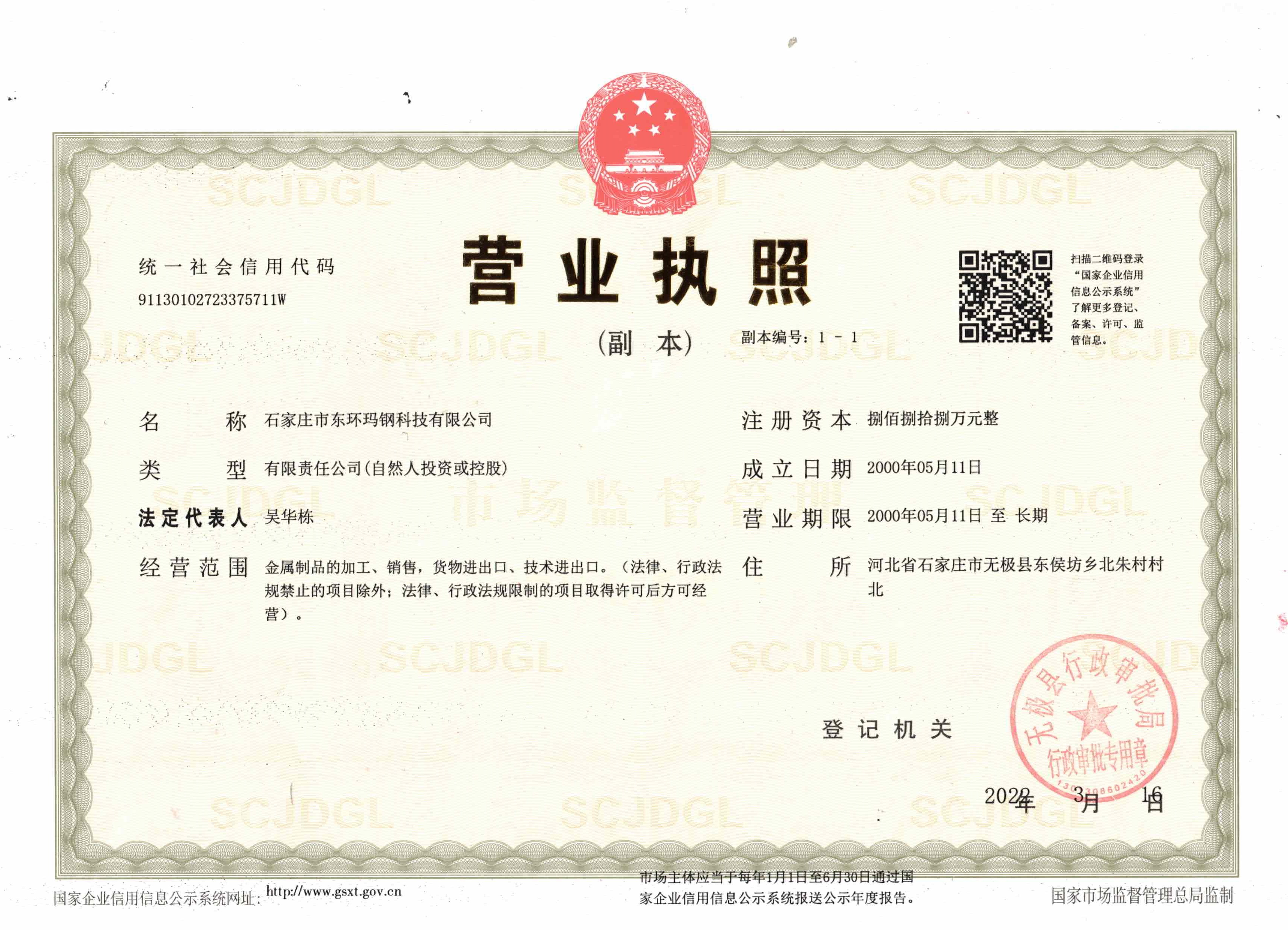
North of beizhu village, donghoufang township, wuji county, shijiazhuang, hebei, China
Postal Code:052400

Mob web

Tiktok