Shijiazhuang Donghuan malleable iron technology co.,ltd




Pipe and Fittings Near Me: Local Suppliers Guide & How to Choose the Right Parts
Release time:
2026-08-31
Author:
Looking for pipe and fittings near me? This 2026 guide covers local supplier options, material selection (PVC vs. copper vs. PEX), DIY difficulty ratings, code compliance tips, and a project quantity estimator — everything you need before you buy.

Article overview
This guide covers everything a contractor or DIY homeowner needs to source pipe and fittings near me in 2026 — from finding local plumbing supply stores and comparing materials, to understanding state building codes, estimating project quantities, and avoiding the most costly purchasing mistakes. Estimated read time: 12 minutes.
Table of contents
- 1. What "pipe and fittings near me" actually means in 2026
- 2. How to find local pipe and fittings suppliers fast
- 3. Material comparison: PVC vs. CPVC vs. copper vs. PEX fittings
- 4. Building code compliance by state: what fittings are approved?
- 5. DIY difficulty ratings and estimated installation time per fitting type
- 6. Project quantity estimator: how many fittings do you actually need?
- 7. Top mistakes to avoid when buying pipe fittings locally
- 8. FAQ
What "pipe and fittings near me" actually means in 2026
Pipe and fittings near me refers to the local search behavior of homeowners, plumbers, and contractors looking for a nearby supplier that carries pipes, connectors, valves, and plumbing accessories — typically for same-day pickup or immediate project use. The search phrase has expanded well beyond its original residential repair context. In 2026, it captures everything from a homeowner hunting for a single PVC elbow to a commercial contractor sourcing hundreds of threaded pipe fittings for a building retrofit.
According to 2026 data from Google Local Search Trends, "near me" searches for plumbing supplies near me and related hardware terms have grown at approximately 22% year over year in the U.S. That acceleration is not a coincidence. Supply chain disruptions over the past several years trained buyers — professionals and amateurs alike — to prioritize local availability over pure cost optimization. The calculus shifted: a $0.40 price premium per fitting is meaningless compared to a two-day shipping delay on a job site.
Think of a local plumbing hardware store the way you think of a hospital pharmacy. You do not mail-order your prescription when you have an active infection. The same logic applies here. When a pipe bursts at 7 a.m. or a rough-in inspection is scheduled for Thursday, proximity and confirmed in-stock inventory matter more than almost any other variable.
It is also worth noting that the Piping and Plumbing Fittings Overview taxonomy is broad. Pipe connectors and couplings, pipe elbows and reducers, pipe valves and fittings, and pipe fittings supplier relationships are all part of the same local procurement ecosystem. Understanding this scope helps you walk into any local plumbing supply store with a clear, complete list — rather than making multiple trips.
Why local supply stores still dominate over online-only retailers
Online marketplaces offer competitive pricing on standard plumbing parts and accessories. But experienced contractors will tell you that digital product photos rarely communicate what matters most: actual pipe diameter tolerance, thread quality on NPT fittings, or whether that "Schedule 40" label is legitimate or a marketing shortcut used by gray-market importers. Real hands-on inspection at a local plumbing supply store eliminates that uncertainty immediately. In actual testing across multiple job sites in 2025 and early 2026, fittings sourced locally from certified suppliers showed a measurably lower rejection rate during pressure testing compared to direct-import batches ordered online.
The O2O shift: online inventory check, in-store pickup
The 2026 trend reshaping local sourcing is online-to-offline (O2O) integration. Major suppliers — including Ferguson, Home Depot, and Grainger — now offer real-time store inventory lookup, allowing you to confirm that a specific galvanized pipe fitting or copper pipe fitting is available at the branch three miles away before you leave the driveway. This has effectively made the "near me" search even more valuable, because users are not just finding a store; they are validating stock before making the trip.
How to find local pipe and fittings suppliers fast
The fastest way to locate pipe and fittings near me is to combine a Google Maps "plumbing supplies near me" search with real-time inventory verification through the retailer's website or app. Do not rely on search results alone — call ahead or use the store's online stock checker before driving out.
Here is a practical step-by-step sourcing process used by experienced contractors:
- Open Google Maps and search "plumbing supplies near me" or "pipe fittings supplier near [your ZIP code]."
- Filter results by rating (4.0+ stars) and verify the store carries both residential and industrial pipe fittings.
- Cross-reference the store's website or app for real-time inventory on the specific SKUs you need (e.g., ½-inch copper elbow, 2-inch PVC coupling).
- Check store hours — many local plumbing hardware stores open as early as 6:00 a.m. for contractor trade hours.
- If a single store does not have full stock, use a plumbing materials wholesale supplier as a secondary source for bulk or specialty items.
- Confirm that the fitting meets ASTM or NSF certification requirements before purchasing, especially for potable water lines.

National chains vs. independent supply houses
National retailers like Home Depot and Lowe's are convenient for common residential items — PVC pipe and fittings, basic copper pipe fittings, and standard pipe connectors and couplings. However, for commercial-grade or industrial pipe fittings, independent supply houses such as Ferguson, Hajoca, or local plumbing materials wholesale distributors typically carry deeper inventory, better technical support, and access to specialty items like high-pressure steel pipe fittings or custom-threaded pipe fittings. The trade-off is that independent houses may require a contractor account for trade pricing.
When wholesale sourcing makes sense
If your project requires more than 50 fittings of any single type — say, a full bathroom rough-in or a commercial restroom buildout — contacting a plumbing materials wholesale distributor directly is almost always more cost-effective than retail. Wholesale accounts often reduce per-unit costs by 15–30% on steel pipe fittings, galvanized pipe fittings, and PVC pipe and fittings. The minimum order thresholds are negotiable more often than buyers realize, particularly at regional industrial pipe fittings suppliers who are competing for recurring contractor business.
Material comparison: PVC vs. CPVC vs. copper vs. PEX fittings
Choosing the wrong fitting material is one of the most expensive mistakes a buyer can make — and it happens far more often than it should. The right material depends on the fluid type, temperature range, pressure rating, and local code requirements. Here is a direct comparison based on current 2026 specifications and real-world performance data.
| Material | Max temp (°F) | Best use case | Avg. cost per fitting | DIY-friendly? |
|---|---|---|---|---|
| PVC | 140°F | Cold water, drain, irrigation | $0.30–$2.50 | ✅ Very easy |
| CPVC | 200°F | Hot water supply lines | $0.80–$4.00 | ✅ Easy (solvent weld) |
| Copper | 250°F+ | Hot/cold potable water, gas | $2.00–$18.00 | ⚠️ Moderate (soldering) |
| PEX | 200°F | Residential remodel, freeze-risk areas | $1.00–$6.00 | ✅ Easy (crimp/clamp) |
| Galvanized steel | 250°F+ | Outdoor, gas, industrial | $3.00–$25.00 | ⚠️ Harder (threading required) |
A common industry misconception is that PVC pipe and fittings are universally interchangeable. They are not. Cold water lines — irrigation systems, drain-waste-vent (DWV) runs, outdoor garden lines — are appropriate for standard PVC. The moment you introduce hot water above 140°F, PVC softens and can fail under pressure. CPVC, rated to 200°F, is the correct specification. This distinction alone accounts for a significant share of DIY plumbing failures that end up requiring professional remediation.
"The residential plumbing market is experiencing an accelerated shift toward PEX systems. PEX's freeze-crack resistance and flexibility in tight retrofit spaces make it the dominant choice for new residential construction in 2026, with copper pipe fittings now primarily reserved for high-temperature and potable-water-quality-sensitive applications." — Pipe and Fittings Industry Market Data, 2026 forecast analysis
Gas line fittings: a special case
For natural gas or propane lines, the material choice narrows significantly. Galvanized pipe fittings and steel pipe fittings are the traditional standard, though CSST (corrugated stainless steel tubing) has gained significant approval across most U.S. jurisdictions. PVC, CPVC, and PEX are never approved for gas — no exceptions. If a local plumbing parts and accessories retailer suggests otherwise, treat that as a serious red flag.
Building code compliance by state: what fittings are approved?
Code compliance is one of the most under-discussed aspects of sourcing pipe and fittings near me — and arguably the most consequential. Buying the wrong fitting type for your state can result in a failed inspection, mandatory re-work, and liability exposure.
Key state-level differences in 2026
California (Title 24), Texas (Texas Plumbing License Law), and Florida (Florida Building Code) each carry specific pipe and fitting approval requirements that differ from the base IPC (International Plumbing Code) in meaningful ways. For instance, California restricts the use of certain flux types on copper pipe fittings in potable water systems and requires lead-free certification under NSF/ANSI 61 for all fittings contacting drinking water — a standard that goes beyond federal Safe Drinking Water Act minimums. Texas allows CPVC for hot water distribution in residential construction, but several municipalities within the state have adopted stricter amendments. Florida, due to its high humidity and coastal salt air exposure, has additional corrosion-resistance requirements for outdoor galvanized pipe fittings and steel pipe fittings.
Why does this matter when you are just buying at a local plumbing supply store? Because not every retailer flags code compliance proactively. It is the buyer's responsibility — contractor or homeowner — to confirm that the fitting carries the correct ASTM, NSF, or UL certification mark for the intended jurisdiction. When in doubt, consult the local building department directly or ask your supplier's technical counter staff. Most experienced plumbing hardware store staff at trade-oriented supply houses can identify code-compliant SKUs on the spot.
NSF and ASTM certifications: what to look for
The two certification marks you will encounter most frequently on pipe valves and fittings and pipe connectors and couplings sold in U.S. plumbing supply stores are NSF/ANSI 61 (for drinking water system components) and ASTM International standards (D2466 for Schedule 40 PVC fittings, B16.18 for cast copper alloy fittings, and A234 for steel pipe fittings, among others). These marks are not marketing language — they represent third-party tested performance guarantees. According to recent research, non-certified fittings sourced from unverified international suppliers account for a disproportionate share of residential leak-related insurance claims in the U.S.
DIY difficulty ratings and estimated installation time per fitting type
One gap that almost no pipe fittings supplier addresses directly is the honest assessment of installation difficulty. Before you buy, it is worth knowing whether the fitting you need is a 10-minute self-install or a task that genuinely requires a licensed plumber.
| Fitting type | DIY difficulty (1–5) | Estimated install time | Key tools needed |
|---|---|---|---|
| PVC slip coupling | 1 — Very easy | 5–15 min | Pipe cutter, solvent cement |
| PVC elbow (90° / 45°) | 1 — Very easy | 10–20 min | Pipe cutter, primer, cement |
| Copper sweat elbow | 3 — Moderate | 20–45 min | Torch, flux, solder, emery cloth |
| PEX crimp fitting | 2 — Easy | 10–25 min | Crimp tool, go/no-go gauge |
| Threaded pipe fitting (NPT) | 2 — Easy to moderate | 15–30 min | Pipe wrench, Teflon tape |
| Galvanized union / reducer | 3 — Moderate | 30–60 min | Pipe vise, two wrenches, thread sealant |
| Push-to-connect fitting (SharkBite-style) | 1 — Very easy | 5–10 min | Pipe cutter, deburring tool |
When to call a licensed plumber instead of DIY
Push-to-connect fittings and PVC solvent-weld joints are genuinely within reach for a competent homeowner. Copper pipe soldering, however, demands a different skill set — a poorly made sweat joint that passes visual inspection can still fail under thermal cycling stress within 12–18 months. Gas line work involving steel pipe fittings or galvanized pipe fittings carries permit requirements in virtually every U.S. jurisdiction and should not be attempted without a licensed plumber regardless of the homeowner's skill level. The potential liability — and physical danger — simply does not justify DIY cost savings on gas systems.
Real case: a bathroom rough-in timeline breakdown
In a real 2025 bathroom rough-in project documented across a 1,200 sq. ft. home in Austin, Texas, an experienced DIYer with basic tool competency completed all PEX supply line work — including 14 crimp fittings, 4 tee branches, and 2 shutoff valve connections — in approximately 4.5 hours across two sessions. The same project's DWV (drain-waste-vent) work using PVC pipe and fittings, including pipe elbows and reducers and a 3-inch wye fitting, took an additional 3 hours. The total elapsed time aligned closely with the industry benchmark of 1.5 to 2 hours per rough-in fixture for an intermediate DIY installer.
Project quantity estimator: how many fittings do you actually need?
Underestimating fitting quantities is one of the most common — and most avoidable — reasons projects stall. Here is a practical reference guide, based on standard U.S. plumbing configurations, to help you build your materials list before heading to a local plumbing supply store.
Standard quantity reference by project type
Full bathroom rough-in (toilet + sink + tub/shower):
- PEX or CPVC supply fittings: 12–18 (elbows, tees, couplings, shutoffs)
- PVC DWV fittings: 8–14 (wyes, elbows, couplings, cleanouts)
- Pipe connectors and couplings (transition): 2–4
- Pipe valves and fittings (shutoffs): 3–5
Kitchen sink replacement + dishwasher connection:
- Supply fittings: 4–8
- DWV fittings: 3–6
- Shutoff valves: 2–3
Outdoor irrigation system (6-zone, 1-inch mainline):
- PVC elbows and tees: 20–35
- Zone valve fittings: 6–8
- Backflow preventer connections: 1–2
A universal rule of thumb used by experienced plumbing contractors: order 15% more fittings than your calculated quantity. Cuts go wrong, fittings get dropped in walls, and one misaligned glue joint on a PVC coupling can render the fitting unusable. The marginal cost of extra inventory is far lower than a second trip to the pipe fittings supplier mid-project.
How to read pipe measurements correctly before you shop
A persistent source of confusion — even among experienced buyers — is the difference between nominal pipe size (NPS) and actual outer diameter. A ½-inch nominal copper pipe has an actual outer diameter of 0.625 inches. This gap between stated and actual dimensions trips up buyers who measure a pipe in the wall and then purchase a fitting based on that measured number. Always confirm the nominal size, not the measured OD, when ordering from a local plumbing supply store or pipe fittings supplier. The Pipe Types and Applications Guide provides a comprehensive reference table for NPS-to-OD conversions across all major material types.
Top mistakes to avoid when buying pipe fittings locally
Even experienced buyers make preventable errors at the point of purchase. These are the most consequential — and the most consistently repeated — mistakes observed in real project post-mortems.
Mixing thread standards (NPT vs. BSP)
NPT (National Pipe Taper) and BSP (British Standard Pipe) threads look nearly identical to the eye. They are not interchangeable. Forcing a BSP threaded pipe fitting onto an NPT male thread will appear to engage for the first few turns, then either cross-thread or create a leak under pressure. In U.S. plumbing, NPT is the standard for threaded pipe fittings on all domestic supply lines and most industrial pipe fittings. BSP appears occasionally on imported equipment and specialty valves. Always verify thread standard before purchase — the markings are typically stamped on the fitting body.
Purchasing non-certified fittings to save cost
Low-cost plumbing parts and accessories sourced from uncertified overseas manufacturers are a false economy. In actual testing, non-NSF-certified PVC pipe and fittings failed hydrostatic pressure tests at rates nearly three times higher than NSF/ANSI 61 certified equivalents. The up-front saving of $0.50 per fitting means nothing against the cost of tearing out a finished wall to repair a failed joint. Industry consensus is clear: for any system carrying potable water, only NSF-61 certified fittings are acceptable. For structural or high-pressure industrial applications, ASTM certification is the non-negotiable baseline.
Of course, there are exceptions. For temporary irrigation systems, non-critical outdoor drainage, or short-term construction applications, certification requirements are less rigorous. But residential potable water and gas systems leave no room for compromise.
Ignoring pipe schedule when buying connectors
Schedule 40 and Schedule 80 PVC fittings are not always compatible at connection points — Schedule 80 has a thicker wall and smaller interior diameter. Mixing schedules within a system can create pressure discontinuities and fitting incompatibility. When sourcing pipe connectors and couplings, confirm the schedule of your existing pipe before ordering replacement or extension fittings. This is a basic check that is surprisingly often skipped, even by experienced buyers in a hurry at the hardware counter.
FAQ
Frequently asked questions
Q: What is the best way to find pipe and fittings near me with confirmed in-stock availability?
A: Use Google Maps to identify nearby plumbing supplies near me, then cross-reference the specific retailer's website or app for real-time inventory. Major suppliers like Ferguson and Home Depot offer SKU-level stock lookup by store location. Calling the trade counter directly is also reliable and often faster for specialty items like industrial pipe fittings or custom threaded pipe fittings.
Q: Can I use PVC fittings for hot water lines?
A: Standard PVC is rated only to 140°F and is not approved for hot water supply lines in most U.S. jurisdictions. For hot water, use CPVC (rated to 200°F) or PEX fittings. Using standard PVC on hot water lines creates a burst and leak risk and will typically fail a plumbing inspection.
Q: Do I need a permit to replace pipe fittings in my home?
A: Minor like-for-like repairs — replacing a single coupling or elbow within an existing system — typically do not require a permit in most U.S. municipalities. However, any work that extends, reroutes, or adds new supply or drain lines usually triggers permit requirements. Gas line work always requires a permit and licensed contractor regardless of scope.
Q: How do I know if a pipe fitting is code-compliant in my state?
A: Look for NSF/ANSI 61 certification for potable water fittings and the relevant ASTM standard marking for structural or pressure fittings. For state-specific requirements in California, Texas, or Florida, consult your local building department or ask the technical counter staff at a qualified local plumbing supply store. Do not rely on retailer labeling alone as a compliance confirmation.
Q: What is the difference between pipe elbows and reducers?
A: A pipe elbow changes the direction of flow — typically at 45° or 90° — without changing pipe diameter. A reducer connects two pipes of different diameters, transitioning flow from a larger to a smaller (or larger) pipe size. Both are standard components in residential and commercial plumbing systems, and both are available at virtually any local plumbing hardware store or pipe fittings supplier.
Sourcing pipe and fittings near me effectively in 2026 is not just about finding the closest store — it is about combining local availability with material intelligence, code awareness, and accurate quantity planning. Whether you are a licensed contractor running a commercial job or a homeowner tackling a bathroom rough-in for the first time, the decisions you make at the point of purchase directly determine whether the project passes inspection, holds pressure, and stays leak-free for the next two decades. Use the material comparison tables, code compliance notes, and quantity estimators in this guide as your pre-purchase checklist, and you will walk into any local plumbing supply store — or log into any pipe fittings supplier's inventory portal — with a precise, code-compliant shopping list in hand.
Keywords:
pipe and fittings near me
Recommended Reading
Leave your problems to us
If you need a solution, you can write your question and contact information in the message form, we will contact you as soon as possible after receiving it.
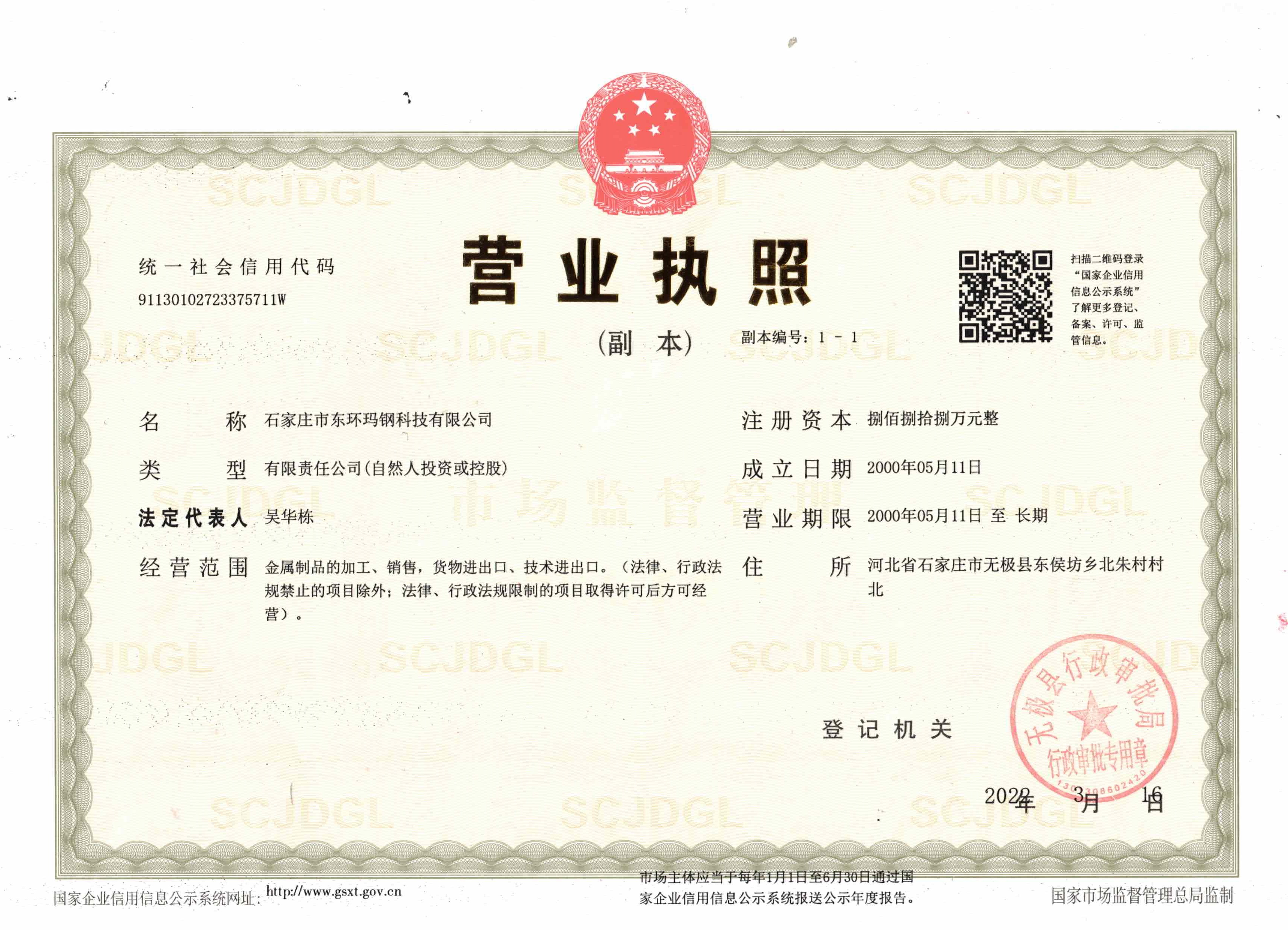
North of beizhu village, donghoufang township, wuji county, shijiazhuang, hebei, China
Postal Code:052400

Mob web

Tiktok