Shijiazhuang Donghuan malleable iron technology co.,ltd




Black Iron or Malleable Iron Pipe Fittings Which Is Right for Your Project
Release time:
2026-06-22
Author:
Compare black iron and malleable iron pipe fittings to choose the best option for gas, oil, or water projects based on strength, flexibility, and cost.


If you work on a gas or oil project, you usually need black iron pipe fittings for strength and safety. For plumbing or water jobs, malleable iron pipe fittings often fit better because they resist cracking. Choosing the right fitting protects your system from leaks and damage. You save time and money by matching the fitting to your needs.
Key Takeaways
Pick black iron fittings for gas and oil work. They can handle high pressure and heat.
Use malleable iron fittings for plumbing jobs. They do not crack easily and can bend a little.
Think about cost when picking fittings. Black iron costs less, but malleable iron lasts longer and needs fewer repairs later.
Keep fittings safe from rust. Put coatings on both types if it is wet to help them last longer.
Always look at local rules before you start your project. Picking the right fitting keeps things safe and working well.
Iron Pipe Fittings Overview

What Are Black Steel Fittings
Black steel fittings are used in homes and factories. They are made from steel with a black iron oxide layer. This layer makes them look dark. Black steel fittings do not have zinc or other metal coatings. These fittings make strong and stiff connections. They work well with high pressure and heat. People use them in gas and oil systems a lot. The fittings join pipes and help control where things flow.
What Are Malleable Iron Fittings
Malleable iron fittings are made in a special way. Makers heat ductile iron and cool it slowly. This makes malleable iron less likely to break and more bendy than cast iron. You can thread, bend, or shape these fittings without breaking them. They are good for systems that need to move a little. Malleable iron fittings do not crack easily when stressed. People use them when they need a tight seal and strong hold. These fittings last a long time in many places.
Common Uses
You use black steel fittings in these ways:
Plumbing jobs
Gas supply lines
Moving water, oil, and gas
Joining black steel pipes
Malleable iron fittings are used for:
Gas lines in homes and businesses
Water pipes where rust is not a big issue
Steam heat and factory steam systems
Fire sprinklers and safety systems
Hydraulic systems that move fluids with pressure
Building things like scaffolds or handrails
Tip: Use malleable iron fittings for strength and flexibility. Use black steel fittings for pipes with high pressure or heat.
Iron pipe fittings are used in many projects. Each type is best for certain jobs. Knowing the differences helps you choose the right one.
Key Differences Between Black Steel and Malleable Iron Fittings
Material and Strength
It is important to know how black steel fittings and malleable iron fittings are different. Black steel fittings are made from steel with a black finish. Malleable iron fittings are made from ductile iron that is heated and cooled to make it flexible. Both types are strong, but they act differently when stressed.
Black steel fittings are very strong and stiff. They are good for gas and oil lines with steady pressure.
Malleable iron fittings are strong and do not crack easily. You can use them where pipes need to seal tight and move a little.
Ductile iron, which is used for malleable iron, has a tensile strength of about 40 ksi (275 MPa). This is strong enough for most plumbing and gas jobs.
Black steel fittings can handle the same pressure as malleable iron. Both can work with up to 300 psi in water, oil, or gas pipes.
Here is a table that shows pressure ratings:
You can read more about technical rules at ASME B16.3.
Durability and Flexibility
Durability is important when picking iron pipe fittings. Black steel fittings are tough and can take a hit. They do not bend or flex much. This makes them good for straight gas or oil pipes.
Malleable iron fittings are known for being flexible. Ductile iron lets these fittings handle small shakes or moves. You can adjust them a little when you put them in. This helps if pipes do not line up just right. Malleable iron does not crack easily, even if you need to tighten or move it. You get a strong connection that lasts a long time.
Ductile iron can also take some hits. It works well where there is some movement or shaking. Black steel fittings are strong, but they might break if bent or hit hard.
Cost Factors
Cost is a big thing to think about for your project. Black steel fittings usually cost less than malleable iron fittings. You can save money on big jobs with lots of pipes. Malleable iron fittings cost more because it takes extra work to make ductile iron flexible.
Here are some main cost points:
Black steel fittings are a good choice if you want to save money on simple gas or water pipes.
Malleable iron fittings cost more but are more flexible and last longer.
Ductile iron, used in malleable iron fittings, costs more to make than plain steel.
You might pay more at first for malleable iron, but you will have fewer leaks and repairs later.
Tip: Use black steel fittings for easy, straight pipes if you want to save money. Use malleable iron fittings for jobs that need to bend, be strong, and last a long time.
You should pick the fitting that fits your project best. Think about pressure, movement, and cost before you choose. Each fitting has special benefits for different pipe jobs.
Corrosion Resistance and Longevity
Performance in Different Environments
It is important to know how iron pipe fittings react to water. Both black steel and malleable iron fittings do not resist rust well in wet places. Black steel does not have a coating, so it rusts fast when wet. Malleable iron also needs extra protection in damp areas. If you use these fittings in wet spots, you must add coatings or pick galvanized ones.
Here is a quick comparison:
Black iron fittings are not good for water lines or humid rooms. Water makes them rust and lose strength.
Malleable iron fittings need coatings to stop rust. Without coatings, they do not last as long.
Note: Do not use black steel or malleable iron in wet places unless you add coatings. For more information, visit Engineering Toolbox.
Maintenance Needs
You can make iron pipe fittings last longer with good care. Black steel fittings need regular checks and rust protection. You must use coatings, look for rust, and fix leaks fast. These steps help keep the fittings strong, especially in high-pressure systems.
For malleable iron fittings, you should:
Use coatings like hot-dip galvanization or epoxy paint.
Match thread seals and pipe materials for good installation.
Protect pipes from wet air and add drainage.
Check often for rust, pressure changes, and broken coatings.
Clean surfaces and change old gaskets or seals.
Tip: You make fittings last longer by doing these steps. Ductile iron fittings need care to stay strong and stop rust. Protect fittings in high-pressure systems to keep them from failing early.
You get the best results from ductile iron by using strength, installing right, and doing regular checks. These steps help your fittings stay strong and work well for a long time.
Installation and Workability

Cutting and Joining
You need to know how to cut and join pipes for a safe and strong system. Black steel pipe fittings require careful threading. You often use power tools for larger sizes. These fittings need precise cuts to avoid leaks. You must check threads for sharp edges and clean them before joining.
Malleable iron pipe fittings are easier to handle. You can use basic hand tools for most jobs. You cut the pipe, clean the ends, and screw the fittings together. You do not need heavy equipment for small projects. This makes malleable iron a good choice for home repairs or quick fixes.
Tip: Always check the pipe ends for smoothness. Clean threads help you get a tight seal and prevent leaks.
Tools and Skills
You should match your tools to the fitting type. Black steel pipe fittings often need more skill and stronger tools. Malleable iron pipe fittings work with simple tools and basic skills. Here is a quick guide:
For black steel, you may need a pipe threader, pipe cutter, and wrenches.
For malleable iron, you can use a hacksaw, pipe wrench, and thread sealant.
You do not need advanced training for most malleable iron jobs. You can finish many tasks with simple steps. Black steel pipe jobs may take longer and need more practice.
Note: Plan your installation based on your tools and skills. Choose the fitting that matches your comfort level and the job’s needs.
Choosing the Right Fitting for Your Project
Gas and Oil Applications
For gas and oil jobs, you need strong and safe fittings. Black steel fittings are good because they handle high pressure and heat. They do not bend or break easily. You will not need to fix them often. Malleable iron fittings also work well in gas lines. They are best when you need a tight seal or some flexibility.
Industry rules help you pick the right fittings. You should follow these codes for gas and oil pipes:
Safety is very important. Good seals stop leaks and keep people safe. Fire protection is needed for important places. Tracking tools help you plan repairs and checks. You should use fittings that meet rules like API 6A, NACE MR0175, and ISO 9001:2015. These rules make sure your project is safe and works well.
Tip: Pick black steel fittings for gas and oil pipes with high pressure. Use malleable iron fittings if you need a tight seal or some movement.
Plumbing and Water Systems
For plumbing and water pipes, you need fittings that do not rust and keep water clean. Malleable iron fittings are a good pick for most water pipes. Galvanized malleable iron is best for drinking water. The zinc layer stops rust and keeps water safe. Do not use black steel fittings for water you drink. They can rust and make water unsafe.
Galvanized malleable iron gives you strong and safe pipe joints. These fittings hold up under pressure and do not break easily. They work well in home plumbing and outside watering systems. The zinc coating keeps bad stuff out of your water.
Note: Always use galvanized malleable iron for drinking water pipes. This keeps your water clean and your pipes strong.
Other Project Scenarios
You might need iron fittings for steam, fire safety, or hydraulic jobs. Both black steel and malleable iron can take high heat and pressure. You can use them in boilers, steam pipes, and hot places. Ductile iron makes malleable iron fittings strong and bendy. This helps when pipes move or shake.
If you build handrails or scaffolds, malleable iron gives strength and some bend. Black steel is good for straight pipes that do not move. If you need to save money, black steel costs less to buy and install. Malleable iron costs more but lasts longer and needs fewer fixes.
Tip: Use malleable iron if your project needs pipes to move or seal tight. Pick black steel for straight pipes when you want to save money.
Quick Decision Checklist
Use this list to help you pick the right fitting:
Gas and Oil Lines:
Need strong fittings for high pressure?
Pick black steel fittings.
Need some bend or a tight seal?
Pick malleable iron fittings.
Drinking Water Pipes:
Need rust protection and clean water?
Pick galvanized malleable iron fittings.
Never use black steel for drinking water.
Steam, Fire, or Hydraulic Jobs:
Need to handle heat and pressure?
Both black steel and malleable iron work.
Need pipes to move or shake?
Pick malleable iron fittings.
Building or Support Jobs:
Need strength and some bend?
Pick malleable iron fittings.
Need straight pipes and want to save money?
Pick black steel fittings.
Cost and Budget:
Want to spend less on pipes and work?
Pick black steel for simple, straight pipes.
Want pipes to last long and need fewer fixes?
Pick malleable iron fittings.
Remember: Always check local rules before you start. The right fitting keeps your pipes safe, strong, and saves money.
Pros and Cons Summary Table
You should look at both black steel and malleable iron pipe fittings before picking one. The table below shows the good and bad things about each type. This makes it easier to see which fitting is best for your project.
Tip: Pick black steel fittings if you want to save money and need strong pipes for gas or oil. Choose malleable iron fittings for plumbing, water pipes, or jobs that need to bend and not rust.
Black steel fittings last a long time and let you make many designs.
Malleable iron fittings are easy to put in and can lower work costs.
You have to keep black steel dry or it will rust.
Malleable iron cannot be welded, so you must plan how to connect pipes.
This table helps you match your project with the right fitting. Always think about where you will use the pipes and how much pressure they need to handle before you choose.
You need to pick the right fitting for your project. This keeps your pipes safe and helps them last longer. Black steel works best for gas and oil lines. Malleable iron is good for plumbing or when pipes need to bend. Always look at local rules before you start working. If you do not know what to do, ask someone who knows. Do not use the wrong materials or skip planning. Check your work, use the correct tools, and follow safety steps. Good planning and picking the right fitting help you finish your project safely and well.
FAQ
What is the main difference between black iron and malleable iron fittings?
Black iron fittings are strong and stiff. Malleable iron fittings can bend and do not crack easily. You use black iron for straight pipes with high pressure. You use malleable iron when pipes need to seal tight or move a little.
Can you use black iron fittings for drinking water?
Do not use black iron fittings for drinking water. They rust fast and can make water unsafe. Use galvanized malleable iron fittings for pipes that carry drinking water.
Do malleable iron fittings need special tools for installation?
You do not need special tools for malleable iron fittings. Basic hand tools like wrenches and pipe cutters work well. Most people can install them easily.
How do you prevent rust on iron pipe fittings?
You can stop rust by using protective coatings and galvanized fittings. Keep pipes dry and check them often. Fix problems quickly to keep rust from spreading.
Are malleable iron fittings more expensive than black iron fittings?
Malleable iron fittings cost more than black iron fittings. You pay extra for strength and flexibility. They last longer and need fewer repairs, so you save money later.
Keywords:
iron pipe fittings
Recommended Reading
Leave your problems to us
If you need a solution, you can write your question and contact information in the message form, we will contact you as soon as possible after receiving it.
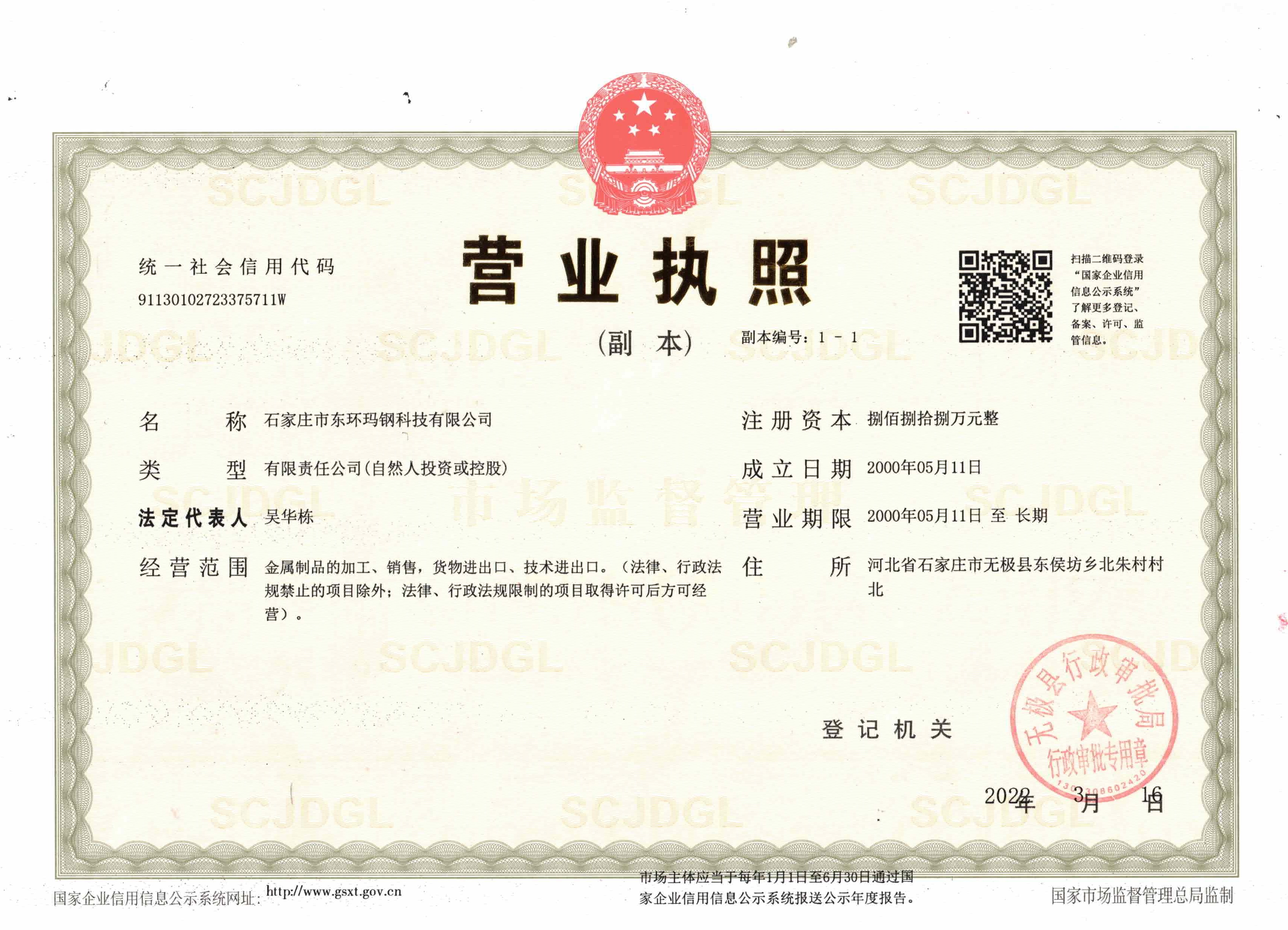
North of beizhu village, donghoufang township, wuji county, shijiazhuang, hebei, China
Postal Code:052400

Mob web

Tiktok