Shijiazhuang Donghuan malleable iron technology co.,ltd




How to Choose the Right Black Iron Fittings for Your Project Without Breaking the Bank
Release time:
2026-06-22
Author:
Choose black iron fittings best price by matching system needs, checking certifications, and comparing quality for safe, budget-friendly results.


Selecting black iron fittings at the best price helps you save money while ensuring quality. It also prevents costly mistakes down the line. Always check what your system requires before purchasing. Watch for rust and follow proper installation steps. If black iron fittings do not fit correctly, leaks or weak spots may develop. Ignoring rust can lead to breakage and higher repair costs. Finding black iron fittings at the best price means you avoid overspending while keeping your system safe and durable. By making smart choices, you protect your project and your budget.
Tip: Always match black iron fittings to your project’s pressure and temperature for the best results.
Key Takeaways
Figure out what your project needs before you buy black iron fittings. This helps make sure everything fits and you do not make expensive mistakes. - Always look at the pressure and temperature ratings on the fittings. Make sure these ratings match what your system needs so you do not get leaks or breaks. - Pick materials and coatings that do not rust, especially if things get wet. This makes the fittings last longer and keeps things safe. - Buy from suppliers who have good reviews and the right certificates. Good fittings help stop leaks and save you from big repairs. - Think about how much fittings will cost over time. Spending more on good fittings now can help you save money on fixing things later.
Define Project Needs and Compatibility
Application and System Requirements
Start by figuring out what your project needs. Each system is different. Gas lines, water supply, and HVAC need different black iron fittings. Think about what flows through the pipes. Check the pipe size. Look at where the system will be used.
The table below shows common things to check:
Industrial jobs need even more care. You must look for strength, durability, and flexibility. The next table shows these points:
Tip: Always check if your fittings meet standards like ASME or ASTM for safety.
Pressure and Temperature Considerations
Match your fittings to the system’s pressure and temperature. Each fitting has a rating for pressure and temperature. These ratings show the highest limits the fitting can take. If you go over these limits, leaks or breaks can happen.
ASME B16.3 gives ratings for Class 150 and 300 malleable iron threaded fittings. This keeps things the same for U.S. makers.
EN 10242 is the European rule. It uses different sizes and ratings, so check details for international fittings.
The fitting class and temperature change the rating. Higher heat lowers the pressure rating because the material gets weaker.
Always check the pressure and temperature ratings for your fittings. For example, HVAC needs fittings that handle high heat and pressure. If you skip these checks, your system could fail.
Note: Always look at the ratings on the label or datasheet before you install.
Ensuring Fitting Compatibility
Check compatibility every time. Wrong fittings can cause leaks, rust, or damage. Using the wrong thread or mixing metals can lead to leaks or rust.
Bad compatibility can cause:
Leaks from wrong threads or sealant.
Rust if black iron touches water or other metals.
Damage if pipes are not supported right.
Follow these steps to check needs and compatibility:
Look at what your project needs, like pipe size, pressure, temperature, and media.
Pick fitting types for your job, like elbows, tees, or couplings.
Check materials and coatings for strength and rust resistance.
Look for certifications and standards for quality.
Ask an expert if you are not sure about compatibility.
Think about installation and maintenance for lasting performance.
Always check compatibility with media and system needs before buying. This step saves money and keeps your system safe.
Corrosion and Environmental Factors
Dry vs. Wet Systems
Think about where you put black iron fittings. Dry and wet systems change how fast corrosion happens. Dry systems, like dry-pipe fire sprinklers, do not have water inside. Black iron fittings resist corrosion well in these systems. Wet systems, such as drinking water pipes or humid places, make corrosion happen faster. Water or moisture on fittings causes rust to form quickly.
The table below shows how black iron fittings work in different places:
Tip: Always check local codes and safety rules before picking fittings for dry or wet systems.
Material Selection for Corrosion Resistance
Pick materials that fight corrosion well, especially outdoors or in tough places. Coatings like zinc and epoxy protect black iron fittings. Galvanization puts a zinc layer on the fitting. This layer stops corrosion and keeps both inside and outside safe. Epoxy coatings make a hard surface. This blocks chemicals and moisture, so corrosion slows down.
Environmental factors can make corrosion happen faster. The table below lists the main things that affect corrosion speed:
You must follow environmental rules. These rules say you need fittings that resist corrosion and avoid coatings with bad metals. New building codes focus on safety, lasting power, and how materials affect the environment. Always check if fittings follow local codes and safety rules before you install them.
Note: Picking the right material and coating helps fight corrosion, boosts safety, and makes your system last longer.
Types of Black Iron Fittings

Common Fitting Types
You need to know the main types of black iron pipe fittings to build a safe and strong system. Each fitting serves a specific purpose in black iron pipe installations. Here are the most common black iron pipe fittings:
Elbows: Change the direction of black iron pipe runs. You find them in 90° and 45° angles.
Tees: Create a branch at a 90-degree angle from the main black iron pipe. Standard and reducing tees are available.
Couplings: Connect two black iron pipes in a straight line.
Reducers: Transition from a larger black iron pipe to a smaller one.
Unions: Allow you to disconnect black iron pipe sections easily without cutting.
Caps and Plugs: Terminate a black iron pipe run. Caps fit over male ends, plugs screw into female outlets.
Tip: Always check the size and thread type of black iron pipe fittings before you buy. This step prevents leaks and ensures a tight fit.
The table below shows the main functions of each black iron pipe fitting:
Matching Fittings to Use Case
You must match black iron pipe fittings to your project’s needs. Black iron pipe fittings work best in gas and steam systems. Their strength and durability make them ideal for these applications. You should not use black iron pipe fittings for potable water. They can rust inside and contaminate the water supply.
Gas systems: Use black iron pipe fittings for strong, leak-proof connections.
Steam systems: Choose black iron pipe fittings that handle high heat and pressure.
Water systems: Avoid black iron pipe fittings. Use other materials for drinking water.
Malleable iron fittings help you create secure joints in gas and steam lines. You get reliable performance and safety. Always check local codes before you install black iron pipe fittings.
Note: Matching the right black iron pipe fittings to your use case keeps your system safe and prevents costly repairs.
Standards, Quality, and Supplier Reliability
Material Standards and Certifications
You need to make sure black iron fittings follow strict rules. These rules keep your system safe and make sure you get good quality. Always look for the right certification before you buy anything. The table below lists some common standards and certifications for black iron fittings:
Check that every fitting has the right certification. For fire sprinkler systems, you must see UL or FM logos. Fire codes like NFPA 13 say you need these certifications. Insurance and local rules also check for these certifications.
To check certifications, do these steps: Match the heat number on the fitting to the papers. Check the material grade and specs for quality. Look at the delivery condition and size. Make sure the weight and mechanical properties are right. Check the chemical makeup and heat treatment. Look for pressure testing and other certifications. Review any extra needs.
You can also check certifications by searching the company name or model. Look at the product listing for ratings, sizes, and conditions. Watch out for fake FM marks. If you do not see the fitting in the Approval Guide, it is not certified.
Choosing Reliable Suppliers
Pick suppliers who have good quality and are reliable. Good suppliers test every fitting for quality. They use air-under-water tests to make sure no bad fittings get to you. The table below shows what to check for supplier quality and reliability:
Check supplier ratings and quality before you buy. Use the internet to find supplier ratings. B2B sites show ratings and certifications. Manufacturer lists show suppliers with certifications and ratings. Always look for ISO 9001:2015 certification. Read customer reviews and ratings to see if they are good and reliable.
Check for quality in every order. Look for certifications and ratings on every fitting. Good suppliers show certifications and ratings clearly. If you see poor quality or missing certifications, do not buy from them. High ratings and certifications mean better quality and fewer problems.
Tip: Always pick suppliers with strong ratings, certifications, and a good record. This step keeps your project and your money safe.
Black Iron Fittings Best Price and Value
Comparing Prices and Quality
You want to buy black iron fittings at the best price. You should not lose quality when you save money. Prices change because of how fittings are made. Some suppliers use better materials and new ways to make fittings. Others may use cheaper methods to lower prices. Always check for certifications like UL or FM. These marks show the fittings are safe and high quality.
Premium materials last longer and resist damage from oil.
Advanced manufacturing makes fittings more accurate and reliable.
Good quality control means fewer leaks and less oil contamination.
Certified fittings cost more but protect your system.
Higher prices usually mean better quality. Lower prices can mean weak materials or bad quality control. Compare price and quality before you buy. Use websites like Engineering Toolbox to check standards and options.
When you compare prices, look at total value. Cheap fittings may cost more later if they leak oil. Compare black iron to other materials too. Black iron works well for gas and oil lines. It is cheap but can rust in wet places. Malleable iron fittings resist rust better and last longer. They save money on repairs and maintenance.
Black iron is best for dry gas and oil systems.
Malleable iron is better for wet or humid oil jobs.
Carbon steel lasts longer but costs more at first.
You can buy in bulk to get the best price. Ask suppliers about discounts for big orders. Always check their certifications and quality checks. Good suppliers show their testing and material grades. You can also get better prices with blanket purchase orders. This helps you manage inventory and keep costs low.
Tip: Always check supplier reliability with certifications like ISO 9001 and ASTM. This step helps you get the best price without risking oil leaks or system failures.
The long-term cost matters. The table below shows how high-quality fittings compare to cheaper ones:
You should think about future costs. Cheap fittings may cause oil leaks, more repairs, and shorter life.
Avoiding Hidden Costs
When you look for the best price, watch for hidden costs. The price tag does not show everything. Some costs come up during installation or later.
Labor-Intensive Installation: Black iron fittings need careful measuring and cutting. Threading and assembly take time and skill, especially for oil lines.
Heavy Equipment Required: You may need special tools to install black iron fittings. This adds to the total cost, especially in oil-rich places.
Potential for Leaks: Over time, joints can loosen or dry out. Oil leaks can cause safety problems and need expensive repairs.
Maintenance Costs: Black iron fittings in oil systems need regular checks. Rust and corrosion mean more maintenance.
Shipping and Handling: Heavy black iron fittings cost more to ship. Always include this in your budget.
Compare black iron fittings to other options. Malleable iron fittings resist rust better and last longer in oil and humid places. They are easier to install and adjust. This means you spend less on repairs and downtime.
Black iron is cheap for oil and gas, but not for water or wet systems.
Malleable iron saves money over time with fewer leaks and less rust.
Carbon steel costs more but works best for oil lines.
Note: Always ask suppliers for a full list of costs, including shipping, installation, and maintenance. This helps you avoid surprises and get the true best price.
You can find more tips at Home Depot’s Project Guides.
Always plan for the long term. Cheap fittings may seem good, but oil leaks, rust, and extra labor can make them cost more later. Choose quality and reliability to protect your system and your budget.
Installation and Maintenance Tips

Proper Installation Steps
You must follow clear steps to stop leaks and make fittings last. First, check the threads on the pipe and fitting. Clean the threads with a wire brush. Wipe them with a rag. If you see oil, use a degreaser. This keeps dirt and metal bits from causing trouble.
Screw the fitting onto the pipe by hand. It should turn easily for a few turns. Then, use two pipe wrenches. Hold the pipe with one wrench. Tighten the fitting with the other wrench. Turn the fitting one or two times past hand-tight. Do not overtighten. Overtightening can crack the fitting or hurt the threads.
For gas or air systems, do a leak test after you finish. Spray soap and water on all joints. If you see bubbles, there is a leak. Repeat the steps to fix the leak.
Tip: Careful steps stop leaks and lower repair costs.
Maintenance for Longevity
Regular checks keep your fittings safe and working well. Look for signs of wear, rust, or leaks. If you find problems early, you can fix or change parts before big trouble happens. Strong installation helps fittings handle stress. Flexible installation works for many jobs without losing strength. Corrosion-resistant installation needs less care and keeps things safer.
Check your fittings often. Look for rust, cracks, or loose joints. Clean and tighten fittings when needed. Change broken parts right away. Routine checks lower leak risks and make fittings last longer.
Note: Good steps and care save money by stopping big repairs and downtime.
You can pick the right black iron fittings for your fire project by using a few easy steps. First, think about what your fire system needs and make sure the fittings work together. Always remember to check for rust and how hot things get for fire safety. Look at different choices to find the best price and value for your fire project. Install and take care of your fire fittings the right way to stop leaks and problems.
Here is a simple table to help you compare fire cost, fire safety, and how long things last:
Watch out for these common fire mistakes:
Not thinking about the fire Galvanic Series can make rust happen.
Use fire dielectric unions to stop rust from different metals.
Brass or bronze fire fittings can help lower rust.
If you follow these fire steps, you will make good choices and keep your fire system safe without spending too much money.
FAQ
What are black pipe fittings used for?
You use black pipe fittings to connect pipes in gas and oil distribution systems. These fittings provide strong protection against leaks. They work well for heating, fire sprinkler setups, and industrial jobs. You should not use them for drinking water.
How do black pipe fittings provide protection from corrosion?
Black pipe fittings offer protection by using coatings like zinc or epoxy. These coatings block moisture and chemicals. You get better protection in dry systems. In wet or humid places, you need extra protection to stop rust.
How can you ensure long-term durability with black pipe fittings?
You choose black pipe fittings with strong materials and proper coatings. You check for certifications and follow installation steps. Regular maintenance gives you extra protection. This helps you get long-term durability and fewer repairs.
What is the best way to maintain black pipe fittings?
You inspect black pipe fittings often. You clean threads and tighten joints. You look for rust or leaks. You replace damaged fittings quickly. Routine checks give you protection and keep your system safe.
Can you use black pipe fittings for gas and oil distribution?
You can use black pipe fittings for gas and oil distribution. These fittings give you strong protection and reliable connections. You must check local codes and standards before you install them.
Keywords:
black iron fittings best price
Recommended Reading
Leave your problems to us
If you need a solution, you can write your question and contact information in the message form, we will contact you as soon as possible after receiving it.
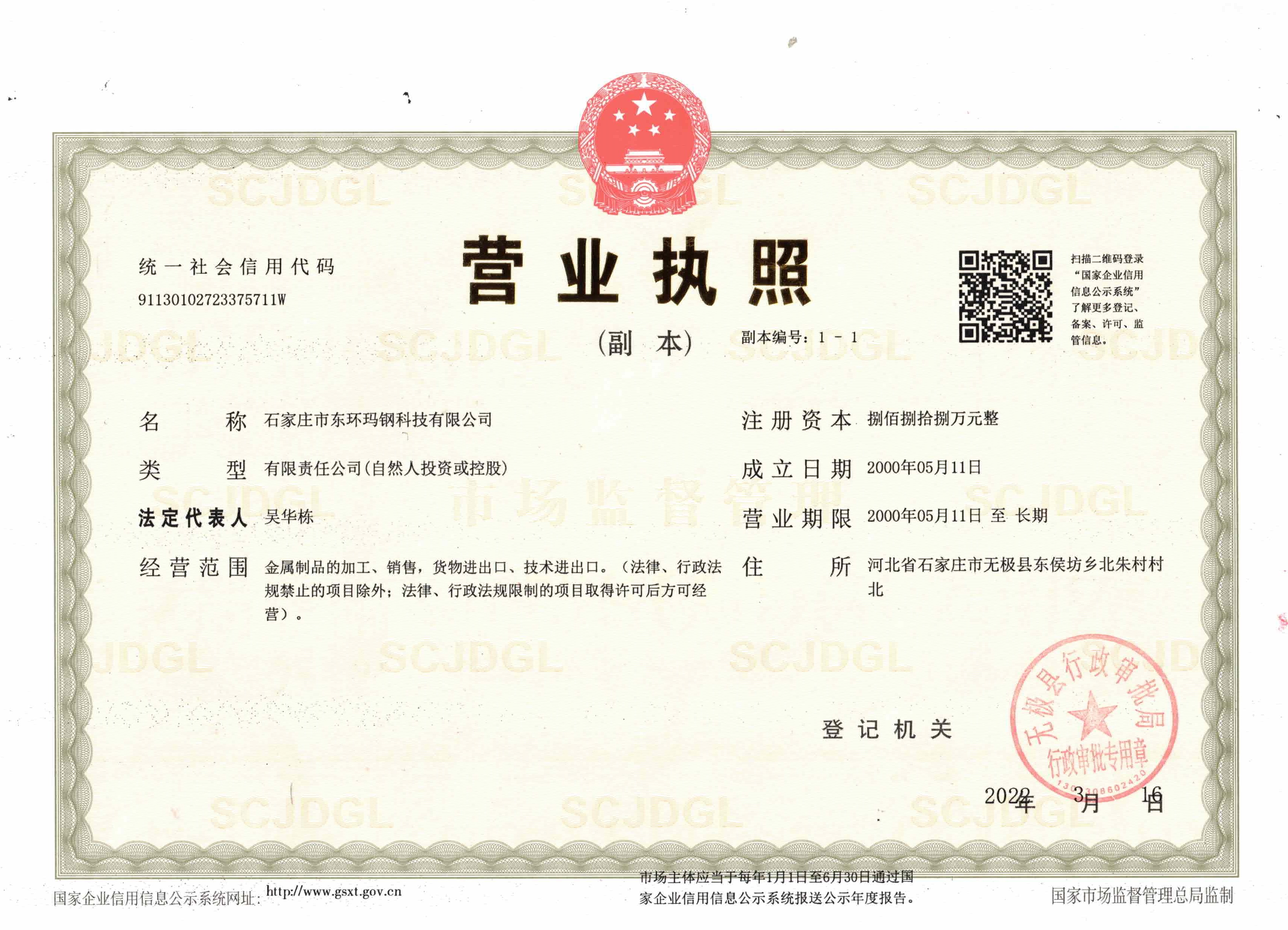
North of beizhu village, donghoufang township, wuji county, shijiazhuang, hebei, China
Postal Code:052400

Mob web

Tiktok