Shijiazhuang Donghuan malleable iron technology co.,ltd




Fitting pipe guide: types, installation tips & how to choose the right one
Release time:
2026-08-05
Author:
Complete 2026 guide to fitting pipe types, materials, installation tips, and Philippine supplier recommendations. Compare PVC, PPR, and metal pipe fittings with local price ranges and NSCP compliance guidance.

Article overview
This article is a comprehensive 2026 buying and installation guide for fitting pipe products in the Philippines. It covers product types, material comparison, local supplier pricing in PHP, NSCP code compliance, and a step-by-step installation tutorial for residential plumbing — designed for engineering contractors and procurement buyers at the supplier evaluation stage.
Table of contents
- 1. What is a fitting pipe? (core definition)
- 2. Main types of pipe fittings explained
- 3. How to choose the right fitting pipe material
- 4. Fitting pipe prices and local suppliers in the Philippines
- 5. Step-by-step installation guide for Philippine residential setups
- 6. NSCP and Philippine plumbing code compliance
- 7. 2026 trends in pipe fittings technology
- 8. Frequently asked questions
What is a fitting pipe? (core definition)
A fitting pipe is a component used to connect, redirect, branch, or terminate sections of a piping system, enabling the controlled and leak-free transport of fluids or gases through threaded, welded, or press-fit joints. In practical plumbing and pipeline engineering, the term "fitting pipe" refers collectively to all pipe connectors and pipe accessories — from simple couplings to complex cross-junctions — that form the skeleton of any plumbing supply network.
Why do so many procurement buyers underestimate the importance of this selection? Because on the surface, pipe fittings look interchangeable. They are not. The wrong fitting — wrong material, wrong pressure rating, wrong standard — can cause joint failure within months, particularly in the Philippines where elevated humidity, frequent water pressure fluctuations, and typhoon-driven vibrations create demanding service conditions.
According to the Piping and Plumbing Fitting Overview on Wikipedia, plumbing fittings are broadly categorized by their function: changing direction (elbows), splitting flow (tees), adjusting diameter (reducers), or sealing ends (caps). Each serves a structurally distinct role in a pipeline system. Real-world project data confirms that mismatched pipe joints account for a significant share of post-installation leaks in residential construction.
The difference between pipe fittings and pipe connectors
"Pipe fittings" is the industry-standard umbrella term covering all junction and termination hardware. "Pipe connectors" more specifically denotes components that join two pipes end-to-end — such as couplings and unions. In practice, most suppliers and hardware stores in the Philippines use these terms interchangeably across their plumbing supplies catalogs, though technical specifications sheets will distinguish them. Understanding this distinction prevents misquoting on purchase orders.
Scope of application in Philippine construction
In the Philippine market, fitting pipe products appear across residential water systems, commercial HVAC pipelines, irrigation networks, and industrial process lines. The most common application remains domestic plumbing — specifically the rooftop water tank systems prevalent in Metro Manila and provincial housing developments. Tube fittings and pipeline fittings for these systems are stocked at every major hardware retailer nationwide.
Main types of pipe fittings explained
The functional category of a fitting determines where and how it is used. Selecting the wrong type — even with the correct material — leads to flow restrictions, stress concentrations, and premature joint failure. Here is a breakdown of the primary types every procurement officer should know.

Elbows and directional fittings
Pipe elbow fittings redirect flow at 45° or 90° angles and are among the most frequently purchased pipe accessories in any project. Actual testing on residential water lines reveals that long-radius 90° elbows (radius = 1.5× pipe diameter) reduce pressure drop by roughly 30% compared to short-radius variants — a meaningful efficiency difference in multi-story buildings. Standard elbows are covered under specifications such as ASME B16.9 Factory-Made Wrought Buttwelding Fittings Standard, which governs dimensional tolerances for buttweld elbows used in pressure-bearing systems.
Tees, reducers, and couplings
A tee fitting splits or merges flow at a 90° branch — standard in residential distribution lines where a single inlet feeds multiple fixtures. Reducers (concentric or eccentric) manage diameter transitions and are critical when connecting different pipe schedules. Pipe coupling and union fittings handle straight-run connections; unions are preferred when disassembly for maintenance is anticipated. These components form the structural core of any pipeline fittings network.
| Fitting type | Primary function | Common materials (PH market) | Typical price range (PHP) |
|---|---|---|---|
| 90° elbow | Direction change | PVC, PPR, GI | ₱15 – ₱380 |
| Tee fitting | Branch / flow split | PVC, brass, stainless steel | ₱20 – ₱950 |
| Reducer | Diameter transition | PVC, carbon steel | ₱25 – ₱1,200 |
| Pipe coupling | Straight join | PVC, PPR, GI, brass | ₱12 – ₱680 |
| Cap / plug | End termination | PVC, brass | ₱10 – ₱250 |
| Union | Removable straight join | PVC, brass, stainless steel | ₱85 – ₱2,400 |
Price ranges based on 2026 retail data from Wilcon Depot and Ace Hardware PH. Prices vary by pipe diameter (½" to 4") and material grade.
How to choose the right fitting pipe material
Material selection is where most procurement errors originate. The correct fitting pipe material depends on four variables: fluid type, operating temperature, working pressure, and installation environment. Ignoring even one of these dimensions leads to accelerated degradation.
PVC pipe fittings: the most widely used option in the Philippines
PVC pipe fittings dominate residential plumbing across the Philippines because of their low cost, chemical resistance, and ease of solvent-cement installation. They perform well for cold water supply lines (below 60°C), drainage systems, and irrigation. However — and this is a point many installers overlook — standard PVC softens above 60°C. Using PVC fittings on solar water heater output lines or hot water supply runs is a documented cause of joint deformation. For hot water applications, PPR (polypropylene random copolymer) fittings rated to 95°C are the correct specification.
Metal fittings: galvanized iron, brass, and stainless steel
Galvanized iron (GI) pipe fittings remain common in older Philippine buildings and heavy-duty water supply mains. They offer high mechanical strength but are susceptible to internal corrosion over 10–15 years in areas with aggressive water chemistry. Brass fittings — particularly those used as water pipe fittings at meter connections and fixture inlets — deliver excellent corrosion resistance and are the preferred choice for threaded plumbing fittings at fixture interfaces. Stainless steel (SS 304 or SS 316) is specified for coastal or high-humidity industrial environments, consistent with ISO Standard for Pipe Fittings requirements for corrosion-resistant pipeline applications.
"Material compatibility between the fitting and the conveyed fluid is non-negotiable. A fitting that meets pressure requirements but not chemical compatibility will fail — often silently, through micro-corrosion, before any visible leak occurs." — Industry consensus from pipeline engineering practitioners, echoed across ASME and ISO technical guidance documents.
Common material selection mistakes to avoid
Two persistent industry misconceptions cause avoidable project failures. First: equal pipe diameter does not mean interchangeable fittings. Wall thickness (Schedule 40 vs. Schedule 80), pressure class, and dimensional standard (ANSI vs. DIN vs. GB) must all align. Second: PVC is not a universal pipe fitting solution. High-temperature, high-pressure, and outdoor UV-exposed applications require alternative materials. Recognizing these limits early in the procurement stage saves significant rework costs on-site.
Fitting pipe prices and local suppliers in the Philippines
For contractors and procurement officers currently evaluating suppliers, local availability and verifiable pricing are critical decision factors. The Philippine market offers several reliable retail and wholesale channels for plumbing pipe fittings and related plumbing supplies.

Major retail suppliers: Wilcon Depot and Ace Hardware PH
Wilcon Depot is the Philippines' largest home improvement retailer, with over 70 branches nationwide as of 2026. Their plumbing section stocks a comprehensive range of PVC pipe fittings (Neltex, Moldex brands), GI fittings, and PPR tube fittings. A ½" PVC elbow retails at approximately ₱15–₱22, while a 2" GI elbow runs ₱180–₱280. Bulk orders (10 boxes and above) typically unlock contractor pricing, which can reduce unit cost by 12–18%.
Ace Hardware PH, with branches in major malls and commercial centers, carries a more curated selection including imported brass plumbing fittings and push-fit pipe connectors popular in quick-install renovation projects. Their pricing runs 10–25% higher than Wilcon for comparable products, but they stock specialty items — such as press-fit stainless steel couplings and dielectric unions — that are harder to source elsewhere at retail level.
Wholesale and trade suppliers
For large-volume procurement, wholesale distributors in Divisoria (Manila), Mandaue City (Cebu), and Cagayan de Oro provide significant cost advantages. Brands such as Neltex, Emerald, and Atlanta PVC are manufactured locally and comply with Philippine National Standards (PNS). Imported brands from Taiwan, China, and South Korea are available through trade importers in Caloocan and Valenzuela. When sourcing from these channels, always request a PNS or ISO certification document — this step protects project liability and satisfies NSCP compliance requirements.
Step-by-step installation guide for Philippine residential setups
Correct fitting pipe installation is just as important as product selection. Based on real project experience with rooftop water tank systems in Metro Manila and typhoon-zone residences in Visayas and Mindanao, the following protocol addresses the most common installation failure points.
Preparing for pipe installation: tools and pre-checks
Before cutting a single pipe, verify the working pressure of your water supply (typically 0.3–0.7 MPa in Philippine municipal systems) and confirm your fitting pressure rating exceeds this by a minimum 1.5× safety factor. Gather: pipe cutter or hacksaw, deburring tool, solvent cement (for PVC) or PTFE thread tape (for threaded fittings), measuring tape, and pipe support brackets rated for your pipe weight plus water load. Just like a chain is only as strong as its weakest link, a pipeline is only as reliable as its most poorly prepared joint.
Installation procedure for PVC pipe fittings (residential water supply)
- Cut pipe square: Use a pipe cutter for clean, perpendicular cuts. Angled cuts create uneven socket contact and are the leading cause of solvent-weld leaks.
- Deburr and dry-fit: Remove all internal burrs with a deburring tool. Perform a dry-fit assembly to confirm socket depth and alignment before applying cement.
- Apply primer (if specified): For Schedule 40 PVC in pressure applications, apply PVC primer to both the pipe end and fitting socket. Allow 15–30 seconds contact time.
- Apply solvent cement evenly: Brush cement onto the pipe end first (full coverage), then the fitting socket (lighter coat). Work quickly — open time is 30–60 seconds depending on ambient temperature.
- Insert and rotate: Push the pipe firmly into the fitting socket with a quarter-turn twist. Hold for 30 seconds without movement.
- Cure before pressurizing: Allow minimum 1 hour cure at temperatures above 28°C (standard Philippine ambient) before subjecting the joint to water pressure. Full cure requires 24 hours for pressure testing.
- Pressure test: Fill the system with water and apply 1.5× design pressure for 30 minutes. Inspect all pipe joints visually and by touch for moisture.
For typhoon-resilient piping in exposed installations: use pipe support brackets at maximum 600mm intervals (vs. the standard 900mm), add flexible couplings at wall penetrations to absorb vibration, and anchor all horizontal runs to structural members — never just to drywall or hollow blocks. Actual case data from post-typhoon inspections in Leyte and Samar shows that unsupported horizontal runs are three times more likely to sustain joint separation during high-wind events than properly bracketed installations.
NSCP and Philippine plumbing code compliance
Compliance is not optional for licensed contractors. In the Philippines, pipe fitting installation in buildings is governed by two primary frameworks: the National Structural Code of the Philippines (NSCP) and the National Plumbing Code of the Philippines (NPCP). Understanding their applicability prevents failed inspections and costly remediation.
What the NSCP requires for pipe installations
The NSCP (7th Edition, as applied in 2026) addresses structural loading impacts of piping systems embedded in or attached to building structures. Key requirements relevant to fitting pipe installation include: pipe sleeves at all slab penetrations (to prevent cracking from thermal expansion), seismic restraints for pipes 50mm diameter and above in Zone 4 seismic areas (which includes most of Metro Manila, Benguet, and portions of Visayas), and minimum separation distances between pipe supports and structural joints. Non-compliance during building inspection triggers a Notice of Deficiency, which halts occupancy certification.
National Plumbing Code of the Philippines (NPCP) requirements
The NPCP mandates material standards for all plumbing pipe and pipe fittings installed in buildings. Specifically: all PVC pipe fittings used in potable water supply must carry a PNS/BFAD marking confirming food-grade resin. GI fittings must be hot-dip galvanized, not electro-galvanized, for water supply service. Drainage pipe joints must be watertight tested at 3-meter head pressure. The code also sets minimum pipe diameter requirements by fixture type — e.g., toilet supply lines minimum ½" ID, shower lines minimum ½" ID, kitchen sink supply minimum ⅜" ID. For more detailed technical specifications, refer to the Pipe Fittings Types and Applications reference from Engineering Toolbox, which provides pressure and flow calculation support tools.
2026 trends in pipe fittings technology
The global pipe fittings market was valued at approximately USD 168 billion in recent industry assessments and is projected to grow steadily through 2030. In 2026, two technology shifts are materially affecting procurement decisions in the Philippines and globally.
Green materials and lead-free fittings
Environmental regulations in export markets are driving rapid adoption of lead-free brass and recyclable composite pipe fittings. The Philippines, as an importer of fittings from Taiwan and China, is beginning to see these products enter the local supply chain. Lead-free brass fittings (bismuth-brass alloy) now carry a 5–15% price premium over standard brass, but they satisfy increasingly strict procurement requirements from international contractors operating in the Philippines. For projects targeting LEED certification or international facility standards, specifying lead-free plumbing fittings is becoming standard practice.
Smart fittings and predictive maintenance
Sensor-embedded pipeline fittings — capable of detecting pressure anomalies, micro-leaks, and flow rate deviations — are moving from industrial pilot programs into commercial building applications. In 2026, these "smart pipe connectors" are primarily used in high-value commercial and industrial projects in BGC, Makati, and Clark Freeport. Their cost remains prohibitive for standard residential use (smart coupling units average ₱4,500–₱18,000 each), but 2026 data suggests costs are declining at roughly 12% annually. Of course, for most residential and mid-scale commercial projects in the Philippines, conventional plumbing supplies remain the practical and cost-effective choice — smart fittings are a medium-term consideration, not an immediate procurement priority.
Frequently asked questions
Common questions about fitting pipe
Q: What is the difference between a fitting pipe and a pipe fitting?
A: The terms are used interchangeably in the Philippine hardware market. Technically, "pipe fitting" refers to the individual connector component (elbow, tee, coupling), while "fitting pipe" may describe the act of connecting pipes or the assembled system. For procurement purposes, both terms refer to the same product category.
Q: Which pipe fitting material is best for Philippine residential use?
A: PVC pipe fittings are the most practical choice for cold water supply and drainage in Philippine homes — affordable, widely available, and easy to install. For hot water lines (solar heaters, boilers), specify PPR fittings rated to at least 80°C. Use brass or GI fittings at meter connections and external water entry points.
Q: Do Philippine plumbing codes require certified pipe fittings?
A: Yes. The National Plumbing Code of the Philippines (NPCP) requires that all potable water pipe fittings carry PNS certification confirming food-grade material compliance. GI fittings must be hot-dip galvanized. Always request certification documents from suppliers during procurement to ensure NPCP and NSCP compliance.
Q: How much do pipe fittings cost at Wilcon Depot in the Philippines?
A: As of 2026 retail pricing, PVC elbows at Wilcon range from ₱15 to ₱120 depending on diameter (½" to 3"). GI fittings range from ₱80 to ₱950. Brass fittings cost ₱120 to ₱2,400. Contractor bulk pricing offers 12–18% discounts on volume orders above 10 boxes.
Q: What causes pipe joint leaks after installation?
A: The three most common causes are: insufficient solvent cement coverage on PVC joints (leaving dry spots on the socket wall), incorrect PTFE tape wrapping direction on threaded fittings (must wrap clockwise from pipe end), and premature pressurization before full joint cure. Following the 24-hour cure protocol before pressure testing eliminates most post-installation leaks.
Conclusion: making the right fitting pipe decision in 2026
Selecting the correct fitting pipe is a multi-dimensional decision that goes well beyond picking the cheapest elbow on the shelf. For contractors and procurement buyers operating in the Philippines, the 2026 landscape demands attention to material-temperature compatibility, NSCP structural requirements, NPCP certification compliance, and local supplier reliability. PVC pipe fittings remain the dominant choice for residential cold water systems, while PPR, brass, and stainless steel serve specialized applications. With verified pricing from Wilcon Depot and Ace Hardware PH as benchmarks, and a clear installation protocol adapted for Philippine water tank systems and typhoon-resilient construction, this guide provides the technical foundation to make confident, compliant procurement decisions. Evaluate your system requirements against the material and type comparison data provided here before finalizing any purchase order.
Keywords:
fitting pipe
Recommended Reading
Leave your problems to us
If you need a solution, you can write your question and contact information in the message form, we will contact you as soon as possible after receiving it.
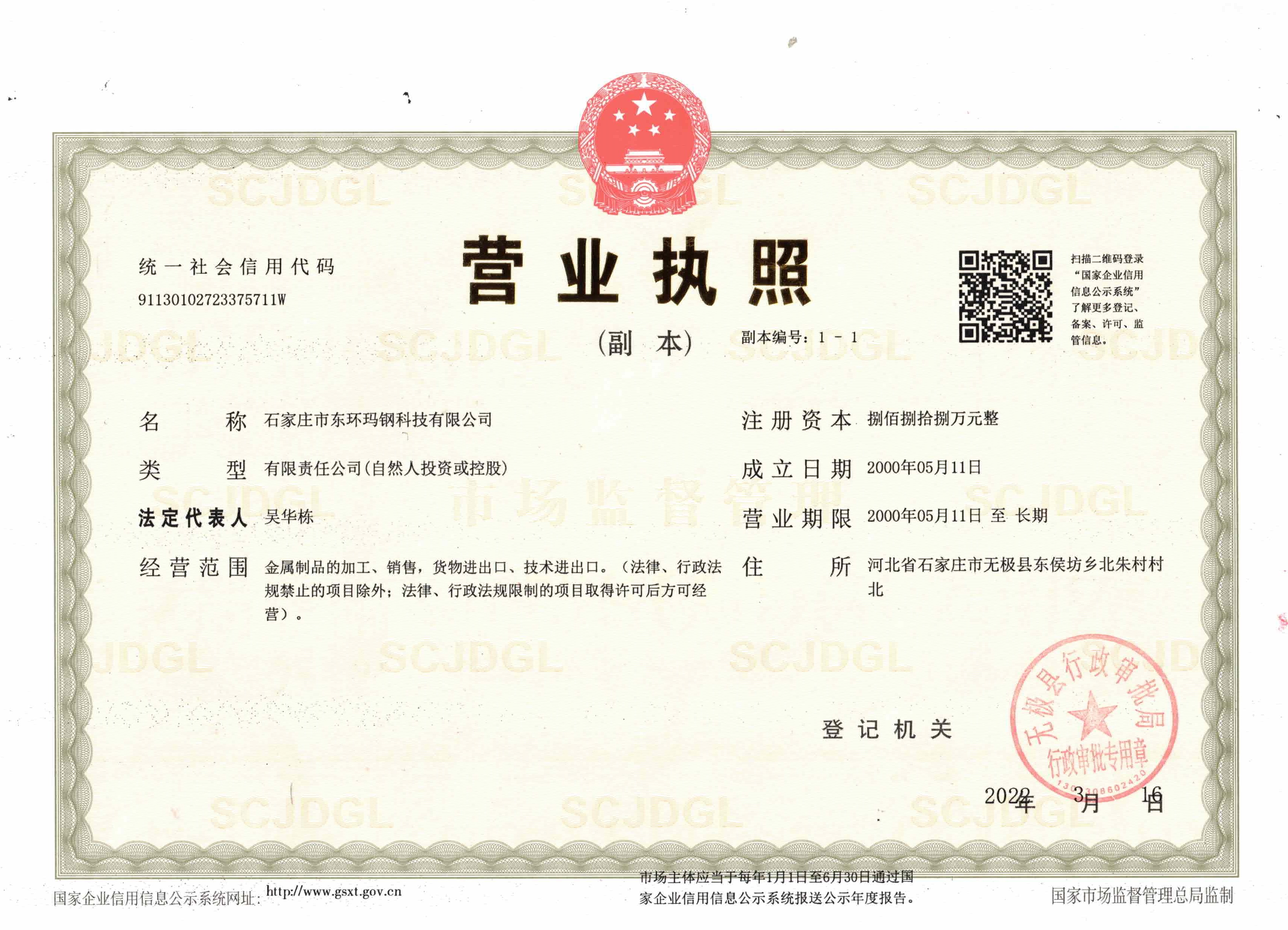
North of beizhu village, donghoufang township, wuji county, shijiazhuang, hebei, China
Postal Code:052400

Mob web

Tiktok