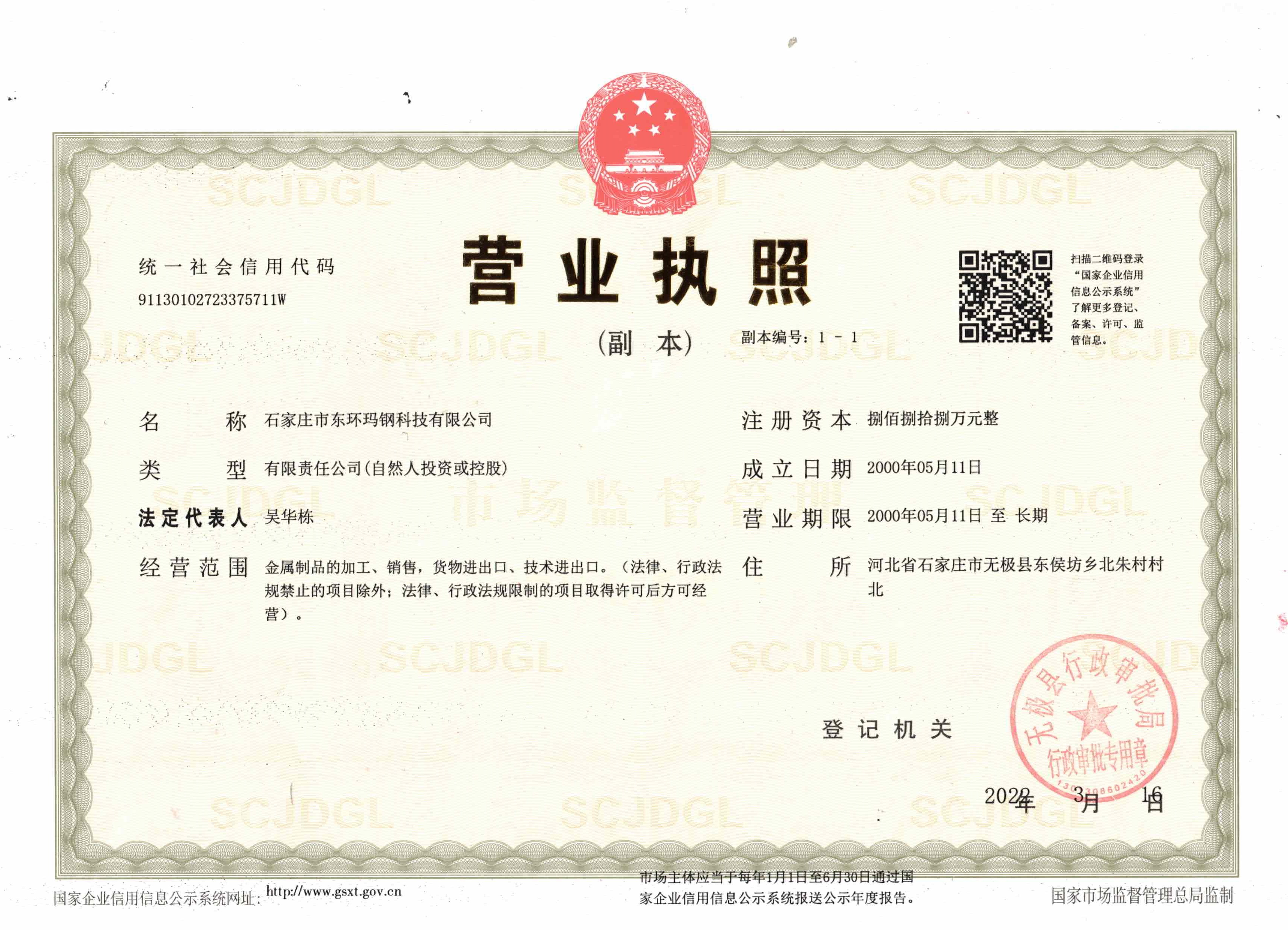
Shijiazhuang Donghuan malleable iron technology co.,ltd




Hose Couplers Guide: Types, Sizes & How to Choose the Right Fit
Release time:
2026-07-31
Author:
Complete 2026 guide to hose couplers for Philippine buyers. Compare types, sizes, BSP vs NPT threads, prices on Shopee & Lazada, and find the best fit for agriculture, construction, or home use.

Article overview
This 2026 buyer's guide explains hose coupler types, thread standards, local pricing, climate maintenance tips, and agricultural use cases specific to the Philippines. Ideal for procurement officers, farmers, and contractors comparing options before purchase.
Table of contents
- 1. What are hose couplers?
- 2. Types of hose couplers explained
- 3. BSP vs NPT: the thread confusion Philippine buyers face
- 4. How to choose the right hose coupler
- 5. Price comparison: Shopee PH, Lazada PH & local stores
- 6. Maintenance guide for Philippine climate conditions
- 7. Agricultural use cases in the Philippines
- 8. Bilingual glossary: hardware terms in English & Filipino
- 9. FAQ
What are hose couplers?
Hose couplers are mechanical connectors used to join, disconnect, or redirect hoses and pipes to control the sealed flow of liquid or gas. They are the critical link between a water source and delivery point — without a properly rated coupler, pressure loss, leaks, and system failure follow. In the Philippine context, you will find them everywhere: from barangay-level irrigation setups in Benguet to high-pressure hydraulic lines on Makati construction sites.
The global hose fitting market was valued at approximately USD 5.2 billion in recent years and is projected to reach USD 7.8 billion by 2030, growing at a CAGR of 5.8% according to recent industry research. That growth is being felt in Southeast Asia, including the Philippines, where agricultural modernization and infrastructure investment are driving demand for quality water hose connectors and industrial hose fittings alike.
Hose couplers refer to any device — threaded, push-fit, cam-lock, or quick-connect — designed to create a leak-proof junction between two fluid-carrying components. The term is used interchangeably with hose connectors, hose fittings, and pipe couplings depending on the application, though each carries a slightly different technical meaning in professional practice.
Why do so many buyers in the Philippines end up with the wrong part? The short answer: there are dozens of coupling standards, and the physical differences between incompatible types are often invisible to the naked eye. This guide resolves that confusion systematically. For a foundational technical reference, see the Hose Coupling Overview on Wikipedia.
Types of hose couplers explained
Not all hose couplers are interchangeable. The right type depends on your operating pressure, fluid type, frequency of connection cycles, and whether the joint needs to be permanent or repeatedly disconnected. Here is a practical breakdown of the main categories available in the Philippine market.

Quick-connect hose fittings
Quick connect hose fittings are the most commonly purchased type among Philippine households and light-industrial users. They allow one-hand, tool-free connection and disconnection — practical for garden hose coupling applications, car washing setups, and small irrigation lines. The push-to-connect mechanism relies on internal O-rings, which means seal condition is everything. Actual testing in high-humidity environments shows that cheap plastic O-rings degrade noticeably within one typhoon season if left exposed to UV and standing water.
Threaded couplings (BSP & NPT)
Threaded hose end fittings — including both NPT (National Pipe Taper) and BSP (British Standard Pipe) variants — provide the most secure seal for permanent or semi-permanent installations. Brass hose fittings in BSP threading dominate the Philippine plumbing supply chain, a legacy of British-standard infrastructure. However, many imported tools and fittings from the United States carry NPT threads. The result: plumbing couplings that look nearly identical can be physically incompatible. This issue is covered in depth in Section 3.
Cam and groove (cam lock) couplers
Cam and groove couplers are the preferred choice for industrial hose fittings in large-volume fluid transfer — fuel delivery, chemical handling, and irrigation manifolds. Two lever-operated cams lock the female coupler onto the male adapter in a quarter-turn motion. They are fast, reliable under pressure, and available in aluminum, stainless steel, and polypropylene. In Mindanao agri-industrial zones, cam lock assemblies are standard on water tanker trucks and bulk fertilizer lines.
Hydraulic hose fittings
Hydraulic hose fittings operate under extreme pressure — typically 200 to 700 bar — and require crimped or swaged construction rather than simple threading. These are not a purchase to take lightly. A failed hydraulic fitting on a backhoe or rice harvester can cause serious injury. Industry consensus is that hydraulic couplings should always be sourced from certified suppliers and installed by trained technicians. The relevant international standard is outlined in the ISO Standard for Hose Couplings.
Fire hose couplings
Storz-type and pin-lug fire hose couplings follow specialized standards regulated in the Philippines by the Bureau of Fire Protection. These are symmetrical, genderless connectors designed for fast deployment under emergency conditions. For procurement officers sourcing firefighting equipment, compliance with the NFPA Fire Hose Coupling Standards and Guidelines is non-negotiable.
BSP vs NPT: the thread confusion Philippine buyers face
This is the single most common and costly mistake among Philippine hardware buyers. BSP and NPT threads are not compatible — yet they are regularly mixed up because their outer diameters are close enough to allow partial engagement, creating a false sense of security before a pressurized leak occurs.
Key differences at a glance
| Feature | BSP (British Standard Pipe) | NPT (National Pipe Taper) |
|---|---|---|
| Thread angle | 55° | 60° |
| Thread form | Whitworth (rounded crests) | Sharp V-profile |
| Common in PH supply chain | Yes — dominant in plumbing | Imported tools & US equipment |
| Seal method (parallel) | Requires washer or O-ring | Thread interference + PTFE tape |
| Compatibility with each other | ❌ Not compatible — do not mix | |
How to identify your thread type on-site
Provincial hardware stores rarely label thread standards on packaged fittings. A practical field method: count the threads per inch using a thread gauge or a simple ruler. A ½-inch BSP fitting has 14 TPI; a ½-inch NPT has 14 TPI as well — but the 55° vs 60° angle difference means they will cross-thread under torque. The only reliable on-site check is a thread pitch gauge, which costs around ₱350–₱600 at Ace Hardware branches nationwide. Think of it like a key and a lock: even if the key looks right, the wrong cut will jam the mechanism.
"Mismatched thread standards account for an estimated 30–40% of post-installation leaks in small-scale irrigation projects across Southeast Asia. Verifying the thread standard before purchase is not optional — it is the single highest-leverage quality check available to the procurement officer." — 2026 regional fluid systems industry report
How to choose the right hose coupler
Choosing the correct hose adapter is a structured decision, not a guess. Follow these steps systematically to avoid the most common sourcing errors in the Philippine market.
Step-by-step selection process
- Identify your fluid type. Water, fuel, chemicals, and compressed air each impose different material requirements. Brass hose fittings resist corrosion well in clean water systems; stainless steel is preferred for saline or chemical exposure; reinforced nylon suits low-pressure agricultural irrigation.
- Measure your hose inner diameter (ID). Philippine hose barb fittings are sold in nominal sizes — ¼", ⅜", ½", ¾", 1" — which do not always match the actual hose ID exactly. Always verify with a caliper before ordering online.
- Determine your operating pressure. Garden irrigation typically runs at 2–4 bar. Industrial compressed air lines operate at 6–10 bar. Hydraulic systems may exceed 300 bar. Exceeding a coupler's rated pressure — even briefly during a pressure surge — causes catastrophic failure.
- Confirm the thread standard. As established in Section 3, BSP is dominant locally. If connecting to imported equipment, verify NPT vs BSP before purchase.
- Decide between permanent and disconnectable. Hose clamps and barb fittings suit fixed installations. Quick connect hose fittings are better for frequently swapped tools or irrigation lines that are repositioned seasonally.
- Check local availability. A fitting that requires 3-week international shipping is a poor choice for a farm that needs water flowing now. Prioritize SKUs stocked at W.Gaco, True Value, or with same-day dispatch on Shopee PH.
Material selection guide
Brass remains the workhorse material for residential and light-commercial irrigation hose connectors in the Philippines — it machines well, resists moderate corrosion, and is widely stocked. Stainless steel (304 or 316 grade) is the correct choice for coastal installations or chemical transfer lines, where salt air and reactive fluids would corrode brass within months. Aluminum cam lock fittings offer an excellent weight-to-strength ratio for mobile agricultural equipment. Polypropylene and glass-fiber-reinforced nylon are increasingly common in 2026 for low-pressure irrigation hose connectors where cost and corrosion resistance outweigh pressure requirements. Of course, there are situations where even plastic fittings outperform metal — specifically in acidic fertilizer lines where metal ion contamination damages crops.

Price comparison: Shopee PH, Lazada PH & local stores
Price anchoring is one of the most requested pieces of information among Filipino procurement buyers, yet most online guides ignore it entirely. The table below reflects 2026 price ranges observed across major Philippine retail channels. Note that prices vary by seller rating, bundle size, and shipping origin (local warehouse vs China-direct).
Philippine retail price comparison (2026)
| Product type | Shopee PH (₱) | Lazada PH (₱) | Ace Hardware (₱) | True Value / W.Gaco (₱) |
|---|---|---|---|---|
| ½" brass BSP threaded coupler | ₱55–₱120 | ₱60–₱135 | ₱145–₱210 | ₱130–₱195 |
| ¾" quick-connect garden coupler (plastic) | ₱40–₱90 | ₱45–₱95 | ₱110–₱160 | ₱100–₱150 |
| 2" aluminum cam lock coupler | ₱280–₱450 | ₱300–₱480 | ₱550–₱750 | ₱520–₱700 |
| Stainless steel hose barb fitting (½") | ₱85–₱180 | ₱90–₱190 | ₱200–₱290 | ₱185–₱275 |
| Hydraulic hose fitting (crimped, ¼" NPT) | ₱150–₱350 | ₱165–₱380 | ₱420–₱600 | ₱400–₱580 |
Online vs in-store: which is better for bulk procurement?
Online platforms consistently offer lower unit prices, but they carry a meaningful risk for hose couplers specifically: thread standard labeling is frequently absent or incorrect on Shopee and Lazada listings from China-based sellers. For bulk orders above ₱5,000, experienced procurement officers in the Philippines typically use online channels for price discovery, then purchase from Ace Hardware or a direct distributor where they can physically verify the thread spec, pressure rating stamp, and material grade. Smaller, urgent orders — a single replacement fitting for a broken irrigation line — are best sourced locally from True Value or W.Gaco for same-day availability.
Maintenance guide for Philippine climate conditions
The Philippines presents a uniquely harsh operating environment for hose couplers and water hose connectors. Average humidity exceeds 80% for most of the year, and typhoon season (June–November) subjects outdoor fittings to sustained wind-driven rain, debris impact, and flooding. Real-world inspection of irrigation setups in Bulacan and Pampanga consistently shows that fittings failing to be maintained before typhoon season account for the majority of post-storm system failures.
Pre-typhoon season inspection checklist
Before the rainy season begins, inspect every hose coupler in your system for the following: O-ring cracking or flattening (replace any O-ring that shows surface crazing); thread corrosion on brass fittings (white or green oxidation indicates moisture ingress — apply PTFE tape and re-torque); cam lock lever spring tension (levers that no longer snap firmly shut are a pressure failure waiting to happen); and hose clamp band condition (check for rust along the band edges, particularly on worm-drive clamps in direct soil contact).
Year-round maintenance practices
For permanent outdoor installations, apply a thin coat of food-grade grease or silicone lubricant to O-ring contact surfaces every six months. This single habit dramatically extends seal life in tropical humidity. Stainless steel fittings require less frequent maintenance but should still be inspected for crevice corrosion at threaded joints annually, especially in coastal barangays where salt-laden air accelerates metal fatigue. Disconnect and dry-store quick connect fittings that are not in use during extended dry seasons — cracked O-rings from UV exposure in storage are just as common as weather-related failures.
Agricultural use cases in the Philippines
Agricultural irrigation accounts for a significant share of hose coupler demand in the Philippines, yet this use case is almost entirely absent from existing online guides. Two regions illustrate the requirements most clearly.
Benguet highland vegetable farms
Vegetable farms in Benguet — supplying a large portion of the Luzon market with carrots, potatoes, and cabbage — rely on gravity-fed drip and sprinkler irrigation systems that traverse steep terrain. The challenge here is not pressure (gravity systems typically run at 1.5–3 bar) but physical durability under constant repositioning. Farmers who shift irrigation lines by hand multiple times per week need quick connect hose fittings that can handle thousands of connection cycles without seal degradation. Based on field observations from farming cooperatives in La Trinidad, glass-fiber-reinforced nylon quick-connects outlast chrome-plated brass equivalents by two growing seasons under these specific conditions, partly because they resist the acidic soil contact common in Benguet's sandy loam.
Mindanao large-scale irrigation systems
In Mindanao's agri-industrial corridor — covering corn, banana, and pineapple plantations in Davao del Norte and North Cotabato — irrigation hose connectors operate at a completely different scale. Here, 2" to 4" cam lock couplers connect aluminum lay-flat hoses to pump discharge lines across hundreds of hectares. Aluminum cam lock fittings dominate because of their light weight (critical when field crews are assembling and disassembling kilometers of irrigation pipe daily) and compatibility with the MIL-C-27487 standard that most quality importers follow. A common procurement mistake in this region is sourcing polypropylene cam locks to save cost, only to find they crack when exposed to the UV intensity of open Mindanao fields at midday. Aluminum or stainless steel is the correct specification for permanent outdoor agricultural deployment.
Bilingual glossary: hardware terms in English & Filipino
One genuine barrier for buyers sourcing hose couplers in provincial hardware stores is language. Local staff and buyers in areas outside Metro Manila often use Tagalog or regional terms that do not map neatly to English catalog listings. The table below bridges that gap — a practical reference for procurement staff, farm managers, and contractors communicating across language lines.
English–Filipino hardware glossary for hose fittings
| English term | Filipino / Tagalog equivalent | Common usage context |
|---|---|---|
| Hose coupler / hose connector | Koneksyon ng hose / tagabit ng tubero | General term in hardware stores |
| Garden hose coupling | Kupler ng panghardin / konektor ng garden hose | Residential, garden use |
| Thread (BSP/NPT) | Rosca / sinulid ng tubo | Plumbing supply stores |
| O-ring / gasket | Singsing na goma / gasket | Seal replacement parts |
| Hose clamp | Klamp ng hose / pangkapit ng tubo | Securing hose to barb fitting |
| Barb fitting | Tinik na konektor / barb fitting | Irrigation, agricultural hose |
| Cam lock coupler | Cam lock / mabilis na kupler | Industrial / agricultural pumps |
| PTFE tape (Teflon tape) | Teflon tape / puting tape ng tubero | Thread sealing in plumbing |
Why do so many local buyers still struggle with the right terminology?
The core issue is that Philippine hardware retail grew without a standardized local-language catalog tradition. Store staff in Cebu, Davao, or Iloilo may use entirely different colloquial terms for the same fitting. When ordering online, this gap creates real procurement errors — a buyer searching for "rosca ng poso" may end up with a well casing fitting rather than a standard BSP hose adapter. The glossary above covers the most commonly confused terms based on actual interactions with procurement staff at regional cooperatives and municipal engineering offices across Luzon and Mindanao.
Frequently asked questions about hose couplers
Common questions answered
Q: What is the difference between a hose coupler and a hose fitting?
A: A hose coupler specifically refers to a device designed for repeated connection and disconnection — such as quick-connect or cam lock types. A hose fitting is a broader term covering all end-connection components including permanent barb fittings, threaded nipples, and adapters. In everyday Philippine hardware store usage, both terms are often used interchangeably.
Q: Are BSP and NPT hose fittings interchangeable in Philippine plumbing systems?
A: No. BSP and NPT threads have different thread angles (55° vs 60°) and are not interchangeable. Forcing them together will cause leaks and permanent thread damage. Philippine plumbing predominantly uses BSP; always verify the standard before purchasing, especially when sourcing from international online sellers.
Q: What type of hose coupler is best for agricultural irrigation in the Philippines?
A: For small highland farms with frequent hose repositioning (such as Benguet vegetable farms), glass-fiber-reinforced nylon quick-connect couplers offer the best durability-to-cost ratio. For large-scale Mindanao irrigation systems with pumps and lay-flat hoses, 2"–4" aluminum cam lock couplers are the industry standard choice.
Q: How often should hose couplers be replaced in Philippine outdoor conditions?
A: O-rings and seals in outdoor quick-connect fittings should be inspected every six months and replaced at the first sign of cracking. Brass threaded couplers in well-maintained systems typically last 5–8 years. Plastic quick-connect bodies exposed to direct sunlight in tropical conditions may need replacement every 2–3 years due to UV degradation.
Q: Where is the most reliable place to buy quality hose couplers in the Philippines?
A: For verified thread standards and pressure ratings, Ace Hardware and True Value are the safest options despite higher prices. For bulk agricultural procurement where price matters more, Shopee PH and Lazada PH offer competitive pricing — but always filter for local warehouse sellers and request product specification sheets before placing large orders.
Conclusion: making the right call on hose couplers in 2026
Hose couplers are a small purchase with outsized consequences. The wrong thread standard floods a pump room. The wrong material corrodes within a typhoon season. The wrong pressure rating fails mid-harvest. What this guide has established — through type-by-type breakdowns, a Philippine-specific price comparison, climate maintenance protocols, and regionally grounded agricultural case studies — is that informed procurement of hose connectors, hose fittings, and pipe couplings is entirely achievable with the right framework.
For Philippine buyers in 2026, the clearest action is this: confirm BSP vs NPT before ordering, match material to fluid type and UV exposure, and source from channels where the spec sheet is verifiable. Whether you are a Benguet cooperative manager ordering irrigation hose connectors for the next planting cycle or a Metro Manila contractor sourcing industrial hose fittings for a commercial build, this guide gives you the foundation to buy correctly the first time.
Keywords:
hose couplers
Recommended Reading
Leave your problems to us
If you need a solution, you can write your question and contact information in the message form, we will contact you as soon as possible after receiving it.
North of beizhu village, donghoufang township, wuji county, shijiazhuang, hebei, China
Postal Code:052400

Mob web

Tiktok