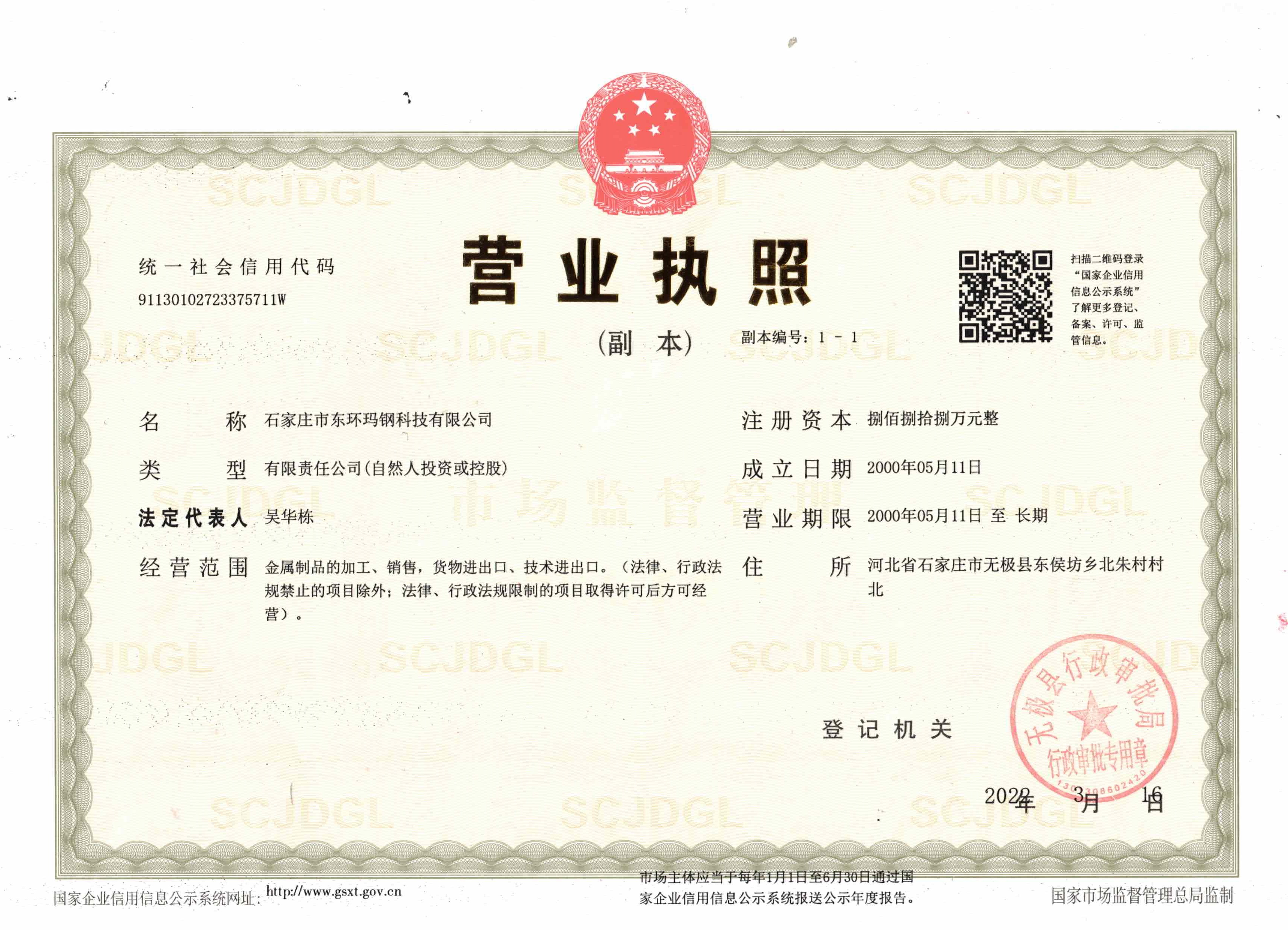
Shijiazhuang Donghuan malleable iron technology co.,ltd




What Are the Most Popular Air Line Fittings This Year
Release time:
2026-05-22
Author:
Quick-connect air line fittings lead 2026 for leak prevention, easy use, and safety. Find out which fittings suit your tools and air system best.

You want the best air line fittings for 2026, and quick-connect types lead the pack this year. People love them because they snap on fast and help you avoid leaks. Users value features like easy pressure release and solid construction. Compatibility matters—make sure your fittings match your hose and tools. Safety and ease of use stand out as must-haves. Think about what you need most before you choose.
Air Line Fittings Overview

Air line fittings connect your hose to tools, compressors, or other equipment. You use them to create a secure path for air to flow, which keeps your air-powered tools running smoothly. These small parts play a big role in making sure your system works safely and efficiently.
Types of Air Line Fittings
You will find several main types of air line fittings, each with its own job:
Quick-Connect
Quick-connect fittings let you snap hoses and tools together in seconds. You just push and click—no tools needed. This type is perfect when you switch tools often or want to save time in a busy shop.
Barbed
Barbed fittings have ridges that grip the inside of a hose. You slide the hose over the barbs, and the fit holds tight. These work well for permanent setups where you do not need to disconnect often.
Compression
Compression fittings use a nut and ferrule to squeeze the hose and create a tight seal. You often see these in automotive or industrial systems where leaks are not an option.
Threaded
Threaded fittings screw into place. You get a strong, leak-free connection, especially when you use thread sealant. The 1/4" NPT thread is a common standard in many air systems.
Specialty
Specialty fittings include elbows, tees, reducers, and valves. You use these to change direction, split air lines, or control flow. They help you build custom setups for unique projects.
Tip: Always check if your air line couplers match the type and size of your hose and tools. This helps prevent leaks and keeps your system safe.
Here’s a quick look at some industry standards:
You can learn more about fitting standards from resources like SAE International or Pneumatic Standards.
Common Applications
Air line fittings show up in many places. Here’s where you might use them:
Automotive
You use air line fittings for tire inflation, air brakes, and suspension systems. Quick-connect types make it easy to swap out hoses in busy automotive bays.
Industrial
Factories rely on air line fittings to keep production lines moving. Pneumatic systems use these parts to control actuators, cylinders, and other equipment. High-flow fittings help power demanding tools.
DIY/Home
If you have a home workshop, you use air line fittings to connect nail guns, paint sprayers, or other tools. Quick-connect couplers make tool changes simple and fast.
Air line fittings are essential for connecting hoses to tools, compressors, and other equipment. They help you get the most out of your air-powered systems, whether you work in a garage, factory, or home shop.
Air Line Fittings Reviews 2026
Top Rated Air Line Fittings
The best air line fittings in 2026 focus on being reliable and easy to use. People like models that do not leak and are simple to put in. Many users say these fittings save time and make work easier in busy places.
Leak-Proof Design
You need fittings that keep your system safe and tight. The top air line fittings this year use special seals and careful building. These parts help stop leaks, even with strong tools or when it gets hot or cold. Users say these fittings take 20% less time to install than old ones. You get a strong connection that works well in hard jobs.
Pressure Release Features
Pressure release buttons are very popular in 2026. You can take off your hose safely and fast, without air blowing out. This keeps your hands and tools safe. Many reviews say it is much easier to change tools or hoses with this button. You stay safe and finish jobs faster.
User Satisfaction and Ratings
Air line fittings with strong performance and easy use get high ratings. Both workers and people at home give good feedback about these features.
Professional Feedback
Professionals like fittings that work well every day. Here are things they talk about:
Push-to-connect models are fast and work well.
It is easy to take care of them, so you do not lose time.
Most leaks happen if you do not install them right, not because of the fittings.
Cutting the tubing straight helps stop leaks.
Pushing the tubing in all the way makes it fit tight.
Checking and cleaning your fittings often keeps them working well. Professionals trust these fittings for hard jobs because they know they will work.
DIY User Experiences
DIY users also like the new air line fittings. They say it is easy to put them in and use them. Here are some things users talk about in their reviews:
The design is easy to use and quick to set up.
Connections stay tight during home projects.
Pressure release features make things safer and easier.
The fittings work with many tools and hoses.
Tip: Always look for leak-proof seals and pressure release buttons when picking air line fittings. These features help your fittings work better and make your job easier.
Best Rubber Air Hose Comparison

Top Rated Rubber Air Hoses
You want the best rubber air hose for your air system. The top rated rubber air hoses in 2026 stand out for their durability and flexibility. You can see the difference when you use them in tough environments or need reliable hose performance every day.
Here’s a quick look at the leading models:
Durability
Durability matters most when you pick a rubber air hose. You need a hose that can handle pressure, abrasion, and rough handling. The best rubber air hose meets industry standards like SAE J1402, which means it can withstand four times its working pressure. You get a hose that lasts longer and stays reliable. Hoses meeting ANSI standards show less wear over time, so you spend less on replacements.
Flexibility
Flexibility helps you move your hose around tight spaces and corners. You want a rubber air hose that stays flexible in hot and cold weather. Top rated rubber air hoses use high-quality rubber compounds, so you can bend and twist them without kinks. You notice the difference when you work in garages or outdoors. Hoses with larger diameters, like 3/8” or 1/2”, give you better airflow and make your tools work faster.
Hose Reviews and User Feedback
You can learn a lot from hose reviews and user feedback. People who use rubber air hoses every day share what works and what doesn’t.
Longevity
Users say rubber air hoses last three to five years with proper care. You see that resilience in harsh weather and rough conditions. Many hose reviews mention that regular maintenance keeps the hose in good shape. If you store your hose properly and check for wear, you get more years out of it. Some users report stiffness in colder environments, but most hoses stay flexible if you follow care tips.
Value for Money
You want value for money when you buy a rubber air hose. Users appreciate hoses that balance length and maneuverability. Longer hoses reach farther, but shorter hoses are easier to manage. You need to match the hose length to your workspace. Hose reviews show that buyers look for durability and flexibility first. Demand for high-quality rubber air hoses has surged by 35% in the last two years. About 20% of buyers mention stiffness as a concern, especially in cold weather. Most users agree that the best rubber air hose gives you reliable performance and saves you money over time.
Tip: Choose a rubber air hose that meets industry standards and fits your tools. Check hose reviews before you buy. You get better hose performance and fewer problems.
How to Choose Air Line Fittings
Picking air line fittings can seem hard at first. A good buying guide makes it much easier. You need fittings that fit your needs and keep things safe. They should also fit what you want to spend. This guide will help you know what to look for before you buy.
Assessing Needs
Application
First, think about where you will use your air system. Is it for a garage, a factory, or your home? Each place needs different fittings. For example, home workshops often use quick-connect fittings. These make tool changes fast and simple. Factories need fittings that handle more pressure and get used a lot. Always pick fittings that fit your hose and the job you do.
Frequency of Use
How much will you use your air tools? If you use them every day, get fittings that last longer. They should be strong and not wear out fast. If you only use them sometimes, pick fittings that are easy to put on and take off. A buying guide helps you see which ones work best for heavy or light use.
Compatibility and Safety
Hose and Tool Matching
It is very important to match your fittings to your hose and tools. If they do not match, you might get leaks or break your equipment. Use this table to help you check:
Check what kind of connection you need. Some systems use threaded fittings. Others use push-to-connect types. Always read the manufacturer's buying guide for your hose and tools.
Pressure Ratings
Do not forget to check the highest pressure your system will have. Your fittings must handle this pressure. If you use fittings with a lower rating, you could get leaks or breaks. Most people need fittings rated at 300 psi or more. If you work with high pressure, pick steel or brass fittings made for that.
Tip: Always pick fittings that can handle your system’s highest pressure. This keeps things safe and working well.
Budget and Value
A smart buying guide looks at both price and how long fittings last. Cheap fittings may cost less at first but wear out faster. This means you buy more and spend more later. Good fittings last longer and seal better. They help your compressor work less. This saves you energy and money over time. When you shop, look for fittings that resist shaking and pressure changes. These features make fittings last longer and need less fixing.
Cheap fittings may mean you buy more often and pay higher bills.
Good fittings last longer and work better.
Tight seals stop leaks and save you money on repairs and energy.
For more tips, check Pneumatic Standards for industry rules.
Remember: The right buying guide helps you pick fittings that fit your hose, tools, and budget. Take your time, compare choices, and always check if everything matches before you buy.
Maintenance Tips for Air Line Fittings
Taking care of your air line fittings helps your tools work well. It also keeps your workspace safe. You can make your fittings and rubber hose last longer by following easy steps.
Inspection and Cleaning
Check your rubber hose and fittings before and after each use. Look for cuts, cracks, or leaks. If you see dirt or chemicals on your rubber hose, clean them off right away. Dirt and chemicals can damage rubber and cause leaks. Make sure your fittings and couplings are tight. If couplings feel stiff, add some lubricant. Always disconnect and bleed your hose after using it. This lowers stress on the rubber. Make a checklist to inspect push connect fittings. Checking often helps you find problems early.
Look for wear, damage, or rust.
Clean fittings to get rid of dirt.
Change seals and gaskets if they are worn.
Tip: Clean your rubber hose often. This keeps it strong and stops leaks.
Leak Prevention
Leaks waste energy and slow you down. You can stop leaks by testing your rubber hose and fittings often. Use soapy water or dye to find leaks. If you see bubbles, tighten the connections. Watch flow rates and pressure. If you notice lower performance, check your rubber hose and fittings for leaks. Lubricate couplings to stop wear. Make sure your hose fits tightly on barbed or push connect fittings. Change seals if you see fluid leaking.
Test for leaks with soapy water or dye.
Watch performance to spot leaks early.
Lubricate couplings to cut down friction.
Note: Let out pressure after each use. This protects your rubber hose and fittings from stress.
Replacement Guidelines
Sometimes you need to replace your rubber hose or fittings to keep things safe. Look for signs that show it is time to change them. If parts disconnect by surprise, they are worn out inside. Fluid leaks mean seals are damaged. Bulging or warping shows the fitting is strained. Cracks in the rubber hose or fittings mean they are tired. Discoloration means the material is weak from exposure.
Change your rubber hose or fittings if you see any of these signs. This keeps your air system safe and working well.
Reminder: Regular care and quick replacement of damaged rubber hose and fittings help you avoid expensive repairs and lost time.
Sourcing and Manufacturers
Where to Buy Air Line Fittings
You need to know where to shop for good air line fittings and rubber hose. Good suppliers sell parts that last and fit your needs. Here is a simple guide to the main places you can buy from:
Always check if the seller gives clear product details. This helps you pick the right size for your fittings and rubber hose. Ask about returns and warranty too. These protect you if something does not fit or breaks early.
Choosing Reliable Suppliers
It is important to pick a supplier you can trust. The right supplier gives you strong fittings and rubber hose that do not leak or break. Here are some things to look for when you choose a supplier:
Tip: Ask how the supplier makes and checks their products. Good suppliers will tell you about their process.
One company that is well known is SDH Cast. They have made hose fittings for over 30 years. Their quality system follows ISO 9001:2000 rules. They use electric stoves to cast fittings, so the parts are smooth and shiny with no rough spots inside. Customers say their products are always good and sometimes better than the rules require.
When you buy rubber hose and fittings, always check if the supplier is trusted and the products are good. Read reviews, ask for samples, and make sure they fit your hose and tools. This helps you avoid mistakes and keeps your air system working well.
Remember: Good fittings and rubber hose come from trusted suppliers. Take your time to research and pick the best one.
You saw that quick-connect fittings and durable rubber hose lead the market in 2026. Matching the right fittings and hose to your needs keeps your tools working safely and efficiently. Here’s what you should remember:
Inspect your hose for cracks or leaks before each use.
Check fittings for tightness and wear.
Use the correct size and material for your setup.
Avoid dragging hose over rough surfaces.
Choose trusted suppliers and read reviews before buying.
Stay safe and get the best performance by making smart choices and regular checks.
FAQ
What size air line fitting do I need?
You need to match the fitting size to your hose and tool. Most home setups use 1/4" fittings. Always check your tool’s manual for the right size.
How do I stop air line fittings from leaking?
Check for tight connections. Use thread sealant on threaded fittings. Replace worn-out seals. Test with soapy water to spot leaks.
Can I mix different types of air line fittings?
Mixing types can cause leaks or weak connections. Stick with one type for your system. If you must mix, use adapters designed for that purpose.
How often should I replace air line fittings?
Replace fittings if you see cracks, leaks, or rust. Inspect them every few months. Frequent use means you should check more often.
What is the best way to clean air line fittings?
Wipe fittings with a clean cloth. Remove dirt and debris. For stubborn grime, use mild soap and water. Dry completely before reconnecting.
Are quick-connect fittings safe for high-pressure systems?
Quick-connect fittings work well for most air tools. For very high-pressure setups, check the pressure rating. Always use fittings rated for your system’s maximum pressure.
Why does my air hose kink or crack?
Kinks happen when you twist or bend the hose too much. Cracks come from age or harsh conditions. Store your hose flat and out of sunlight to prevent damage.
Do I need special fittings for outdoor use?
Yes, outdoor setups need corrosion-resistant fittings. Look for brass or stainless steel. These materials handle weather and moisture better.
Keywords:
Quick-connect air line fittings
Recommended Reading
Leave your problems to us
If you need a solution, you can write your question and contact information in the message form, we will contact you as soon as possible after receiving it.
North of beizhu village, donghoufang township, wuji county, shijiazhuang, hebei, China
Postal Code:052400

Mob web

Tiktok