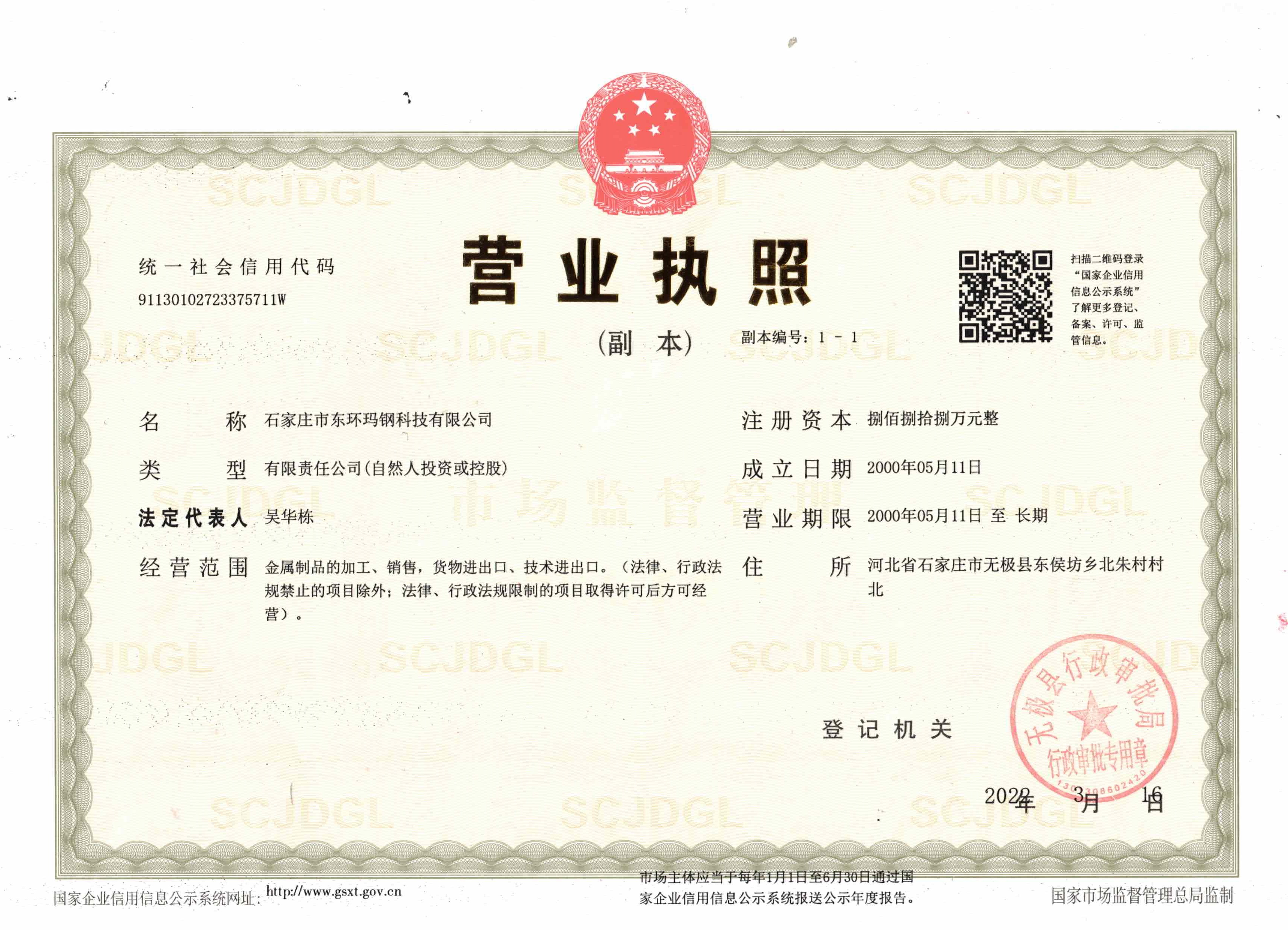
Shijiazhuang Donghuan malleable iron technology co.,ltd




How Stainless Steel Weld Pipe Fittings Enhance Industrial Performance
Release time:
2026-05-20
Author:
Stainless steel weld pipe fittings boost industrial performance with superior strength, corrosion resistance, leak prevention, and long-term cost savings.

You need stainless steel weld pipe fittings for important jobs. These fittings are very strong and do not rust easily. They work well even when there is high pressure or very hot or cold temperatures.
Stainless steel weld pipe fittings do not rust because they have chromium.
They make tight connections that stop leaks and keep your systems safe.
You get long use and need little maintenance, so you save time and money.
Their smooth surface helps keep things clean, so they are good for sensitive work.
You can use stainless steel weld pipe fittings in many ways, so you have lots of choices for any job.
Strength and Durability of Stainless Steel Weld Pipe Fittings

Corrosion Resistance
Withstanding Chemicals and Moisture
You need pipe fittings that can handle strong chemicals and wet places. Stainless steel weld pipe fittings protect against these things. Chromium in the steel makes a thin shield that stops rust and chemical damage. If this shield gets scratched, it fixes itself. You can use these fittings in water supply, oil and gas, construction, automotive, and petrochemical systems. The table below shows how different industries use these fittings to stop rust:
Stainless steel is used in more than half of all pipes around the world because it does not rust and lasts a long time. The 316 alloy works best in places with saltwater or chemicals. The 304 alloy is used in many factories, but 316 is better for really tough jobs. You can read more about how stainless steel fights rust at ASM International.

Performance in Harsh Environments
Many jobs have tough conditions. Stainless steel weld pipe fittings still work when there is saltwater, acids, or bad weather. You do not have to change them often. This saves you time and money. These fittings help stop leaks and problems, so your system stays safe and works well.
High Pressure and Temperature
Structural Integrity
You need fittings that stay strong when there is high pressure and heat. Stainless steel weld pipe fittings follow strict rules like ASME B16.9. They keep their shape and size, even if the system gets hot or cold. You can pick thicker walls, like schedule 80 or 160, for more strength. Skilled welders use special ways to make sure the joints are as strong as the pipe.
Tip: Check your fittings often, like with ultrasonic tests, to find problems early.
Longevity in Demanding Systems
You want your system to last a long time. Stainless steel weld pipe fittings work for many years, even when it is very hot. Heat treatments, like normalizing and solution annealing, make the steel tougher and stronger. Maintenance programs with checks and tests keep your fittings working well. You get fewer problems and less downtime, so your work goes smoothly.
Leak-Proof and Reliable Connections
Welded Joint Strength
Preventing Leaks
You want your system to be safe and not leak. Welded stainless steel pipe fittings melt the metal together. This makes a strong joint. There are no gaps or weak spots that could leak. Threaded or flanged fittings can get loose, but welded joints stay tight. You get a seal that holds up to pressure and shaking.
Welded fittings make a strong, smooth bond.
Leaks are less likely than with threaded fittings.
These joints work well even in tough places.
Supporting High-Pressure Systems
Many systems have high pressure and heat. Welded joints can handle these better than other types. The joint is as strong as the pipe or even stronger. You can trust these fittings for important jobs that must not break.
Here is a table that shows test results for welded joint strength:
These tests show welded joints are strong and safe. That is why people use welded fittings for hard jobs.
Consistent Performance
Reducing System Failures
You want your system to work all the time. Welded stainless steel fittings help stop leaks and breakdowns. Welding makes a tough bond that does not move or shake loose. After you put them in, these joints last for many years and need little care.
Welded joints are often stronger than the pipe.
You have fewer system failures.
You do not need much maintenance, so you save time and money.
Meeting Safety Standards
Your industry has strict safety rules. Welded stainless steel pipe fittings help you follow these rules. Many standards tell you how to use these fittings:
You can count on welded stainless steel fittings to help you meet these rules. They keep your work safe and protect your building.
Cost-Effectiveness in Industrial Applications
Long Service Life
Lower Replacement Frequency
You want your systems to last a long time. Stainless steel weld pipe fittings help with this. They do not rust or break easily. You do not need to change them often. Many factories use these fittings for years. They do not worry about changing parts all the time. This means fewer stops and less time fixing things.
Reduced Maintenance Costs
You save money when you do not fix things a lot. Stainless steel weld pipe fittings need little care. They are strong and do not rust. This helps you avoid big repair bills. You can focus on your work, not on broken parts. Over time, these good things help you save money.
Value Over Time
Investment Return
Stainless steel weld pipe fittings may cost more at first. But you get more value over time. These fittings last longer and work well in hard places. You do not pay for many repairs or new parts. The table below shows how fittings compare in cost and how well they work:
Seamless fittings are best for important jobs. Butt welded fittings are good for jobs that are not as hard. Both types help you save money by stopping problems and repairs.
Operational Savings
You save more than just on new parts. Stainless steel weld pipe fittings help stop leaks and system failures. You do not spend much on emergency fixes or lost work time. In factories, every hour stopped can cost a lot. Picking the right fittings keeps your work going and saves money.
Tip: Think about saving money for many years. The right fittings can help lower your total costs.
Hygiene and Cleanliness in Applications of Welded Fittings

Sanitary Standards
Food and Beverage Industry
You must keep food and drinks safe from germs. Stainless steel weld pipe fittings follow strict hygiene rules. These rules help stop contamination during production. The table below lists important standards for food and drinks:
These standards help you pick the right welded fittings. Welded joints are smooth and have no cracks. This stops bacteria from hiding. Cleaning is easier and works better.
Pharmaceutical Use
Pharmaceutical plants must stay very clean. Welded fittings help keep everything sterile. They stop leaks and places where germs can hide. Welded joints handle steam and cleaning cycles without getting weak. Your system stays safe for sensitive products.
Welded joints are easier to clean than clamp fittings.
You lower contamination by reducing places where germs can hide.
Welded fittings stay strong after many cleaning cycles.
Easy Cleaning
Smooth Surfaces
You want fittings that are simple to clean. Stainless steel weld pipe fittings have smooth, shiny surfaces. This makes it easy to wipe away dirt and germs. Welded joints do not have threads or gaps. You do not worry about dirt getting stuck. Here are easy cleaning steps:
Use soap, mild detergent, or warm water for dust and light dirt.
Clean marks and films with warm water and mild detergent; use alcohol for sticky spots.
Wipe grease with a cloth, then use mild detergent or ammonia solution.
Remove rainbow marks with warm water and mild detergents.
For rust, use 10% nitric acid or abrasive cleaners.
These steps help keep your system clean and ready for new batches.
Contamination Prevention
You must stop germs and chemicals from getting into products. Welded fittings make a strong, smooth joint. This keeps out bacteria and makes cleaning easier. Welded fittings have fewer leaks and less risk of contamination. They work well in places needing special cleaning, like vaccine and medicine factories.
Welded fittings keep things sterile.
Your system stays strong during high-pressure cleaning.
You see fewer leaks than with clamp or threaded fittings.
Tip: Pick welded fittings for jobs where hygiene matters most. You keep your products safe and protect your reputation.
Versatility in Industrial Applications of Welded Fittings
You need pipe fittings that work in many places. Stainless steel weld pipe fittings give you choices. You can use them where safety, strength, and cleanliness are important.
Adaptability to Processes
Chemical Processing
Chemical plants use tough chemicals and high heat. Stainless steel weld pipe fittings resist rust and keep your system safe. They handle acids, solvents, and other strong substances. These fittings follow strict rules like MSS SP-43, ASME B16.9, and ASTM A403. These rules help fittings stay strong and not leak.
Energy Systems
Energy systems need reliable fittings. Power plants, steam lines, and boilers use these fittings. They handle high pressure and heat. Oil and gas pipelines depend on welded fittings. These fittings keep your system working and help stop accidents.
Here is a table showing where you find these fittings and why they matter:
You see these fittings in many places. They help keep your systems safe and working well.
Compatibility with Fluids and Gases
Handling Aggressive Substances
You need fittings for many fluids and gases. Stainless steel weld pipe fittings work with water, steam, oil, gas, and chemicals. They resist rust and damage from harsh substances. This makes them a good choice for oil and gas and chemical plants. You can use them in marine places and chemical plants without worry.
Preventing Product Loss
You want to keep your products safe and stop leaks. Welded joints make a tight seal. This stops leaks and keeps your system strong. You lower the risk of losing fluids or gases. You also lower the chance of accidents and system failures.
Here is a table showing why these fittings work well with many fluids and gases:
You can use stainless steel weld pipe fittings in many jobs. They help you handle tough fluids and gases, keep your system safe, and protect your products.
Tip: Pick welded fittings when you need strong, leak-proof connections for hard jobs.
Used in oil and gas pipelines, handles high pressure and heat.
Needed in chemical processing for strong joints in dangerous places.
Used in power plants, especially in boilers and steam lines, for reliable work.
Compliance and Sustainability
Meeting Industry Standards
ASME and ASTM Compliance
You have to follow important rules when using these fittings. These rules help keep your systems safe and working longer. The American Society of Mechanical Engineers and the American Society for Testing and Materials make these rules. They tell you about:
How thick and wide the fittings should be
What materials and chemicals are used
How much pressure and heat the fittings can take
These rules help you pick the right fittings. They also help stop problems and keep your plant safe. You can learn more at the ASME Codes and Standards Resource.
Certification Requirements
You need to make sure your fittings have the right papers. Certified fittings show they meet world rules for engineering. This helps you trust their quality and how well they work. Most big jobs need:
Proof that fittings follow ASME and ASTM rules
Papers showing pressure and heat ratings
Reports on what materials are in each batch
You should also pick suppliers who use recycled materials and tell you about it. This helps with safety and caring for the planet.
Note: Using certified fittings helps them work well, even in hard jobs.
Environmental Benefits
Recyclability
Stainless steel weld pipe fittings are good for the earth. You can recycle them when you are done using them. They stay strong and good after recycling. Many companies use old metal to make new fittings. In the U.S., up to half of new stainless steel comes from recycled metal.
Stainless steel can be recycled again and again
Using recycled metal does not make it weaker
Using recycled parts means less trash
Picking fittings with lots of recycled metal helps your company go green.
Green Manufacturing
You do not need to add extra coatings to these fittings. This means you use fewer chemicals and make less waste. Making stainless steel supports earth-friendly ways. Many sellers now tell you how much recycled metal is in their products. You can ask for this to help your green plans.
No need for extra coatings or linings
Less harm to the earth when throwing away
Many types use certified recycled metal
Tip: Pick fittings from sellers who care about recycling and green ways. This helps your project be better for the earth.
By picking stainless steel weld pipe fittings, you can follow the rules and help the planet. These fittings are strong, safe, and good for the environment.
Installation and Fabrication Advantages
Ease of Welding
Precision Fit
You want pipe fittings that fit together well. Stainless steel weld pipe fittings are made with tight rules. This means you get a strong connection every time. Cold-formed, wrought belled-end fittings make welding easier. Fillet welds need less work before you start. You do not need to use machines on site. The shape of belled-end fittings helps you line up the parts fast. You do not spend much time fixing the pieces. You can count on these fittings for a good, exact fit.
Reduced Installation Time
You save time and money when you use stainless steel weld pipe fittings. Welding is simple and quick. You do not need to spend hours getting joints ready. Belled-end fittings can save you half or even more of the work time. Fillet welds are four to seven times faster than butt welds. They also need fewer steps. It costs less to check fillet welds because they are easy to look at. The table below shows how these things help your project:
Tip: Pick fittings that use fillet welds to finish your work faster and spend less money on labor.
Integration with Existing Systems
Flexibility for Upgrades
You may need to add or change pipes in your system. Stainless steel weld pipe fittings let you do this easily. You can put in new lines or move things around without big problems. These fittings help you make changes fast. You stay on track and do not waste time or money.
Compatibility with Legacy Infrastructure
Sometimes you work with old pipes that use different rules. Stainless steel weld pipe fittings work well with old systems. You can join new fittings to old pipes without making big changes. This helps you save money because you do not need to buy all new pipes. You keep your system safe and make it work better.
You can install these fittings with fewer steps and less waiting.
You can fix or upgrade pipes without taking out big sections.
Your plant keeps running while you make changes.
Stainless steel weld pipe fittings help you finish jobs faster and with fewer problems. These benefits are important for engineers and plant managers.
You can see that stainless steel weld pipe fittings help factories in many ways. These fittings are strong and last a long time. They are safe, clean, and help save money. People use them for important jobs in new factories.
You can find these fittings in many places, like:
Chemical plants
Food and drink factories
Oil and gas pipes
Medicine factories
Power plants
Think about using stainless steel weld pipe fittings for your next job. You will make your work safer and faster. If you want to know more, ask your questions below.
FAQ
What makes stainless steel weld pipe fittings better than threaded fittings?
Welded fittings make a joint that is very strong and does not leak. You get better results when the system has high pressure or heat. Welded joints do not get loose from shaking or moving.
Can you use stainless steel weld pipe fittings in food or pharmaceutical plants?
Yes. These fittings follow strict hygiene rules. You can clean them without trouble. Their smooth surfaces stop bacteria from growing. They work well for making food, drinks, and medicine.
How do you maintain stainless steel weld pipe fittings?
Check the fittings often for damage or rust.
Wash the surfaces with gentle soap and water.
Use the right tools when welding or fixing them.
Change broken fittings fast so you do not get leaks.
Are stainless steel weld pipe fittings suitable for outdoor use?
Yes. Stainless steel does not rust and stands up to wet weather. You can use these fittings outside, near the sea, or in places with bad weather.
What pressure and temperature can these fittings handle?
Stainless steel weld pipe fittings can take high pressure and heat.
You can pick thicker walls if you need more strength.
Always look at the fitting’s rating before you put it in.
Do stainless steel weld pipe fittings require special welding skills?
You need welders who know what they are doing. Good welding makes sure the joint is strong and does not leak. Training and practice help stop weak spots or mistakes.
How do you choose the right stainless steel alloy for your application?
Pick 304 alloy for most jobs.
Use 316 alloy for places with chemicals, the sea, or saltwater.
Always check what your system needs before you choose.
Can you recycle stainless steel weld pipe fittings?
Yes. Stainless steel can be recycled again and again. You can use the metal without losing its strength. Recycling helps cut down on waste and is good for the earth.
Keywords:
Stainless steel weld pipe fittings
Recommended Reading
Leave your problems to us
If you need a solution, you can write your question and contact information in the message form, we will contact you as soon as possible after receiving it.
North of beizhu village, donghoufang township, wuji county, shijiazhuang, hebei, China
Postal Code:052400

Mob web

Tiktok