Shijiazhuang Donghuan malleable iron technology co.,ltd




Top Reasons to Pick Stainless Steel High Pressure Pipe Fittings Instead of Alternatives
Release time:
2026-05-20
Author:
Stainless steel high pressure pipe fittings offer unmatched durability, corrosion resistance, hygiene, and long-term cost savings over other materials.

You want things to work well in tough places. Stainless steel high pressure pipe fittings are very strong. They do not rust and can take very hot or cold temperatures. You pick these fittings because they have a smooth surface. This smooth surface stops bacteria from growing. That makes them great for clean areas. You also like that they last a long time and save money. Many engineers think the same way. Look at this table to see why:
| Reason | Description |
|---|---|
| Longevity | Stainless steel high pressure pipe fittings last for many years. |
| Hygiene | The surface stops bacteria from growing, good for sensitive uses. |
| Sustainability | These fittings can be recycled, so they help the environment. |
| Cost Efficiency | You save money because you do not fix or replace them often. |
You get something safe, reliable, and worth your money when you choose stainless steel high pressure pipe fittings.
Why Stainless Steel High Pressure Pipe Fittings Stand Out

Strength and Durability
High-Pressure Performance
You need pipe fittings that work in tough jobs. Stainless steel fittings are very strong under pressure. Most can handle 6,000 PSI or more. Some special ones go over 10,000 PSI. This is better than aluminum and carbon steel. These fittings stay strong when things get rough. They do not bend or break if pressure changes fast. That is why people pick them for important systems.
Longevity
You want your fittings to last a long time. Stainless steel fittings are tough, even in bad weather. They do not wear out quickly from use. You do not have to change them often. This helps you save time and money. The table below shows how different materials do under stress:
| Material Type | Strength Characteristics | Durability Under Stress | Corrosion Resistance | Cost Consideration |
|---|---|---|---|---|
| Stainless Steel | Exceptional resistance to rust and chemical attack | Leads in high-stress settings | High | Higher initial costs but offers longevity advantages |
| Brass | Suited for moderate pressure; heavier than plastic | Moderate durability | Moderate | More costly than plastic |
| Plastic | Cost-effective; limited to clean, low-pressure environments | Limited durability | Low | Economical but less resilient |
Corrosion Resistance
Chemical and Moisture Protection
Chemicals and water can cause problems for fittings. Stainless steel fittings fight off rust and damage. Chromium in the metal makes a shield that stops rust and chemicals. This keeps your system safe and working well. The table below shows how stainless steel compares to other materials:
| Property | Stainless Steel | Alternative Materials |
|---|---|---|
| Corrosion Resistance | Superior due to chromium content | Varies, often lower |
| Hygienic Properties | Non-porous, easy to clean | Often porous, harder to clean |
| Chemical Resistance | Broad range, unaffected by solvents | Limited, susceptible to solvents |
You can learn more about corrosion resistance at NACE International and ASTM International.
Some stainless steel grades protect better than others. Grade 316L stops pitting and crevice corrosion, even with lots of chloride. Grade 304 is strong and fights rust for most jobs.
Temperature Tolerance
Extreme Environments
You need fittings that work in hot and cold places. Stainless steel fittings do well in heat and freezing cold. They keep their strength in both kinds of weather. The table below shows the highest temperatures for each grade:
| Stainless Steel Grade | Maximum Temperature (°C) | Maximum Temperature (°F) |
|---|---|---|
| 304 | 870 | 1600 |
| 316 | 815 | 1500 |
| 310 | 1150 | 2100 |
You can count on stainless steel fittings in hard places. They do not get weak or rusty when the temperature changes. This makes them great for jobs with very hot or very cold needs.
Hygiene and Safety
Clean Applications
You want your system to stay clean and safe. Stainless steel fittings have a smooth surface. This surface does not let bacteria grow. It also stops contamination from happening. You can wash these fittings without much trouble. That helps you follow strict hygiene rules in food, drink, medicine, and medical places.
Stainless steel fittings do not mix with drugs or chemicals.
You stop contamination in sensitive jobs.
The fittings work well in Clean-in-place (CIP) systems.
You keep things very clean with easy washing and care.
You keep your products and customers safe with these fittings. They do not rust or get damaged by harsh chemicals. You get safety and trust for a long time in clean jobs.
Cost Savings Over Time
Reduced Maintenance
You spend less money when you pick stainless steel fittings. They last long and do not rust easily. This means you do not fix them often. These fittings can handle high pressure and heat. They do not break down fast. You do not need to replace them all the time. Your system does not stop working often.
| Benefit | Stainless Steel Fittings | Other Materials |
|---|---|---|
| Maintenance Frequency | Low | High |
| Repair Costs | Minimal | Significant |
| System Downtime | Rare | Common |
Your system keeps working well. You do not need much maintenance. You protect your money and get good results every year with stainless steel fittings.
Comparing the Best Materials for High-Pressure Pipe Fittings
Stainless Steel vs. PVC
You want strong pipe fittings for tough jobs. Stainless steel is much stronger than PVC. It can handle very high heat and pressure. Stainless steel works in systems up to 450°F and 7815 PSI. PVC cannot do this. PVC only works up to 140°F and 1230 PSI. If you need something reliable, stainless steel is better.
PVC costs less money at first. For example:
PVC: About $0.35 per foot for 1/2" Schedule 40 pipe.
Stainless steel: Around $6.98 per foot for the same size.
You spend less with PVC at the start. But PVC can leak or break in hard jobs. Stainless steel keeps your system safe for a long time. You protect your money by choosing stainless steel. You can learn more at Engineering Toolbox.
Stainless Steel vs. Copper
You want fittings that last many years. Stainless steel does not rust as fast as copper. This is true in places with chemicals or near the sea. Stainless steel makes a layer that stops rust. Copper can get holes and rust quickly with acids or chlorides. If you work in tough places, stainless steel is safer.
Stainless steel, like 316L, fights off acids and chlorides.
Copper does not last as long in these places.
How long a fitting lasts is important. Look at this table:
| Material | Lifespan in Ideal Conditions | Lifespan in Harsh Environments |
|---|---|---|
| Stainless Steel | Over 50 years | Over 70 years |
| Copper | 30-40 years | 10-15 years |
Stainless steel gives you more years before you need to replace it. You can read more about rust at NACE International.
Stainless Steel vs. Galvanized Steel
You want fittings that do not rust or get dirty. Stainless steel protects better than galvanized steel. It has a chromium layer that fixes itself. This keeps it strong in wet or dirty places. Galvanized steel has a zinc coat. The zinc can wear away, so it may rust or leak.
| Material | Corrosion Resistance | Notes |
|---|---|---|
| Stainless Steel | Superior | Self-healing passive film due to chromium content. |
| Galvanized Steel | Moderate | Zinc coating can wear off, leading to corrosion over time. |
Stainless steel is easier to take care of. You do not have to fix or change it often. Galvanized steel may last 10 to 20 years if you take care of it. Stainless steel can last over 25 years, even in hard places. You save money and worry less with stainless steel.
Stainless Steel vs. CPVC
You want pipe fittings that last in hard places. Stainless steel works better than CPVC for tough jobs. CPVC is good for simple plumbing, but not for big factories.
| Material | Maximum Operating Temperature | Advantages |
|---|---|---|
| CPVC | 200°F (93°C) | Low cost, easy to use at home |
| Stainless Steel | 870°F (465°C) | Handles high heat, pressure, and stops rust |
Stainless steel stays strong in hot or cold weather.
CPVC gets soft and bends when it gets too hot.
Stainless steel works better for a long time.
It does not rust or get hurt by chemicals.
CPVC can break or leak if it touches strong chemicals or sunlight.
Tip: Pick stainless steel for food, chemical, or high-pressure jobs. You will not worry about leaks or big repairs.
Choose stainless steel if you want safe, strong, and long-lasting fittings. CPVC costs less at first, but it does not last as long or work as well as stainless steel for hard jobs.
Stainless Steel vs. Brass
You need fittings that can take a lot of pressure and last many years. Stainless steel is better than brass for both things. Brass works for medium pressure, but not for the hardest jobs.
Stainless steel fittings can handle up to 10,000 psi. Some types can even go up to 20,000 psi. Brass fittings only go up to 3,000 psi. This is important if you want your system to never break.
| Fitting Type | Brass Price Range | Stainless Steel Price Range |
|---|---|---|
| 1/2" NPT Elbow | $2.50–$5.00 | $6.00–$12.00 |
| 1" Coupling | $4.00–$8.00 | $10.00–$20.00 |
| 2" Tee | $10.00–$18.00 | $25.00–$50.00 |
Brass costs less at first, but you may need to buy new ones every 5–10 years.
Stainless steel costs more, but it lasts over 50 years and needs little care.
Brass can rust in water or with chemicals.
Stainless steel does not rust and keeps your system safe.
| Application Scenario | Material | Initial Cost | 20-Year Maintenance | Total 20-Year Cost |
|---|---|---|---|---|
| Home with Aggressive Water | Standard Brass | Low | High (replace at 10 years) | Medium |
| Home with Aggressive Water | Stainless Steel | High | Minimal | High |
Note: Stainless steel costs more at the start, but you do not have to fix or change it often. You save money and your system works better for many years.
Pick stainless steel if you want the best safety, highest pressure, and longest life. Brass is okay for easy jobs, but stainless steel is best for important systems.
Stainless Steel Fittings in Demanding Applications
Industrial Uses
Many industries need strong pipe fittings. Stainless steel high pressure pipe fittings are tough and reliable. You can use them in oil and gas refineries, power plants, chemical plants, food factories, marine jobs, water cleaning units, HVAC, and firefighting systems. These fittings work well under high pressure. They do not leak when pressure goes up fast. You avoid shutdowns and keep your plant safe. Stainless steel does not crack or break under stress, so accidents are less likely.
Tip: Pick stainless steel if you want fewer fixes and less downtime.
Food and Pharmaceutical
You want to keep your products safe and clean. Stainless steel fittings help you follow hygiene rules. Their smooth surface stops bacteria from growing. You can clean these fittings easily and keep your system sterile. Stainless steel does not rust in wet or harsh places. These fittings last longer than brass or mild steel. You spend less money on repairs and replacements. The strong metal handles high pressure and stress. You lower the risk of failure and downtime. Stainless steel meets hygiene standards set by regulators. Your products stay pure and safe for customers.
You can use these fittings with many fluids and at different temperatures. They seal well and stop leaks and contamination. You protect your process and your customers.
Chemical Processing
You work with strong chemicals every day. Stainless steel fittings resist rust and corrosion. Chromium in the metal makes a shield against damage. You can use these fittings with most acids and bases. Stainless steel handles high pressure, so it is good for steam pipes and hydraulic systems. The fittings stay strong in tough places. You avoid sudden failures. The smooth surface makes cleaning easy. You save money because you do not replace them often. These fittings are strong, durable, and resist chemicals.
Your plant stays safe and works well. You avoid leaks and keep workers safe from dangerous chemicals. Stainless steel fittings are a smart choice for chemical processing.
Corrosion Resistance and Longevity

Protection in Harsh Environments
Many industries have tough conditions. Chemicals, saltwater, and bad weather can ruin most pipe fittings. Stainless steel high pressure pipe fittings protect better than other materials. They work well in places where other fittings fail.
Chromium in stainless steel makes a strong layer. This layer stops acids, chemicals, and saltwater from touching the metal.
The layer fixes itself if it gets scratched. Your fittings stay strong and keep their shape for many years.
Stainless steel has at least 10.5% chromium. This high amount helps stop rust and damage.
You can use these fittings with chlorides, acids, or alkaline flows. They do not rust or get weak, even with water or salt.
Tip: Pick stainless steel for jobs in chemical plants, marine work, or places with tough conditions.
| Environment | Stainless Steel Performance | Other Materials Performance |
|---|---|---|
| Chemical Exposure | No rust, no pitting | Often corrodes or weakens |
| Saltwater | Stays strong | May rust and leak |
| High Humidity | No rust spots | Can get rusty |
You feel safe. Your system stays reliable. You avoid leaks and big problems.
Maintenance and Replacement
You want to spend less time and money fixing things. Stainless steel high pressure pipe fittings help you do this. They resist rust, so you do not need to replace them often.
The protective layer stops rust and damage. You do not worry about sudden breaks.
Stainless steel fittings keep their shape and seal. You avoid leaks that can stop your system.
You save money on labor and parts. Maintenance is quick and easy.
Other materials need more checks and replacements. Stainless steel fittings keep working for many years.
Note: Stainless steel fittings can last over 25 years, even in tough places.
| Fitting Material | Average Lifespan | Maintenance Needs |
|---|---|---|
| Stainless Steel | 25+ years | Minimal |
| Galvanized Steel | 10-20 years | Moderate to high |
| Brass | 5-10 years | High |
| PVC/CPVC | 5-15 years | High |
You protect your money. Your system keeps running with fewer stops. Stainless steel high pressure pipe fittings give you long-lasting value and strong protection from rust.
Cost Efficiency of Stainless Steel Fittings
Initial vs. Long-Term Costs
You may notice that stainless steel high pressure pipe fittings cost more at the start. This higher price can make you think twice. However, you need to look beyond the first bill. These fittings give you strong value over time. You do not spend much on repairs or replacements. Their durability means you avoid frequent fixes. You also cut down on downtime, which saves you money and keeps your system running.
Tip: When you choose stainless steel, you invest in fewer headaches and more uptime.
You also benefit from the ease of installation. The fittings fit well and do not need special tools. You finish installation quickly, which lowers labor costs. You do not need to worry about leaks or weak spots after installation. This makes your project smoother and faster.
Here is a quick look at how costs compare:
| Material | Upfront Cost | Maintenance Cost (10 Years) | Replacement Cost (10 Years) | Total 10-Year Cost |
|---|---|---|---|---|
| Stainless Steel | High | Low | Low | Lowest |
| Brass | Medium | Medium | Medium | Medium |
| PVC/CPVC | Low | High | High | Highest |
You see that stainless steel fittings give you the best cost-effectiveness over time.
Total Cost of Ownership
You want to know what you really pay over the life of your system. Total cost of ownership includes more than just the price tag. You must count installation, maintenance, repairs, and downtime. Stainless steel high pressure pipe fittings win in every area.
You save on installation because the fittings are easy to handle and connect.
You do not need to replace them often, which means less spending on new parts.
You avoid costly shutdowns because these fittings offer high reliability.
You spend less on labor since maintenance is rare.
You also get peace of mind. You know your system will work without sudden failures. This reliability protects your investment and your reputation.
Note: Stainless steel fittings keep their strength and seal for decades. You do not face hidden costs or surprise repairs.
You also enjoy the ease of installation in every project. You do not need to train workers for special steps. The process stays simple and safe. This adds to the cost-effectiveness of your choice.
Environmental Impact and Sustainability
Recyclability
You want to help the planet with your choices. Stainless steel high pressure pipe fittings are a great option. You can recycle stainless steel many times. The metal stays strong and good after each recycle. This helps cut down on waste and saves resources.
♻️ Stainless steel can be recycled again and again.
You can melt old fittings and use them for new things.
Scrap stainless steel is worth a lot. You can sell it or use it again.
You send less trash to landfills and help reuse materials.
Note: Picking stainless steel helps keep the earth clean. You make sure useful metals do not get thrown away.
Recycling stainless steel is simple. Most recycling centers will take it. You do not need to do anything special. Just take out old fittings and send them to be recycled. You save money and help the earth at the same time.
| Material | Recyclability | Quality After Recycling | Environmental Benefit |
|---|---|---|---|
| Stainless Steel | Excellent | Stays strong | High |
| Brass | Good | Might get weaker | Moderate |
| PVC/CPVC | Poor | Not as good after use | Low |
You make a smart choice. Your system stays strong and you help nature.
Eco-Friendly Manufacturing
You care about how things are made. Stainless steel is made with new, smart ways. Factories use less energy and water now. They also make less pollution and waste.
Stainless steel factories reuse water and energy.
Fewer bad chemicals go into the air and water.
Some factories use power from the sun or wind.
You get fittings that are better for the earth.
Tip: Ask where your fittings come from. Pick companies that care about the planet.
You help stop pollution. Stainless steel does not give off bad stuff when you use it. You do not have to worry about dangerous chemicals. This keeps workers and people safe.
Stainless steel lasts a long time. You do not need to buy new ones often.
This means less new metal needs to be made.
You help the earth by making less pollution.
| Benefit | Stainless Steel | Other Materials |
|---|---|---|
| Uses less energy to make | Yes | Sometimes |
| Makes less pollution | Yes | No |
| Safe for the earth | Yes | No |
You make a good, green choice. You help keep air, water, and land clean. You show others how to care for the planet.
You want your system to work its best. Stainless steel high pressure pipe fittings are very strong. They do not rust and work in hot or cold places. Your process stays clean and safe. You save money as years go by.
They last a long time.
You do not fix them often.
Your system is protected.
Pick stainless steel. You get something you can trust and that is worth your money for hard jobs.
FAQ
What makes stainless steel high pressure pipe fittings better for harsh environments?
You get strong protection from rust and chemicals. These fittings stay safe in very hot or cold places. Your system works well, even when things get tough.
Can you use stainless steel fittings for drinking water systems?
Yes. Stainless steel fittings do not let bad stuff into water. Your water stays clean and safe to drink. The smooth surface stops bacteria from growing.
How long do stainless steel high pressure pipe fittings last?
You can use these fittings for over 25 years. Many last even longer if you take care of them. You do not need to replace or fix them often.
Are stainless steel fittings difficult to install?
No. You can use regular tools to put them in. The fittings connect easily and seal tight. You save time and spend less on labor.
Do stainless steel fittings require special maintenance?
You do not need special care for these fittings. Just check them and clean them sometimes. You avoid spending lots of money on upkeep.
Are stainless steel fittings cost-effective compared to other materials?
Yes. You pay more at first, but you save money later. You fix them less and your system works longer. Stainless steel is a smart choice.
Can you recycle stainless steel pipe fittings?
Absolutely. You can recycle stainless steel many times. The metal stays strong after recycling. This helps you cut down on waste.
Will stainless steel fittings work with high-pressure steam or chemicals?
Yes. Stainless steel works with high-pressure steam and most chemicals. You get strong and reliable fittings for tough jobs.
Keywords:
Stainless steel high pressure pipe fittings
Recommended Reading
Leave your problems to us
If you need a solution, you can write your question and contact information in the message form, we will contact you as soon as possible after receiving it.
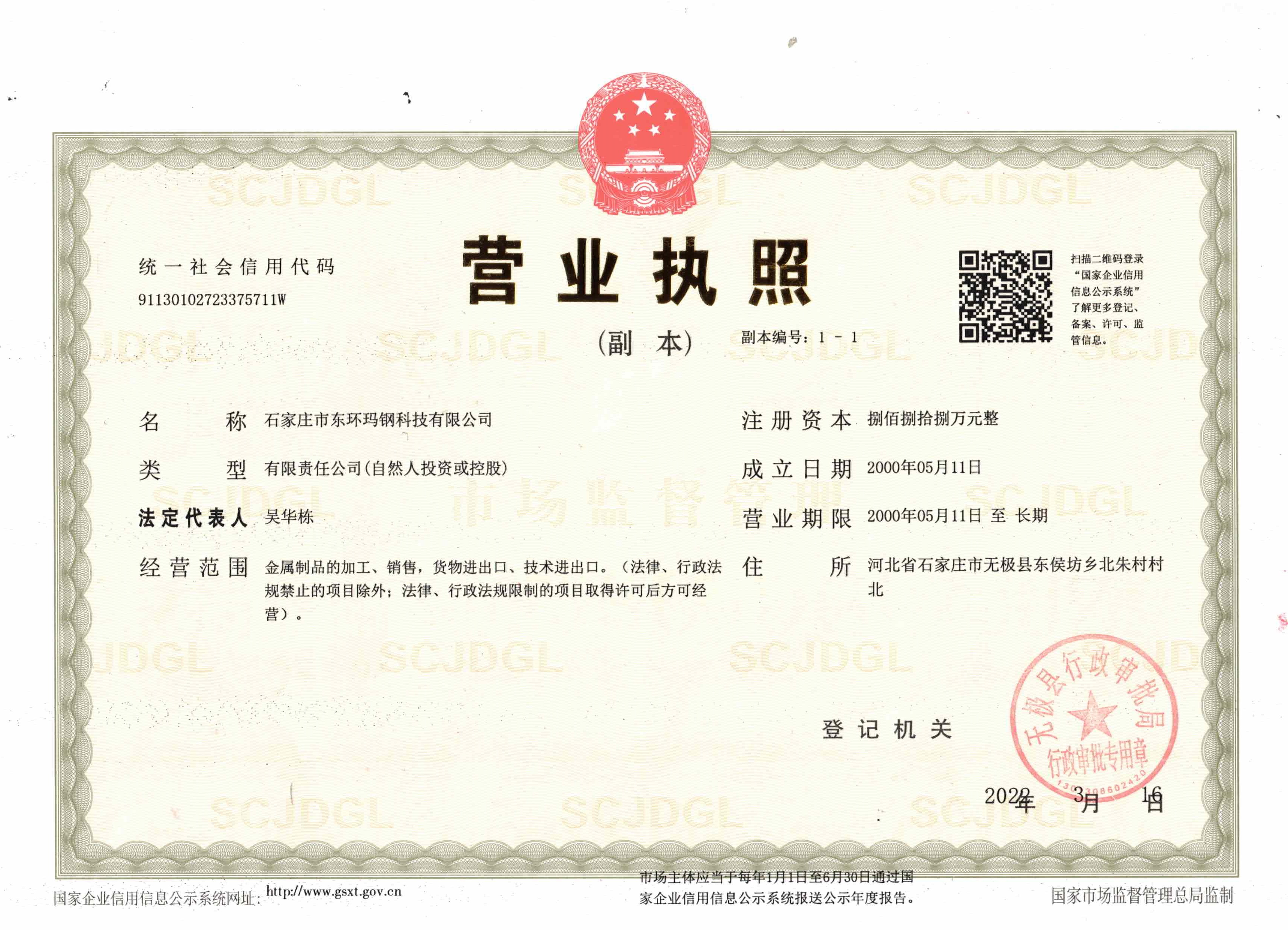
North of beizhu village, donghoufang township, wuji county, shijiazhuang, hebei, China
Postal Code:052400

Mob web

Tiktok