Shijiazhuang Donghuan malleable iron technology co.,ltd




Which Is Better for Your Project, Seamless or Welded Carbon Steel Pipe Nipples
Release time:
2026-06-03
Author:
Seamless carbon steel pipe nipples offer higher strength for critical jobs, while welded types are cost-effective for general use. Choose based on project needs.


Seamless carbon steel pipe nipples are safest for tough jobs. They work best when pressure and temperature are very high. Welded carbon steel pipe nipples cost less money. They are good if you do not have extreme conditions. You should think about your project's pressure, temperature, and budget before you choose. Your choice will change how safe and reliable your system is. It will also change how much your system costs.
Pick seamless for important or dangerous places.
Pick welded for normal or easy jobs.
Seamless vs Welded Steel Pipe: Overview

Key Differences
When you look at seamless and welded steel pipe, you can see they are not the same. Seamless steel pipes are made from a solid steel bar. People use drilling or pushing to make a pipe with no weld seam. This way, the pipe is strong everywhere and feels smooth. Welded steel pipes start as a flat steel sheet. The sheet is rolled up and joined together with a weld, so you can see a seam.
You should think about these main things when picking seamless or welded carbon steel pipe nipples:
Strength and Pressure Resistance: Seamless carbon steel can handle more pressure and stress. It works better in important systems.
Cost: Welded carbon steel is cheaper. You spend less money if your project is not too hard.
Surface and Structure: Seamless steel pipe has a smooth and even finish. Welded steel pipe might have a bump where it was welded.
Applications: Seamless steel pipes are used in oil and gas, chemical plants, and power stations. Welded steel pipes are good for regular factories and building jobs.
Tip: Always pick the pipe that matches your system’s pressure and safety needs. This choice helps your carbon steel piping work well.

Comparison Table
You can check this table to see the main features of seamless and welded steel pipe:
You can also see how each type is used in different jobs:
When you pick carbon steel pipe nipples, think about what your project needs. Seamless carbon steel is best for jobs with high pressure or heat. Welded carbon steel is good for normal jobs where saving money is important.
Manufacturing of Carbon Steel Pipe Nipples

Seamless Steel Pipes Process
Hot Extrusion
You start making seamless steel pipe by heating a solid bar or billet of carbon steel. The heat makes the steel soft enough to shape. You then pierce the center of the billet to form a hollow tube. This step uses a strong tool called a mandrel. The hot extrusion process stretches and rolls the tube until it reaches the size you need. This method creates seamless steel pipes with no weak points.
Uniform Structure
Seamless steel pipes have a uniform structure. You do not see any weld seam or joint. The pipe stays strong along its entire length. The manufacturing process uses rolling and stretching to make the wall thickness even. You get a smooth finish inside and outside the pipe. This uniformity helps seamless carbon steel piping handle high pressure and temperature. You can trust seamless steel pipe for critical jobs.
Note: The absence of a weld seam means seamless carbon steel can resist leaks and cracks better than other types.
Steps in Seamless Steel Pipe Production:
Begin with a solid bar or block of carbon steel.
Drill, extrude, or use an oxygen lance to create a hollow pipe.
Pass the pipe through a die and mandrel to increase the inside diameter and refine the shape.
Welded Steel Pipes Process
Rolling and Welding
Welded steel pipe starts as a flat strip of carbon steel. You roll the strip into a round shape. The edges meet and you join them using a welding process. This creates a visible weld seam along the pipe. Welded steel pipe can be made quickly and in large quantities. The process costs less than making seamless steel pipes.
Weld Seam Effects
The weld seam affects the pipe’s strength and pressure resistance. You may notice a slight bump where the seam runs. Welded carbon steel piping works well for low and medium pressure systems. The seam can be a weak spot if you use the pipe in high-pressure or high-temperature environments. You should check the weld quality before using welded steel pipe in important systems.
Manufacturing Impact
The way you make carbon steel piping changes its mechanical properties. Hammering and pressing give seamless steel pipe extra strength and durability. Piercing and extruding help you get precise shapes and sizes. Normalization and tempering improve toughness and reduce brittleness. Welded steel pipe uses fusion-welding to create strong joints, but the seam can lower pressure resistance. You should match the manufacturing process to your project’s needs. Seamless steel pipes work best for high-stress jobs. Welded carbon steel fits general use where cost matters more than maximum strength.
Tip: Always review the manufacturing process before you choose seamless or welded steel pipe for your project. This step ensures you get the right performance and safety.
Strength and Durability Factors
Pressure Resistance
When choosing between seamless and welded steel pipes, think about pressure. Seamless steel pipes can handle more pressure inside. They don’t have a weld seam, so there’s no weak spot. This makes seamless pipes better for high-pressure systems. Welded steel pipes have a visible seam, which can make them weaker under pressure. Use welded pipes for low or medium-pressure jobs where extreme strength isn’t needed.
Seamless steel pipes handle sudden pressure changes better.
Welded steel pipes might break at the seam if pressure is too high.
Tip: Always pick a pipe that can handle the highest pressure in your system. This keeps everything safe and reliable.
Seamless Carbon Steel Strength
Seamless carbon steel is strong all along the pipe. The manufacturing process removes weak spots. This makes the pipe’s strength even throughout. The table below shows the strength numbers:
The strength of seamless steel pipes depends on the size and wall thickness. According to ASTM A106, the wall should not be more than 12.5% thinner than the nominal size. Thicker walls make the pipe stronger and better at handling pressure. Always check the grade and wall thickness before choosing seamless pipes.
Seamless steel pipes resist cracking and bursting.
They work well in high-temperature and high-pressure situations.
Welded Steel Pipes Durability
Welded steel pipes are durable for everyday use. The weld seam can make them weaker against pressure and stress, but modern welding makes them better. You can use welded pipes for water lines, heating and cooling systems, and other low-pressure jobs. Welded carbon steel pipes save money and work well when maximum strength isn’t needed.
Welded steel pipes resist rust if coated properly.
Always check the weld seam for defects to ensure they last long.
If you need the best strength and performance, seamless steel pipes are the top choice. For regular jobs, welded pipes are reliable and cheaper. Always match your pipe choice to what your system needs.
Corrosion and Defect Resistance
Seamless Steel Pipes Corrosion Resistance
Seamless steel pipes resist rust better than welded ones. They do not have a weld seam, so there are fewer weak spots. Rust or chemicals cannot easily attack these pipes. The pipe’s structure is even all the way through. This means there are no bubbles or hidden flaws that could leak. Seamless steel pipes work well in high-pressure and hot places. You can use them for important jobs where rust is a problem. Tests show seamless carbon steel does well against corrosion. Using seamless steel pipe lowers the chance of failure in tough jobs.
Note: Seamless steel pipes are strong against rust and last long in hard jobs.
Welded Steel Pipes Corrosion Factors
Welded steel pipes have more trouble with rust. The weld seam can be a spot where rust or chemicals start to attack. You must think about where you put welded steel pipes. Some things can make rust happen faster:
Chlorides can make small holes in the pipe.
Changes in temperature can cause cracks if the pipe is under stress and in a bad environment.
Chemicals in the system can cause rust in places where liquid does not move.
Always check the weld seam before using welded pipes in places with rust. Coatings and good care help, but the seam can still be weak.
Internal Defects
Defects inside the pipe can hurt how well it resists rust. Seamless steel pipes have fewer defects because they are not welded. This makes them better for high-pressure and hot jobs. Welded pipes can have problems like gaps, tiny holes, or stuff stuck in the weld. These problems can make the pipe rust faster and break more easily.
Seamless pipes are less likely to leak from inside problems.
Welded pipes need to be checked well to last a long time.
Pick the right carbon steel pipe for your job. Seamless steel pipes are best for tough jobs where rust and strength matter most.
Dimensional Accuracy
Dimensional accuracy is important when picking pipe nipples. You want pipes to fit well and work right. If you pick the wrong pipe, you might get leaks or weak joints. You could also need more time to install them. Seamless and welded pipes have different levels of precision. It is good to know how each type affects your project.
Wall Thickness Consistency
Wall thickness helps pipes work better. Seamless pipes usually have even wall thickness all the way. They are made from a solid billet, so thickness changes less. This means fewer weak spots that could break under pressure.
Welded pipes can have small changes in wall thickness. These changes happen near the weld seam. Rolling and welding can make bumps or dips. These bumps can change how the pipe handles pressure. If your system needs steady pressure, check wall thickness before installing.
Tip: Always measure wall thickness at many spots on each pipe. This helps you find problems early and keeps your system safe.
Shape and Tolerance
Shape and tolerance mean how close the pipe is to its size and roundness. Seamless pipes are usually rounder and have tighter tolerances. The extrusion process makes the pipe smooth and round. This makes joining pipes and fittings easier.
Welded pipes can have small shape changes at the seam. You might see a ridge or flat spot where the weld is. These changes can make fitting pipes harder in tight spaces. If your project needs high precision, seamless pipes are better.
Seamless pipes: Best for jobs needing high accuracy.
Welded pipes: Good for normal use, but check tolerances for a perfect fit.
Always check the specs for dimensional accuracy before ordering. This step helps your system work safely and well.
Cost and Budget Considerations
Material and Production Costs
You need to look at material and production costs when choosing between seamless and welded steel pipe. The production process for welded steel pipe is much faster and more efficient. You can produce 300-400 tons of welded steel pipes each day, while seamless pipes only reach 50-80 tons. This speed gives welded steel pipe a clear cost advantage.
Energy use for welded steel pipes is much lower. You use 200-250 kWh per ton, while seamless pipes need 800-1000 kWh per ton.
This means you save up to 75% on energy costs with welded steel pipe.
The average raw material cost for seamless pipes is 15%-20% higher than welded types.
For example, a Φ108×4.5mm Q235 seamless pipe costs 4,800 yuan per ton. The same size welded pipe costs 4,100 yuan per ton. This gives you a 14.6% cost savings.
In 2024, seamless carbon steel pipe nipples cost more because the process is complex. You get higher strength, but you pay more. Welded carbon steel uses a simpler process, so you spend less.
Installation and Maintenance
You should also consider installation and maintenance in your cost analysis. Welded steel pipe is lighter and easier to handle. You can cut and join it quickly, which saves labor costs. Seamless pipe is heavier and harder to work with, so you may need more time and special tools.
Welded steel pipes often need less support during installation.
Seamless pipes may require extra care to avoid damage.
For maintenance, seamless pipes last longer in tough jobs, so you may save money over time.
Welded pipes may need more checks at the seam, especially in high-pressure systems.
Tip: Plan for both upfront and long-term costs. This helps you avoid surprises in your budget.
Cost-Effectiveness
You want the best value for your project. Use cost comparison to see which pipe fits your needs. Welded steel pipe gives you the most cost savings for general jobs. You get lower material, energy, and labor costs. Seamless pipe costs more, but you get better strength and safety for high-pressure or high-temperature systems.
You should always match your choice to your project’s needs. Use cost analysis and cost comparison to find the most cost-effective solution. This approach helps you balance safety, performance, and budget.
Application Suitability for Carbon Steel Pipe Nipples
High-Pressure and High-Temperature Uses
Seamless steel pipes are needed for high-pressure jobs. These pipes can handle strong pressure and heat. They do not have weak spots. Seamless steel pipe is used in oil and gas pipelines. It is also used in power plants and steam systems. You see seamless carbon steel in places where leaks are dangerous. Refineries use seamless steel pipe in main lines. The pipe can resist sudden changes in pressure and heat.
If you work in chemical processing, pick seamless steel pipes for important lines. These pipes stop leaks and last a long time. You avoid problems in systems with high heat or pressure. Seamless steel pipe can also fight rust if you use stainless steel. This keeps your equipment safe and protects your operation.
Tip: Always use seamless steel pipes for high-pressure and high-temperature jobs. This choice makes your system safer and stronger.
General Industrial Applications
Welded steel pipes are good for many regular jobs. These pipes cost less and work well for low-pressure uses. Welded carbon steel pipe nipples are found in systems that do not face tough conditions. Welded pipes fit water lines and HVAC systems. They are also used in factory process lines.
Here are some industries that use welded carbon steel pipe nipples:
Oil & Gas
Chemical processing industries
Petrochemical
Pharmaceutical
Food & beverage
Pulp & paper
Shipbuilding/marine
Waste incineration
Machine building
Architectural
Semiconductor
Welded steel pipes are used in these industries because they save money. They are easy to install. You spend less on materials and labor. Welded pipes work well in low-pressure jobs where leaks are not likely. You must check the welds to avoid problems. Most systems work fine with welded pipes.
Specialized Environments
Some places have special needs, like chemical plants or marine areas. You must pick the right pipe for each place. Seamless steel pipe works best in tough conditions. It gives strong pressure resistance and stops leaks. It also lasts a long time.
The table below shows how seamless and welded steel pipes work in chemical plants:
You pick carbon steel pipe nipples for strong and lasting systems in high-pressure jobs. Stainless steel pipe is best for places with lots of rust. It lasts longer and does not rust easily. In places with lots of shaking, seamless steel pipe stops cracks and leaks. You keep your system safe and lower maintenance.
Note: Seamless steel pipe is best for places with high pressure, heat, or rust. Welded steel pipes are good for regular jobs but may not work well in tough conditions.
Industry Standards and Compliance
ASTM and ASME Standards
You need to follow rules when picking carbon steel pipe nipples. These rules help your project stay safe and good quality. ASTM and ASME are two groups that make these rules.
ASTM means American Society for Testing and Materials. ASTM makes rules for testing and grading steel pipes.
ASME means American Society of Mechanical Engineers. ASME makes codes for building and using pressure piping.
Check the pipe’s label for ASTM and ASME codes. For example, ASTM A106 and ASME B36.10 are common codes for seamless and welded carbon steel pipes. These codes tell you about the pipe’s strength, size, and use. Pipes with these codes pass tough tests, so you can trust them.
Tip: Always ask your supplier for papers that show the pipe meets the right rules.
Certification and Quality
You must check for certification before using any carbon steel pipe nipple. Certification shows the pipe follows the rules. Look for a mill test report (MTR) with each shipment. This report lists what the pipe is made of, its strength, and test results.
Certified pipes have clear marks. You will see the code, size, and heat number.
Quality checks include pressure tests, looking at the pipe, and measuring it.
Ask for third-party inspection if your project is very important.
If you follow the rules, you lower the risk of leaks and problems. You also make sure your system passes checks. Using certified, high-quality pipe nipples keeps your project safe and protects workers.
Note: Never skip checking for certification. This step helps you avoid big mistakes and keeps your project going right.
Choosing Carbon Steel Pipe Nipples
Decision Checklist
You need a simple plan when picking carbon steel pipe nipples. Use this checklist to help you decide:
Find out the highest pressure and temperature in your system.
See if your job needs high strength or just normal strength.
Look at the area for rust or chemical problems.
Compare seamless and welded pipes to see which fits your budget.
Make sure the pipe meets all rules and standards for your work.
Measure the space and check if you need exact sizes.
Think about how much shaking or moving your system will have.
A table can help you see what you need:
Tip: Always pick the pipe that matches your system’s hardest job. This keeps your system safe and working well.
Consulting Experts
You should talk to a piping engineer or supplier before you choose. Experts can help you:
Read technical drawings and plans.
Pick the right grade and wall thickness.
Explain the rules and standards you must follow.
Find risks you might not see.
Give tips to make installing and fixing pipes easier.
Bring all your project details when you ask for help. Tell them about pressure, temperature, and any special needs. Ask about both seamless and welded pipes. You get better results when you use expert advice.
Common Mistakes
Try not to make these mistakes when picking carbon steel pipe nipples:
Forgetting about the pipe’s pressure or temperature limits.
Not checking for the right papers or quality tests.
Picking only by price and not thinking about safety.
Not looking at the weld seam in welded pipes.
Skipping regular checks after you put the pipes in.
Note: You keep your system safe and stop problems when you avoid these mistakes.
You make better choices when you use a checklist, ask experts, and learn from mistakes. This way, your project meets all the rules and stays safe.
Pick seamless carbon steel pipe nipples for high-pressure jobs or important systems. These give you even strength and less chance of breaking.
Use welded types for normal jobs. They cost less and still work for most factories.
Seamless pipes can handle more pressure and are more dependable in tough places.
Welded pipes are good for building and plumbing. They are flexible and save money.
Always choose the type that fits your system’s pressure, heat, and budget. If your job is tricky, ask a supplier or engineer for help.
FAQ
What is the main difference between seamless and welded carbon steel pipe nipples?
Seamless pipe nipples do not have a weld seam. Welded pipe nipples have a seam you can see. Seamless types are stronger and handle more pressure.
When should you choose seamless pipe nipples?
Pick seamless pipe nipples for high-pressure or hot systems. These work best in oil, gas, and chemical plants.
Are welded pipe nipples safe for water and HVAC systems?
You can use welded pipe nipples for water and HVAC lines. These cost less and work well when pressure is low.
How do you check pipe nipple quality?
Ask for papers that prove the pipe is certified. Look for ASTM or ASME marks. Check the weld seam and measure the wall thickness.
Can you use welded pipe nipples in corrosive environments?
Do not use welded pipe nipples where there are lots of chemicals. The seam can rust faster. Pick seamless or stainless steel for better rust resistance.
What is the typical cost difference between seamless and welded pipe nipples?
Seamless pipe nipples cost more because they are harder to make. Welded pipe nipples are cheaper and save money for normal jobs.
Do seamless pipe nipples last longer than welded types?
Seamless pipe nipples last longer in hard jobs. They leak and crack less. Welded types are good for easy jobs but may need more fixing.
Who should you consult before choosing pipe nipples?
Talk to a piping engineer or supplier for help. Experts help you pick the right pipe for your project’s needs.
Keywords:
carbon steel pipe nipples
Recommended Reading
Leave your problems to us
If you need a solution, you can write your question and contact information in the message form, we will contact you as soon as possible after receiving it.
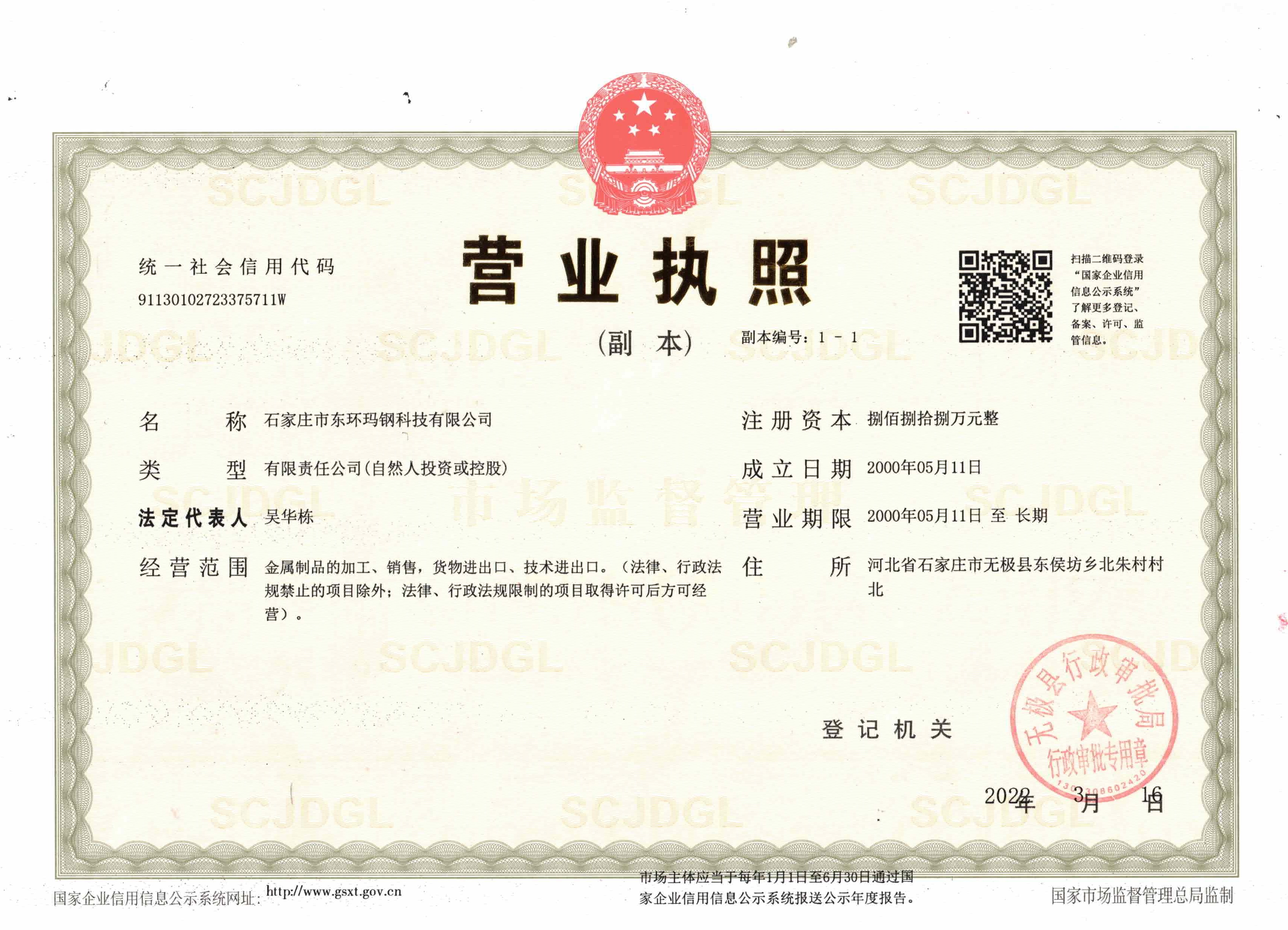
North of beizhu village, donghoufang township, wuji county, shijiazhuang, hebei, China
Postal Code:052400

Mob web

Tiktok