Shijiazhuang Donghuan malleable iron technology co.,ltd




Stainless Pipe Fittings That Last and Protect
Release time:
2026-05-11
Author:
Stainless pipe fittings offer corrosion resistance, strength, and hygiene for leak-free, long-lasting connections in industrial and sanitary piping systems.

Stainless pipe fittings join pipes in strong pipelines. They help keep systems safe and stop leaks. Stainless gives you strength and lasts a long time. It also does not rust easily. Many industries use these fittings for safety and cleanliness. Chemical processing, food and drink, oil and gas, medicine making, and power plants all need pipe fittings. They use them to move things safely and cleanly. You can count on stainless pipe fittings to last and work well in tough places.
Practical benefits you get:
Stops rust
Easy to clean for safety
Handles high pressure and heat
Needs little care
What Are Stainless Pipe Fittings
Definition
Stainless pipe fittings join pipes in many places. You use these fittings to connect, turn, or close pipes. Stainless steel pipe fittings must follow rules like ASME B16.9. These rules decide the size, shape, and quality of each fitting. Sanitary fittings are made from austenitic stainless steel like 304 or 316. These fittings have smooth inside walls. You can clean them easily and keep out germs. They meet world standards for cleanliness and safety.
Sanitary fittings:
Built for easy cleaning and disinfecting
Made from stainless that does not rust
No dead spots so germs cannot grow
Follow rules like 3A, DIN, and SMS
People trust stainless pipe fittings for clean and safe connections in food, chemical, and medicine systems.
Purpose in Piping Systems
Pipe fittings are important for building pipelines. You use them to make strong connections and keep the system safe. Each fitting has its own job.
You use special stainless steel pipe fittings for careful control in measuring systems. These fittings help you keep things correct and steady.
Pipe fittings help with:
Leak-free connections in water and chemical plants
Strong and long-lasting pipes in buildings and HVAC
Clean pipes in food and medicine factories
You see stainless pipe fittings in oil and gas, chemicals, power plants, ships, and water plants. These fittings keep your system safe and working well.
Key Features of Pipe Fittings
Corrosion Resistance
Stainless pipe fittings protect against rust very well. You can use them in water, chemical, and food systems. They do not get damaged quickly. Stainless has chromium that makes a thin shield. This shield stops water and chemicals from hurting the fittings. The shield keeps the fittings safe, even with lots of chloride or cleaning agents.
Protection from Rust
Tests show these fittings fight rust really well. For example, 304 stainless steel welded joints do not rust much in freshwater. After 90 days in water with chloride, there is no rust or cracks you can see. The table below shows the test results:
You can read more about how stainless resists rust at NACE International.
Strength and Durability
Stainless pipe fittings are strong and last a long time. You can use them where there are heavy loads or strong pressure. Stainless does not bend or break easily. It stays in shape and holds tight when you join pipes with compression. This makes it better than brass, copper, or PVC. Those can crack or wear out faster.
High Pressure Tolerance
Stainless pipe fittings can handle high pressure. They do not leak or burst in hard jobs. Compression connections stay tight, even if pressure or temperature changes fast. This gives you safe and steady flow in your pipes.
Hygienic Properties
You need clean pipe fittings for food and chemical plants. Stainless pipe fittings have smooth inside walls. Liquids do not stick or leave stuff behind. You can clean and disinfect them every day and they will not get ruined. The design has no dead spots, so germs cannot grow.
Cleanliness for Food and Chemical Use
Food and drink companies use these fittings because they do not make products dirty. You can use strong cleaners and high heat to keep them clean. The table below shows why these fittings are good for hygiene:
Stainless pipe fittings give you these benefits:
Smooth surface that does not let bacteria hide
Strong for long-lasting use
Stays stable for hot cleaning and sterilizing
Easy to make for a clean finish
Compression connections that stop leaks
You can learn more about clean design at FDA Food Safety Modernization Act.
Temperature Resistance
Performance in Extreme Conditions
You need pipe fittings that work in hot and cold places. Stainless pipe fittings work well in freezing and very hot spots. You can use them where the temperature changes fast. These fittings do not break or get weak from heat or cold.
You can trust these fittings for:
Cryogenic systems as cold as -196°C
Working all the time up to 870°C
Short times up to 927°C
You get steady results in power plants, chemical factories, and food lines. These fittings keep their shape and strength with steam, hot water, or freezing liquids.
Low Maintenance
Reduced Upkeep Needs
You save time and money with fittings that need little care. Stainless pipe fittings have smooth surfaces for easy cleaning. You do not need to add coatings or linings. These fittings fight rust, so you do not fix them often.
Benefits you get:
No need for extra treatments or paint
Fewer replacements because they last long
Less time spent on cleaning and fixing
You spend less on care and keep your system working longer. Many industries pick these fittings to save money and stop interruptions.
Types of Stainless Pipe Fittings

Elbows
Elbows help pipes turn in different directions. They come in angles like 45 or 90 degrees. You use elbows to fit pipes in tight spots or around corners. Elbows are common in water lines and chemical plants. They are also used in HVAC systems. You can pick threaded elbows or compression tube fittings. Threaded elbows are easy to install and stay tight. Compression fittings stop leaks in small-bore tubes.
Common elbow types:
90-degree elbow: Makes pipes turn at a right angle.
45-degree elbow: Gives pipes a gentle turn.
Threaded elbows: Use threads for fast assembly.
Compression tube elbows: Seal small-bore tubes tightly.
Elbows let you make flexible pipe layouts and avoid obstacles.
Tees
Tees split pipes into two directions. They help you branch or join flow, like a fork. Tees are used in water supply and gas lines. They also work in process systems. You can choose threaded tees or compression tube fittings. Threaded tees connect pipes with matching threads. Compression fittings make leak-proof branches in small-bore tubes.
Types of tees:
Equal tee: All outlets are the same size.
Reducing tee: One outlet is smaller for different pipe sizes.
Threaded tees: Use threads for quick setup.
Compression tube tees: Make tight branches for small-bore tubes.
Tees help you grow your piping network and manage flow well.
Crosses
Crosses connect one pipe to three others at one spot. You use crosses in fire systems and HVAC. They are also used in industrial pipelines. Crosses branch flow in many directions, like a busy intersection. You can pick threaded crosses for easy setup. Compression tube crosses seal small-bore tubes tightly. These fittings help you build complex networks and send flow where needed.
Types of crosses:
Standard cross: Four outlets with the same size.
Reducing cross: Some outlets are smaller.
Threaded crosses: Use threads for fast connections.
Compression tube crosses: Stop leaks in small-bore tubes.
Crosses let you control flow direction and build complex pipe layouts.
Types of Pipe Fittings Table
You use these fittings to build strong and flexible piping systems. Threaded and compression tube fittings make installation easy. Small-bore tube fittings are good for precise jobs. You get tight connections and good flow control with these fittings.
Reducers
Reducers connect pipes that are not the same size. You use these fittings to change the flow from a big pipe to a small one, or from a small pipe to a big one. This helps keep the system working right and stops pressure problems. There are two main types you can pick:
Concentric reducers: These fittings line up the middle of both pipes. You use them when you want the flow to go straight.
Eccentric reducers: These fittings have one side that is flat. You use them when you need the bottom of the pipe to stay even. This helps stop air bubbles in liquid systems.
You see reducers in lots of places. They help control how fast things move and how much pressure there is. You also use them to connect pumps, valves, or tanks to pipes that are not the same size. These fittings help your system work well and stay safe.
Tip: Pick the right reducer for your system. Concentric reducers are good for up and down flow. Eccentric reducers are better for sideways pipes where you do not want air or liquid to build up.
Common Uses
You find pipe fittings in almost every place that moves liquids or gases. Each fitting does a special job. Elbows change the way pipes go. Tees split the flow into two. Crosses connect one pipe to three others. Reducers join pipes that are not the same size. These fittings help you make safe and flexible systems.
Here is a table that shows where you use different pipe fittings in real life:
You use stainless pipe fittings for these jobs because they last a long time, do not rust, and keep your system clean. You can trust these fittings with high pressure and big temperature changes. They also help you follow safety and cleanliness rules in important places.
Use pipe fittings to:
Make leak-free connections
Change flow direction and speed
Join pipes of different sizes
Meet tough industry rules
If you pick the right fittings, your system will be safer, cleaner, and work better.
Lasting Protection and Reliability

Longevity
Extended Service Life
You want your system to last a long time. Stainless fittings work well for many years in different places. The table below shows how long these fittings can last in each place:

These fittings give you good value over time. You do not have to change them often. This means your system works longer and costs less to fix.
Safety Compliance
Meeting Industry Standards
You need fittings that follow strict safety rules. These rules make sure every connection is safe. The table below lists important standards for stainless fittings:
You can trust these standards for safe and clean use. Here are some groups that make these rules:
ASTM: Makes rules for materials and how strong they are.
ASME: Sets rules for design, making, and checking pressure parts.
NSF: Checks if products are safe for drinking water.
You keep your system safe when you pick fittings that meet these rules.
Efficiency
Secure Connections
You want every pipe connection to be strong and not leak. Stainless fittings help you do this in many ways:
The smooth inside makes things flow easily.
Less turbulence means liquids and gases move better.
This helps you save energy and lower costs.
Fittings stay strong under high pressure and stress, so leaks are rare.
Strong fittings mean you do not fix them much.
You get a connection you can count on.
A strong connection means you do not worry about leaks. Your system works well and stays safe for everyone.
Choosing Pipe Fittings
Picking the right fittings keeps your system safe and working well. You need to make sure the fittings match what your system needs. Think about the material grade, size, pressure rating, and if the fitting is right for the job.
Factors to Consider
Material Grade
You have to pick the right material grade for your fittings. Each grade has its own good points:
304 stainless steel stops rust very well. It has at least 18% chromium and 8% nickel. This helps fittings last longer in tough places.
304L stainless steel pipe fittings are strong and tough. You can use them where there is a lot of pressure. They do not rust and can take heat up to 1,700°F.
If you work with strong chemicals or near the sea, you may need 316 stainless steel. This grade can handle more pressure and harsh liquids.
Tip: Always check the material grade before you put in fittings. The right grade stops leaks and helps fittings last longer.
Size and Pressure Rating
You need to match the fitting size and pressure rating to your pipes. Fittings come in many sizes and can take different pressures.

Stainless steel pipe fittings can take up to 6,000 psi. You must check the pipe schedule and wall thickness to make sure the fitting fits your system. Knowing about pressure ratings, temperature limits, and wall thickness keeps your system safe and working right.
Application Suitability
Matching to System Needs
You have to pick fittings that fit your job. Every industry needs something special:
Food and beverage: Pick fittings that are easy to clean and have smooth surfaces. These stop germs and help cleaning.
Chemical processing: Use fittings that do not rust and can take high pressure. This keeps dangerous liquids safe.
Energy systems: Choose fittings that can take high heat and pressure. This keeps your system working in hard places.
Note: Always check the rules and codes for your industry before you put in fittings. Following the rules keeps things safe and helps fittings last longer.
You need to look at the technical details, what kind of liquid you use, and how you will put in the fittings. Think about how you will fix or take out the fittings later. Picking the right fittings for your system stops leaks and helps everything work well.
Stainless vs Other Materials
Comparison with Carbon Steel
It is important to know how stainless and carbon steel fittings work. The table below shows how they are different:
Stainless stops rust better than carbon steel. Carbon steel is stronger but rusts faster. Stainless lasts longer in wet or chemical places. You use carbon steel when you need more strength and do not worry about rust.
Pick stainless if your pipes touch water, chemicals, or need to last a long time.
Comparison with Plastic
Plastic fittings are cheaper and lighter than metal ones. You should see how they work in hard jobs. The table below helps you compare:
Stainless can take heat, pressure, and chemicals. Plastic is good for easy, low-pressure jobs. You pick stainless when you want strong and long-lasting pipes. Plastic costs less at first but may break and need fixing.
Stainless is safer and works better than plastic in most factories.
Environmental and Economic Benefits
Stainless helps the environment because it lasts a long time. You do not have to replace it often, so there is less waste. You can recycle stainless many times and it stays strong. Making stainless uses less energy than some other metals.
You also save money over time. Here are the main ways you save:
Stainless systems can last more than 50 years. You do not need extra coatings, so you pay less for care. Less downtime means your system runs better and costs less.
When you choose stainless, you help the planet and save money over time.
You use stainless pipe fittings to make strong connections. These connections do not leak. The fittings do not rust easily. They can handle a lot of pressure. They last for many years, even in hard places. You see these fittings in food, chemical, and factory systems. They stay clean and keep things safe. To pick the right fitting, match the grade to your job. Check what pressure and temperature your system needs. Make sure all parts are clean before you use them. Check your system often to keep it safe and working well.
FAQ
What makes stainless pipe fittings better than regular steel?
Stainless pipe fittings resist rust and last longer.
You clean them easily.
They handle high pressure and heat.
You use them in tough environments.
How do I choose the right material grade?
Check your system needs.
Use 304 for general use.
Pick 316 for harsh chemicals or saltwater.
Match the grade to your pressure and temperature requirements.
Can stainless pipe fittings be used for drinking water?
Yes, you can use them for drinking water.
They do not add taste or odor.
They meet safety standards for water systems.
Are stainless pipe fittings safe for food and chemical plants?
You get smooth surfaces that stop bacteria.
They resist strong cleaners.
They meet hygiene standards for food and chemical use.
How long do stainless pipe fittings last?
You get long service life with proper care.
Do stainless pipe fittings need special maintenance?
You clean them with standard methods.
No need for coatings or paint.
You inspect them regularly for leaks or wear.
What sizes are available for stainless pipe fittings?
Sizes range from ½ inch to 6 inches and more.
You match the fitting size to your pipe diameter.
Check pressure ratings for each size.
Can I recycle stainless pipe fittings?
Yes, you can recycle them.
Stainless steel keeps its strength after recycling.
You help reduce waste and support sustainability.
Keywords:
Stainless pipe fittings
Recommended Reading
Leave your problems to us
If you need a solution, you can write your question and contact information in the message form, we will contact you as soon as possible after receiving it.
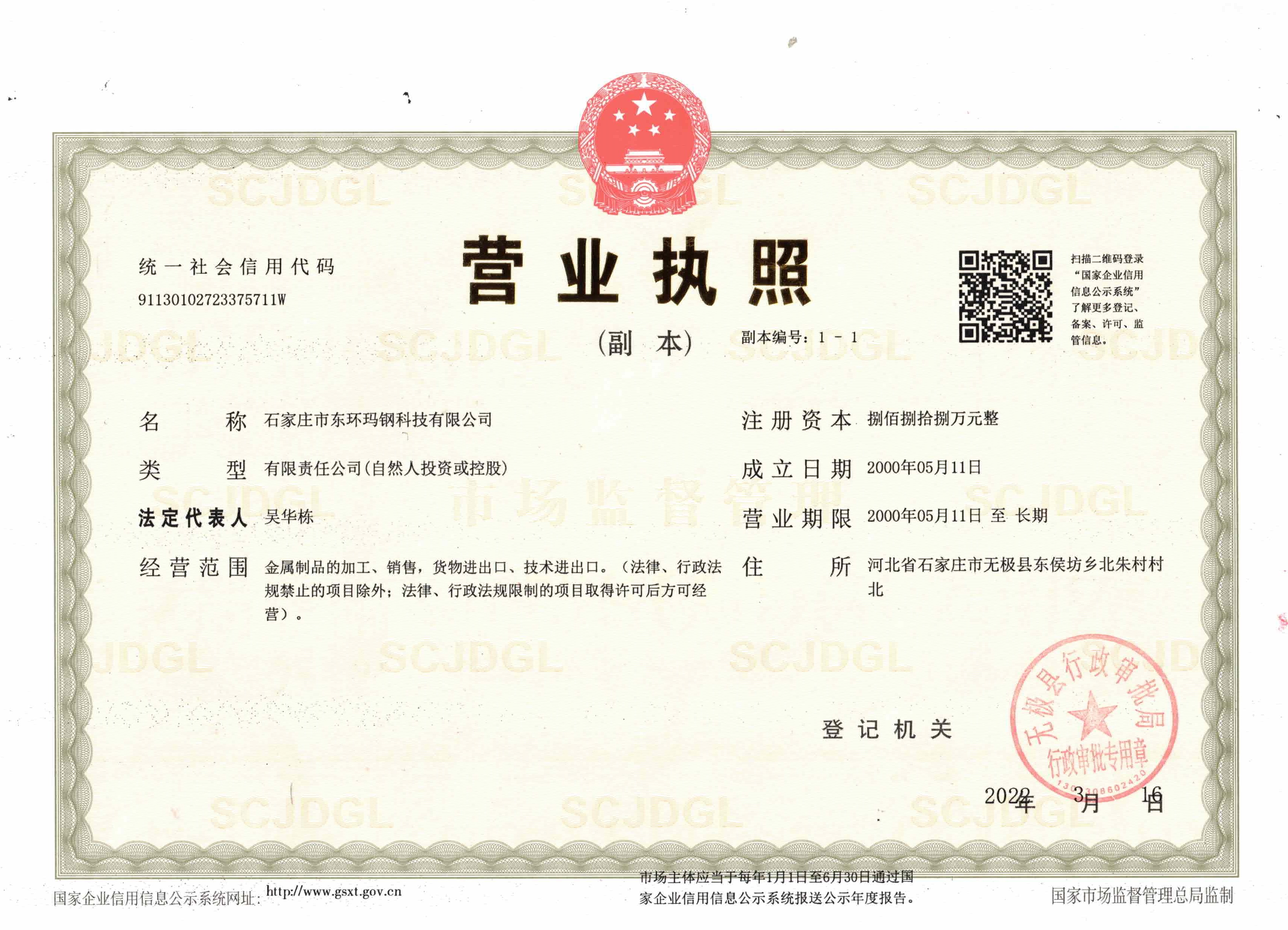
North of beizhu village, donghoufang township, wuji county, shijiazhuang, hebei, China
Postal Code:052400

Mob web

Tiktok