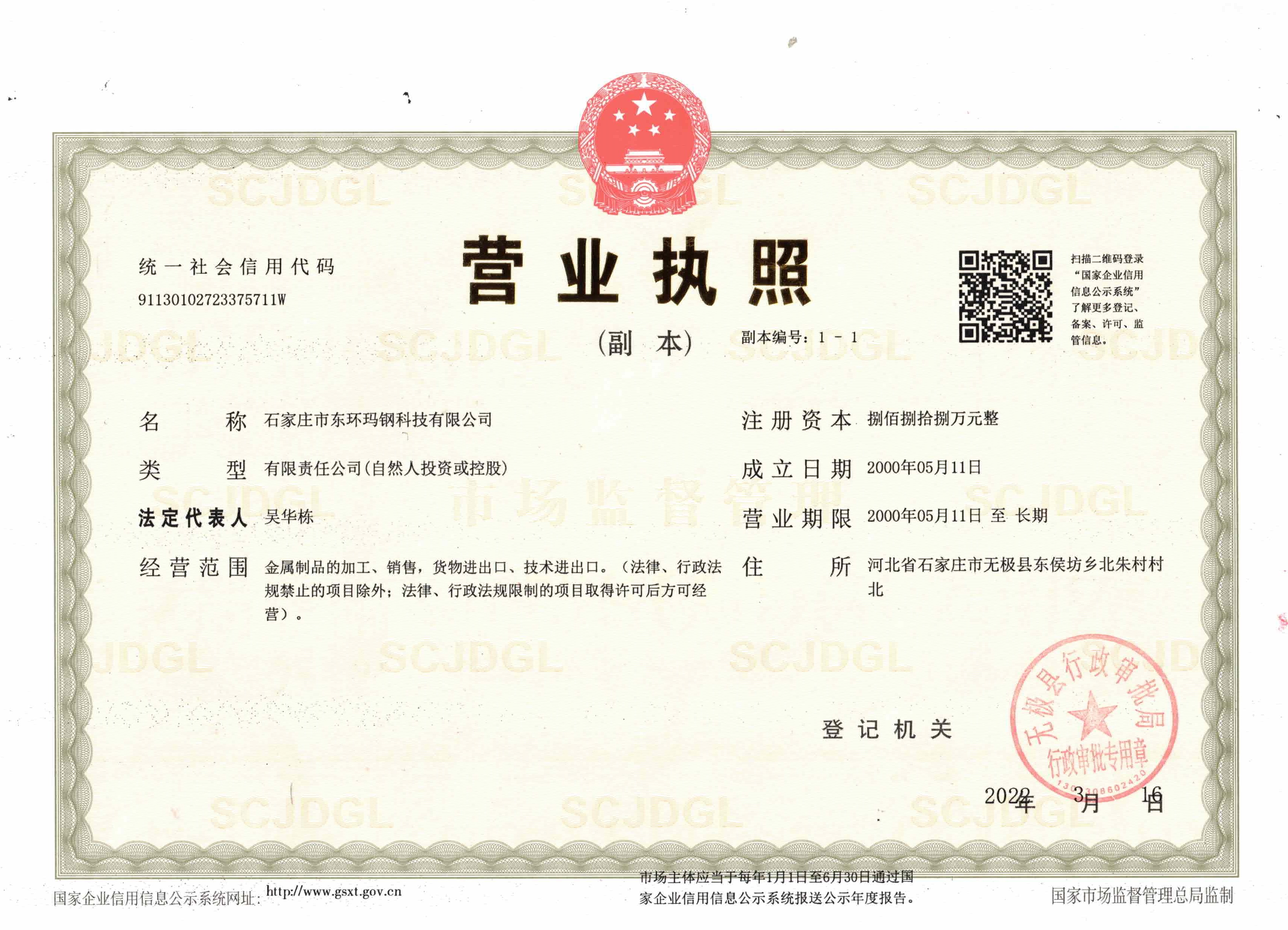
Shijiazhuang Donghuan malleable iron technology co.,ltd




What Are Stainless Steel Pressure Fittings and How Are They Used
Release time:
2026-05-11
Author:
Stainless steel pressure fittings join and seal pipes in high-pressure, corrosive environments, offering durability and leak-free performance for critical systems.

You use stainless steel pressure fittings to join pipes or stop flow.
Stainless steel pressure fittings work well in tough places.
These fittings do not rust or get hurt by chemicals, so they are safe and last long.
Makers use forging to make stainless steel pressure fittings strong.
Stainless steel pressure fittings help make tight connections and last a long time.
Stainless Steel Pressure Fittings Overview

What Are Pressure Fittings
Pressure fittings help connect, control, or seal pipes in fluid systems. They are important in pneumatic and hydraulic systems. These fittings make sure connections do not leak. This keeps the system safe and working well. Here are some main ideas:
Pressure fittings are standard connectors for pipes.
You can use them to join pipes with different shapes or sizes.
They can change the flow direction or close the end of a pipe.
Good sealing is very important. You can seal by:
Using threads, sometimes with sealant
Squeezing a gasket or o-ring
Pushing two metal surfaces together, often with a cone shape
| Function | Description |
|---|---|
| Connect pipes of different shapes and sizes | Needed to build a pipeline that works well. |
| Change the direction of flow | Makes it easy to design and lay out pipelines. |
| Seal the end of a pipeline | Stops leaks and keeps the system safe. |
You can find more about pressure fittings at ASME B16.11 and ASTM International.
Forging Process and Material Strength
Manufacturers use forging to make stainless steel pipe fittings. Forging shapes metal with high heat and pressure. This makes the metal stronger and denser. The fittings do not crack or bend, even when under high pressure.
Forged stainless steel pipe fittings have even grain inside.
You can use them in tough places like chemical plants or water treatment plants.
Forging helps stop leaks and failures.
High-grade stainless steel gives you better strength. This material can handle high pressure and temperature changes. You can count on these fittings for long-term use in important systems.
Key Features and Standards
Stainless steel pipe fittings are strong and safe. You get many benefits when you use them:
| Feature | Description |
|---|---|
| Corrosion Resistance | Stainless steel has a chromium oxide layer, so it does not rust or get damaged by chemicals. |
| Strength | These fittings are strong and can handle high pressure. |
| Life Expectancy | Stainless steel pipe fittings can last up to 100 years, which is longer than most other materials. |
| Heat Insulation | They do not let heat pass easily, so they are good for hot water. |
You should pick fittings that meet world standards. The most common standards are:
| Standard | Focus Areas |
|---|---|
| ASTM | What the material is made of, how strong it is, and how it is tested |
| ASME | Size, pressure and temperature ratings, and end connections |
| MSS | Same size, how well it works, and how it is tested |
| ISO | World rules for size, material, and testing |
| EN | Rules for pressure parts in Europe |
These standards make sure stainless steel pipe fittings work well in hard and high-pressure places. You can use them in important jobs where safety and strength are needed.
Types of Stainless Steel Pipe Fittings

Elbows and Tees
Elbows and tees help change where the flow goes or split it. These stainless steel pipe fittings let you build strong and flexible pipelines. Elbows turn the flow by 45° or 90°. Tees let you branch or join flows in three ways.
Elbows turn the flow, so pipes fit in small spaces.
Tees make new branches or join two flows together.
You use these stainless steel hose fittings in tough and high-pressure places.
Tip: Elbows and tees help you make tricky layouts. You do not lose strength or safety.
| Fitting Type | Main Function | Common Angle | Use Case Example |
|---|---|---|---|
| Elbow | Redirects flow | 45°, 90° | Turns pipe around corners |
| Tee | Splits/combines flow | Straight | Branches off main line |
Couplings and Unions
Couplings and unions join pipes together. You pick couplings for permanent pipe setups. Unions are best when you need to take pipes apart for repairs.
Couplings give a fixed connection you cannot take apart easily.
Unions let you disconnect pipes without turning them.
Couplings are simple to put in but hard to remove.
Unions are more complex but easy to take apart.
Couplings cost less because they are simple.
Unions are good if you need to fix pipes often.
| Connector Type | Structure | Installation | Removal | Best Use |
|---|---|---|---|---|
| Coupling | Simple cylinder | Easy | Difficult | Permanent connections |
| Union | Three parts + gasket | Moderate | Easy | Equipment connections |
You see these stainless steel hose fittings in systems that need both permanent and easy-to-fix connections.
Adapters and Reducers
Adapters and reducers connect pipes of different sizes or materials. You use adapters to join pipes and make them longer. Reducers connect pipes with different diameters, so your system is flexible and saves money.
Adapters join pipes with different sizes or materials.
Reducers connect pipes with different diameters.
Concentric reducers keep the centerline straight.
Eccentric reducers move the centerline to stop air pockets and help drainage.
Common reducer sizes are 2 inch to 1.5 inch, 4 inch to 3 inch, and 6 inch to 4 inch.
Note: Adapters and reducers help you fix or upgrade your system. You do not need to change all the pipes.
You use these stainless steel hose fittings in high-pressure places where you need strong connections.
Common High-Pressure Stainless Steel Pipe Fittings:
Stainless steel O-ring fittings seal well for high-pressure fluids.
JIC stainless hydraulic hose fittings work in tough hydraulic systems.
Series 43 stainless steel crimp fittings grip hose reinforcement tightly.
You use these stainless steel pipe fittings to build safe, strong, and long-lasting piping systems.
Valves and Specialty Fittings
You use valves and specialty fittings to control pipes. They help you manage pressure and stop leaks. These parts keep your system safe. Stainless steel valves and specialty fittings work well in tough places. They do not rust and can handle very hot or cold temperatures.
Common Stainless Steel Valves:
Cryogenic Check Valves
These valves let fluid move one way. They stop fluid from going back. They are made from welded stainless steel. You find them in systems with very cold fluids like liquid nitrogen.
Cryogenic Butterfly Valves
These valves are light and fit big pipes. They let lots of fluid flow through. You use them when you need to open or close flow fast.
Cryogenic Gate Valves
You use these to shut off flow. They seal tightly and do not drop pressure much. They are good for blocking parts of your pipeline.
Cryogenic Globe Valves
You use these to control flow exactly. They let you make small changes. They work best in smaller pipes.
Specialty Stainless Steel Fittings:
304/304L Stainless Steel Hose Fittings
These fittings make strong connections. They work in high-pressure and hot systems. You use them in chemical plants and water treatment.
JIC 37-Degree Flare Fittings
You find these in hydraulic systems. They use a metal seal to stop leaks. You trust them for high-pressure jobs.
Inconel Superalloy Fittings
You pick these for the hardest jobs. They resist rust and work in extreme heat and pressure. They keep working even in tough places.
Tip: Always pick the right valve or fitting for your system. Match it to the pressure, temperature, and fluid. This helps you stop leaks and problems.
Key Functions of Valves and Specialty Fittings:
| Function | Description |
|---|---|
| Flow Control | You can start, stop, or change the flow. |
| Pressure Management | These parts help keep pressure safe. |
| Isolation | You can shut off parts for repairs or emergencies. |
| Leak Prevention | Good seals and materials help stop leaks. |
| Adaptability | Specialty fittings connect pipes of different sizes or materials. |
Where You Use Them:
Chemical plants
Cryogenic storage systems
Hydraulic systems
Water treatment plants
Food and drink factories
You depend on stainless steel valves and specialty fittings for safety. They last a long time and work well. They help you build strong systems that can handle tough jobs.
Functions and Uses in Industry
Joining and Sealing Pipes
You use stainless steel plumbing fittings and stainless steel hose fittings to join pipes in many jobs. These fittings make strong and leak-proof connections for water, gas, and chemicals. You can pick from different ways to connect pipes. Each way has good points and bad points.
| Connection Method | Principle | Advantages | Disadvantages |
|---|---|---|---|
| Crimping Connection | Hydraulic tool crimps fitting with O-ring seal | Fast, good sealing for normal pressure | Non-removable, risk of O-ring damage |
| Compression Connection | Tool compresses fitting with rubber seal | High strength, good for high sealing needs | May rotate, can affect sealing |
| Flanged Connection | Bolted flanges with gasket | High strength, easy to take apart | Costs more, needs good gaskets |
| Grooved Connection | Clamp and seal ring press fittings together | Simple, easy to remove, good for short use | Needs careful grooving |
| Welded Connection | Fittings joined by welding | No seams, very strong, seals well | Needs skill, can rust if not treated |
| Tapered Thread Connection | Tight threads make the seal | Easy to put in and take out, low cost | Weaker seal, may need sealant |
You see crimping and compression used a lot in plumbing and water pipes. Flanged and welded ways are best for high-pressure fluids. Threaded and grooved ways are common for short or low-pressure jobs.
Stainless steel plumbing fittings stop leaks even when pressure is high. They do not rust and keep their shape, so you do not worry about sudden breaks. You can learn more about pipe joining rules at ASME B16.11.
Controlling Flow and Pressure
You control flow and pressure in pipes with valves and special stainless steel hose fittings. These fittings let you start, stop, or change how liquids and gases move. You can use different valves like ball, gate, globe, and check valves for your system.
Ball valves shut off flow fast.
Gate valves block flow with little pressure loss.
Globe valves help you adjust flow rates.
Check valves stop flow from going backward.
Pick 316L stainless steel for high-pressure work. This material is strong and does not rust. Common ways to connect are JIC 37-degree flare, SAE Code 61/62 flange, and ORFS. These ways help stop leaks and handle strong forces.
You need to know about working pressure and burst pressure. Working pressure is what your system handles every day. Burst pressure is the most it can take before breaking. Always pick fittings with burst pressure much higher than working pressure to stay safe.
Putting in fittings the right way and checking them often keeps them working well. Clean fittings last longer and keep your system safe. For more about pressure control, visit ASTM International.
Closing and Isolating Sections
You use stainless steel plumbing fittings and stainless steel hose fittings to close or block parts of a pipe system. This is important for repairs, upgrades, or emergencies. You can shut off some parts without stopping everything.
Use end caps or plugs to seal pipe ends.
Put in isolation valves to block flow in some areas.
Use unions and flanged joints to take pipes apart easily.
These fittings help you work safely and save time. You can fix or change parts without emptying the whole system. Stainless steel keeps its seal and strength, even after many uses.
You see these uses in chemical plants, water treatment, and food factories. Stainless steel plumbing fittings and stainless steel hose fittings work well in tough and high-pressure places.
Stainless Steel Plumbing Fittings in Chemical Processing
Stainless steel plumbing fittings help make safe pipes in chemical plants. These fittings let you move strong chemicals and acids without leaks. You need strong parts that do not rust or break down. Stainless steel plumbing fittings work with harsh chemicals and very hot or cold temperatures. You use them to build clean, pressure-safe pipe systems. These fittings help you follow safety and environmental laws. You see them in petrochemical plants with high heat and pressure. Stainless steel plumbing fittings stop dirt from getting in and keep liquids clean.
Tip: Pick stainless steel plumbing fittings if you want your chemical plant to be safe and last a long time.
Stainless Steel Hose Fittings in Utilities
Stainless steel hose fittings help utility systems work well every day. You use these fittings to join pipes and hoses in water plants and power stations. You need fittings that last and keep water safe to drink.
| Feature | Benefit |
|---|---|
| Corrosion Resistance | Makes fittings last longer and need less fixing in water plants. |
| Durability | Keeps the system strong and working in many conditions. |
| Hygienic Standards | Stops germs and keeps water clean and safe. |
Stainless steel hose fittings do not rust in wet places. Marine grade stainless steel hose fittings keep utility pipes strong and safe. You do not have to worry about rust or leaks with these fittings. These fittings help you follow strict water safety rules. Stainless steel hose fittings do not rust like brass ones. You use them to stop problems and keep water moving. Stainless steel hose fittings make sure you always have clean water, even in tough places.
Note: Stainless steel hose fittings help you worry less about your utility system. You fix things less often and your system stays strong.
Advantages of Stainless Steel Pressure Fittings
Corrosion and Chemical Resistance
Stainless steel pressure fittings stop rust and chemical harm. They work well in places like chemical plants and water systems. These fittings also do well in marine jobs. The metal makes a thin, clear layer that keeps out water and chemicals.
AISI 304 and AISI 321 make a film that stops rust.
Ti-stabilized AISI 321 keeps chromium mixed in, so it stops stress corrosion.
Good grain size and careful making help these fittings last longer.
You can count on these fittings to keep your system safe. They work even with strong acids or bases. Because they resist rust, you do not need to change parts often. This saves you time and money.
Durability and Pressure Stability
Stainless steel pressure fittings are strong and last a long time. You can use them in systems up to 10,000 psi. They do not bend, crack, or leak under high pressure. They keep their shape and seal, even if the temperature changes fast.
| Property | Description |
|---|---|
| Corrosion Resistance | Stainless steel fittings do not rust, so they last in tough places. |
| Mechanical Strength | Made to handle high pressure without bending or leaking. |
| Thermal Stability | Can grow or shrink with heat and still stay tight. |
| Ease of Installation | Easy to put in, so mistakes are less likely. |
You can use these fittings in oil, gas, and chemical jobs. They work best where safety and trust matter most.
Quick and Easy Installation
It is fast and easy to put in stainless steel pressure fittings. You do not need special skills to do it. You can use a press tool to make tight connections in seconds.
No fire or heat is needed, so it is safer.
You do not need much training, so you save on labor.
The press way makes a tight seal that does not leak or shake loose.
These fittings do not wear out, so the connection lasts.
The job is clean, with no smoke or bad smells.
Stainless steel fittings are good for the planet and make less waste.
You can finish work faster and make fewer mistakes. These fittings help you build safe and strong systems that last a long time.
Minimal Fluid Contamination
You want your fluid systems to stay clean and safe. Stainless steel pressure fittings help you do this. These fittings are very important in places where even a little contamination is a big problem. You see this in food, medicine, and biotech jobs.
Why do stainless steel fittings keep fluids clean?
Sanitary Design: These fittings have smooth insides. There are no cracks or rough spots for germs to hide. This design helps stop bacteria from growing.
Easy to Clean: You can use clean-in-place (CIP) methods. The smooth finish lets you wash inside without taking things apart. This saves time and keeps your process safe.
Secure Connections: Stainless steel pressure fittings make tight, leak-free joints. You do not worry about leaks or dirt getting in.
Corrosion Resistance: The metal does not react with most chemicals. You do not see rust or flakes mixing with your product. This keeps your fluids pure.
Withstand High Pressure and Temperature: These fittings do not break down in tough conditions. Your system stays safe, even with hot or cold fluids moving fast.
Tip: Pick fittings made from 316L stainless steel for the best protection. This type resists rust and meets strict hygiene rules.
Where do you use these fittings?
| Industry | Why Cleanliness Matters |
|---|---|
| Food & Beverage | Keeps food and drinks safe for people. |
| Pharmaceuticals | Stops medicine from mixing with germs. |
| Biotechnology | Protects products from bacteria or dirt. |
| Water Treatment | Makes sure water stays pure and safe. |
You can trust stainless steel pressure fittings to help you follow safety rules. These fittings help you keep fluids free from dirt or bacteria. You do not need to worry about contamination from the fittings.
Key benefits you get:
Lower risk of product recalls or safety problems
Less downtime for cleaning and fixing
Longer system life with fewer leaks and less rust
Better compliance with health and safety rules
You make a smart choice when you use stainless steel pressure fittings. You protect your products, your equipment, and the people who use them.
Choosing Stainless Steel Plumbing Fittings
Factors to Consider
You must pick the right stainless steel plumbing fittings for your job. First, think about what you need them for. Some fittings are best for water pipes. Others work better for chemicals or hydraulic systems. Where you use them matters too. If your area is wet or has strong chemicals, choose fittings that do not rust.
Think about how much money you can spend. Stainless steel fittings cost more than some others. But they last longer and need less fixing. Make sure your fittings match the pipes and the fluid you will use. Check if they can handle the pressure and heat in your system. If your pipes have high pressure, use hydraulic fittings that are made for it.
Check the size of your pipes and how the fittings connect. You want fittings that fit well and are easy to put in. Think about what you want the fitting to do. Some control flow, others just join pipes. Pick a way to install them that matches your tools and skills.
Checklist for Selecting Fittings:
Application type
Environmental conditions
Budget constraints
Material and transport fluid compatibility
Pressure and temperature grade
Piping size and connection types
Intended application or flow requirement
Installation method
Common Mistakes
You can stop problems if you know the common mistakes with stainless steel plumbing fittings. If you tighten too much or too little, you get leaks or broken threads. Mixing stainless steel with the wrong metals causes rust. Always clean the threads before you start. Dirty threads make it hard to seal.
Never use damaged fittings again. They will not seal and might leak. Use the right tools when you put them in. The wrong tools can break the fittings. Do not use too much sealant. Too much sealant can block the pipes and cause trouble, especially if it is not for stainless steel.
Top Mistakes to Avoid:
Over-tightening or under-tightening
Mixing stainless with incompatible metals
Forgetting to clean threads
Reusing damaged fittings
Not using the right tools
Using excess sealant
Tip: When you put in threaded stainless steel hydraulic fittings, always check that the threads are clean and you use the right amount of force.
Installation and Maintenance Tips
You keep your system safe by following good steps for putting in and caring for fittings. Check your fittings often for scratches or dents. Looking at them often helps you find problems early. Polish them to stop dirt from building up and to keep them shiny.
Clean your fittings with gentle cleaners that are not rough or sour. This keeps the chromium layer safe and stops rust. Use special coatings if your system is in a tough place. Watch the pressure and flow to keep the pipes from getting too much stress.
Maintenance Best Practices:
Routine inspection for surface damage
Polishing to prevent buildup
Regular cleaning with safe cleaners
Applying protective coatings
Checking pressure and flow levels
Note: If you use hydraulic fittings or a hydraulic hose fitting, checking and cleaning them often helps them last longer and keeps your system working.
You make good choices when you think about these things, avoid mistakes, and follow care tips. Your stainless steel plumbing fittings will last longer and help your system work well.
Stainless Steel vs. Other Fitting Materials
Stainless Steel vs. Brass
You often choose between stainless steel and brass for pressure fittings. Each material has strengths and weaknesses. Stainless steel works best in tough jobs. Brass fits lighter tasks.
| Material | Pressure Rating | Corrosion Resistance |
|---|---|---|
| Stainless Steel | Up to 20,000 psi | Superior in harsh environments (saltwater, acidic) |
| Brass | Up to 3,000 psi | Prone to corrosion over time |
Stainless steel handles much higher pressure. You can use it in heavy-duty systems.
Brass works for lower pressure. It costs less but may not last as long.
Stainless steel resists rust and chemicals. Brass can corrode, especially in salty or acidic places.
Tip: Use stainless steel when you need strength and long life. Brass fits jobs where cost matters more than durability.
Stainless Steel vs. Plastic
You may also compare stainless steel with plastic fittings. Each has a place in industry. Stainless steel gives you strength and long life. Plastic offers low cost and easy handling.
| Feature | Stainless Steel Fittings | Plastic Fittings |
|---|---|---|
| Strength | High tensile strength, ideal for heavy-duty use | Lower strength, for lighter jobs |
| Corrosion Resistance | Excellent, withstands rust and chemicals | Limited, can degrade in harsh conditions |
| Temperature Tolerance | Stays strong in extreme heat or cold | Can warp or break in high heat |
| Durability | Lasts over 50 years | Shorter lifespan |
| Maintenance | Needs little care | Needs more upkeep |
| Cost | Higher upfront | Lower upfront |
| Weight | Heavier, harder to install | Lighter, easy to handle |
| Thermal Conductivity | Transfers heat well | Insulates, less heat transfer |
Stainless steel stands up to pressure, heat, and chemicals.
Plastic weighs less and costs less. You can install it quickly.
Plastic may not last in harsh or hot places. Stainless steel keeps working for decades.
Note: Choose stainless steel for safety and long-term value. Pick plastic for simple, low-pressure jobs.
Cost and Performance
You must balance cost and performance when picking fittings. Stainless steel costs more at first. Brass and plastic save money upfront.
Brass fittings cost 30-50% less than stainless steel.
For a 1/2-inch fitting:
Brass: $2.50 – $5.00
Stainless steel (304): $5.00 – $10.00
Stainless steel (316): $8.00 – $15.00
For a project with 50-100 fittings, brass may cost $250-$500. Stainless steel can range from $500-$1,500.
You pay more for stainless steel, but you get higher pressure ratings, better corrosion resistance, and longer life. You spend less on repairs and replacements over time.
Key Point: Stainless steel fittings give you the best performance in demanding jobs. Brass and plastic work for lighter, less critical systems.
You use stainless steel pressure fittings to make pipes safe and strong. These fittings last a long time. They work well in hard places and can handle high pressure. You get lots of good things:
Corrosion resistance stops rust and keeps out chemicals.
Strength and durability help in jobs with high heat and pressure.
Low maintenance saves you time and money on fixing things.
Pick stainless steel if you need your system to work well in tough spots. Look at what your system needs. Choose fittings that fit your pressure and safety needs. You can count on these fittings to work well and last for years.
FAQ
What are the main benefits of stainless steel pressure fittings?
Corrosion resistance helps keep your pipes safe from rust.
High strength means these fittings can handle strong pressure.
Long lifespan means you do not need to replace them often.
Clean surfaces help stop germs or dirt from getting in.
Where do you use stainless steel pressure fittings most?
Chemical plants
Water treatment places
Food and drink factories
Oil and gas pipes
Power plants
How do you choose the right fitting size?
Measure the outer diameter of your pipe.
Check the pressure rating for your system.
Make sure the connection type matches your pipes.
Think about how hot or cold your system gets.
Can you use stainless steel fittings outdoors?
Yes, you can use them outside.
Stainless steel stands up to rain, sun, and hot or cold weather.
It does not rust in most outdoor places.
How do you prevent leaks with these fittings?
Tighten with the correct torque so it is not too loose or tight.
Clean all threads before you put them in.
Use approved sealants if you need extra sealing.
Check for damage before you use the fittings.
What is the difference between 304 and 316 stainless steel fittings?
316 has more molybdenum so it fights rust better.
Use 316 if you have saltwater or strong chemicals.
304 is good for most other jobs.
How often should you inspect stainless steel fittings?
Check your fittings every 6 to 12 months.
Look for wear, corrosion, or leaks.
Change any broken parts right away.
Are stainless steel pressure fittings reusable?
You can use some types again, like unions.
Do not use fittings again if the threads or seals are broken.
Always look for wear before you use them again.
Keywords:
Stainless steel pressure fittings
Recommended Reading
Leave your problems to us
If you need a solution, you can write your question and contact information in the message form, we will contact you as soon as possible after receiving it.
North of beizhu village, donghoufang township, wuji county, shijiazhuang, hebei, China
Postal Code:052400

Mob web

Tiktok