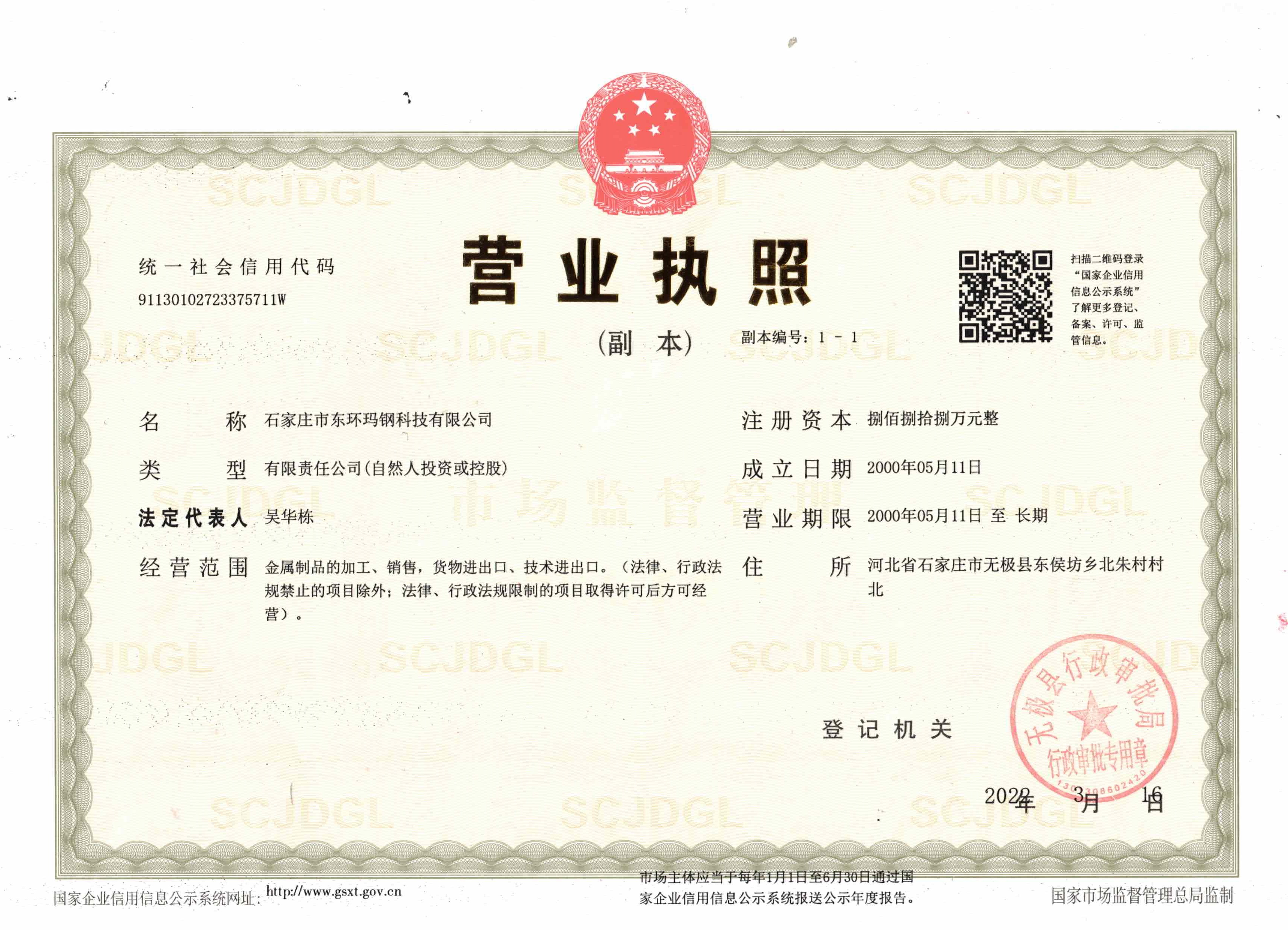
Shijiazhuang Donghuan malleable iron technology co.,ltd




Black Steel Pipe Fittings vs Black Iron Fittings Which Is Better
Release time:
2026-05-09
Author:
Black steel pipe fittings offer superior durability and corrosion resistance over black iron, making them ideal for gas lines and high-pressure systems.

You often pick black steel pipe fittings or black iron fittings based on what you need. You may care about how long they last, how much they cost, if they rust, and how easy they are to put in. Many experts look at what the fittings are made of, if they resist rust, the price, and if they fit the job. Black steel pipe fittings do not rust easily and last a long time. They are great for gas lines and fire sprinkler systems. Black iron fittings are strong and cost less for jobs with low pressure. You can see a quick comparison and summary to help you choose the right one.
Quick Comparison of Black Steel Pipe Fittings and Black Iron Pipe
Comparison Table
Here is a quick look at how black steel pipe fittings and black iron pipe compare:
Tip: You should always check local codes before choosing fittings for gas or water lines.
Key Differences
You will notice some clear differences when you compare these two types of fittings. Black steel pipe fittings work best for gas lines and fire protection. They resist rust better and last longer. You can use them in places where you need strength and safety. Black iron pipe fittings cost less and work well for low-pressure jobs. You might pick them for general plumbing or simple water lines.
You should also think about pressure. Black steel pipe fittings handle high pressure. This makes them a top choice for gas and fire systems. Black iron pipe fittings do not work as well under high pressure. You should use them where the pressure stays low.
When you look at installation, black iron pipe fittings are easier to put in. You can use basic tools. Black steel pipe fittings need threading and special tools. This can make the job harder if you want to do it yourself.
Corrosion resistance matters too. Black steel pipe fittings resist rust better than black iron. If you need fittings in a damp place, black steel is a safer pick.
For common applications, you should use black steel pipe fittings for gas lines, fire protection, and places with high pressure. You can use black iron pipe fittings for general plumbing and low-pressure water lines.
Here is a quick summary of which fitting type experts recommend for different jobs:
You can see that black steel pipe fittings give you more strength and last longer. Black iron pipe fittings save you money and work for simple jobs. Always match the fitting to your project needs.
Black Steel Pipe Fittings Overview

What Are Black Steel Pipe Fittings
Black steel pipe fittings help connect pipes. They also control pipes or change their direction. These fittings are made from steel. The steel has a dark coating called iron-oxide. This coating forms when the fittings are made. That is why they are called black steel pipe fittings. They do not have a painted or galvanized surface. Black steel pipe fittings are strong. They can handle high pressure and high heat. Industry standards tell you what to expect when you buy them. The table below shows which groups set these rules:
These standards make sure the fittings are safe. They also make sure the fittings are good quality for your project.
How Black Steel Fittings Are Made
Manufacturers use two main ways to make black steel fittings. The first way is electric resistance welding. They roll steel into a tube. Then they weld it along its length. The second way is seamless pipe production. They form the pipe by pushing metal through a mold. This makes pipes with no joints. The table below explains these ways and how they affect quality:
You can pick black steel fittings based on how strong you need them to be. Seamless fittings are best for jobs with high pressure.
Common Uses
Black steel pipe fittings are used in many places. They are strong and reliable. Here are the most common uses:
Gas systems in homes and businesses.
Fire sprinkler systems in big buildings.
Construction frameworks for support.
Oil and petroleum pipelines for moving liquids.
Steam and water transport in factories.
You can trust these fittings for tough jobs. They work well in homes and factories.
Strengths and Weaknesses
When you pick black steel pipe fittings, you get both strong benefits and some clear downsides. Knowing both sides helps you choose the right fitting for your project.
Strengths of Black Steel Pipe Fittings
Durability: Black steel pipe fittings are great for tough jobs. They handle high pressure and resist damage. They do not break or crack easily, even with quick temperature changes.
Cost-Effectiveness: Black steel fittings usually cost less than other materials, like galvanized pipes. If you need to install gas lines or fire sprinkler systems, you save money without losing quality.
Weldability: You can easily weld black steel fittings. This makes them flexible for custom projects or repairs.
Mechanical and Thermal Resistance: These fittings can handle heavy use and high heat. You can use them in places where other materials might fail.
Tip: Black steel pipe fittings work best in gas systems and fire protection because they are strong and reliable.
Weaknesses of Black Steel Pipe Fittings
Corrosion Risk: Black steel does not have a protective coating. If you use these fittings in wet or humid areas, they can rust over time. You need to add surface protection or use them only in dry places.
Not for Drinking Water: You should not use black steel pipe fittings for water supply lines. They can release iron into the water, making them unsafe for drinking.
Installation Needs: You must use special tools to thread and connect these fittings. If you do not install them correctly, you risk leaks, especially in gas lines.
Limited Application: Black steel pipe fittings work well for gas and fire systems. They do not suit every plumbing job, especially those needing corrosion resistance or exposed to water.
Here is a quick table to help you see the main strengths and weaknesses:
When you plan your project, think about where you will use the fittings. If you need strength, durability, and a good price, black steel pipe fittings give you solid value. If you need fittings for water lines or damp areas, you should look for other options.
Black Iron Pipe vs Black Steel Pipe: Core Differences

Material and Construction
It is important to know how black iron pipe and black steel pipe are different. Black iron pipe is made from malleable iron. This material is softer and can bend without breaking. Black steel pipe is made from carbon steel. Carbon steel is much stronger and can take more force. The way these pipes are made is not the same. Black iron pipe is made using old hot-rolling methods. Black steel pipe is made with seamless or welded cold-forming. These things change how you use the fittings for your work.
Here is a table that shows the main differences:
Malleable iron fittings are often used with black iron pipe. These fittings help you connect pipes easily. Black steel pipe fittings are made from stronger steel. This lets you use them for jobs with high pressure.
Durability and Pressure Resistance
When you look at black iron pipe and black steel pipe, you see big differences in how long they last and how much pressure they can take. Black steel pipe fittings have more carbon. This makes them stronger. You can use them where the pressure is high, like in gas lines or fire sprinkler systems. Black iron pipe is better for low or medium pressure. It does not do well with high pressure like black steel pipe.
Here is a quick look at how each one works:
Black iron pipe is strong enough for basic plumbing.
Black steel pipe fittings are stronger and last longer.
Malleable iron fittings are good for low-pressure jobs but can break if the pressure is too high.
This table shows how these materials work in real life:
Pick black steel pipe fittings for jobs with high pressure or where safety is very important. Use malleable iron fittings with black iron pipe for simple jobs with low pressure.
Corrosion Resistance
Corrosion resistance is important when you pick fittings for your project. Black iron pipe does not resist rust well, especially in wet places. You need to paint or coat these pipes if you want them to last longer. Black steel pipe resists rust better, especially if it is galvanized. This makes black steel fittings a better choice for places with water or moisture.
Here is a comparison:
Use black steel pipe fittings in places where there is water or humidity. Malleable iron fittings can rust fast if you do not protect them.
When you plan your project, make sure you pick the right fitting for the job. Black steel pipe fittings work better in tough places. Malleable iron fittings are best for simple, dry, and low-pressure jobs.
Installation and Connection Methods
When you work with black iron pipe or black steel pipe, you need to understand how to connect them for safe and long-lasting results. The most common method uses tapered pipe threads, also called NPT (National Pipe Thread). You cut threads into the ends of the pipe and fittings, then screw them together. This method creates a tight seal that holds up under pressure.
You should always use a thread sealant, especially for gas lines. The sealant fills small gaps in the threads and helps prevent leaks. It also makes it easier to tighten the connection without damaging the threads. Proper installation techniques matter. If you do not cut the threads cleanly or tighten the fittings enough, you risk leaks or weak joints.
Here is a table that shows the main installation methods and how they affect long-term performance:
You often use malleable iron fittings with black iron pipe. These fittings are easy to thread and connect. You can use basic hand tools for most jobs. Black steel pipe fittings may need more careful threading and sometimes require power tools for larger sizes. Always check that your connections are tight and leak-free before finishing the job.
Tip: Always inspect threads for damage before installation. Damaged threads can cause leaks or weak joints.
Cost Factors
Cost plays a big role when you choose between black iron pipe vs black steel pipe. Black iron pipe usually costs less than black steel pipe. This makes it a good choice for projects with a tight budget or for low-pressure systems. Malleable iron fittings also cost less than steel fittings. You can save money on both materials and installation because these fittings are easier to work with.
Black steel pipe costs more because it is stronger and lasts longer. You pay more up front, but you get better performance in high-pressure or safety-critical systems. The installation of black steel pipe can also cost more. You may need special tools or skilled labor, especially for large or complex systems.
Here are some key points to consider:
Black iron pipe and malleable iron fittings offer lower material and labor costs.
Black steel pipe and its fittings cost more but provide higher durability and safety.
For gas lines, fire protection, or high-pressure systems, the extra cost of black steel pipe is often worth it.
For general plumbing or low-pressure water lines, black iron pipe and malleable iron fittings can help you save money.
You should balance your budget with the needs of your project. If you need strength and long life, invest in black steel pipe. If you want to keep costs down for simple jobs, black iron pipe and malleable iron fittings are a smart choice.
Black Steel Fittings: Pros and Cons
Pros of Black Steel Fittings
Black steel fittings have many good points. They work well and last a long time. Here are some main reasons people like them:
Cost-Effectiveness: You spend less money over the years. These fittings do not need much fixing. You will not have to buy new ones often, so you save money.
Longevity: These fittings can last for many years. In the countryside, they may last over 50 years. In factories, they can last about 20 to 25 years.
Versatility in Design: You can find these fittings in many shapes and sizes. This helps you build different things and fit special needs.
Environmental Sustainability: These fittings are easy to recycle. Using them helps cut down on waste and is better for the planet.
Here is a table that shows these good points:
Note: Black steel pipe fittings are great for gas lines, fire safety, and other jobs with high pressure.
Cons of Black Steel Fittings
You should also know about the problems with black steel fittings. Some things can make them less useful in certain places.
Corrosion Resistance: These fittings do not have a special cover to stop rust. They can get rusty and weak, especially if they get wet.
Maintenance Requirements: You need to paint them with anti-rust paint every two years. This keeps them working well.
Durability in Wet Areas: If the place is very wet, these fittings may only last 5 to 8 years. They do not last as long as in dry places.
Safety for Potable Water: Do not use these fittings for drinking water. Rust can get into the water and make it unsafe to drink.
The table below shows these problems:
Tip: Always check if the area is dry before you use black steel pipe fittings. They work best in places without much moisture.
Black Iron Fittings: Pros and Cons
Pros of Black Iron Fittings
Black iron fittings are good for many plumbing jobs. You can use them for gas lines too. These fittings have many benefits for workers and people at home. The table below shows the main good points of black iron fittings:
Tip: Black iron fittings work well for gas lines and fire sprinklers. They also handle steam because they can take heat and pressure.
Cons of Black Iron Fittings
You should know the problems before you pick black iron fittings. Some issues can make them harder to use or care for:
Rust can cover the whole fitting if water is not treated. If the coating gets scratched, rust forms fast.
Small holes or pits can show up in tight spots or still water. These problems can make the fitting weak.
Sometimes, the fittings have small flaws from the factory. These flaws can make them less strong or safe.
If you drop or store them wrong, they can get dents or cracks. Always look for damage before you use them.
Note: Do not use black iron fittings in wet or harsh places. Check and fix them often to stop leaks or breaks.
Black iron fittings work well in dry places with low pressure. If your project has lots of water or needs extra safety, you should look at other choices.
Choosing the Right Fitting
Application Type
You must pick the right fitting for your job. The kind of system matters, like gas, water, or steam. Each system needs a certain fitting. Black steel pipe is best for gas lines. It does not rust easily and follows safety rules. Do not use galvanized pipe for gas lines. Black iron pipe works well for water systems with low pressure. Malleable iron fittings connect pipes in both gas and water systems. You need to size pipes correctly. Use BTU load and run length to make sure appliances work. Always follow local codes and use certified fittings. Thread sealing stops leaks and keeps your system safe. Pressure testing is important after you finish installing. A sediment trap, also called a drip leg, keeps your system clean and helps it last longer.
When you pick materials, think about how strong they are and if they resist chemicals and rust. Each fitting has its own job. Unions and couplings let you join or disconnect pipes easily. Malleable iron fittings are flexible and fit many designs.
Environmental Factors
Where you use the fittings affects how long they last. Humidity, temperature, and chemicals can cause problems. Black iron pipe and black steel fittings can rust in damp places. High heat can make these materials weak. Cold can make them brittle. Chemicals can break down fittings over time. You need to pick materials that resist these things. Malleable iron fittings work well in dry places. In wet or harsh areas, use fittings with coatings or pick materials that resist rust.
Think about these points:
Corrosion is a big risk in humid or chemical-filled places.
High heat can make fittings break.
Chemicals can damage fittings, so pick ones that resist them.
Malleable iron fittings are best for dry, low-pressure jobs.
Check your environment before you install any fitting. If you expect moisture or chemicals, look for other options or add surface protection. For more information, see The Spruce: Pipe Fittings Guide.
Budget and Cost
Your budget helps you decide what to use. Black iron pipe costs less than black steel pipe. Malleable iron fittings are cheap and easy to put in. You save money on materials and labor. Black steel fittings cost more but last longer and are safer. If you need strength and long life, pick black steel pipe. For simple jobs with low pressure, black iron pipe and malleable iron fittings help you save money.
Here is a quick table to compare costs:
Balance cost and performance. Choose black steel fittings for jobs with high pressure or safety needs. Use black iron pipe and malleable iron fittings for simple, low-pressure projects that fit your budget.
Installation: DIY or Professional
You have to choose if you want to put in the pipes yourself or call a pro. This choice changes how safe your system is, how much you pay, and how long it will last. If you do it yourself, you must follow every step. Pick the right thread sealant, like PTFE tape or pipe dope, so you do not get leaks. Malleable iron fittings can break if you use too much force, so you need to be gentle and careful. Always test the pressure when you finish to make sure nothing leaks.
Professionals know how to check if the threads fit right and if the pressure is good. They do not make mistakes like putting parts together without sealant or making them too tight. These mistakes can hurt your system. If you are not sure you can do it, hiring a pro can stop you from having to fix big problems later.
Here is a table to help you see the main points for DIY and pro installation:
Tip: For a safe and strong system, always check for leaks and look over your work before you use the pipes.
Local Codes and Standards
You must follow local building codes and rules when you put in pipe systems. These rules keep your house or business safe. Codes tell you what materials you can use and how to put them in. For black steel and black iron pipes, standards like B36.20-1966 and B36.1-1966 cover seamless and welded pipes. These standards help you know if the pipe is good for your job.
Here is a table with common standards:
You should always ask your local building office before you start. Some places have extra rules for gas lines, fire safety, or water pipes. Following these rules helps you pass checks and keeps your system safe.
Final Recommendations
You need to pick the right fittings for your project. Think about what kind of system you have, where it is, how much money you have, and who will put it in. For gas lines and high-pressure jobs, black steel pipe is stronger and safer. For low-pressure plumbing, black iron pipe can save you money.
Here is a quick guide for homeowners, DIYers, and pros:
Homeowners: Pick black steel pipe for gas lines and important safety jobs. Use black iron pipe for simple, low-pressure plumbing.
DIYers: Use malleable iron fittings because they are easy to put in. Always check for leaks and follow local rules.
Professionals: Choose materials that meet code and fit the system. Think about how long the system will last and how safe it is.
Note: Always check your local codes and rules before you start. The right fittings help you build a safe and strong system.
You need to pick black steel pipe fittings for gas lines and inside jobs. These fittings are strong, save money, and last a long time. If you have high pressure or lots of rust, use materials like stainless steel or UPVC. Make sure the fitting matches your project. Always check local rules before you start. Think about these steps:
Look at what you need and if the materials work together.
Try simple ways to install if you are new to plumbing.
Check local rules before you buy anything.
Tip: Picking the right fitting and putting it in the right way keeps your system safe and working well.
FAQ
What is the main difference between black steel and black iron fittings?
You see black steel fittings made from carbon steel. Black iron fittings use malleable iron. Black steel offers higher strength and better corrosion resistance. Black iron costs less and works for low-pressure jobs.
Can you use black steel fittings for water supply lines?
You should not use black steel fittings for drinking water. They can release iron into the water and rust quickly. Choose other materials for potable water systems.
Are black iron fittings safe for gas lines?
You can use black iron fittings for gas lines if local codes allow. Always check regulations. Black steel fittings provide better safety and durability for gas systems.
How do you prevent rust on black steel or black iron fittings?
You protect fittings by applying anti-rust paint or coatings. Keep fittings dry and inspect regularly. In wet areas, use materials with better corrosion resistance.
Which fitting is easier to install for DIY projects?
You find black iron fittings easier to install. They require basic tools and simple threading. Black steel fittings need more careful threading and sometimes special tools.
What is the lifespan of black steel and black iron fittings?
You can expect black steel fittings to last 20–50 years, depending on the environment. Black iron fittings usually last 10–20 years in dry, low-pressure settings.
Do you need special tools for black steel pipe installation?
You need threading tools and sometimes power tools for black steel pipe. Black iron fittings often use hand tools. Always check thread quality before installation.
How do you choose the right fitting for your project?
You match the fitting to your system’s pressure, environment, and budget. Use black steel for gas lines and high-pressure jobs. Choose black iron for simple, low-pressure plumbing.
Keywords:
Black steel pipe fittings
Recommended Reading
Leave your problems to us
If you need a solution, you can write your question and contact information in the message form, we will contact you as soon as possible after receiving it.
North of beizhu village, donghoufang township, wuji county, shijiazhuang, hebei, China
Postal Code:052400

Mob web

Tiktok