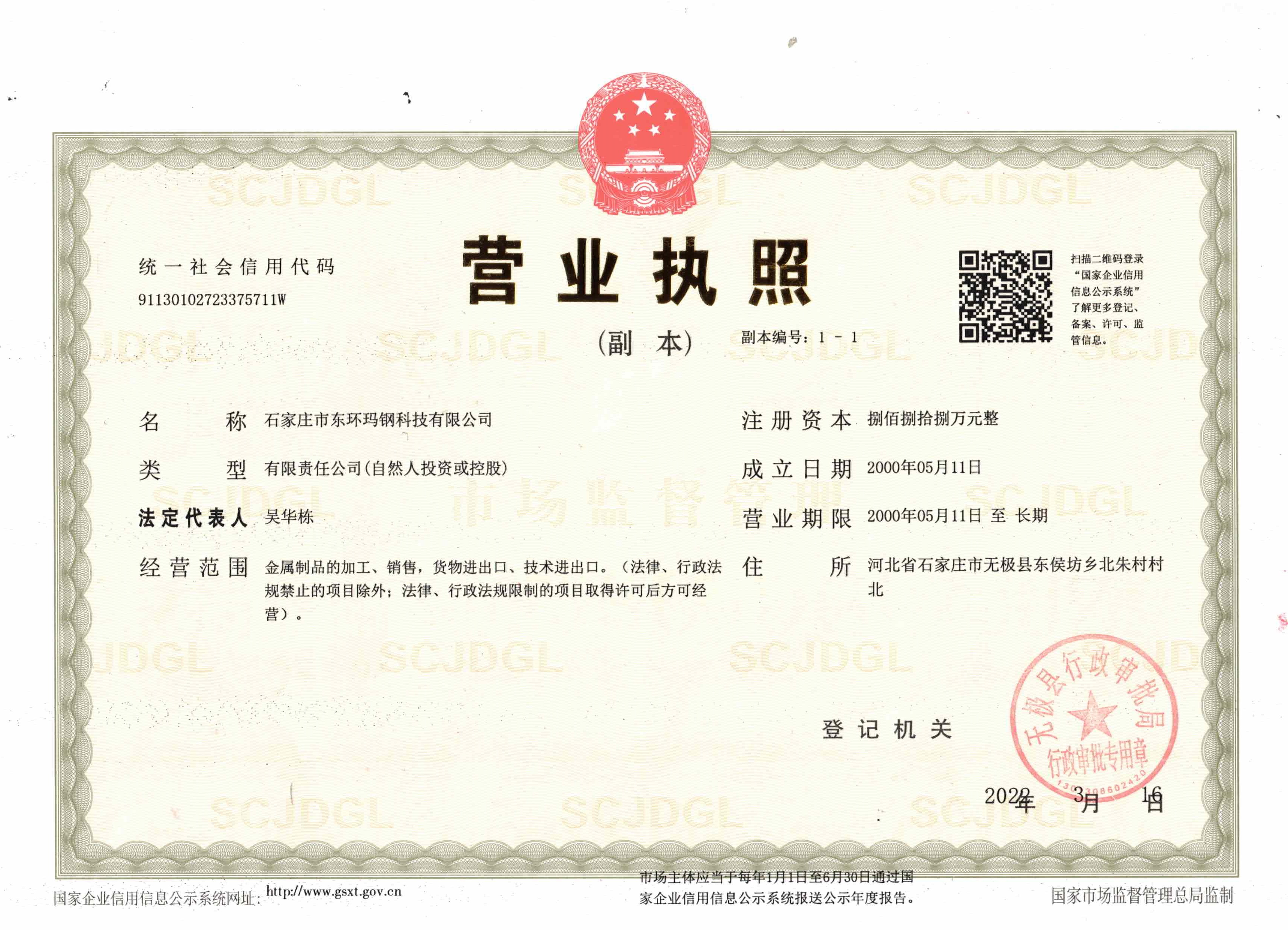
Shijiazhuang Donghuan malleable iron technology co.,ltd




Why black iron pipe fittings matter in 2026
Release time:
2026-05-09
Author:
Black iron pipe fittings in 2026 meet strict ASTM A197 and EN 10242 standards, ensuring safe, reliable gas and oil system performance and compliance.

You use black iron pipe fittings for gas because they keep things safe. These fittings help make sure every project is safe. New rules in ASTM A197 and EN 10242 are very strict for gas systems. You must follow these rules. Certified fittings give you:
High tensile strength
Great impact resistance
Strong thread integrity
Good performance with medium pressure
No danger of zinc layer contamination
Manufacturers make black iron pipe fittings with the same wall thickness. This makes them more reliable and last longer. People think more fittings will be needed in late 2026 when building projects start again. You need fittings that can handle pressure and keep gas safe.
Definition of black iron pipe fittings
Material and manufacturing process
Malleable iron composition
Black iron pipe fittings are made from malleable iron. This iron has carbon inside, which makes it strong and tough. Malleable iron does not break easily when pressed hard. You can use these fittings in rough places. The iron also fights off rust, so you do not worry about rust in gas or oil pipes. These fittings work well with high pressure and heat changes.
Key properties of malleable iron:
Strong and durable
Excellent corrosion resistance
Handles high pressure and temperature
Dark oxide coating vs. galvanization
Black iron pipe fittings have a dark oxide coating. This layer forms while making the fitting. It keeps water away and gives the fitting its black look. The coating helps stop rust, which is good for gas pipes. There is no zinc layer like on galvanized fittings. Galvanized fittings use zinc to stop rust, but the zinc can peel off and cause trouble in gas pipes. The dark oxide layer stays in place and does not mess up the gas.
Tip: Pick black iron pipe fittings with a dark oxide coating for gas pipes. Do not use galvanized fittings so you avoid zinc problems.
NPT threads and connection types
You join black iron pipe fittings with NPT threads. NPT means National Pipe Tapered. These threads fit together tightly when you twist them. This squeezes the threads and helps stop leaks. You should always use thread sealant or PTFE tape. This fills small spaces and makes the seal better. In 2026, threaded fittings are still the main way to connect gas and oil pipes. You get a strong, leak-proof joint every time.
Common connection types:
Threaded (NPT) fittings for mechanical sealing
Use of sealant or PTFE tape for extra leak prevention
Typical applications in 2026
In 2026, you use black iron pipe fittings in many places. Gas systems need these fittings for safety and strength. You also see them in oil pipes, air systems, and fire sprinklers. You match the fitting to the pipe schedule for each job. Schedule 40, schedule 80, and schedule 160 pipes all fit these fittings. Schedule 40 pipes are for normal pressure. Schedule 80 and schedule 160 pipes are for higher pressure and thicker walls. You pick the right schedule for your system.
You pick black iron pipe fittings because they are strong, fight rust, and work with different pressures. You can count on them for every job.
Types of black iron pipe fittings

Common fitting shapes and uses
It is important to know the types of black iron pipe fittings. Each shape has its own job in a piping system. The table below shows the main types and what they do.
Elbows help you turn pipes. Tees let you split or join flows. Cross fittings connect four pipes together. Couplings keep pipes joined. Unions help you take pipes apart for repairs.
Note: Pick the right fitting shape for your job. This helps you build a safe and good system.
Specialty fittings for gas lines
Some fittings are made just for gas lines. These include gas-rated elbows, tees, and unions. They are made to handle more pressure and stop leaks. Gas-rated fittings have thicker walls and tighter threads. You must use thread sealant or PTFE tape for extra safety. There are also special valves and regulators for gas. These help you control how much gas moves and the pressure.
Gas-rated elbows and tees help change direction and branch safely
Unions make gas line repairs easier
Valves and regulators control flow and pressure
You use these special fittings when working with gas. This keeps your system safe and follows the rules.
Comparison with black steel pipe
You should compare black iron pipe fittings with black steel pipe. The table below shows the main differences.
You pick black steel pipe when you need more strength and pressure. Black iron pipe fittings are good for threaded jobs and cost less. Black steel pipe lasts longer and rusts less. Black iron pipe fittings are best for lighter jobs and easy repairs. Always check the standards and what the fitting is made of before you choose.
Tip: Use black steel fittings for tough jobs. Use black iron pipe fittings for gas, oil, and air systems that need threaded connections.
Standards for black iron pipe fittings in 2026
ASTM A197 specifications
You have to use ASTM A197 when picking black iron pipe fittings. This rule tells you how malleable iron castings should be made. ASTM A197 explains what chemicals and tests are needed. Fittings must be strong and safe to use. ASTM A197 makes sure fittings work well in gas and oil systems. It gives rules for wall thickness, thread quality, and pressure. Contractors and inspectors look for the ASTM A197 mark on fittings. You can read more at ASTM International.
ASTM A197 covers:
The lowest tensile strength for malleable iron
Limits for carbon steel to make it last longer
Thread sizes for tight, leak-free joints
Ways to stop rust and damage
You need ASTM A197 fittings to pass checks and keep gas lines safe.
EN 10242 requirements
EN 10242 is the top European rule for black iron pipe fittings. Many big projects around the world use EN 10242. This rule explains how to make malleable cast iron fittings with threads. EN 10242 lists what materials, sizes, and pressure ratings to use. These fittings work with black steel pipe and carbon steel systems. EN 10242 also says fittings must resist rust and damage. You should look for the EN 10242 mark if you work in Europe or worldwide. You can read the full rule at European Committee for Standardization.
EN 10242 includes:
What chemicals to use in malleable iron and carbon steel
Pressure ratings for gas and oil pipes
Thread rules so fittings match black steel pipe
Protection tips for tough places
You must use EN 10242 fittings to follow European and world rules.
National and regional standards
You must follow your country’s or region’s rules for black iron pipe fittings. These rules add more safety and performance steps. Local codes say what carbon steel and black steel pipe you can use. National rules often use ASTM A197 and EN 10242, but add more about how to install and check fittings. Always check local rules before starting work. Inspectors will check if you follow national rules.
National standards cover:
Which materials like carbon steel and black steel pipe are allowed
Pressure ratings for gas and oil pipes
How to stop leaks and rust
How to install threaded and welded fittings
You must use fittings that meet both world and local rules. This helps your project pass checks and keeps everything safe.
Industry-specific regulations
You have to follow industry-specific regulations when you put in or make black iron pipe fittings in 2026. These rules help keep people safe and make sure every fitting is made right. Gas, oil, and fire protection jobs all have their own rules. You should always check the rules for your job before you begin.
Testing requirements are very important for following the rules. You need to do many tests before you can use the fittings. The table below lists the main tests you should know:
You have to use ASTM standards for cast iron soil pipe and fittings. These rules are not a choice. If your contract, local law, or government says to use a standard, you must do it. Inspectors will look to see if you follow the rules at every step.
Tip: Always read your contract and local rules before you buy or put in fittings. This helps you not make mistakes and keeps your work going well.
You need to save all your test papers and certificates. These papers show your fittings pass every rule. If you skip a test or use fittings without papers, you could fail checks or get in trouble with the law.
Key points to remember:
Look for rules you must follow in your project papers.
Do all the tests before you put in fittings.
Keep your test papers for checks.
Only use fittings with papers that follow the rules.
If you do these things, your gas, oil, or fire system will be safe and legal in 2026.
Pressure ratings and performance

Standard pressure ratings (150 PSI)
You need to know the pressure rating for every fitting you use. Black iron pipe fittings and black steel pipe have clear pressure ratings. These numbers tell you how much force the system can handle before it fails. Most black steel pipe fittings come in two main classes. You can see the common pressure ratings in the table below:
You often see a standard pressure rating of 150 PSI for black steel pipe in gas distribution. This rating means the pipe and fittings can handle most home and light commercial gas systems. Always check the pressure rating stamped on the fitting. Never guess. If you use the wrong pressure rating, you risk leaks or bursts.
Note: Black cast iron fittings are not for compressed air, flammable, or toxic media. The brittle nature of the material can cause problems if you have mechanical impacts or sudden pressure changes.
Suitability for gas and propane systems
You use black steel pipe for gas distribution because it meets the pressure ratings for natural gas and propane. Most home gas lines run at low pressure, so black steel pipe works well. You should not use black steel pipe for high-pressure jobs. For propane systems, you need extra protection. Use a corrosion-resistant coating if you bury the pipe. This protection keeps the pipe safe from rust and damage underground.
Black steel pipe is approved for propane and natural gas lines in homes.
You must use protection for buried lines to stop corrosion.
Do not use black steel pipe for high-pressure or industrial gas distribution.
You should always check if your fittings have the right pressure rating and protection for your job. This keeps your gas distribution system safe and legal.
Safety considerations in 2026
You must think about safety when you pick black steel pipe and black iron pipe fittings. The pressure rating is not the only thing that matters. You need to check if the material can handle high pressure and temperature. Black steel pipe is strong, but it can rust over time. Rust can damage tools, raise electric bills, and contaminate your gas distribution system. You need regular inspections to find corrosion or damage.
When you install black steel pipe, you need special tools and care. The pipe is heavy and needs threading equipment. If you do not handle it right, you can get hurt or damage the pipe. Always use protection like gloves and eye gear. Make sure you follow all safety steps for black steel pipe and carbon steel systems.
Check the pressure rating before you install.
Use protection for buried or outdoor pipes.
Inspect pipes and fittings often for rust or leaks.
Use the right tools and safety gear during installation.
Follow all rules for carbon steel and black steel pipe in gas distribution.
If you follow these steps, you keep your gas distribution system safe and working well in 2026.
Compliance and sustainability
Legal and inspection requirements
You have to follow strict rules when using black iron pipe fittings and black steel pipe in gas, oil, or fire protection systems. Inspectors will check if you use certified fittings and follow codes like ASTM A197 and EN 10242. You must keep all your test reports and certificates ready for review. Local laws say you need fittings that pass mechanical, chemical, and size tests. You also have to meet fire protection standards, which means extra checks for carbon steel and black steel pipe. For more information, you can visit the International Code Council or NFPA for fire protection codes.
Tip: Always read your project contract and local codes before you buy or put in fittings. This helps you not make mistakes and keeps your work legal.
Environmental impact and recycling
You should think about the environment when picking black steel pipe and carbon steel fittings. Black iron pipe fittings are not good for wet or corrosive places because they rust and break down. Galvanized fittings are better in wet areas since their zinc coating gives extra protection. If your project has very hot or cold temperatures, forged carbon steel or special alloys work better and last longer. You can recycle black steel pipe and carbon steel after you finish using them. Recycling helps cut down on waste and supports sustainability in fire protection and gas systems.
Black steel pipe and carbon steel can be recycled.
Galvanized fittings protect better in wet or corrosive places.
Use forged carbon steel for jobs with extreme temperatures.
Cost-effectiveness for projects
You save money by using black iron pipe fittings and black steel pipe in big building projects. These fittings are strong, flexible, and not too expensive. Because they last a long time, you pay less to install them than other materials. If you take care of black steel pipe, it can last up to 50 years. Other materials might need to be replaced more often, which costs more. You spend less on repairs and replacements in fire protection and gas systems.
Strong and flexible fittings help lower installation costs.
Long-lasting black steel pipe saves money over time.
Fewer replacements mean less downtime in fire protection projects.
Note: You make your project better and more sustainable when you pick the right fittings and materials for each place.
Choosing black iron pipe fittings
Sizing and compatibility
You have to pick the right size fitting for your project. First, check the pipe’s diameter and wall thickness. For hvac piping, use fittings that match the pipe schedule and pressure. Think about where you will use the fitting. Black iron pipe fittings work well indoors or in hot places. They handle heat and do not cost much. If you are working outside or in wet spots, use galvanized pipes. These pipes stop rust better, but they cost more. If you want the fitting to last a long time, see how easy it is to fix and how long it will last. Make sure the fitting fits your project’s needs and the place you will use it.
A fitting is just one part of a big system. It connects with pipes, valves, and other parts. All the parts must work together and not react badly with each other. This is as important as making sure the fitting fits right.
Remember, these fittings are strong when squeezed but not when pulled. They can break if hit or if pressure changes fast. Always install them the right way and do not make them too tight.
Quality and certification marks
You need to look for quality marks before you buy fittings. Certified fittings show they are safe and work well. Look for marks like UL or FM on the fitting. These marks mean the fitting passed tough tests for gas, oil, or fire systems. Always read the label and ask for test papers. This proves your fittings are safe and legal.
Check for clear certification marks on every fitting.
Ask for Material Test Reports (MTRs) to know the fitting’s quality and where it came from.
Only use fittings that pass all tests for safe installation.
You also need to check each fitting for damage. Look for cracks, rust, or other problems before you use it. Broken fittings can leak or make the system fail.
Supplier selection tips
Choosing the right supplier helps you avoid trouble later. Use the table below to help you pick:
Always compare suppliers and ask questions. Good suppliers help you get the right fittings and support you if there is a problem.
Tip: Always pick fittings that fit your project, check for quality marks, and choose suppliers with good quality checks. This helps you install everything right and keeps your system safe.
You use black iron pipe fittings to keep things safe in 2026. These fittings help your gas systems stay strong and last a long time. They also save you money because they do not break easily. You need to know the rules and pressure ratings for every project. This helps you follow the law and keeps everyone safe. Always do these things:
Ask your supplier for test papers and certificates.
Look for quality marks and make sure you can track where the fitting came from.
Check if the supplier has good experience and can help you with questions.
If you do these steps, your work will follow all the rules and your team will be safe.
FAQ
What are the main benefits of using black iron pipe fittings?
These fittings are strong and last a long time. They seal well, so gas does not leak. Certified fittings help you follow safety rules.
How do you identify a certified black iron pipe fitting?
Look for special marks like UL or FM on the fitting. Ask your supplier for pressure ratings and material test reports.
Can you use black iron pipe fittings outdoors?
You should not use black iron pipe fittings outside in wet or rusty places. These fittings can rust fast. Pick galvanized or coated fittings for better safety.
What is the difference between black iron and galvanized fittings?
How do you prevent leaks in threaded connections?
Wrap PTFE tape or use thread sealant on all NPT threads. Tighten the fittings, but do not make them too tight.
Are black iron pipe fittings recyclable?
♻️ Yes, you can recycle black iron pipe fittings. Recycling helps cut down on waste and is good for the planet.
What pressure rating should you check for gas systems?
Make sure your fittings are rated for 150 PSI or more. Always check the pressure number on the fitting before you use it.
How often should you inspect black iron pipe fittings?
Check your fittings at least once every year for rust, leaks, or damage. Change any broken fittings right away to keep your system safe.
Keywords:
Black iron pipe fittings
Recommended Reading
Leave your problems to us
If you need a solution, you can write your question and contact information in the message form, we will contact you as soon as possible after receiving it.
North of beizhu village, donghoufang township, wuji county, shijiazhuang, hebei, China
Postal Code:052400

Mob web

Tiktok