Shijiazhuang Donghuan malleable iron technology co.,ltd




Galvanised Tube Fittings Pros and Cons for Homeowners
Release time:
2026-05-08
Author:
Galvanised tube fittings offer rust protection and durability, but can affect water safety and are harder to repair. Weigh the pros and cons for your home.

You might see that galvanised tube fittings stop rust and last a long time. But, these fittings can sometimes make water unsafe and can be harder to fix. Think about these things before you choose:
Price of parts and putting them in
How long they last in your house
How much care they need later
If the water stays safe for your family
This article will help you look at these points and pick what is best for your home.
Galvanised Tube Fittings: Pros and Cons
Quick Overview
You should think about the good and bad sides before picking galvanised tube fittings for your home. These fittings protect well against rust and can last a very long time. They might save you money and be good for the environment. But, you need to think about problems like rust inside, water safety, and how hard they are to fix.
Tip: Always check your pipes if you have galvanised fittings. Looking at them often helps you find problems early.
Here is a summary table showing the main advantages and disadvantages:
You can read more about pipe safety and maintenance at WaterSafe and UK Government Building Regulations.
Key Factors for Homeowners
When deciding if galvanised tube fittings are right for your home, focus on these points:
Durability: You get long-lasting use, especially in dry places. Galvanised pipes resist rust and can serve your home for many years.
Cost: You pay less at first compared to some other materials. Maintenance costs may stay low if you check pipes often.
Maintenance: You must look for signs of rust or chipping. Finding problems early stops bigger issues.
Water Safety: You need to make sure water stays safe. Zinc can mix into water, especially if pipes get old or rusty. This may change drinking water quality.
Installation: You may find these fittings heavy and hard to handle. Doing it yourself can be tough.
Environmental Impact: You help cut down waste by choosing materials that can be recycled. Galvanised tube fittings create less waste when made.
Checklist for Quick Decision-Making:
Is your water supply okay with galvanized pipes?
Can you check pipes easily in your home?
Do you need a material that lasts over 25 years?
Are you okay with the weight and installation process?
Will you check water quality often?
You can use this checklist to see if galvanised tube fittings meet your needs. Always ask a qualified plumber if you are unsure about pipe safety or installation.
What Is Galvanized Steel Tubing?

Definition and Zinc Coating
Many homes use galvanized steel tubing because it does not rust easily. Manufacturers put a zinc layer on the steel tubes. This zinc keeps water and air from touching the steel. There are two main types of zinc coating. The table below shows how thick each type is:
Hot-dip galvanizing gives a much thicker layer. This helps the tubing last longer, especially in wet places. Zinc plating is thinner and can wear away more quickly.
Common Uses in Homes
You can find galvanized steel tubing in many parts of your house. Builders like it because it is strong and stops rust. Here are some ways it is used:
Plumbing for outside taps and pipes under the ground
Frames for buildings, railings, and barriers for safety
Fences for gardens and guttering systems
Electrical things like poles and brackets
You might also see it in beams, frameworks, and scaffolding when building. Its strength makes it a good choice for places that need extra protection.
Inspection and Identification
You can check if your house has galvanized steel tubing by looking for clues. Pipes put in before the mid-1950s often use this material. These pipes usually last between 40 and 50 years. Here are some ways to check and spot them:
Look for pipes that are grey or silver with a rough look
Check for rust or leaks, especially where pipes join
Notice if water pressure is low in many taps, which can mean rust inside
Look at old drain pipes, as they might need changing soon
Ask a plumber to check the pipes if you buy an old house
Rust often starts inside the pipe, so you might not see it at first. Checking your pipes often helps you find problems before they get worse.
Tip: If you see rust, leaks, or low water pressure, get a full check. Fixing problems early can stop bigger trouble later.
Advantages of Galvanised Tube Fittings

Rust Protection
Zinc Coating Benefits
The zinc coating helps stop rust from forming. It acts like a shield and keeps water and air away from the steel. The zinc layer is thick and gives extra protection. If the pipe gets scratched, the zinc still keeps the metal safe. Galvanising is a cheap way to stop rust. It works better than many other ways to fight rust. The zinc stops water and air, which cause rust. People call these pipes anti rust pipes because the coating works so well.
Performance in Damp Areas
You can use galvanised tube fittings in wet places. The zinc keeps the metal safe from water. These fittings are used a lot in water pipes because they do not rust easily. The coating helps pipes last longer in basements, bathrooms, and outside.
Durability and Longevity
Expected Lifespan
Galvanised steel pipes and fittings can last 20 to 50 years in your house. How long they last depends on your water and how often you check for rust or build-up. These fittings last a long time, but you should look at them often to stop blockages.
Comparison with Other Materials
Galvanised steel is strong, but copper and stainless steel last longer and need less care. You might pick galvanised pipes because they cost less and stop rust, but other pipes can last even longer.
Cost Savings
Upfront Costs
Galvanised tube fittings cost less at first than some other pipes. Galvanising is a cheap way to keep pipes safe from rust and damage.
Long-Term Value
Galvanised pipes can last about 40 years, but you might need to change them if they get blocked or rusty. Copper pipes last longer and cost less to look after because they do not get as dirty inside. You should think about the low price of galvanised pipes and if you might need repairs later.
Tip: Check your galvanised fittings often to help them last longer and save money.
Easy Inspection
Visible Coating
You can see galvanised tube fittings without any special tools. The zinc coating makes the pipes look shiny and silver. This shiny layer helps you spot these pipes quickly. You can tell them apart from other pipes right away. The coating is easy to notice, so you know which pipes to check. If you see dull or flaky spots, the coating is coming off.
Tip: Watch for rough, grey patches or shiny silver parts. These signs show where the zinc coating is still working.
Spotting Issues Early
You can find problems early with galvanised tube fittings. The shiny coating lets you see rust, leaks, or damage before they get bad. You should look for:
Discolouration: Brown or white marks mean rust or minerals.
Flaking: Peeling zinc means you need to fix the pipe.
Low water pressure: This can mean something is blocking the pipe.
Check your pipes often so you can fix problems before they cost a lot. Finding issues early keeps your water safe and your pipes working well.
Environmental Benefits
Recyclability
You help the planet when you pick galvanised tube fittings. These pipes can be recycled again and again. Old pipes can be used for new things and still stay strong. Recycling means less rubbish and saves important resources. Using these pipes helps your home stay green and friendly to nature.
♻️ Galvanised steel stays strong after recycling.
You make less rubbish by recycling old pipes.
Builders use recycled steel in new jobs, which saves energy.
Reduced Chemical Use
You do not need lots of chemicals with galvanised tube fittings. The zinc coating keeps the pipes safe in a natural way. Factories use fewer harsh chemicals to make these pipes. Your home is safer and the air is cleaner.
The galvanising process makes very little waste.
You do not need to use chemicals often to stop rust.
You help the planet by making less pollution at home.
Note: When you choose galvanised fittings, you use strong, recyclable pipes and avoid extra chemicals. This is a smart and green choice for your house.
Disadvantages of Galvanised Tube Fittings
Internal Corrosion Risk
Mineral Build-Up
Minerals can build up inside galvanised tube fittings. Hard water makes scale form inside the pipes. This scale makes the pipe opening smaller. Even a thin layer of scale can block a lot of water. Pipes can get blocked and water cannot flow well. Minerals also make the galvanised coating break down faster. When this happens, steel can start to rust. You should check for blockages often, especially if your water is hard.
Scale forms fast if you have hard water.
Small pipes mean water pressure drops.
More minerals mean more corrosion.
Blocked pipes do not last as long.
Impact on Water Flow
Blockages from minerals slow down water in your house. You might see taps running slowly or water pressure dropping. Pipes get weaker when they start to rust. You may need to change pipes sooner than you think. Blockages also stop water from reaching all parts of your home.
Tip: If your water is brown or pressure is low, check for blockages in your galvanised pipes.
Water Contamination Concerns
Zinc Leaching
Galvanised tube fittings can make your water unsafe. The zinc layer wears away over time. Iron and manganese can get into your water. You might see water that looks dirty or tastes like metal. These signs mean your pipes are getting old. The risk is higher in older houses or if pipes are not checked often.
Drinking Water Safety
You need to think about how safe your drinking water is. Zinc in water can be bad for your brain, especially for babies and children. Scale inside pipes can let bacteria grow. This makes water less safe to drink. Blockages can also hide these problems. You should test your water often if you use galvanised pipes.
Dirty water means pipes are breaking down.
A metal taste shows there is contamination.
Blockages can hide germs and other dangers.
Weight and Handling
Installation Challenges
Galvanised tube fittings are heavier than plastic or copper pipes. They are harder to carry and put in place. The weight makes it tough to fit them in small spaces. You might need special tools to cut and join these pipes. It takes longer to install them and costs more if you pay someone to help.
Heavy pipes are hard to move.
You need special tools to fit them.
It is tricky to work in tight spaces.
DIY Suitability
It is not easy to fit galvanised tube fittings yourself. The weight and tools make DIY jobs harder. You also need to check for blockages and rust often. If you do not have experience, you could damage the pipes or cause leaks.
Note: Always ask a plumber if you are not sure about fitting galvanised pipes. Doing it wrong can cost a lot to fix.
Repair Difficulties
Cutting and Joining
It can be hard to cut and join galvanised tube fittings. The steel is thick and strong. You need special tools like pipe cutters or machines. Normal hand tools do not work well. You must be careful not to scratch the zinc coating. If you damage the coating, the pipe can rust. Joints need to be sealed with tape or paste. If you do not seal them right, leaks can happen. Fixing a small part often means cutting out a big piece. This makes repairs take a long time.
You need strong tools for most repairs.
If the zinc coating gets damaged, rust can start.
Joints need to be sealed well to stop leaks.
Fixing one part may mean changing a long pipe.
Compatibility Issues
It is tricky to connect galvanised tube fittings to new pipes. Many homes use copper or plastic now. These do not always fit with galvanised steel. If you join different metals, you can get galvanic corrosion. This happens when two metals touch and water moves between them. The weaker metal rusts faster. You need special parts to join these pipes safely. These parts can cost more and are not always easy to find.
Mixing metals can make pipes rust quickly.
You need adapters to join different pipes.
Finding the right parts can slow down repairs.
Tip: Always look for leaks and rust after you fix or change your pipes.
Limited Suitability
Not Ideal for Some Water Types
Galvanised tube fittings do not work well with all water. Hard water makes minerals build up inside the pipes. This build-up blocks water and lowers pressure. Soft or acidic water can wear away the zinc coating faster. When the coating is gone, the steel starts to rust. You might see brown water or taste metal in your tap. If your water is hard or acidic, you may need a different pipe.
Hard water causes blockages in pipes.
Acidic water breaks the zinc layer quickly.
Water quality changes how long pipes last.
Unsuitability Outdoors
You should not use galvanised tube fittings outside. Rain, dirt, and weather can wear off the zinc coating. When the coating is gone, the steel rusts fast. Outdoor pipes get wet and face hot and cold weather. These things make pipes rust and break sooner. For outside, you may need plastic or stainless steel pipes.
Weather makes pipes rust faster.
Dirt can harm the zinc layer.
Outdoor pipes need stronger materials.
Note: Always pick the right pipe for your water and where you will use it.
Galvanised Pipe vs Other Materials
Galvanised Pipe vs Copper
It is important to look at both galvanised pipe and copper pipe before you start plumbing. Each one has good and bad points. The table below shows how they are different:
Galvanised pipe is cheaper at the start but might need changing sooner because it can rust. Copper pipe lasts longer and keeps your water safer to drink. You might find copper pipes easier to look after, especially for water pipes. For more about water safety and pipes, visit WaterSafe.
Galvanised Pipe vs Plastic
Plastic pipe, like PVC, is used a lot in new homes. You can see how it compares to galvanised pipe in this table:
Galvanised pipe is best for big building jobs and places with high water pressure. Plastic pipe is light, easy to cut, and simple to put in, so it is good for DIY work. Plastic does not rust, so you do not get rust problems. It is easier to look after plastic pipes, but they might not last as long in some buildings.
Choosing the Right Type
You should pick the pipe that fits your project. Think about these things:
Use galvanised pipe for strong, high-pressure jobs or when you need extra strength. Pick copper pipe if you want safe water and pipes that last a long time. Choose plastic pipe if you want something easy to fit, for drains, or if you want to save money. Always check the rules for building in your area before you start. You can read more at UK Government Building Regulations.
Tip: Think about your water, how easy it is to fit pipes, and how you will look after them later. The best pipe depends on what your house and project need.
Making Your Choice
Homeowner Checklist
Use this checklist to see if galvanised tube fittings are right for your house:
✅ Water Quality: Test your water for hardness and acid. Hard or acid water makes pipes wear out faster.
✅ Pipe Location: Use these pipes inside your house. Do not use them outside or under the ground.
✅ Inspection Access: Make sure you can reach and see your pipes for checks.
✅ Weight Handling: Check if you can lift the pipes or get help to fit them.
✅ Maintenance Plan: Plan to check for rust, leaks, and build-up often.
✅ Budget: Think about the price now and later repairs compared to other pipes.
✅ Water Safety: Plan to test your drinking water, especially if your pipes are old.
Tip: Tick every box before you decide. If you miss one, another pipe might be better for you.
Questions to Ask
Before you buy or fit galvanised tube fittings, ask yourself and your plumber these questions:
Will these pipes work with my water at home?
Is it easy to check and fix these pipes in my house?
How long will these pipes last where I live?
Can I join these pipes to my old plumbing safely?
What tools and skills do I need to fit or fix them?
How will I keep an eye on my water quality?
Are there any local rules about using these pipes?
Note: Write down your answers. Good answers help you avoid big mistakes.
Installation and Maintenance Tips
Follow these tips to keep your galvanised tube fittings safe and working well:
Use the right tools to cut and join pipes. Try not to scratch the zinc coating.
Seal every joint with the right tape or paste so they do not leak.
Do not mix metals. If you must, use special connectors for copper or plastic.
Check your pipes every year for rust, leaks, or low pressure.
Clean taps and showers to get rid of mineral build-up.
Change pipes if you see brown water, low pressure, or rust.
Take old pipes to a recycling centre.
🛠️ Tip: Keep a log of checks and repairs. This helps you spot problems and plan when to change pipes.
You need to weigh the main pros and cons before choosing galvanised tube fittings. Use this table to help you decide:
Check your needs, your water, and your skills. If you feel unsure, ask a professional. Use the checklist to make a safe, smart choice for your home.
FAQ
What is the main benefit of using galvanised tube fittings?
You get strong rust protection. The zinc coating keeps pipes safe from water and air. Pipes last longer in damp places.
How do you spot problems with galvanised pipes?
Look for:
Rust or leaks at joints
Low water pressure
Brown or metallic-tasting water These signs mean pipes need checking.
Are galvanised tube fittings safe for drinking water?
You must test your water often. Zinc and other metals can leach into water as pipes age. Old pipes may not keep water safe.
Can you install galvanised tube fittings yourself?
You need special tools and skills. Pipes are heavy and hard to cut. DIY is possible, but you risk leaks or damage.
How long do galvanised tube fittings last?
What is the best way to maintain galvanised pipes?
Inspect pipes every year.
Clean taps to remove mineral build-up.
Replace pipes if you see rust or low pressure.
Are galvanised tube fittings environmentally friendly?
♻️ Yes. You can recycle galvanised steel. The zinc coating reduces the need for harsh chemicals.
What types of water cause problems for galvanised pipes?
Hard water causes mineral build-up.
Acidic water wears away the zinc coating.
Both types shorten pipe lifespan.
Keywords:
Galvanised tube fittings
Recommended Reading
Leave your problems to us
If you need a solution, you can write your question and contact information in the message form, we will contact you as soon as possible after receiving it.
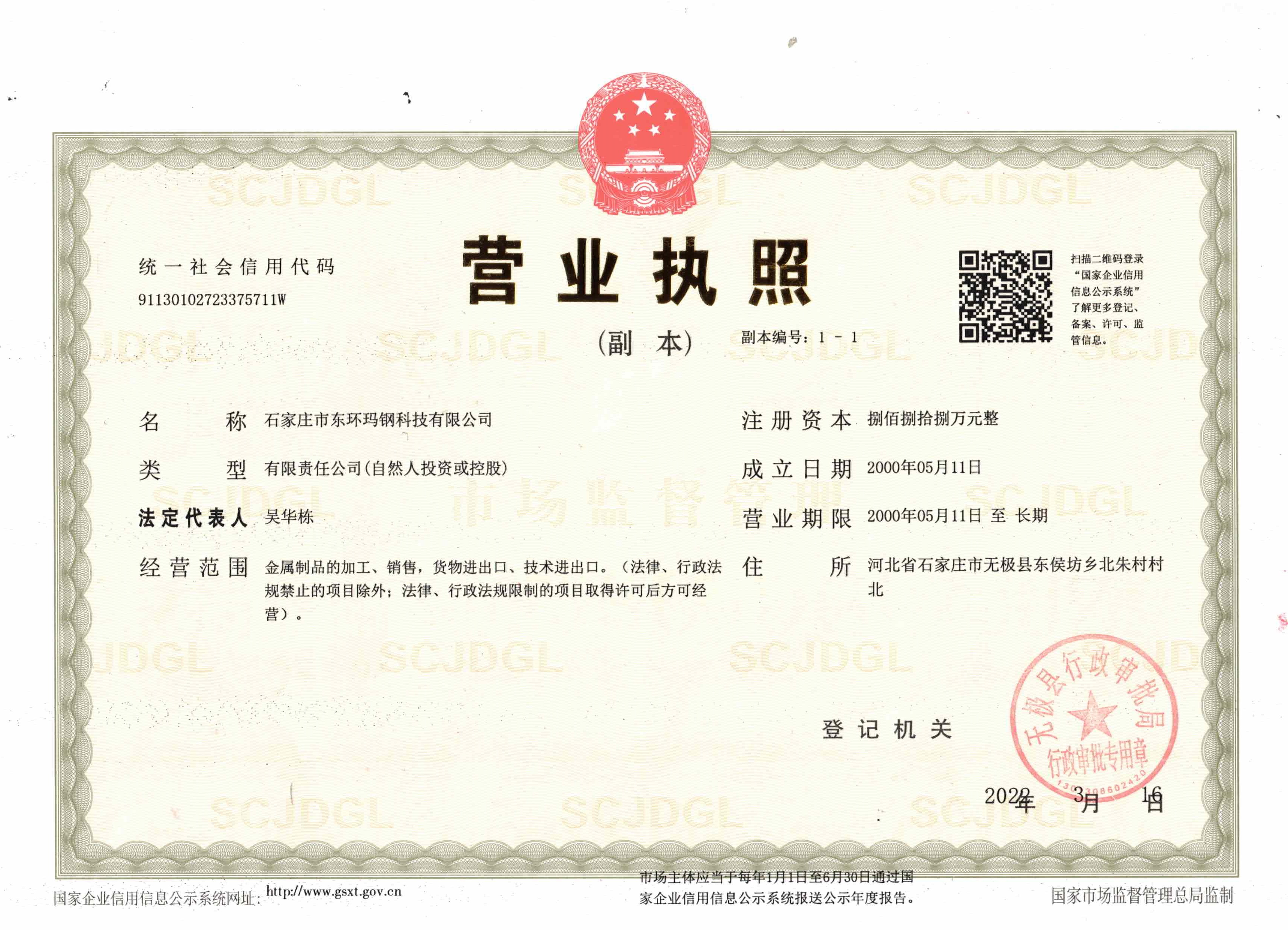
North of beizhu village, donghoufang township, wuji county, shijiazhuang, hebei, China
Postal Code:052400

Mob web

Tiktok