Shijiazhuang Donghuan malleable iron technology co.,ltd




Stainless Steel Buttweld Pipe Fittings Pros and Cons for 2026
Release time:
2026-05-07
Author:
Weigh the pros and cons of stainless steel buttweld pipe fittings for 2026, including durability, corrosion resistance, installation, and long-term value.

Looking for pipes and fittings that offer lasting performance without rust or failure? Stainless steel buttweld pipe fittings deliver exceptional strength, weathering tough environments and demanding jobs with ease. While it's important to consider cost and installation complexity, the benefits are clear. The market is responding—projected to grow from USD 1.46 billion in 2025 to USD 1.60 billion in 2026. If your goal is decades of reliable service, this guide will help you decide if stainless steel is the right fit for your project.
Pros of Stainless Steel Buttweld Pipe Fittings

Durability & Longevity
Wear Resistance
You want pipes that last through hard work. Stainless steel buttweld pipe fittings are tough. They do not wear out fast. They can handle lots of water, pressure, and movement. These fittings stay strong and keep their shape. Even with elbows or tees, they do not break. Here’s why they last longer than others:
Stainless steel fittings do not wear or rust.
They last longer than other types.
You get a strong system that does not leak.
Extended Service Life
You do not want to change pipes often. Stainless steel buttweld pipe fittings keep working for many years. Chromium in stainless steel makes a thin layer. This layer stops rust and keeps pipes safe. You do not need to fix them much. You worry less about leaks or breaks. You can use reducers and still get long life. These fittings are good for places like factories and water plants.
Stainless steel is very strong and does not rust.
Chromium makes a layer that stops rust.
Stainless steel fittings need less fixing and last longer.
Corrosion Resistance
Performance in Harsh Environments
Sometimes pipes go in wet or salty places. Stainless steel buttweld pipe fittings work well there. Chromium in the steel makes a shield. Even if scratched, the shield stays. These fittings are great for jobs in the sea, mines, or chemical plants.
Stainless steel resists rust because of chromium oxide.
It handles wet and chemical places better than others.
These fittings are used in marine, offshore, and food jobs.
Chemical Application Suitability
You may need to move chemicals or harsh liquids. Stainless steel buttweld pipe fittings are good for this. They do not need extra coatings like carbon steel. Plastic fittings can handle some chemicals. But they cannot take high heat or pressure. Stainless steel (304 or 316) resists rust much better. You can use reducers or tees and still get good results.
Stainless steel fittings resist rust by themselves.
Carbon steel needs coatings that can wear away.
Plastic fittings handle chemicals but not high heat or pressure.
High Pressure & Temperature
Reliability Under Stress
You want pipes to stay strong when things get hot or pressure goes up. Stainless steel buttweld pipe fittings keep their strength. They do not crack or break. You can use them for steam, hot water, or chemicals.
Structural Integrity
You need fittings that stay safe under stress. Stainless steel buttweld pipe fittings meet strict rules for pressure and heat. Here is what they can handle:

You can see these fittings work in many temperatures and pressures. This makes them a smart pick for many jobs.
Clean Internal Flow
Unobstructed Fluid Transport
You want your pipes to move water, chemicals, or other fluids without problems. Stainless steel buttweld pipe fittings help you do that. These fittings have a smooth, continuous inside. Fluid moves easily through the pipes. You do not see bumps or gaps that slow things down. Threaded fittings can trap dirt or cause turbulence. Stainless steel buttweld pipe fittings keep the flow clean and steady. You get less pressure drop and fewer blockages. Tee connections also stay smooth inside, so fluid moves in all directions without trouble.
Hygiene Benefits
You care about keeping things clean, especially in places like food factories, water plants, or medicine labs. Stainless steel buttweld pipe fittings help you keep high hygiene standards. The smooth inside stops germs and dirt from sticking. You do not worry about leaks or rust. Here’s how these fittings help in different jobs:
In medicine labs, these fittings keep things sanitary and lower contamination risks.
In food factories, the smooth inside stops dirt and keeps production clean.
In water plants, these fittings stay strong and resist rust, making chemical transport safe.
Low Maintenance
Reduced Leak Risk
You do not want leaks in your pipes. Stainless steel buttweld pipe fittings give you strong, welded joints. You get fewer leaks compared to threaded or flanged fittings. The welded connections do not loosen over time. Tee connections stay tight and reliable. You spend less time checking for leaks or fixing problems.
Minimal Upkeep
You want to save time and money on maintenance. Stainless steel buttweld pipe fittings need very little upkeep. Over ten years, you see that these fittings cost less to maintain than carbon steel. You do not need to replace them often. Here’s a quick look:
You pay more at first, but you save money later. Carbon steel fittings rust and need frequent replacements. You also avoid hidden costs like downtime and safety risks from leaks. Stainless steel keeps its strength and lasts longer.
Versatility & Compatibility
Range of Sizes & Shapes
You need fittings that fit many types of pipes. Stainless steel buttweld pipe fittings come in many sizes and shapes. You can find elbows, tees, reducers, and more. These fittings work for small pipes and big pipes. Here’s a quick guide:
You can match these fittings to your pipes easily. You do not worry about finding the right size or shape.
System Integration
You want your pipes to work together without problems. Stainless steel buttweld pipe fittings connect well with other parts. You can use tee connections, elbows, or reducers to build strong systems. These fittings work in many industries, from factories to water plants. You get reliable connections and easy upgrades. Stainless steel gives you the strength to handle tough jobs and keeps your system running smoothly.
Environmental Benefits
Recyclability
You care about the planet. When you choose pipes for your project, you want to know what happens when they reach the end of their life. Stainless steel buttweld pipe fittings offer a big advantage here. Most of these pipes do not end up in landfills. Instead, people recycle them. The recycling rate sits between 80% and 90%. That means almost every pipe gets a second life.
This high recycling rate helps the environment in several ways:
You reduce the need for new raw materials. Less mining means fewer scars on the earth.
You save energy. Recycling uses less power than making new pipes from scratch.
You lower greenhouse gas emissions. Factories produce less pollution when they recycle.
You conserve natural resources. The same pipes can serve new projects again and again.
If you want to build a system that lasts and does not harm the planet, stainless steel buttweld pipe fittings make sense. You get strong pipes, and you help protect nature. You can feel good about your choice, knowing your pipes will not waste away but will return to use in future projects.
Tip: When you plan your next project, ask about recycling programs for stainless steel pipes. You can make your system even greener.
Cons of Butt Weld Fittings
Higher Initial Cost
Material & Manufacturing Expense
You might notice that butt weld fittings cost more at the start. When you compare them to other options, the price stands out. Stainless steel is three to four times more expensive than carbon steel for a standard project. This price difference can make you think twice, especially if you have a tight budget.
Several factors drive up the cost of butt weld fittings:
High-grade materials like SS 304, 316, and 316L add to the price. These grades offer better strength and resist corrosion, but you pay more for them.
The manufacturing process is complex. Making butt weld fittings involves welding and forming, which takes skill and special equipment.
Engineers design these fittings to handle extreme conditions. They must pass strict quality checks, which adds to the expense.
You pay more upfront, but you get a product that lasts longer and needs less maintenance. If your pipes face harsh environments, the higher cost can make sense over time.
Installation Complexity
Welding Requirements
Installing butt weld fittings is not simple. You need to weld them to your pipes. This process takes time and skill. If you do not set the welding parameters right, you risk weak joints. Incomplete penetration can cause leaks or failures. You must follow strict steps to make sure the welds hold up.
Skilled Labor
You cannot install butt weld fittings without trained workers. Skilled welders know how to handle stainless steel and make strong joints. If you use workers without enough training, you might see misalignment or poor weld quality. These mistakes can create stress points and weaken your pipes. You also need to check for material compatibility. If you join different metals, you risk galvanic corrosion, which can shorten the life of your system.
Tip: Always hire certified welders for butt weld fittings. This helps you avoid costly repairs and keeps your pipes safe.
Availability & Lead Times
Supply Chain Issues
You may face delays when ordering butt weld fittings. Stainless steel is in high demand, and supply chain issues can slow down delivery. Sometimes, you wait weeks or months for the right size or grade. If your project needs special fittings, lead times can stretch even longer. These delays can affect your schedule and increase costs.
High demand for stainless steel can cause shortages.
Custom fittings take more time to produce.
Supply chain disruptions can push back your project timeline.
If you need your pipes installed quickly, plan ahead and check availability before you start.
Stress Corrosion Cracking
Environmental Vulnerability
You need to watch out for stress corrosion cracking when you use butt weld fittings. This problem happens when pipes face both stress and certain chemicals. You see it most in places with high chloride levels, like water treatment plants or coastal sites. Even small cracks can grow fast and cause leaks or failures.
Stress corrosion cracking affects butt weld fittings in these ways:
Cracks form where you weld pipes together. These spots face more stress.
Chlorides in water or air speed up the cracking process.
You may not see the cracks right away. They hide inside the pipes and fittings.
If you use butt weld fittings in harsh environments, you must check for signs of cracking. You can lower the risk by picking the right material grade and keeping pipes clean. Stainless steel resists many chemicals, but it still needs care in places with high chloride exposure.
Note: You should avoid using butt weld fittings in areas with strong chemicals unless you use special grades. Always ask your supplier about the best material for your project.
Maintenance Needs
Inspection & Repair
You must inspect butt weld fittings often to keep your pipes safe. Welded joints need regular checks because cracks and leaks can start without warning. You use tools like ultrasonic testing or dye penetrant to spot hidden problems.
Here’s what you need to do:
Schedule routine inspections for all butt weld fittings.
Look for signs of corrosion, cracks, or leaks in pipes.
Use non-destructive testing to find issues inside the welds.
Repair any damaged butt weld fittings right away to prevent bigger failures.
If you find a problem, you must fix it quickly. Repairs can mean grinding out the crack and rewelding the joint. Sometimes you need to replace the whole section of pipes. Keeping up with inspections helps you avoid costly downtime and keeps your system running smoothly.
Tip: Keep a log of all inspections and repairs for your butt weld fittings. This helps you track problems and plan future maintenance.
Comparison with Alternative Fittings

Stainless Steel vs. Carbon Steel
Performance & Cost
You want pipes that work well and last long. Stainless steel butt weld fittings do not rust easily. They also do not get damaged by air or water. Carbon steel butt weld fittings need special coatings to stop rust. Stainless steel costs more at first. But you save money later because you do not replace pipes often. Carbon steel is cheaper at the start and works for many jobs. If your project is in a tough place, stainless steel gives better safety.
You can read more at ASME B16.9 Standard.
Longevity
You want pipes that last many years. Stainless steel butt weld fittings do not rust and stay strong. Carbon steel butt weld fittings may need to be changed sooner. This is true in wet or chemical places. You spend less time and money fixing stainless steel pipes. If you want pipes that last, stainless steel is a good pick.
Stainless Steel vs. Plastic & Other Metals
Application Suitability
You need pipes that fit your job. Stainless steel butt weld fittings can handle high pressure and heat. Plastic fittings like PVC are light and cheap. But they break with too much heat or pressure. Brass fittings are soft and can rust in places with lots of chlorine. Stainless steel butt weld fittings work in food, water, and chemical plants. They keep things safe and work well.
Stainless steel butt weld fittings do not rust in wet or chemical places.
PVC fittings are light and cheap but break in heat or pressure.
Brass fittings are easy to put in but do not last in hard places.
You can check ASTM A403 Specification for more about stainless steel butt weld fittings.
Environmental Impact
You want pipes that are good for the earth. Stainless steel butt weld fittings can be recycled many times. This means less waste and less energy used. Plastic fittings are hard to recycle and may end up in landfills. Brass and other metals can be recycled but may not last as long as stainless steel. Stainless steel butt weld fittings are a greener choice.
Stainless steel butt weld fittings can be recycled up to 90%.
You help the planet by making less pollution and saving resources.
Plastic fittings make more trash and pollution.
Suitability for 2026 Applications
Industry Trends
Market Growth
The market for butt weld fittings will grow a lot in 2026. Oil and gas companies need better products for hard jobs. This makes the market get bigger. New ways to make fittings, like 3D printing, help people get special shapes and sizes faster. More people want to use materials that are good for the earth. Special alloys are getting more popular for tough places. Things happening around the world can change how much is made or needed, so you should plan ahead.
You can visit the World Steel Association to learn more about these trends.
Technology Advances
New technology helps make butt weld fittings better. Automation and 3D printing make them faster and more exact. You can get fittings that fit your needs well. These new ways also help make less waste and better quality. Special alloys give you more choices for hard jobs.
Regulatory & Environmental Factors
Compliance
In 2026, rules are stricter. Safety and environmental rules are harder to meet. You must use certified butt weld fittings that follow these rules. People who buy from other countries want suppliers who know and follow the rules. Products that do not follow the rules have more trouble getting sold. Old materials may not pass new checks.
For more information, check the International Organization for Standardization (ISO).
Sustainability
There is a bigger push for being green. You need to use materials that can be recycled and make less waste. Better ways to make things help you reach these goals. Picking butt weld fittings made from metals that can be recycled helps you meet green targets.
Cost-Benefit for 2026
Long-Term Value
You pay more at first for butt weld fittings, but you save money later. These fittings last longer and do not need much fixing. You do not have to replace them often, even in wet or chemical places. You also have fewer leaks and less downtime.
ROI
Butt weld fittings give you better value over time. The higher starting cost is worth it because you spend less fixing and replacing them. You also avoid safety problems and lost time from leaks. Over the years, you see real savings.
Tip: Always think about the total cost over time, not just the first price. Butt weld fittings give you good value for the future.
Stainless steel buttweld pipe fittings give you strong corrosion resistance. They last a long time and need little maintenance. You pay more at first and need skilled workers to install them. But you save money later because they last longer. In 2026, these fittings are best for tough places and jobs with high pressure.
When picking fittings, look at these things:
Material quality and design standards help fittings stay strong.
Choose suppliers with industry expertise so you avoid mistakes.
Make sure fittings have certification for compliance with world rules.
For your project, check these points:
Make sure there is material compatibility.
Pick the right fitting type for your job.
Check application requirements before buying.
Look at dimensional accuracy so everything fits well.
Check pressure and temperature ratings for safety.
Find out about the manufacturer’s reputation.
Think about what your system needs now and in the future. Stainless steel buttweld pipe fittings work well and help you follow new industry trends.
FAQ
What makes stainless steel buttweld pipe fittings different from other types?
You get stronger joints with buttweld fittings. The weld creates a smooth, leak-resistant connection. These fittings handle high pressure and temperature better than threaded or flanged options.
Can you use stainless steel buttweld fittings outdoors?
Yes, you can. Stainless steel resists rust and weather damage. These fittings work well in rain, sun, or salty air. You do not need extra coatings for most outdoor jobs.
Do you need special tools to install buttweld fittings?
You need welding equipment and safety gear. Skilled welders use these tools to join the fittings. You cannot install them with basic hand tools like wrenches.
How often should you inspect buttweld pipe fittings?
You should check welded joints at least once a year. In harsh environments, inspect more often. Use visual checks and testing tools to spot cracks or leaks early.
Are stainless steel buttweld fittings safe for drinking water?
Yes, they are. Stainless steel does not leach harmful chemicals. The smooth inside keeps water clean and safe. Many water plants use these fittings for this reason.
What sizes do stainless steel buttweld fittings come in?
You can find sizes from 1/2 inch up to 72 inches. There are many shapes, like elbows, tees, and reducers. You can match almost any pipe system.
Can you recycle stainless steel buttweld pipe fittings?
Yes, you can. Stainless steel is highly recyclable. Most old fittings get melted down and reused. This helps you cut waste and support green building goals.
Keywords:
stainless steel buttweld pipe fittings
Recommended Reading
Leave your problems to us
If you need a solution, you can write your question and contact information in the message form, we will contact you as soon as possible after receiving it.
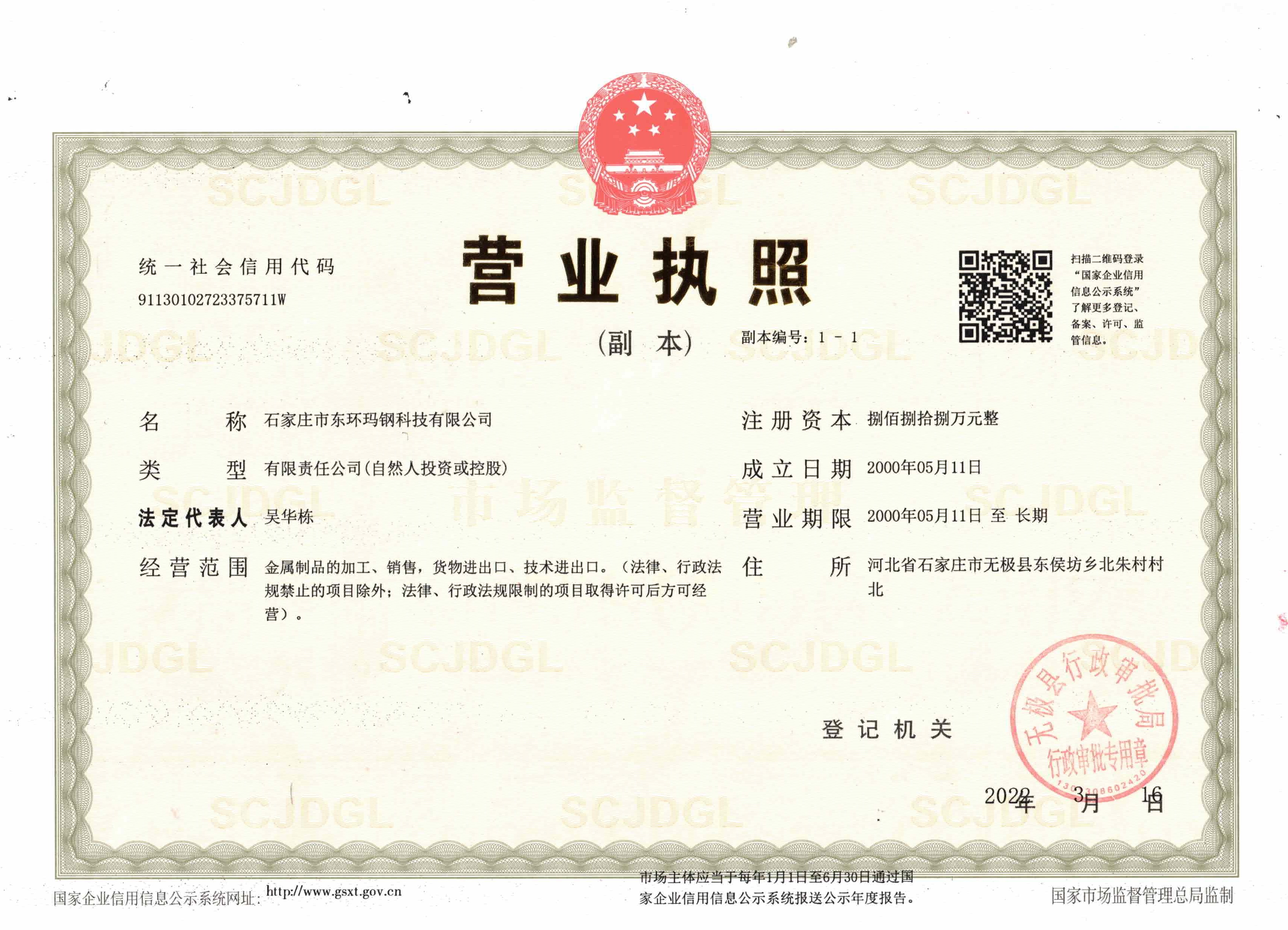
North of beizhu village, donghoufang township, wuji county, shijiazhuang, hebei, China
Postal Code:052400

Mob web

Tiktok