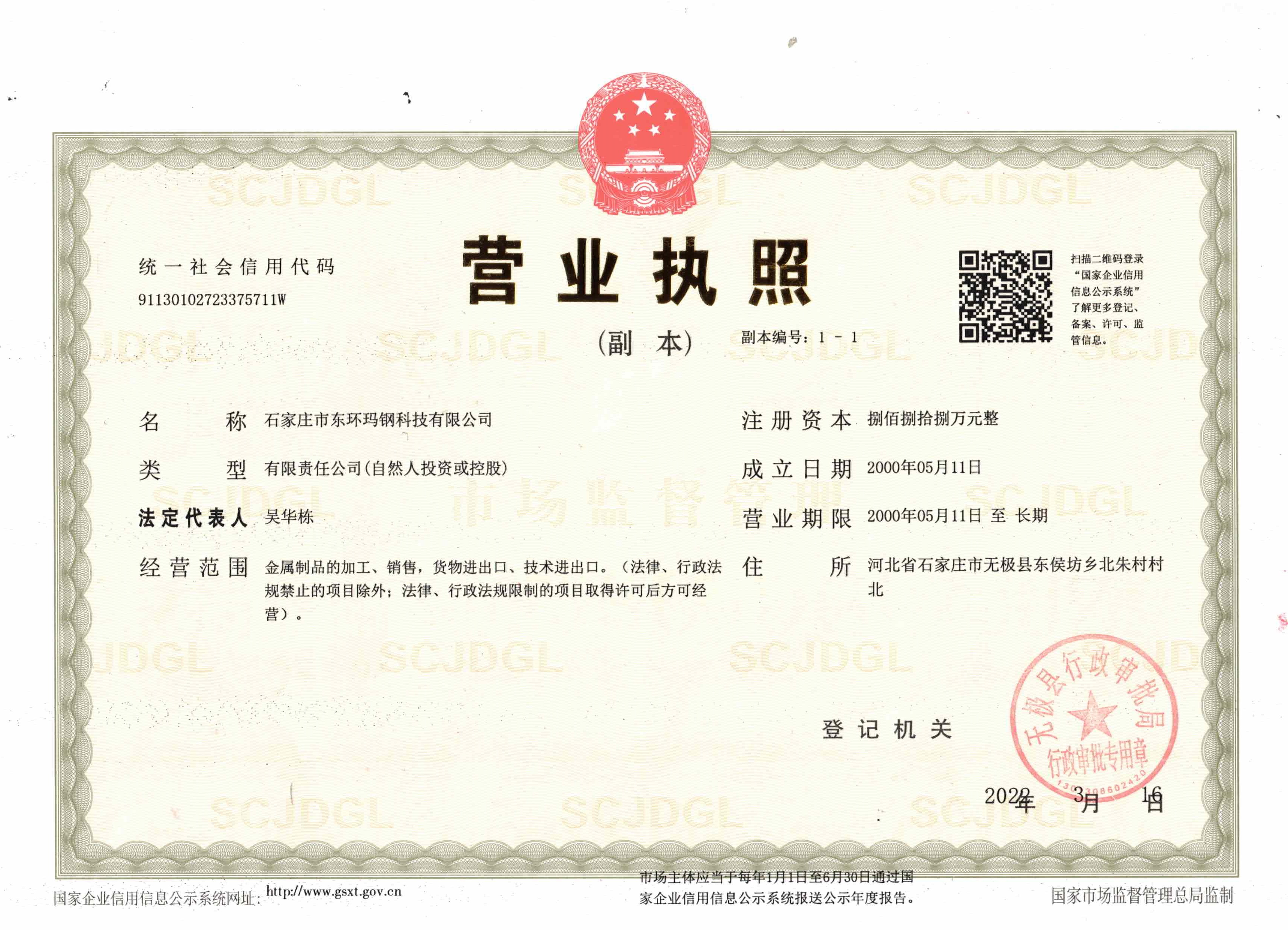
Shijiazhuang Donghuan malleable iron technology co.,ltd




Bulkhead pipe fittings stainless make plumbing easy for all
Release time:
2026-05-08
Author:
Bulkhead pipe fittings stainless provide leak-free, rust-resistant connections for tanks, walls, and harsh environments in residential and industrial plumbing.

You use bulkhead pipe fittings stainless steel to create strong, leak-free connections through walls or barriers. These fittings allow you to safely move pipes, hoses, or valves between different spaces. Bulkhead fittings are essential for both professionals and DIY enthusiasts. They enhance plumbing reliability in environments such as tanks, control panels, or marine and chemical areas. Stainless steel is particularly advantageous because it is durable and resistant to rust, making it an excellent choice for demanding applications.
Common plumbing problems that bulkhead pipe fittings stainless help you address include:
Ensuring connections do not leak in areas with high pressure or hazardous materials
Facilitating easy maintenance by allowing for straightforward disassembly
Providing protection against rust in challenging chemical or marine environments
| Benefit | Bulkhead Pipe Fittings Stainless Steel | Other Metals |
|---|---|---|
| Corrosion Resistance | Superior | Changes |
| High Tensile Strength | Yes | Changes |
| Durability | Lasts longer | Shorter life |
| Non-reactivity | Yes | No |
| Maintenance Costs | Lower | Higher |
| Aesthetic Appeal | Modern | Changes |
You should consider using bulkhead pipe fittings stainless steel for your next project if you require a solution that performs well in high-pressure environments or areas prone to rust, offers long-term value, and simplifies maintenance.
What Are Bulkhead Pipe Fittings Stainless

Bulkhead Fitting Definition
Bulkhead fittings help pipes or hoses go through walls or tanks. They make a strong connection that does not leak between two sides. Stainless steel bulkhead fittings are made from stainless steel. This metal is tough and does not rust easily. You can count on bulkhead pipe fittings stainless when you need strength and lasting performance.
Key Features and Components
Material Properties
Stainless steel does not rust, even in wet places.
It stays strong under high pressure and heat.
The fitting lasts longer and keeps plumbing safe.
Design Elements
Bulkhead fittings have several main parts:
Threaded End: This part connects tightly to pipes or hoses.
Bulkhead Nut: You tighten this nut to hold the fitting in place.
Sealing Mechanisms (like O-rings): These stop leaks by making a tight seal.
Locknut: This keeps the fitting from coming loose.
Permanent Leak-Proof Passage: The design keeps the connection sealed, even if things move or shake.
Tip: Always look for certifications or standards when picking bulkhead pipe fittings stainless. These help you get good performance.
How Bulkhead Fittings Work
To install a bulkhead fitting, put the body through a hole in a wall or tank. Then screw the locknut onto the body from the other side. Tightening the locknut pushes the gasket against the surface. This makes a seal that keeps liquids from leaking. Bulkhead pipe fittings stainless are made so liquids stay inside, even under pressure.
Bulkhead fittings connect pipes, hoses, or valves on both sides of a wall. They help keep pipes lined up and stop leaks. In many systems, bulkhead pipe fittings stainless are used as outlets for tanks or panels. They let fluids move easily and keep the connection safe.
Bulkhead fittings are important in plumbing. They make leak-free seals and help pipes stay straight. Bulkhead pipe fittings stainless keep working well, even in tough places like chemical plants or boats. These fittings help fix plumbing problems by making it easy to connect pipes through walls.
Common Uses of Bulkhead Fittings
Residential Applications
People use bulkhead fittings at home for many projects. These fittings help pipes go through walls, tanks, or barriers. You can use them for rainwater barrels and garden watering systems. They also work well in aquariums. When you set up a water tank, a bulkhead fitting makes a leak-free spot for hoses or valves. These fittings help organize plumbing in basements or garages. This makes fixing things easier and helps stop leaks.
Bulkhead fittings are good for:
Hooking pipes to water tanks or drums
Making outlets for sump pumps
Setting up home water filters
Running aquarium plumbing
Tip: Bulkhead fittings make repairs simple. You can take them out and put in new ones without messing up the whole system.
Industrial and Commercial Uses
Bulkhead fittings are important in factories and big buildings. They help control fluids in many places. You see them on pump skids and chemical tanks. They are also used in machines and control panels. These fittings keep pipes neat and safe. They work well with high pressure and heat. This is needed for many jobs in factories.
People use them for:
Draining drums in chemical plants
Keeping fluid lines neat in factories
Letting parts talk to each other in food plants
Making strong connections in farm tanks
You can learn more about piping rules at ASME B31.3 Process Piping.
Specialized Environments
Marine and Chemical Settings
Stainless steel bulkhead fittings are very important on ships and in chemical plants. These places need parts that do not rust or break from chemicals. People use these fittings on ships, at chemical stations, and with harsh liquids.
| Feature | Description |
|---|---|
| Material | 316 stainless steel that does not rust |
| Applications | Used in chemical storage, factories, farm tanks, and with harsh liquids |
| Design | Made with double sided female NPT threads |
| Size Range | Comes in sizes from 3/8" to 4" |
| Durability | Stays strong even in tough places |
Main benefits:
Does not rust easily
Handles high heat
Stays strong under pressure
Good for tough jobs like food and chemical plants
You can check ship piping rules at ABS Rules for Building and Classing Steel Vessels.
Instrumentation and Control Panels
Bulkhead fittings help keep tubing neat in control panels. They let you run lines through boxes and keep things sealed tight. This stops leaks and keeps things safe. Good organization is important for labs, refineries, and machines.
People use them for:
Running sensor lines through control boxes
Hooking up pressure gauges and flow meters
Managing air and fluid lines
Bulkhead fittings always work well. You can trust them to keep fluids in, keep things neat, and make repairs easy.
Advantages of Stainless Steel Bulkhead Fittings
Durability and Corrosion Resistance
You want plumbing that lasts a long time. Stainless steel bulkhead fittings are very reliable. They do not rust or get damaged by water or chemicals. You do not have to worry about them breaking fast. These fittings stay strong for many years. Look at the table below to see how stainless steel and brass compare:
| Property | Stainless Steel | Brass |
|---|---|---|
| Corrosion Resistance | Superior in harsh environments | Inferior, especially in saltwater |
| Durability | Long service life (over 50 years) | Shorter lifespan |
| Pressure Resistance | Up to 20,000 psi | Up to 3,000 psi |
| Maintenance | Minimal, no coatings required | Requires maintenance |
You do not need to check these fittings often. They do not need special coatings or lots of care. You can trust them to work well where other materials might fail.
Leak-Free Performance
You want plumbing that does not leak. Stainless steel bulkhead fittings stop leaks. They use strong threads, tight nuts, and good seals. This gives you a tight fit every time. These fittings keep water and chemicals inside your pipes. You do not have to worry about drips or spills. Leak-free fittings save you time and money on repairs. They also protect your tools and workspace from damage.
Tip: Always check the seals and threads when you install them. This helps you keep your plumbing leak-free for a long time.
Suitability for Harsh Environments
Some plumbing jobs are very tough. Stainless steel bulkhead fittings can handle hard jobs easily. You can use them in chemical plants, on boats, or in places with high pressure or heat. These fittings work well with strong chemicals or saltwater. Engineers pick them because they are safe and reliable. Here is why they are good for harsh places:
They do not rust from chemicals or saltwater.
They stay strong when temperatures or pressure change.
They lower the chance of leaks and keep your system safe.
They help you avoid expensive repairs and delays.
You can trust these fittings to keep your plumbing working, even in the hardest places.
Bulkhead Fitting Installation and Maintenance

Installation Steps
Tools Needed
You need a few basic tools to install a bulkhead fitting or bulkhead connector. Gather these before you start:
Hole saw or step bit (correct size for your fitting)
Drill
Deburring tool or file
Adjustable wrench
Thread seal tape
Clean cloth
Step-by-Step Process
Follow these steps to ensure a secure and leak-free installation:
Drill the hole. Use the right size hole saw or step bit for your bulkhead fitting. Drill slowly and remove any debris.
Clean and smooth the hole. Use a deburring tool or file to smooth the edges. This prevents damage to the gasket and helps the bulkhead connector seal tightly.
Insert the bulkhead fitting. Place the gasket on the fitting and push it through the hole. Make sure the gasket sits flat against the surface.
Tighten the locking nut. Hand-tighten the nut first, then use a wrench for a snug fit. Do not overtighten, as this can damage the fitting or gasket.
Attach your plumbing or piping. Use thread seal tape or a suitable adhesive on the threads of the bulkhead connector for a watertight seal.
Test for leaks. Fill the tank or system with water and check around the bulkhead fitting for any signs of leaks.
Tip: Always inspect all parts before installation. Scratched or uneven tubing can cause leaks. Use proper tools for cutting and deburring to ensure a secure seal.
You can find more technical details about installation standards at Engineering Toolbox or review plumbing codes at International Code Council.
Maintenance Tips
Cleaning and Inspection
Regular maintenance keeps your bulkhead connector and fittings working well. Here are some tips:
Inspect the bulkhead fitting and connector for wear, damage, or leaks.
Check that the bulkhead nut is tight, but avoid overtightening.
Apply a suitable lubricant to the threads to prevent seizing.
Clean the area around the fitting to remove dirt or buildup.
Troubleshooting
You may face some common issues with bulkhead fittings. Here is how to avoid or fix them:
Overtightening or under-tightening can cause leaks or damage. Always follow the manufacturer’s instructions for tightening.
Skipping inspection of parts can lead to poor seals. Check all parts before you install the bulkhead connector.
Using scratched tubing can compromise the seal. Inspect tubing and cut off any damaged sections.
Imprecise tube cutting can prevent a secure seal. Use proper tools for cutting and deburring.
Note: Avoid using excessive force when connecting or disconnecting hoses. This helps prevent damage to the bulkhead fitting and ensures a longer service life.
By following these steps and tips, you keep your bulkhead connector and fittings in top condition. Proper installation and regular checks help you avoid leaks and costly repairs.
Bulkhead Fittings vs Other Materials
Stainless Steel vs Plastic
When you pick bulkhead fittings, you often choose between stainless steel and plastic. Stainless steel is strong and stands up to chemicals. Plastic is lighter and costs less money. You should think about what your system needs before you decide.
| Material Type | Advantages | Disadvantages | Common Applications |
|---|---|---|---|
| Stainless Steel | High strength, chemical resistance | Higher cost, less lightweight | Food processing, pharmaceuticals |
| Plastic | Lightweight, cost-effective | Limited pressure and temperature | Packaging, non-corrosive systems |
Stainless steel bulkhead fittings are best for high pressure or harsh chemicals. Plastic bulkhead fittings are good for low pressure and when weight matters. Stainless steel lasts longer, but it costs more at first.
Tip: Pick stainless steel bulkhead fittings if you need them to last and stay safe. Use plastic bulkhead fittings for easy jobs with low pressure.
Stainless Steel vs Brass
You see both brass and stainless steel bulkhead fittings in plumbing. Stainless steel is stronger and does not rust or get damaged by chemicals. Brass fittings are cheaper and simple to put in, but they do not last as long in tough places.
Stainless steel bulkhead fittings work well for hard jobs and do not rust. Brass bulkhead fittings are fine for normal jobs but can get weak from water. You need special tools for stainless steel, but brass is easy to install with basic tools.
| Attribute | Stainless Steel | Brass |
|---|---|---|
| Corrosion Resistance | Superior due to chromium content | Moderate, may not withstand moisture well |
| Cost | Higher initial cost | More affordable |
| Durability | High, ideal for harsh environments | Moderate, limited in high-pressure applications |
| Ease of Installation | Requires specialized tools | Easier to install |
| Fitting Type | Brass Price Range | Stainless Steel Price Range |
|---|---|---|
| 1/2" NPT Elbow | $2.50–$5.00 | $6.00–$12.00 |
| 1" Coupling | $4.00–$8.00 | $10.00–$20.00 |
| 2" Tee | $10.00–$18.00 | $25.00–$50.00 |
Stainless steel bulkhead fittings cost more, but they work better in tough places. Brass bulkhead fittings save money, but you might have to replace them sooner.
Bulkhead Fittings vs Standard Pipe Fittings
Bulkhead fittings help you make leak-free holes through walls, tanks, or panels. Standard pipe fittings just connect pipes in open spots. Bulkhead fittings seal tight and keep liquids inside. Standard fittings do not work well for walls or tanks.
Bulkhead fittings stop leaks and hold pipes steady through barriers. Standard pipe fittings do not seal walls or tanks. You use bulkhead fittings for tanks, drums, and control panels. Standard fittings are for open pipes and easy connections.
Note: Bulkhead fittings give you better safety and keep plumbing neat in hard jobs. You make your system safer and stronger with bulkhead fittings in tough places.
Why Bulkhead Pipe Fittings Stainless Make Plumbing Easy
User-Friendly Design
You want plumbing parts that are easy to use. Bulkhead pipe fittings stainless help make your job simple. You can install them with basic tools. The design lets you connect pipes through walls or tanks. You do not need special training to use them. The seal stays tight, even if things move or shake.
You can use bulkhead fittings in homes, factories, or on boats.
The locknut and gasket help keep pipes lined up and secure.
You can take out and put in these fittings without cutting pipes.
The smooth stainless steel surface is easy to clean. You do not need strong chemicals to keep them nice.
Tip: Bulkhead fittings work well in tough places, like marine tanks or chemical plants, where leaks must not happen.
Versatility and Cost-Effectiveness
You want plumbing that saves money and works in many places. Bulkhead pipe fittings stainless do both. You can use them for water, chemicals, or fuel lines. The same fitting works in a rain barrel or a big tank on a ship.
Stainless steel fittings cost more at first, but you save money later. They last longer and need less care than other materials.
You do not have to replace these fittings often. This means fewer repairs and less time fixing your system.
In marine and chemical places, stainless steel does not rust or break. You do not need to worry about the fitting failing in hard conditions.
Here is a table that shows how stainless steel compares to other materials:
| Material | Initial Cost | Lifespan | Maintenance Needs | Long-term Cost Effectiveness |
|---|---|---|---|---|
| Stainless Steel | Higher | Longer | Lower | More cost-effective |
| Galvanized Steel | Lower | Shorter | Higher | Less cost-effective |
| Copper | Varies | Moderate | Moderate | Varies |
| PVC | Lower | Shorter | Higher | Less cost-effective |
Stainless steel bulkhead fittings give you value for many years. You do not need to worry about rust, even on boats. The chromium in stainless steel makes a layer that protects the fitting. This keeps it strong and safe for a long time.
You can use one bulkhead fitting for many jobs. This makes planning and repairs easier.
You avoid extra costs from leaks, rust, or replacing parts often.
Note: You get the best results when you pick bulkhead pipe fittings stainless for jobs that need strength, safety, and long life.
You get lots of benefits when you use stainless steel bulkhead pipe fittings for plumbing jobs. They do not rust, so your pipes stay safe in wet or chemical places. They are very strong and can handle high pressure. These fittings also work well in hot or cold weather. Anyone can use these fittings to make plumbing easier. You will not spend much time fixing leaks. The fittings work well and last a long time. If your project is hard, ask a plumber for help. New plumbing parts like these fittings help you make strong and leak-free systems.
FAQ
What is a bulkhead pipe fitting?
A bulkhead pipe fitting lets you pass a pipe or hose through a wall or tank. You get a strong, leak-free seal. You use it to connect plumbing on both sides of a barrier.
Why choose stainless steel for bulkhead fittings?
You pick stainless steel because it resists rust and corrosion. It lasts longer than plastic or brass. You can use it in harsh places like chemical plants or marine settings.
Can you install bulkhead fittings yourself?
Yes, you can install them with basic tools. You drill a hole, insert the fitting, and tighten the nut. Always check the seal to prevent leaks.
Where do you use bulkhead fittings most often?
You find them in tanks, drums, control panels, and marine equipment. They work well for water, chemicals, and fuel lines.
How do you prevent leaks with bulkhead fittings?
Use the correct size fitting.
Tighten the nut firmly, but not too much.
Check the gasket for damage.
Test with water before full use.
Do stainless steel bulkhead fittings need special care?
You do not need much maintenance. Inspect for leaks or wear. Clean the surface if you see buildup. Lubricate threads if needed.
Are stainless steel bulkhead fittings safe for drinking water?
Yes, most stainless steel fittings are safe for potable water. Always check for certifications like NSF or local plumbing codes.
What sizes do bulkhead fittings come in?
You can find sizes from 3/8 inch up to 4 inches. Pick the size that matches your pipe or hose for a secure fit.
Keywords:
Bulkhead pipe fittings
Recommended Reading
Leave your problems to us
If you need a solution, you can write your question and contact information in the message form, we will contact you as soon as possible after receiving it.
North of beizhu village, donghoufang township, wuji county, shijiazhuang, hebei, China
Postal Code:052400

Mob web

Tiktok