Shijiazhuang Donghuan malleable iron technology co.,ltd




What Makes Stainless Steel Butt Weld Pipe Fittings Ideal for Industrial Applications
Release time:
2026-05-07
Author:
Stainless steel butt weld pipe fittings offer strong, leak-proof, and corrosion-resistant connections, making them ideal for demanding industrial applications.

You pick stainless steel butt weld pipe fittings for factories because they work very well in tough places. These fittings give you many important benefits:
Corrosion resistance keeps pipes safe in chemical and sea jobs.
Durability makes sure pipes work well with high pressure and heat.
Leak-proof connections stop dangerous spills and keep the system safe.
Their clean features make them good for food, drinks, and medicine.
Stainless steel butt weld pipe fittings help build strong and lasting pipe systems.
What Are Stainless Steel Butt Weld Pipe Fittings

Definition and Function
Stainless steel buttweld fittings join pipes, valves, and equipment. They help move oil, gas, steam, and chemicals safely. These fittings come in many sizes, from 1/2 inch to 72 inches. The most common types are tees, caps, elbows, reducers, and outlets. You pick stainless steel buttweld fittings for strong and rust-resistant connections. ANSI/ASME B 16.9 is the standard for these fittings.
How Butt Weld Fittings Work
Buttwelding fittings connect pipes by welding their ends together. This makes a strong and lasting joint. You use them in high-pressure systems because they handle stress and heat. The smooth joining lowers the chance of leaks. These connections stay strong and last a long time.
Buttwelding fittings make strong, lasting joints by welding pipes.
You use them for high-pressure jobs because they are tough.
Smooth joining with buttweld fittings helps stop leaks.
Key Features
Stainless steel buttweld fittings have special benefits over other fittings. Welded connections give smooth flow and strong joints. Stainless steel buttweld fittings do not rust easily. You do not need to fix them often because they rarely leak or break. They may cost more at first, but you save money later with fewer repairs. Stainless steel buttweld fittings are best for high-pressure and hot systems.
You use buttwelding fittings when you want safe, strong, and long-lasting pipes.
Properties of Stainless Steel Butt Weld Fittings
Corrosion Resistance
Strong corrosion resistance is important for buttweld fittings in factories. Stainless steel buttweld fittings do not rust easily. They work well in places like chemical plants and near the ocean. Chromium in stainless steel makes a shield that stops rust and damage from chemicals. This shield helps the fittings last longer and keeps your pipes safe.
You can pick different grades for better protection. Grades like 316, 316L, and 2205 are good for tough jobs. Grade 316 fights off pitting and chloride damage, so it is great for sea and chemical use. Grade 316L has less carbon, which helps stop rust after welding. Grade 2205 is strong and also resists rust very well.
Tip: For more about corrosion resistance, check NACE International or ASME.
Strength and Durability
Buttweld fittings are strong and last a long time. Stainless steel buttweld fittings can handle high heat and pressure. They do not bend or break easily. This keeps your pipes safe, even if things change fast.
Stainless steel buttweld fittings are better than many carbon steel ones. They stretch more before breaking, so they do not snap suddenly. This helps stop accidents. You can use these fittings for hot and high-pressure jobs, and they will last.
Leak-Proof Performance
You want your pipes to not leak. Buttweld fittings make tight joints that do not let liquid out. Welding joins the pipe and fitting together, so there are no gaps for leaks. This is why buttweld fittings are best for important systems.
Strong and tough fittings keep the joint safe under pressure and heat.
Forging makes the fitting even stronger and less likely to leak.
Rust resistance helps the fitting stay leak-proof, even in hard places.
You can trust buttweld fittings to keep your pipes safe and working well. They help you avoid problems and repairs from leaks.
Cleanability and Hygiene
You need clean piping systems in places like food, drink, and medicine factories. Stainless steel butt weld fittings help keep your pipes clean and safe. The inside of these fittings is smooth and has no cracks. This stops bacteria and leftover stuff from sticking. You can wash these surfaces easily with normal cleaning ways like CIP (Clean-In-Place).
Key benefits for hygiene:
No threads or gaps so germs cannot hide.
Polished surfaces make contamination less likely.
Easy to sterilize using steam or chemicals.
Industry standards make sure your fittings follow strict hygiene rules. These certifications prove the fittings are safe for food, medicine, and other sensitive things.
Tip: Pick fittings with these certifications for the cleanest system.
You can trust stainless steel butt weld fittings to help with strict hygiene. These fittings help you follow industry rules and keep your products safe.
Types of Butt Weld Fittings
Elbows and Tees
Elbows and tees are used in most piping systems. These fittings help control where fluids go.
Elbows turn the flow in new directions. They come in angles like 45°, 90°, and 180°. This helps pipes fit in tight spots or go around things.
Tees make branch connections. They look like a "T." Tees split the flow or add new pipes to your system.
Elbows let you change the flow direction. Tees help you connect more pipes or equipment. You see elbows and tees in oil, gas, water, and chemical plants.
Elbows change the direction of fluid flow in pipes. Tees make branches so you can add devices to the pipeline.
A butt weld elbow turns the fluid flow. A butt weld tee has a branch at 90 degrees. It connects to a straight pipe for extra connections.
Reducers and Caps
Reducers and caps help you control your piping system. These fittings connect pipes of different sizes and close pipe ends.
Reducers join pipes with different diameters. Concentric reducers keep pipes straight. Eccentric reducers line up pipes on one side. This stops air pockets and keeps the system balanced.
Caps close the end of a pipe. You use caps for temporary or permanent closures. They keep dirt out and protect pipes when not in use.
Reducers and caps are used in many industries:
Oil and gas: Keep pressure steady and move fluids safely.
Chemical processing: Control flow and temperature.
Water treatment: Change pipe sizes for smooth water movement.
Pharmaceuticals: Keep things clean and pure.
Food and beverage: Make cleaning easy and keep pipes clean.
An eccentric stainless steel reducer connects two pipe sizes. It keeps pipes lined up on one side for many uses.
Crosses and Stub Ends
Crosses and stub ends are special fittings for complex systems.
Crosses have four openings. They connect pipes in four directions. Crosses help build networks where pipes meet.
Stub ends work with lap joint flanges. You use stub ends to take apart pipes for cleaning or fixing. They make maintenance quick and easy.
You pick these fittings when your system needs to change often. They help build safe and easy-to-fix piping networks.
Specialty Buttweld Fittings
Specialty buttweld fittings help with special piping problems. You use these fittings when regular elbows, tees, or reducers do not work. Some examples are laterals, custom bends, swage nipples, and special branch connections.
Key types of specialty buttweld fittings:
Laterals: Make angled branches for smoother flow in pipes.
Swage nipples: Join pipes with different sizes in small spaces.
Custom bends: Let you make pipes turn at odd angles.
Special branch outlets: Add new connections for tools or drains.
Segmented fittings: Made from pieces to fit tricky layouts.
You pick specialty fittings for hard jobs. These fittings work with high pressure, very hot or cold places, and strong chemicals. You see them in jobs where safety and strength are very important.
Tip: Specialty buttweld fittings fix layout problems and follow tough rules.
Industry Applications and Examples
Why use specialty buttweld fittings?
You line up pipes just right for hard layouts.
You lower the chance of leaks in important places.
You make flow better with special shapes.
You follow safety and cleanliness rules.
Specialty buttweld fittings help you build strong and safe systems. You can count on these fittings to keep your work going well.
Advantages of Stainless Steel Buttweld Fittings
Seamless Flow and Efficiency
You want your pipes to move liquids easily. Stainless steel buttweld fittings help with this. They make a smooth path for liquids to travel. The inside of these fittings is very smooth. This means there is less rubbing and less swirling. The flow stays steady and does not lose much pressure. Buttweld fittings do not have sharp turns. They use gentle bends and changes. This helps keep your system strong.
In places like chemical plants and oil pipes, you need to save energy. You also want your system to work well. Buttweld fittings help by lowering swirling and rubbing. This gives you better flow. Your pumps and machines do not have to work as hard. You use less energy and your equipment lasts longer. The main benefits are:
Smooth insides for easy flow
Gentle bends that stop pressure loss
Less chance of rust and damage from swirling
Better system performance
You can trust these fittings to keep your system working well.
Long-Term Reliability
You need fittings that last in hard places. Stainless steel buttweld fittings are strong for a long time. They do not get weak from acids, bases, or hot steam. These fittings keep their shape and strength in tough spots. You see these benefits in waste plants, oil factories, and power plants.
You can use buttweld fittings with harsh chemicals.
They work well in places where other fittings break.
You do not need to fix them often because they last.
Buttweld fittings follow strict rules like ASME B16.9. This means they fit well and weld well. Your pipes stay safe even with high heat and pressure. You can trust these fittings to be safe and strong.
Cost-Effectiveness
You want to save money over time. Stainless steel buttweld fittings help you do this. Good fittings last longer and need less fixing. You do not spend much on repairs or new parts. You also save money when you put them in and do not need to stop work often.
These fittings may cost more at first, but you save later.
They last longer and do not rust easily, so you pay less.
Fittings that follow ASME B16.9 last longer and have fewer problems.
You get the best deal when you pick buttweld fittings for your factory. You save money and get good results for many years.
Safety and Compliance
You need your piping system to be safe and follow strict rules. Stainless steel buttweld fittings help you meet these needs. They follow important safety standards that protect your workers and your equipment.
These standards lower the risk of leaks and failures. You can trust your system to handle hazardous fluids without problems.
Safety: Standards help stop leaks and accidents. You keep your workplace safer.
Regulatory Compliance: You meet rules from groups like ASME, OSHA, and API. This helps you avoid fines and shutdowns.
ASTM standards, such as ASTM A403, give you clear rules for making stainless steel fittings. These rules make sure your fittings have the right strength, resist rust, and weld well. You get fittings that work in tough jobs and last a long time.
You should always use fittings that meet these standards. This keeps your system safe and legal. You protect your workers and your business.
Industrial Applications of Buttwelding Fittings

Oil and Gas Pipelines
Buttwelding fittings are used in oil and gas pipelines. These fittings work well with high pressure and heat. They help keep connections safe and stop leaks. You use them both on land and at sea. Here’s why you pick them for oil and gas:
They handle tough jobs like high pressure and vibration.
They resist rust from chemicals, saltwater, and sour gas.
They make tight joints that stop spills and protect nature.
They meet safety and quality rules from around the world.
They cost less to fix because they last a long time.
You use buttwelding fittings for exploring, drilling, and moving gas. They work in pipelines, refineries, and plants. Their many uses make them a top choice for industries. For more about pipeline safety, see API Standards.
Chemical Processing
Buttwelding fittings are important in chemical plants. You need strong joints for dangerous chemicals and high heat. These fittings give you:
They fit well and make stable connections.
They are made to resist stress and outside forces.
They help build strong and efficient pipe systems.
You find buttwelding fittings in reactors, tanks, and transfer lines. They are chosen in many industries because they keep plants safe and working well. For more about chemical plant safety, check OSHA Chemical Hazards.
Power Generation
You use buttwelding fittings in power plants. These fittings handle high heat and pressure in boilers and steam lines. Their strength keeps your equipment running without problems. You get:
Good performance in places with high heat and pressure.
Tight seals that stop leaks and save energy.
Long life, so you do not replace them often.
Buttwelding fittings help make energy safely and efficiently. They are needed in industries where safety and reliability are important. You make sure your power systems work without stopping.
Buttwelding fittings are a base for industries that need strength, safety, and lasting value.
Water and Irrigation Systems
You use stainless steel butt weld fittings for water systems. These fittings help make strong, leak-proof pipe connections. They can handle high pressure and changing temperatures. You see them in city water, farm irrigation, and water treatment plants. The inside of butt weld fittings is smooth. This keeps water moving and stops clogs.
You put these fittings in water plants to stop leaks and keep water clean.
You use them in irrigation to handle pressure and fight rust from chemicals.
You pick stainless steel because it lasts outside in sun, rain, and dirt.
Stainless steel butt weld fittings do not rust or get damaged by chemicals. This makes them great for cleaning water. You do not have to fix them often because they last longer than other types. Welded joints stay tight, so you do not need much maintenance.
Tip: Pick butt weld fittings for water pipes if you want strong and easy-to-care-for systems.
Food and Beverage Industry
You need clean and safe pipes in food and drink factories. Stainless steel butt weld fittings help you reach these goals. You choose special stainless steel, like 304 or 316L, because it does not rust and is easy to clean. The shiny, smooth inside stops germs from growing and makes washing simple.
You use fittings with no cracks or threads, so dirt cannot hide.
You make sure they work with Clean-In-Place (CIP) systems for fast cleaning.
You follow rules like 3-A, FDA, NSF, and USDA to keep food safe.
Smooth, shiny surfaces stop germs from growing.
Rust-proof materials last a long time.
CIP systems make cleaning quick and easy.
No places for dirt or germs to hide.
Following rules keeps food and drinks safe.
You trust stainless steel butt weld fittings to keep food and drink pipes clean and safe. You lower risks and make sure your products are always good quality.
Selection and Installation of Buttweld Fittings
Material Grades
You must pick the right material grade for your butt weld fittings. The right grade helps stop leaks, rust, and early breaks. When you choose buttwelding fittings, think about these things: First, match the fitting to your pipe’s schedule and wall thickness. This gives you a strong weld. Next, check if the fitting can handle your system’s pressure and heat. Use the same material grade for both pipes and fittings. This helps stop rust. Make sure the fittings follow rules like ASME B16.9. Pick the right end type for your welding or how you will put it in. If you choose the right grade, your buttwelding fittings will last longer and work safely.
Sizing and Compatibility
Getting the size and fit right keeps your buttwelding fittings working well. If you pick the wrong size, you can have problems when you put them in or use them. The table below shows what can happen if the size is wrong:
Always check the pipe size, wall thickness, and fitting size before you start. This helps you avoid mistakes and keeps your buttwelding fittings strong.
Welding and Installation Tips
You need good ways to put in buttwelding fittings to keep your system safe. Here are some tips: Plan your layout for good flow, pressure, and easy fixing. Match the fitting grade to what flows inside for less rust. Use gas tungsten arc welding (GTAW) for neat, strong welds. Clean and treat welds after to stop rust. Test the joints with water and leak tests to make sure they are strong. Check your fittings often to find rust or damage early. Always use the right ways to put in buttwelding fittings. This stops leaks and helps your fittings last longer. Good checks and care help you find problems early and save money on repairs.
Tip: Careful installation and regular checks of buttwelding fittings keep your piping system safe and working well.
Maintenance Best Practices
You keep buttwelding fittings working well by having a good plan. These fittings last longer if you check them often and clean them the right way. Always look at where the fittings are installed. Wet air, chemicals, and temperature changes can change how well they work.
Look at buttwelding fittings for leaks, rust, or damage during checks.
Clean the outside of buttwelding fittings with safe cleaners to get rid of dirt and chemicals.
Use soft tools so you do not scratch the smooth surface. This helps stop rust.
Check the welds for cracks or color changes, especially where it is hot or under pressure.
Write down all checks and repairs in a log for each system.
Always read the technical sheets from the maker before using new cleaners or repair ways. These papers tell you if the cleaner or repair is safe to use. If you see any damage, change the buttwelding fittings right away so the system does not break.
Look around the buttwelding fittings for water or chemical spills that can cause rust.
Make sure all the connections are tight and do not shake.
Test the system after fixing it to make sure there are no leaks.
You can trust buttwelding fittings in important places like oil refineries, chemical plants, and power stations. Their smooth design helps them last in hard places. They do not have gaskets or seals that wear out, so you do not fix them as much.
Plan regular checks based on how much the system is used and what flows inside.
Use special coatings if buttwelding fittings touch strong chemicals or saltwater.
Teach your team to find early signs of problems in buttwelding fittings.
You get the best results when you follow these steps. Taking care of buttwelding fittings helps them stay strong and work well, even when things get very hot or cold. This lowers the chance of leaks and keeps your system safe.
You pick buttwelding fittings for big jobs because they make pipes strong and safe. These fittings help pipes work in many places like oil, gas, chemicals, power plants, water treatment, and food factories. You get important benefits:
They are strong and last a long time.
They stop leaks so work stays safe.
They fight rust and handle hot jobs.
They are easy to clean for places that need to be very clean.
They help you save money over time.
You should use buttwelding fittings when you want pipes to work well. For your next job, look at what your system needs and pick buttwelding fittings that fit your project.
FAQ
What is the main benefit of using stainless steel butt weld fittings?
Corrosion resistance is the biggest benefit. These fittings make strong joints. They last in tough places. You do not get leaks often. You spend less time fixing them.
Can you use these fittings for high-pressure systems?
Yes. You can use stainless steel butt weld fittings for high-pressure jobs. Welded joints stay strong under stress. They handle heat without breaking.
How do you choose the right fitting size?
Measure your pipe’s outer diameter and wall thickness. Match these numbers to the fitting’s details. Always check if the fitting fits before you install it.
Are these fittings suitable for food and beverage applications?
Yes. You can use them in food and beverage factories. The smooth surfaces help keep pipes clean. No cracks means germs cannot hide. You meet safety rules easily.
What welding method works best for installation?
Gas Tungsten Arc Welding (GTAW) is the best way to weld. It makes clean and strong welds. You get better corrosion resistance. There are fewer mistakes with this method.
How often should you inspect butt weld fittings?
Check fittings regularly. Look for leaks, rust, or cracks during maintenance. Finding problems early stops bigger issues.
Do these fittings require special cleaning?
Use mild cleaners and soft tools. Do not use harsh chemicals or rough pads. This keeps the surface smooth and stops rust.
Keywords:
Stainless steel butt weld pipe fittings
Recommended Reading
Leave your problems to us
If you need a solution, you can write your question and contact information in the message form, we will contact you as soon as possible after receiving it.
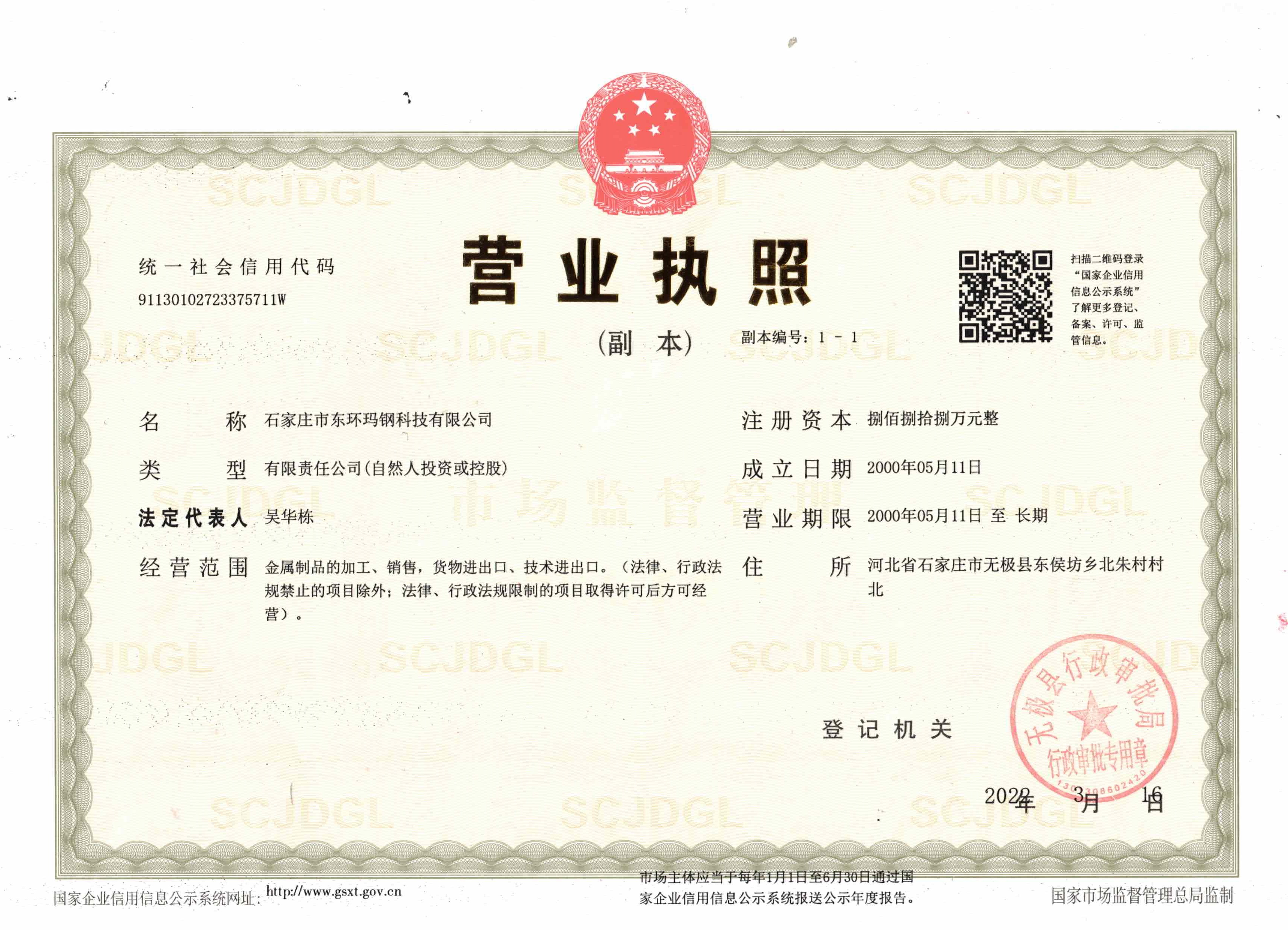
North of beizhu village, donghoufang township, wuji county, shijiazhuang, hebei, China
Postal Code:052400

Mob web

Tiktok