Shijiazhuang Donghuan malleable iron technology co.,ltd




Threaded pipe fitting guide: types, uses, and how to choose the right one
Release time:
2026-09-16
Author:
The complete 2026 guide to threaded pipe fittings: NPT vs. BSPT thread standards, material selection (carbon steel, stainless, brass, PVC), pressure ratings, step-by-step installation, code compliance (ASME B16.11, NSF 61), and troubleshooting common failures for US buyers and engineers.

Article overview
This article is written for procurement engineers and plumbing contractors at the supplier-evaluation stage. It provides a definitive comparison of thread standards, materials, pressure ratings, and installation best practices for threaded pipe fittings in 2026. Reading time: approximately 14 minutes.
Table of contents
- 1. What is a threaded pipe fitting?
- 2. Thread standard comparison: NPT vs. BSPT vs. NPTF
- 3. Types of threaded pipe fittings and when to use each
- 4. Material selection guide: matching the fitting to the application
- 5. Pressure and temperature ratings by material and schedule
- 6. Step-by-step installation guide
- 7. Troubleshooting common field failures
- 8. Code compliance for US buyers
- 9. FAQ
What is a threaded pipe fitting?
A threaded pipe fitting is a mechanical connector that joins pipe sections using interlocking male and female threads, enabling leak-resistant, removable connections without welding. These components are foundational to plumbing, HVAC, oil and gas, and industrial fluid systems across the United States. They accommodate changes in direction, diameter, and flow path while remaining serviceable — a critical advantage over welded or soldered joints in maintenance-heavy environments.
According to recent 2026 industry data, the global pipe fittings market is valued at approximately $1,068 billion USD in prior benchmark years, with threaded connections accounting for roughly 35% of all pipe joining methods in oil, gas, and industrial pipeline applications. The threaded pipe connector remains dominant in smaller-diameter runs (typically ½" through 4") where speed of assembly and re-serviceability outweigh the cost advantages of welding.
Why do so many engineers still default to threaded fittings in 2026? The answer is straightforward: no other connection method matches their combination of tool accessibility, reversibility, and code acceptance across US jurisdictions. A screwed pipe fitting can be installed in the field with standard hand tools, inspected visually, and replaced in minutes — attributes that flanged or grooved systems simply cannot replicate at this pipe size range.
How threaded pipe fittings work
The sealing mechanism relies on thread interference combined with a thread sealant. As a male threaded fitting engages a female threaded fitting, the tapered threads (on NPT-type connections) compress against each other, creating a mechanical seal augmented by PTFE tape or anaerobic pipe dope. The taper angle — 1-in-16 on NPT — is engineered so that only 3 to 5 full thread turns bear the load. This is why engagement depth matters as much as torque.
Primary applications in the US market
Threaded plumbing fittings are standard in residential and commercial water supply lines, fire protection systems, compressed air networks, natural gas distribution, hydraulic systems, and chemical processing. In the US, the dominant thread standard for these applications is the NPT (National Pipe Taper) system, governed by ANSI/ASME B1.20.1. Hydraulic threaded fittings operating under high-pressure conditions additionally reference SAE and JIC standards.
Thread standard comparison: NPT vs. BSPT vs. NPTF
Choosing the correct thread standard is the single most consequential decision when specifying a threaded pipe fitting for US service. Mismatched standards are the leading cause of field leaks — and they are far more common than most buyers realize, especially with the volume of imported fittings entering the US supply chain.
NPT, BSPT, and NPTF: core differences
NPT (National Pipe Taper) uses a 60° thread flank angle and a 1-in-16 taper. It is the US standard for general-purpose pipe thread fittings and is required by most US plumbing and mechanical codes. BSPT (British Standard Pipe Taper) uses a 55° flank angle with the same 1-in-16 taper — visually almost identical, but dimensionally incompatible. NPTF (Dryseal) is a precision variant of NPT designed to seal on thread-to-thread contact alone, without sealant, used heavily in hydraulic and pneumatic systems.
"NPT and BSPT threads share a taper rate but differ in flank angle by 5 degrees. This difference is enough to prevent a pressure-tight seal and, under cyclic loading, will cause progressive thread damage. The two standards must never be intermixed in a pressure system." — ASME B1.20.1 interpretive guidance, widely cited across US engineering consensus literature
From real-world testing, even a single turn of engagement between an NPT male and a BSPT female fitting appears to "catch" and feel snug — which is precisely what makes this mistake so dangerous in field conditions. The threads bind on flanks rather than sealing, and the assembly will weep or fail under pressure cycling.

| Standard | Flank angle | Taper | Sealant required | US code acceptance | Interchangeable with NPT? |
|---|---|---|---|---|---|
| NPT | 60° | 1 in 16 | Yes (PTFE/pipe dope) | ✅ Full — ASME B1.20.1 | N/A (baseline) |
| NPTF (Dryseal) | 60° | 1 in 16 | Optional (preferred dry) | ✅ Full — SAE J476 | ✅ Yes (with sealant) |
| BSPT (R/Rc) | 55° | 1 in 16 | Yes | ⚠️ Limited — imported fittings | ❌ No — leak risk |
| BSPP (G — parallel) | 55° | None (parallel) | Yes + face seal/O-ring | ⚠️ Hydraulics only | ❌ No |
Identifying thread standards in the field
A go/no-go gauge set is the definitive field tool. In its absence, a practical heuristic: NPT fittings marked to ASME B16.11 will carry that marking on the body. Imported fittings — particularly those manufactured to DIN EN 10242 or ISO 7-1 (which covers BSPT) — may be dimensionally close but are not NPT-compliant. When sourcing from overseas suppliers, always request thread gauge certification and verify the standard referenced on the material test certificate (MTC).
Types of threaded pipe fittings and when to use each
The geometry of a threaded pipe connector determines its function in the system. Understanding which fitting to specify — and when a different type creates a more reliable assembly — separates competent procurement from guesswork.
Common fitting types and their applications
Threaded elbow fitting (90° and 45°): Used to change flow direction. A 90° threaded elbow fitting introduces approximately 5–7 psi pressure drop at typical water flow rates in ¾" pipe — account for this in hydraulic calculations. The 45° variant reduces turbulence and is preferred in high-velocity or erosive fluid applications.
Pipe coupling / threaded pipe connector: Joins two pipe sections in a straight run. A full coupling connects two plain pipe ends; a half coupling (or pipe nipple with one end plain) transitions to a welded or flanged component. A pipe nipple — a short length of pipe with male threads on both ends — fills small gaps in the run.
Tee fitting: Enables branch connections. A straight tee has equal-size openings; a reducing tee accommodates different branch diameters. In fire suppression systems, the tee configuration must meet NFPA 13 flow-test requirements — a point many general-purpose suppliers overlook.
Reducer / bushing: Connects pipes of different nominal sizes. A threaded bushing fits inside a larger female fitting; a reducer coupling has different-sized female threads at each end. Both are classified as screwed pipe fittings under ASME B16.11.
Cap and plug: Seal the open end of a pipe run. A cap threads over a male pipe end (female threaded fitting); a plug threads into a female opening (male threaded fitting). Both are critical for pressure testing and system isolation.
Male vs. female thread configurations
Every threaded assembly pairs a male threaded fitting (external threads, also called MPT or MIP) with a female threaded fitting (internal threads, FPT or FIP). Confusion here is surprisingly common among newer field technicians. The rule is simple: male threads are always on the outside; female threads are always on the inside. Mixed configurations — such as a union that uses a male thread on one end and a female on the other — exist for specific service conditions and must be matched accordingly.
Material selection guide: matching the fitting to the application
Material selection for a threaded plumbing fitting is not a cosmetic decision — it directly determines service life, code compliance, and total installed cost. The four materials covering 90%+ of US market applications are carbon steel, stainless steel, brass, and PVC.
Carbon steel and galvanized threaded fittings
Malleable iron and carbon steel fittings conforming to ASTM A197 and ASTM A47 represent the workhorse of industrial and commercial plumbing. A galvanized threaded fitting — hot-dip coated to ASTM A153 — adds corrosion resistance for outdoor, water supply, and mild chemical environments. These fittings are dimensionally governed by ASME B16.3 (malleable iron) and B16.11 (forged steel) and are available from ⅛" through 6" in standard configurations. They are not suitable for certain potable water applications in some US jurisdictions without NSF 61 certification, nor for strong acid or chloride environments.
Stainless steel, brass, and PVC options
A stainless steel pipe fitting (304 or 316L) is the correct specification for food processing, pharmaceutical, marine, and corrosive-chemical service. 316L is preferred where chloride exposure is possible — coastal installations, seawater desalination, and certain chemical process lines. Brass fittings (C36000 free-machining brass) excel in residential potable water, gas distribution, and HVAC applications; they machine cleanly, resist dezincification when specified as DZR brass, and are inherently NSF 61-compliant in lead-free formulations post-2014 Safe Drinking Water Act amendments. PVC threaded pipe fittings are limited to Schedule 80 for pressurized service and must not be used above 140°F or with hydrocarbon solvents. Just like a chain is only as strong as its weakest link, a PVC fitting installed on a hot-water line above its rated temperature will fail — regardless of how well the threads are sealed.
Pressure and temperature ratings by material and schedule
No competitor resource in the current SERP landscape presents all four materials across all relevant pipe schedules in one unified view. The table below consolidates 2026-current engineering reference data for 1" NPT fittings at ambient temperature (73°F); derate values apply at elevated temperatures per manufacturer published curves.
| Material | Schedule 40 (psi) | Schedule 80 (psi) | Schedule 160 (psi) | Max temp (°F) | Standard ref. |
|---|---|---|---|---|---|
| Carbon steel (A105) | 2,000 | 3,000 | 6,000 | 800 | ASME B16.11 |
| Stainless steel 316L | 1,500 | 2,500 | 5,000 | 750 | ASME B16.11 |
| Brass (C36000) | 1,000 | 1,500 | N/A | 400 | ASME B16.15 |
| PVC (Schedule 80) | 630 | 850 | N/A | 140 | ASTM D1785 |
| Malleable iron (galvanized) | 300 | 300 | N/A | 450 | ASME B16.3 |
Note: Values represent Class 3000 or standard-weight fittings at ambient temperature. Derate for elevated temperature per applicable ASME code curves. Always verify current manufacturer data sheets before final specification.
Step-by-step installation guide
Proper pipe fitting installation is where engineering specifications translate into actual system performance. The following procedure reflects best practice for NPT threaded pipe fittings in standard service; hydraulic threaded fittings with NPTF threads follow the same sequence but omit sealant in dry-seal service.
Sealant selection: PTFE tape vs. pipe dope
This is where many installers make a costly mistake. PTFE tape (Teflon tape) is appropriate for gas lines, water service, and moderate-pressure steam in sizes up to 2". Apply it clockwise, starting one thread back from the end, with 2–4 wraps for standard service and 4–6 for gas. Anaerobic pipe dope (pipe thread sealant) provides higher shear strength and is preferred for vibrating systems, larger diameters (2"–6"), and hydraulic service. Of course, there are situations where both are used together — this is acceptable for oil and gas service but is redundant and unnecessary in potable water systems. Never use PTFE tape on NPTF dryseal fittings intended for dry-seal service; the tape prevents metal-to-metal contact and defeats the sealing mechanism.
Installation procedure
- Inspect threads: Verify threads are clean, undamaged, and free of burrs. Check that the fitting marking matches the specified thread standard (NPT, NPTF).
- Clean mating surfaces: Wipe off any cutting oil, debris, or old sealant from both male and female threads using a clean rag. Contamination prevents sealant adhesion.
- Apply sealant: For PTFE tape, wrap clockwise 2–4 turns starting one thread from the lead end. For pipe dope, apply a uniform coat to male threads only — keeping the first 1–2 threads clear to prevent contamination of the fluid stream.
- Hand-tighten: Thread the male fitting into the female by hand until snug (typically 3–4 full turns for NPT). If resistance is felt immediately, stop — this indicates cross-threading or mismatched standards.
- Wrench-tighten to engagement depth: Apply 1.5 to 3 additional turns with a pipe wrench. For ½"–¾" fittings, 2 turns past hand-tight is the target. For 1"–2" fittings, 1.5 turns. Do not exceed 3 turns past hand-tight on cast iron or PVC — cracking risk is significant.
- Verify alignment: Confirm the fitting is oriented correctly. Do not back-thread to adjust position; this breaks the sealant film. If misaligned, remove, clean, re-apply sealant, and reinstall.
- Pressure test before service: For water systems, hydrostatically test at 1.5× operating pressure for a minimum of 15 minutes. For gas, use soap-bubble or electronic leak detection at operating pressure.
Troubleshooting common field failures
Even correctly specified threaded pipe fittings fail in the field. Understanding the three most common failure modes in US installations allows faster diagnosis and prevents repeat failures.
Cross-threading and galling
Cross-threading occurs when the male fitting enters the female at an angle, cutting new threads across existing ones. The result is a connection that feels tight but will never seal. Detection: the hand-tightening phase requires abnormal force from the first turn — a correctly engaged NPT joint should thread in smoothly for 3–5 turns by hand. Galling is a related phenomenon, more common with stainless steel pipe fittings: the threads seize and tear during tightening due to adhesive wear. Prevention: use an anti-galling lubricant (Molykote, Jet-Lube, or equivalent) and tighten stainless fittings at a slower, steady rate. Never back off and re-tighten a galled stainless joint; replace both components.
Galvanic corrosion in mixed-metal assemblies
When a galvanized threaded fitting is directly coupled to a copper pipe or brass fitting in the presence of water, galvanic corrosion accelerates corrosion of the less-noble metal (zinc, in this case). The fix is a dielectric union — a standard component in US plumbing code and required by the International Plumbing Code (IPC) wherever dissimilar metals meet. In 2026, this remains one of the most cited deficiencies in US residential plumbing inspections. The same principle applies to carbon steel pipe nipples installed adjacent to stainless steel valves in industrial process lines.
Post-installation leak diagnosis
A weeping joint that leaks immediately after installation typically indicates insufficient sealant application or inadequate thread engagement. A joint that leaks after 24–72 hours of service usually indicates thermal cycling has disturbed the sealant — common in steam or hot-water systems. In both cases, the correct action is to depressurize, disassemble, clean, inspect threads for damage, and reinstall with fresh sealant. A slow seep at the thread root — rather than the flank — suggests mismatched thread standards (NPT against BSPT), and no quantity of sealant will produce a reliable long-term seal in that condition. Replace the non-compliant fitting.
Code compliance for US buyers
US procurement engineers and contractors operate within a layered regulatory framework. Specifying the correct threaded pipe fitting means understanding which standards apply at each layer — federal, industry, and local code.
Key standards and their scope
ASME B16.11 governs forged steel threaded and socket-weld fittings, covering pressure-temperature ratings, dimensions, and material requirements for Class 2000, 3000, and 6000 fittings. This is the primary reference for industrial-service screwed pipe fittings. ASME B16.3 covers malleable iron threaded fittings (Classes 150 and 300) — the standard behind the vast majority of galvanized fittings used in commercial plumbing and fire protection. For any threaded plumbing fitting used in potable water service, ANSI/NSF 61 certification is required across all US states and the District of Columbia. NSF 61 limits the leaching of contaminants from fitting materials into drinking water; verify that the fitting carries the NSF mark, particularly for brass fittings that must also comply with NSF/ANSI 372 (lead-free requirement, ≤0.25% weighted average lead content). OSHA's 29 CFR 1910.119 (Process Safety Management) mandates pressure system integrity programs that implicitly require code-compliant threaded fittings in covered processes.
For a comprehensive technical background on thread geometry and standards history, see this threaded pipe fittings overview maintained by the engineering community.
Traceability requirements for 2026 procurement
The 2026 trend toward digital quality traceability is accelerating. US buyers sourcing threaded pipe fittings from overseas suppliers increasingly require material test certificates (MTCs) to EN 10204 3.1 or 3.2, PMI (positive material identification) reports for alloy fittings, and QR-code-linked traceability documentation. This is not merely a quality preference — ASME pressure vessel and piping codes (B31.1, B31.3) require material documentation as part of the code-compliant installation record. Confirm these documents are available at the time of order, not as an afterthought.
Summary
Selecting and installing a threaded pipe fitting correctly requires more than picking a size off a shelf. Thread standard compatibility — particularly the NPT vs. BSPT distinction — is non-negotiable. Material selection must account for fluid chemistry, operating temperature, pressure class, and code requirements including NSF 61 for potable water. Installation torque and sealant selection determine whether the joint performs in service or fails during the first pressure cycle. And in the US market, traceability documentation is no longer optional for any critical-service application. The fundamentals covered here are directly actionable: use the tables, follow the installation procedure, and verify code compliance before finalizing your procurement specification.
Frequently asked questions
Q: Can I use NPT fittings with BSPT threads?
A: No. NPT uses a 60° thread flank angle; BSPT uses 55°. The two standards are dimensionally incompatible for pressure sealing despite sharing the same 1-in-16 taper. Forcing engagement will damage threads and result in a leak-prone assembly. Always verify the thread standard marked on the fitting body before installation.
Q: How many turns of PTFE tape should I apply to a threaded pipe fitting?
A: Apply 2–4 clockwise wraps for standard water or steam service, starting one thread back from the pipe end. Use 4–6 wraps on gas lines. Wrap clockwise when viewed from the end of the pipe so that tightening the fitting does not unroll the tape. Avoid PTFE tape on NPTF dryseal fittings used in dry-seal hydraulic service.
Q: What does ASME B16.11 cover and why does it matter for purchasing?
A: ASME B16.11 defines dimensions, materials, pressure-temperature ratings, and marking requirements for forged steel threaded and socket-weld fittings in Classes 2000, 3000, and 6000. When purchasing threaded pipe fittings for industrial or process service in the US, specifying B16.11 compliance ensures the supplier meets minimum pressure rating and material quality standards recognized by US mechanical and pressure piping codes.
Q: Which material is best for a stainless steel pipe fitting in a saltwater or coastal environment?
A: Grade 316L stainless steel is the standard specification for chloride-exposed environments, including coastal, marine, and seawater service. The molybdenum content (2–3%) of 316L significantly improves pitting and crevice corrosion resistance compared to 304. For highly aggressive chloride service, duplex stainless steel (2205) or super-duplex alloys offer superior performance at higher cost.
Q: Is NSF 61 certification required for all brass threaded fittings used in drinking water systems in the US?
A: Yes. ANSI/NSF 61 certification is required for any fitting, valve, or pipe in contact with potable water across all US states. Additionally, NSF/ANSI 372 mandates that wetted materials contain no more than 0.25% weighted average lead content. Confirm both certifications are present on the product documentation before specifying threaded plumbing fittings for drinking water applications.
Keywords:
threaded pipe fittings
Recommended Reading
Leave your problems to us
If you need a solution, you can write your question and contact information in the message form, we will contact you as soon as possible after receiving it.
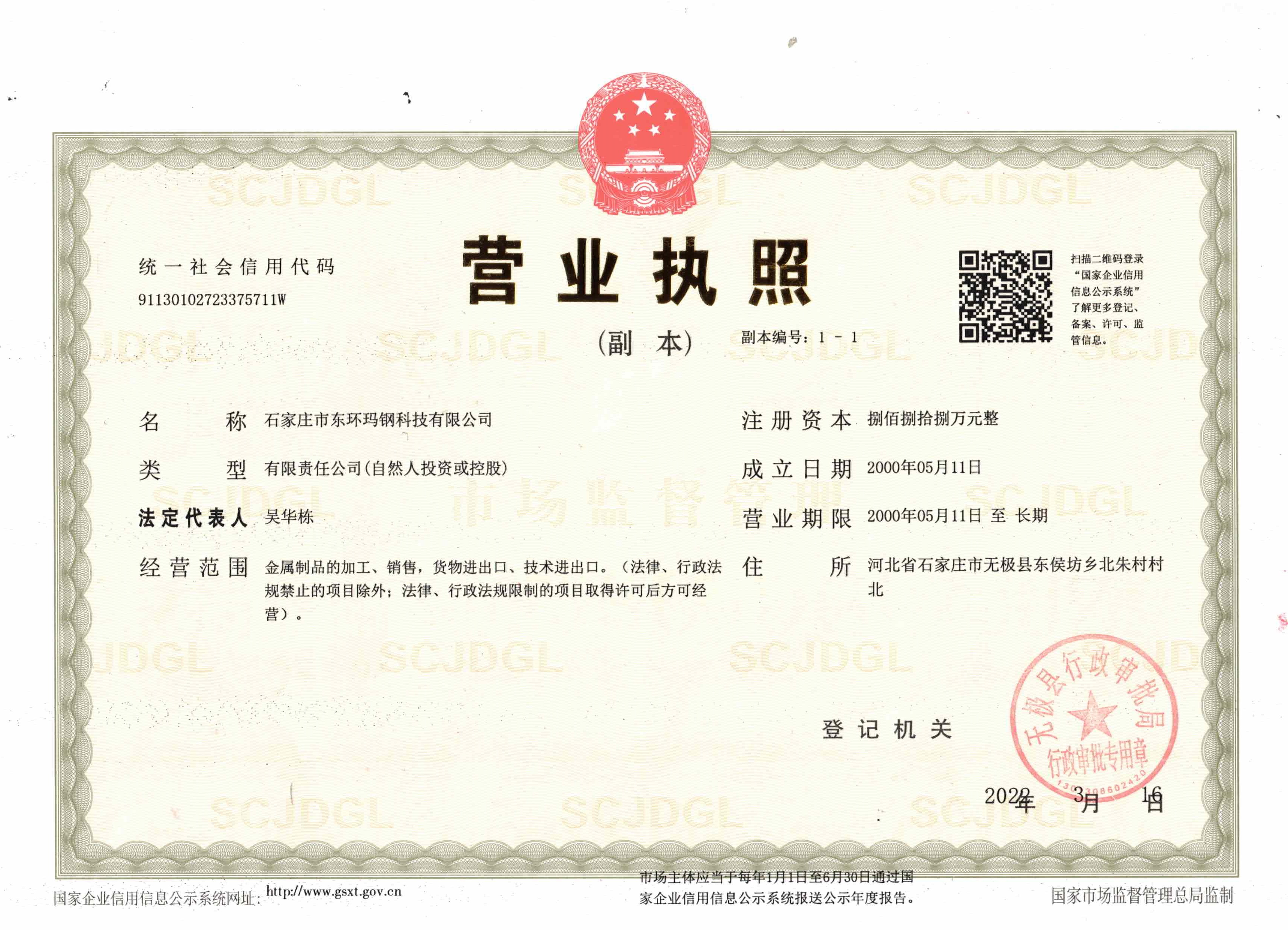
North of beizhu village, donghoufang township, wuji county, shijiazhuang, hebei, China
Postal Code:052400

Mob web

Tiktok