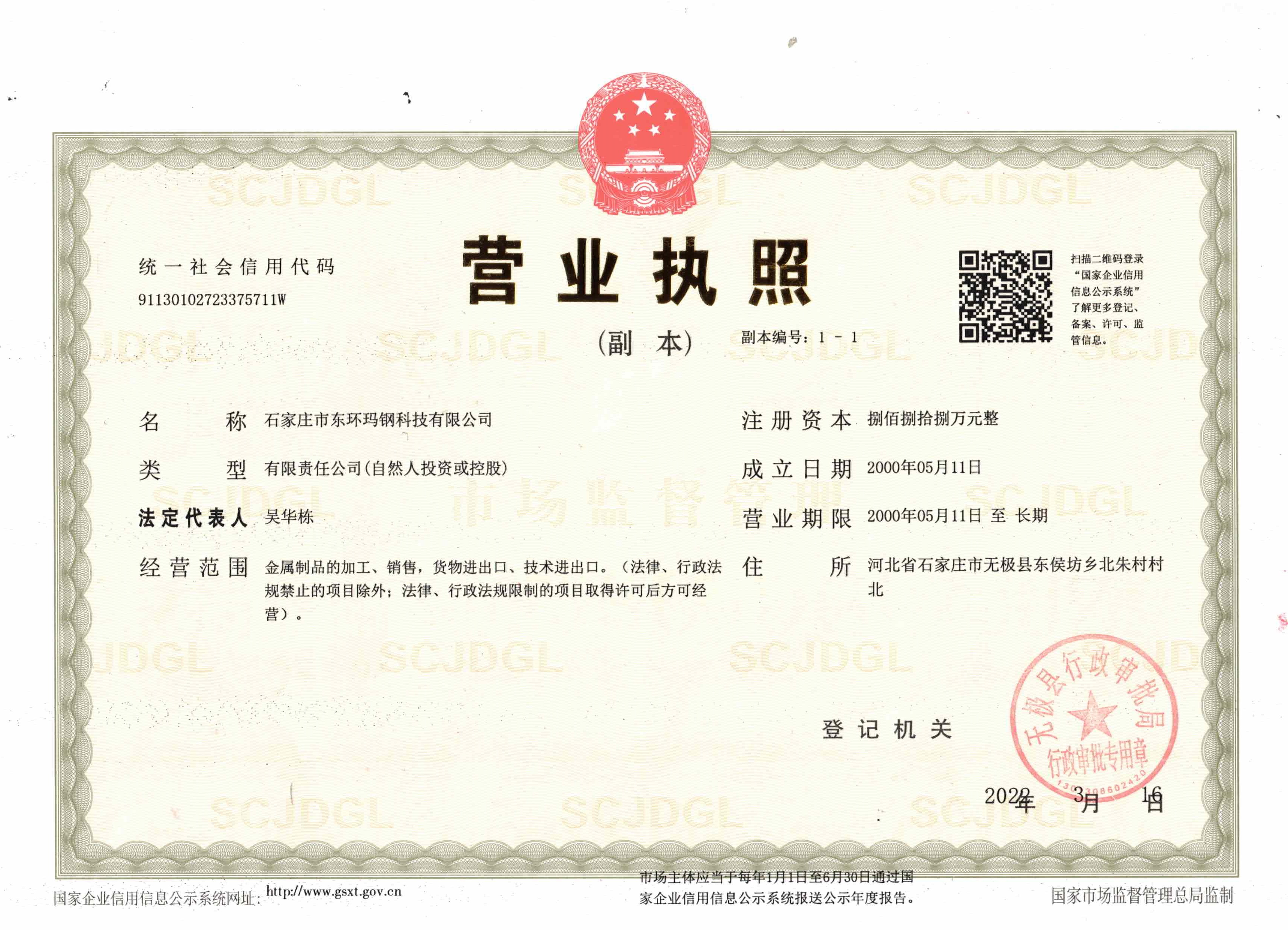
Shijiazhuang Donghuan malleable iron technology co.,ltd




Stainless steel adapters: how to choose the right type for your application
Release time:
2026-09-18
Author:
A complete 2026 guide to stainless steel adapters: 304 vs 316 grade comparison, pressure and temperature ratings, installation steps, cost analysis, and troubleshooting tips for engineers and procurement teams.

Article overview
This guide is written for engineers and procurement specialists evaluating stainless steel adapters for industrial, plumbing, food-grade, or hydraulic applications. It covers material grades, adapter types, installation best practices, cost comparisons, and troubleshooting — all consolidated into one reference document updated for 2026.
Table of contents
- 1. What are stainless steel adapters?
- 2. 304 vs 316 stainless steel: which grade do you actually need?
- 3. Types of stainless steel adapters and their pressure/temperature ratings
- 4. Step-by-step installation guide
- 5. Cost analysis: stainless steel vs brass vs carbon steel
- 6. Troubleshooting guide: leaks, corrosion, and thread galling
- 7. 2026 industry trends and sourcing tips
- 8. FAQ
What are stainless steel adapters?
Stainless steel adapters are precision-machined connectors made from stainless steel alloy, designed to join pipes, hoses, or fittings of different sizes, thread types, or end configurations within a fluid or gas system. They serve as the mechanical bridge between mismatched components — enabling leak-free transitions without the need for custom fabrication.
In practice, you encounter stainless steel adapters everywhere: from the compressed-air manifolds in automotive assembly plants, to the sanitary piping in dairy processing facilities, to the hydraulic fittings on offshore drilling rigs. The common denominator is the need for a reliable, corrosion-resistant connection point that holds under pressure, temperature cycling, and aggressive media.
Stainless steel adapters is a broad family of stainless steel pipe fittings — including threaded adapters, compression fittings, tube fittings, and push-to-connect styles — all sharing the core function of transitioning between two unlike connection points while maintaining system integrity.
According to recent 2026 market data, the global stainless steel fittings market is valued at approximately $16.2 billion and continues to expand at a CAGR of around 5.2%, driven largely by growth in hydrogen energy infrastructure, food processing, and pharmaceutical manufacturing. Why does this matter for buyers? Because demand growth is tightening lead times on specialty grades — making informed pre-selection more important than ever.
How stainless steel adapters differ from other pipe connectors
Compared to brass or carbon steel alternatives, stainless steel couplings and adapters offer superior corrosion resistance, higher temperature tolerance, and compliance with food-grade and pharmaceutical standards. They cost more upfront — but the total cost of ownership tells a different story, which we'll quantify in Section 5. Steel pipe connectors made from stainless alloys also maintain dimensional stability under thermal expansion, a property that carbon steel cannot reliably match in cyclic temperature environments.
Key standards and certifications to know
Stainless steel pipe fittings sold in the U.S. market are typically manufactured to ASTM A182, ASTM A403, or MSS SP-114 standards. For sanitary applications, look for 3-A Sanitary Standards compliance and FDA-conforming materials. Industrial adapters destined for pressure systems must carry pressure class ratings — commonly 150 lb to 3000 lb — stamped or certified per ASME B16.11. Always verify the actual certification documentation, not just the supplier's claim on a product sheet.
304 vs 316 stainless steel: which grade do you actually need?
The single most consequential decision when sourcing stainless steel adapters is choosing between Grade 304 and Grade 316. Both look identical to the naked eye. Both feel the same in your hand. Yet selecting the wrong one in a saltwater or chemical environment can lead to pitting corrosion within months.
Material composition and what it means in the field
Grade 304 contains 18% chromium and 8% nickel — hence the common "18/8" designation. It handles most general-purpose industrial and plumbing environments effectively. Grade 316 adds 2–3% molybdenum to that formula. That single addition dramatically increases resistance to chloride-induced pitting and crevice corrosion. Actual testing in marine spray chambers confirms that 316 stainless steel adapters survive 1,000+ hours of salt-spray exposure with minimal surface degradation, while 304 shows visible pitting by the 400-hour mark.

Here's the decision matrix that most product data sheets fail to provide clearly:
| Application environment | 304 stainless steel | 316 / 316L stainless steel | Recommended grade |
|---|---|---|---|
| General water / HVAC | ✅ Suitable | ✅ Suitable | 304 (cost-effective) |
| Saltwater / coastal marine | ⚠️ Risk of pitting | ✅ Suitable | 316 |
| Food processing / dairy | ✅ Acceptable (dry) | ✅ Preferred (CIP wash) | 316L (low carbon) |
| Chemical / acid exposure | ❌ Not recommended | ✅ Suitable (pH > 2) | 316 or Duplex |
| Pharmaceutical / biotech | ⚠️ Limited compliance | ✅ FDA / 3-A compliant | 316L |
| Oil & gas / high pressure | ⚠️ Grade-dependent | ✅ Preferred | 316 / Duplex 2205 |
| Hydrogen energy systems | ⚠️ Hydrogen embrittlement risk | ✅ Suitable (316L) | 316L (low carbon) |
The "201 substitution" problem buyers must watch for
One of the most persistent issues in the industrial adapters market is grade substitution. Grade 201 stainless steel — which replaces nickel with manganese — looks and stamps nearly identically to 304 on a casual inspection. Yet its corrosion resistance is measurably inferior, particularly in humid or chloride-rich environments. The safest verification method is a portable XRF analyzer, or requesting a mill test report (MTR) tied to the specific heat number of your order. This is not paranoia — it is standard procurement hygiene for corrosion resistant adapters.
Types of stainless steel adapters and their pressure/temperature ratings
Not all stainless steel adapters are interchangeable — connection style, sealing mechanism, and pressure class vary significantly across types. Below is a consolidated reference table that most supplier catalogs scatter across dozens of separate pages.
Consolidated pressure and temperature ratings by adapter type
| Adapter type | Typical max pressure (PSI) | Max temp (°F) | Best use case |
|---|---|---|---|
| NPT threaded adapters | Up to 6,000 | Up to 1,200°F | General piping, gas, steam |
| Compression fittings | Up to 10,000 | Up to 400°F | Instrumentation, hydraulics |
| Push-to-connect / PTC | Up to 150 | Up to 140°F | Pneumatics, low-pressure fluid |
| Flare fittings | Up to 3,000 | Up to 250°F | Refrigeration, fuel lines |
| Ferrule / tube fittings | Up to 10,000 | Up to 1,200°F | High-pressure lab, chemical |
| Hose adapters / barbed | Up to 250 | Up to 200°F | Irrigation, water transfer |
Understanding NPT, BSP, and metric thread standards
Thread standard confusion is one of the leading causes of mismatched orders in the U.S. market. NPT (National Pipe Tapered) is the dominant American standard — the taper creates a mechanical seal as the threads engage. BSP (British Standard Pipe) threads are parallel, relying on a seating face or sealant for the seal. They are not interchangeable. Metric DIN threads appear frequently on European-imported hydraulic fittings. Specifying the wrong thread standard results in cross-threading, leaks, or — in high-pressure systems — catastrophic failure. When in doubt, always measure the thread pitch and outer diameter before ordering plumbing adapters or steel pipe connectors.
Step-by-step installation guide
Even the highest-quality stainless steel adapters fail prematurely when installed incorrectly. Based on real case experience with industrial adapter installations across food processing and oil-and-gas environments, the following steps reflect what actually prevents leaks and galling in the field.
Installation procedure for NPT threaded adapters
- Inspect threads before assembly. Check for burrs, cross-threading, or contamination. Any surface irregularity on a stainless adapter will worsen under torque due to the material's work-hardening tendency.
- Apply thread sealant correctly. For NPT adapters in gas or water service, use PTFE tape (2–3 wraps, clockwise) or anaerobic thread sealant such as Loctite 567. Never use PTFE tape on flare or compression fittings — it interferes with the metal-to-metal seal.
- Hand-tighten first. Engage threads by hand until snug — typically 2–3 full turns for NPT. This confirms the threads are aligned before applying torque.
- Torque to specification. Use a calibrated torque wrench. Standard torque values for 316 stainless NPT adapters: 1/4" = 12–15 ft-lb; 1/2" = 25–30 ft-lb; 1" = 55–65 ft-lb; 2" = 110–130 ft-lb. Over-torquing is a primary cause of thread galling (more on this in Section 6).
- Conduct a pressure test. After assembly, pressure-test the system at 1.5× operating pressure for a minimum of 15 minutes before bringing it into service. Document the test results.
- Mark the connection. Use a paint pen to draw a line across the joint. Any rotation during service — indicating loosening — becomes immediately visible at the next inspection.
Common installation mistakes and how to avoid them
The most frequent mistake encountered in the field is using stainless steel tools on stainless steel fittings without lubrication. Stainless galls — a form of cold welding between thread surfaces — almost always results from dry assembly under high torque. The fix is straightforward: apply a nickel-based anti-seize compound (not copper-based, which can cause galvanic issues) to the male threads before engagement. Of course, there are exceptions — food-grade and oxygen-service systems restrict many lubricants, so confirm compatibility with your system's media and certifications before applying any compound.
"Thread galling in austenitic stainless steel is not a defect — it is a predictable metallurgical behavior. Anti-seize lubrication and controlled torque application are the only reliable preventive measures." — ASME Piping and Pressure Vessel Handbook, referenced in 2026 industry training materials.
Cost analysis: stainless steel vs brass vs carbon steel
Stainless steel adapters carry a higher unit price than brass or carbon steel alternatives. That's a fact no one disputes. The more important question — one that surprisingly few procurement guides address — is what the total cost of ownership looks like over a 5-year or 10-year service horizon.
Cost-per-application breakdown
| Cost factor | Stainless steel (316) | Brass | Carbon steel |
|---|---|---|---|
| Unit purchase price (1/2" adapter) | $4.50–$9.00 | $2.00–$4.50 | $1.00–$2.50 |
| Expected service life (general industrial) | 15–25 years | 8–15 years | 3–8 years |
| Replacement labor cost (per event) | 1× (baseline) | 2× over 15 years | 4–5× over 15 years |
| Corrosion treatment / coating required | None | None (dezincification risk) | Paint / galvanize required |
| Food/pharma compliance cost | Inherent (316L) | Not compliant | Not compliant |
| Estimated 10-year total cost (per fitting) | $9–$18 | $18–$35 | $22–$50 |
When brass or carbon steel still makes sense
Stainless isn't always the right answer — and acknowledging that makes this comparison more useful. In dry indoor environments with no corrosive media, mild temperatures, and short planned service cycles, carbon steel industrial adapters or brass plumbing adapters remain cost-competitive. Brass, in particular, machines and seals more easily, making it a practical choice for low-volume, non-critical domestic plumbing. The decision threshold is roughly this: if the system will operate for more than five years in a wet, chemical, or outdoor environment, stainless steel adapters almost always deliver lower total cost.
Troubleshooting guide: leaks, corrosion, and thread galling
Failures in stainless steel adapter systems are rarely random. In actual field inspections, the same failure modes recur. Understanding the visual signatures and root causes dramatically reduces diagnostic time.
Leak diagnosis: what the location tells you
A leak at the thread engagement zone almost always indicates under-torque, inadequate sealant, or a wrong thread standard pairing — for example, an NPT male threaded into a BSP female port. A leak at the fitting body or mid-shank, on the other hand, points to a crack or material defect, typically caused by over-torque or an impact event. For compression fittings, a leak just past the ferrule seat usually means the ferrule was not fully swaged during initial assembly. Re-tightening by exactly 1/4 turn (as specified by most tube fitting manufacturers) resolves this in most cases.
Corrosion pitting: identifying the cause before replacing the part
Pitting on a stainless steel adapter surface is not cosmetic — it is a structural warning. Small, circular pits forming in clusters indicate chloride-induced corrosion, almost always a sign that a 304-grade adapter was installed in an environment requiring 316. Uniform surface discoloration (brown or orange film) that wipes away is typically "tea staining" — a superficial oxide layer that does not compromise the fitting. True pitting is tactile; run a fingernail across the surface and you'll feel the depression. If the pitting has penetrated more than 10% of wall thickness, replace the fitting. Do not attempt to weld-fill pitted stainless adapters in pressurized service.
Thread galling: prevention is far easier than repair
Thread galling — where the threads cold-weld together mid-engagement — is the most frustrating failure mode for maintenance crews. It looks like a seized thread but is actually a metallurgical bond. Once galling begins, attempting to force disassembly destroys the fitting. The only fix is cutting out and replacing the adapter. Prevention requires three things: nickel anti-seize compound on the male threads, assembly speed below 10 RPM (hand tools preferred over power tools), and torque control. Just like a bolt that's overtightened never comes loose cleanly, a stainless adapter installed with an impact wrench is an adapter waiting to fail.
2026 industry trends and sourcing tips
The stainless steel adapter market in 2026 is being shaped by two converging forces: tighter regulatory requirements and clean energy infrastructure investment. Both affect sourcing strategy directly.
Hydrogen energy and the surge in 316L demand
Hydrogen pipeline projects — expanding significantly across Texas, California, and the Gulf Coast industrial corridor — are specifying 316L stainless steel adapters almost universally. The 316L low-carbon variant prevents sensitization (carbide precipitation at grain boundaries) that can occur during welding or high-temperature service, which is critical for hydrogen containment integrity. Procurement teams sourcing for these projects are reporting 8–12 week lead times on 316L fittings above 2" diameter, compared to 2–4 weeks pre-2024. Building safety stock or placing blanket orders with domestic distributors is increasingly necessary.
Sanitary certification requirements in food and pharma
The FDA's updated guidance on food-contact materials, cross-referenced with 3-A Sanitary Standards revision cycles, continues to tighten the compliance bar for stainless steel fittings in food and beverage processing. In 2026, the key watchpoint is surface finish: Ra ≤ 32 µin (0.8 µm) is now the de-facto baseline for CIP-cleanable sanitary adapters, with some pharmaceutical clients requiring Ra ≤ 15 µin. When requesting quotes, specify surface finish as a documented parameter — not a verbal assurance. The cost premium for certified sanitary tube fittings over standard industrial adapters is approximately 35–60%, but non-compliant fittings in a regulated facility represent far greater financial exposure.
Smart sourcing checklist for procurement teams
Whether you're sourcing 304 stainless steel adapters for a general HVAC retrofit or 316L hydraulic fittings for a chemical processing skid, the following verification steps protect your project against the most common supply-chain failures: always request the mill test report linked to the specific heat number; confirm pressure class certification matches your system's design pressure; verify thread standard with a physical go/no-go gauge on receipt; check surface finish documentation for sanitary applications; and source from distributors who stock spare inventory rather than drop-shipping from overseas, especially for critical-path projects where delivery certainty matters.
Frequently asked questions
Q: What is the difference between 304 and 316 stainless steel adapters?
A: Grade 316 contains 2–3% molybdenum, which significantly improves resistance to chloride pitting and crevice corrosion compared to 304. For saltwater, chemical, food-grade, and pharmaceutical environments, 316 or 316L is the correct specification. In general indoor water or HVAC service, 304 stainless steel adapters are cost-effective and fully adequate.
Q: Can I use PTFE tape on stainless steel compression fittings?
A: No. Compression fittings and flare fittings rely on a metal-to-metal seal at the ferrule or flare seat. Applying PTFE tape introduces material between the sealing surfaces and can prevent the joint from achieving a proper seal. PTFE tape is appropriate only for NPT tapered threaded adapters in gas or liquid piping service.
Q: How do I prevent thread galling on stainless steel adapters?
A: Apply a nickel-based anti-seize compound to the male threads before assembly, use hand tools rather than power tools to control engagement speed, and torque to the manufacturer's specified value using a calibrated torque wrench. Avoid dry assembly entirely — stainless steel's work-hardening property makes it highly susceptible to galling without lubrication.
Q: Are NPT and BSP threads interchangeable on stainless steel pipe fittings?
A: They are not interchangeable. NPT uses a tapered thread form that creates a mechanical seal on engagement; BSP uses a parallel thread form requiring a seating face or sealant for sealing. Attempting to join NPT male with BSP female threads — or vice versa — results in cross-threading or an unreliable seal, particularly dangerous in pressurized systems.
Q: What pressure rating should I specify for hydraulic stainless steel adapters?
A: For hydraulic fittings, ferrule-style tube fittings and compression fittings in 316 stainless steel are rated up to 10,000 PSI depending on tube size and wall thickness. Always specify the system's maximum allowable working pressure (MAWP) plus a minimum 4:1 safety factor. Confirm the pressure class stamp (e.g., 3000 lb or 6000 lb) matches your system design documentation.
Selecting the right stainless steel adapters requires more than matching a thread size from a catalog. Material grade, connection type, pressure class, sealant selection, and installation torque all intersect — and getting any one of them wrong carries real consequences. The decision framework and reference data in this guide are designed to give engineers and procurement professionals a single, reliable source for making those calls confidently in 2026 and beyond.
Keywords:
stainless steel adapters
Recommended Reading
Leave your problems to us
If you need a solution, you can write your question and contact information in the message form, we will contact you as soon as possible after receiving it.
North of beizhu village, donghoufang township, wuji county, shijiazhuang, hebei, China
Postal Code:052400

Mob web

Tiktok