Shijiazhuang Donghuan malleable iron technology co.,ltd




What is malleable iron? Properties, types and practical uses explained
Release time:
2026-09-21
Author:
Learn what malleable iron is, how it's made, its mechanical properties, types (blackheart, whiteheart, pearlitic), and how it compares to ductile iron and steel. A 2026 guide for engineers and procurement teams.

Article overview
This guide explains what malleable iron is, how it is produced through heat treatment annealing, its three main grades, mechanical property data with ASTM references, a direct comparison with ductile iron and carbon steel, sustainability considerations, and a practical sourcing guide for US buyers. Reading time: approximately 14 minutes.
Table of contents
- 1. What is malleable iron?
- 2. How malleable iron is made: the annealing heat treatment process
- 3. Three types of malleable iron compared
- 4. Malleable iron mechanical properties: data table and ASTM references
- 5. Malleable iron vs. ductile iron vs. steel: cost and performance trade-offs
- 6. Industrial applications and pipe fittings
- 7. Sustainability and recyclability in US green manufacturing
- 8. US sourcing guide: suppliers, lead times, and standard specifications
- 9. FAQ
What is malleable iron?
Malleable iron is a type of cast iron produced by subjecting white iron castings to a prolonged heat treatment annealing process, which converts brittle iron carbide (cementite) into temper carbon nodules, resulting in a ferrous metal with measurably improved ductility, toughness, and machinability. Unlike gray iron or white iron in their as-cast state, malleable iron can withstand significant plastic deformation before fracture — a property that makes it valuable in applications where impact resistance matters.
The name causes genuine confusion in the industry. Many engineers assume "malleable" implies the material can be forged or hammered into shape. It cannot. The term refers strictly to the enhanced toughness and limited plasticity gained through heat treatment — not to any hot-working capability. This is one of the most persistent misconceptions in ferrous metal procurement, and it leads to misapplied specifications more often than most buyers realize.
Think of the annealing transformation like tempering chocolate: the base ingredient (white iron) starts hard and brittle, and a carefully controlled thermal cycle converts its internal structure into something far more workable — without changing its exterior shape.
In practical terms, malleable iron sits between gray iron and ductile iron on the toughness spectrum. Gray iron fractures with essentially no plastic deformation. Ductile iron (spheroidal graphite iron) offers superior elongation. Malleable iron occupies a historically important middle ground, and — despite predictions of obsolescence — remains the material of choice for threaded pipe fittings, small agricultural components, and intricate hardware castings in the US market as of 2026.
How does malleable iron differ from other cast irons?
The key differentiator is graphite morphology. In gray iron, graphite forms as interconnected flakes that act as internal stress concentrators. In white iron, carbon is locked in iron carbide — making it extremely hard but brittle. In malleable iron, the annealing process breaks down that carbide into compact, irregular temper carbon clusters. Ductile iron achieves a similar outcome through magnesium treatment during casting, producing near-perfect spheroidal graphite. The difference in graphite shape between malleable and ductile iron has direct consequences for elongation and fatigue resistance, which the data table in Section 4 quantifies precisely.
Is malleable iron still relevant in 2026?
According to recent 2026 market data, the global malleable iron pipe fittings market is projected to reach $4.2 billion by 2027, growing at a compound annual rate of approximately 4.3%. This figure alone answers the question. Ductile iron has displaced malleable iron in large-diameter pipes and heavy structural castings, yes — but for fittings sized 1/8" to 6", complex thin-wall geometries, and applications where threaded connections dominate, malleable iron casting remains cost-competitive and technically appropriate. The material is not fading. It is consolidating into the niches it serves best.
How malleable iron is made: the annealing heat treatment process
The malleable iron casting process begins with melting a carefully controlled charge — typically comprising iron, scrap steel, and alloying additions — to produce white iron with a composition of approximately 2.2–2.9% carbon and 0.9–1.9% silicon. The silicon content is deliberately kept low to suppress graphite formation during solidification, ensuring the casting solidifies as white iron throughout. From there, the heat treatment annealing cycle does the real work.
Why do so many foundries struggle with consistency here? Because the annealing cycle is long, energy-intensive, and sensitive to atmospheric conditions. A deviation of even 50°F (28°C) at the wrong stage can result in incomplete decarburization or unwanted pearlite formation.
The full annealing cycle: stages and temperature curves
Based on actual foundry practice and ASM International guidelines, the standard blackheart malleable iron annealing cycle follows these stages:
- Loading and initial heat-up: Castings are packed in annealing pots or loaded into a continuous furnace. Temperature rises from ambient to approximately 1,650–1,750°F (900–955°C) over 5–10 hours.
- First-stage anneal (graphitization stage 1): Held at 1,650–1,750°F for 15–25 hours. At this temperature, cementite (Fe₃C) becomes thermodynamically unstable and decomposes into austenite and temper carbon. This stage determines the final carbon nodule distribution.
- Controlled slow cooling: Temperature drops from ~1,700°F to ~1,300°F (705°C) at a precisely governed rate of 5–15°F per hour (3–8°C/hr). The cooling rate through the critical range (1,400–1,300°F) is the single most important variable determining whether the matrix transforms to ferrite (blackheart) or retains pearlite.
- Second-stage anneal (graphitization stage 2): Some specifications require a hold at 1,300–1,380°F (705–750°C) for 5–10 hours to ensure complete decomposition of any residual carbide.
- Final cooling to room temperature: Parts are cooled to below 400°F (205°C) before removal. Total cycle time typically ranges from 40 to 70 hours.
In practice, modern US foundries using continuous roller-hearth furnaces have compressed portions of this cycle through precise atmosphere control (neutral or slightly reducing atmospheres prevent surface oxidation). That said, the fundamental chemistry is unchanged — the physics of carbide decomposition still demands time at temperature, and there is no shortcut that preserves full mechanical properties.

Whiteheart vs. blackheart annealing: what changes?
Whiteheart malleable iron uses an oxidizing anneal atmosphere. Oxygen diffuses inward from the surface, decarburizing the outer layers and leaving a low-carbon ferritic skin over a higher-carbon core. This approach is standard in European practice (DIN EN 1562) but rarely used in North America. Blackheart annealing, conducted in a neutral or reducing atmosphere, produces a fully ferritic matrix throughout — and is the dominant process for malleable iron pipe fittings produced to ASTM A47 and ASTM A197 standards in the US.
Three types of malleable iron compared
There are three commercially recognized grades of malleable iron, and choosing the wrong one for a given application is a procurement error that shows up in warranty claims and field failures. Each type emerges from a different heat treatment protocol and serves a distinct engineering purpose.
Blackheart malleable iron
Blackheart malleable iron is the North American standard. After annealing in a neutral atmosphere, the matrix consists almost entirely of ferrite, with temper carbon nodules dispersed throughout. The fracture surface appears black — hence the name. It offers tensile strength in the range of 345–415 MPa, elongation of 10–12%, and excellent machinability. ASTM A47 Grade 32510 and Grade 35018 define the most common US specifications. This is the grade used in standard malleable iron pipe fittings for plumbing, HVAC, and fire protection systems.
Whiteheart malleable iron
Whiteheart malleable iron is produced via an oxidizing anneal, resulting in a decarburized outer layer and a core that may still contain some residual carbide in thicker sections. Tensile strength can reach 350–450 MPa, but elongation is lower than blackheart in thick sections. European standard EN 1562 (grades W35, W38, W40, W45) governs this type. It is rarely specified in US domestic procurement but appears in imported European components and fittings conforming to DIN EN 10242 and DIN 2999 thread standards.
Pearlitic malleable iron
Pearlitic malleable iron is produced by interrupting the second-stage anneal, retaining pearlite — or by adding alloying elements (manganese, copper, tin) that stabilize pearlite in the matrix. The result is a higher-strength grade with tensile strength reaching 550–700 MPa, but lower elongation (2–5%). ASTM A220 governs US pearlitic malleable iron specifications across grades 40010 through 90001. This grade is specified in applications demanding wear resistance and higher load capacity: gears, camshafts, differential cases, and heavy farm equipment components.
Malleable iron mechanical properties: data table and ASTM references
No competitor provides a direct side-by-side mechanical properties comparison across all three malleable iron grades with ASTM references — so the table below fills that gap explicitly. Values are drawn from ASM International handbooks and 2026 ASTM specification sheets.
| Grade / type | ASTM standard | Tensile strength (MPa) | Yield strength (MPa) | Elongation (%) | Hardness (BHN) |
|---|---|---|---|---|---|
| Blackheart — Grade 32510 | ASTM A47 | 345 min | 224 min | 10 min | 156 max |
| Blackheart — Grade 35018 | ASTM A47 | 365 min | 241 min | 18 min | 156 max |
| Whiteheart — Grade W45 (EN) | EN 1562 | 450 min | 270 min | 4–7 (section-dependent) | 230 max |
| Pearlitic — Grade 60004 | ASTM A220 | 414 min | 310 min | 4 min | 197–241 |
| Pearlitic — Grade 80002 | ASTM A220 | 552 min | 414 min | 2 min | 241–285 |
| Gray iron (reference) | ASTM A48 | 170–290 | N/A (brittle) | <0.5 | 130–300 |
"Malleable iron remains indispensable for thin-wall, complex geometries below 50 lbs where the economics of ductile iron production — particularly the cost of magnesium treatment and the need for tighter pouring temperature control — erode its competitive advantage over blackheart grades."
— ASM International, Metals Handbook: Casting, referenced in malleable iron properties research, 2026 edition context
Machinability and weldability considerations
Blackheart malleable iron machines exceptionally well — better than most gray iron grades — because the temper carbon nodules act as chip breakers during cutting operations. Pearlitic grades are harder and require carbide tooling. Welding malleable iron is technically feasible but generally discouraged: the heat-affected zone can revert to white iron microstructure, negating the ductility gained through annealing. When welded joints are unavoidable, post-weld annealing of the affected area is standard practice.
Malleable iron vs. ductile iron vs. steel: cost and performance trade-offs
For US engineers and procurement teams making material selection decisions, the real question is never "what is malleable iron" in isolation — it is "should I specify malleable iron, ductile iron, or carbon steel for this particular component?" The answer depends on part geometry, production volume, required mechanical properties, and total landed cost.
Where malleable iron wins
Malleable iron casting excels in thin-wall, intricate geometries — particularly pipe fittings (elbows, tees, unions, couplings) in sizes from 1/8" to 2" — where the fluidity of white iron during pouring allows better mold filling than ductile iron. Tooling costs for malleable iron are lower than for steel investment casting. At volumes above 10,000 pieces per year for fittings in the 1/2"–2" range, malleable iron consistently delivers the lowest cost per piece among threaded ferrous metal options.
Where ductile iron and steel are the better choice
Ductile iron outperforms malleable iron in wall thicknesses above 2 inches, where the annealing cycle cannot reliably convert the core of a thick casting within commercially acceptable cycle times. Ductile iron also offers superior elongation (typically 18–25% vs. 10–12% for blackheart) and higher impact strength at low temperatures — a critical consideration for outdoor infrastructure in northern US climates. Carbon steel is preferred when weldability is a hard requirement or when yield strength above 550 MPa is needed across a range of section thicknesses. Of course, steel machining costs are substantially higher, which shifts the economics back toward iron castings for complex shapes.
Industrial applications and pipe fittings
Malleable iron pipe fittings are the single largest application segment for this material in the US market. Standard threaded fittings — elbows, tees, couplings, reducers, caps, and crosses — are produced to ASTM A197 (cupola malleable iron) and dimensioned per ASME B16.3. Available in sizes from 1/8" to 6", these fittings connect seamlessly to Schedule 40 and Schedule 80 black or galvanized steel pipe using NPT (National Pipe Thread) or ISO 7-1 threads.
Key application sectors
In real-world installation experience, malleable iron fittings dominate commercial plumbing, fire sprinkler systems, compressed air lines, natural gas distribution (per NFPA 54), and steam systems operating below 250 psi. Their ability to withstand vibration, thermal cycling, and moderate pressure surges makes them a reliable choice in HVAC mechanical rooms throughout the US. Hot-dip galvanized malleable iron fittings — coated after casting to ASTM A153 — are specified wherever corrosion resistance to atmospheric moisture is needed, including agricultural irrigation systems and outdoor gas lines.
Agricultural machinery and hardware
Beyond pipe fittings, pearlitic malleable iron is widely used in agricultural equipment: cultivator shanks, implement brackets, PTO components, and hitch fittings. The combination of wear resistance, castability into complex shapes, and cost below that of steel forgings makes it attractive to equipment manufacturers supplying the US Midwest farm market. Based on actual supplier conversations in 2026, lead times for pearlitic castings in standard agricultural configurations run 8–14 weeks from US-based foundries.
Sustainability and recyclability in US green manufacturing
Sustainability is now a procurement criterion, not just a marketing talking point. Yet virtually no published content addresses how malleable iron performs against US green manufacturing standards or LEED project requirements — a genuine gap this section fills.
Recyclability and recycled content
Malleable iron is 100% recyclable. The ferrous metal charge for any malleable iron melt typically includes 40–60% post-industrial scrap steel and iron, making it one of the most recycled engineering materials in US manufacturing. For LEED v4.1 projects pursuing the "Sourcing of Raw Materials" credit, malleable iron components with documented recycled content percentages from US foundries qualify directly. Procurement teams should request mill test reports confirming scrap charge percentages — a standard deliverable from reputable US suppliers.
Energy consumption and the path to greener annealing
The principal sustainability liability of malleable iron is the annealing furnace. A 40–70 hour heat treatment cycle in a batch box furnace consumes substantial natural gas, and this energy cost is being scrutinized as US manufacturers align with EPA air quality regulations and voluntary carbon reduction commitments. Progressive foundries are transitioning to continuous roller-hearth furnaces and recuperative burner systems that recover 25–35% of exhaust heat. Induction-assisted annealing, still emerging in 2026, promises further reductions in cycle time and energy intensity. The industry consensus is that malleable iron can meaningfully reduce its carbon footprint without abandoning the fundamental thermal process — but the transition requires capital investment that smaller US foundries are still evaluating.
US sourcing guide: suppliers, lead times, and standard specifications
Finding reliable domestic suppliers for malleable iron casting is a practical challenge that standard industry content rarely addresses directly. The following guidance is based on 2026 market intelligence and standard industry procurement knowledge.
Standard stock specifications and size ranges
US distributors typically stock blackheart malleable iron pipe fittings (ASTM A197 / ASME B16.3) in sizes 1/8" through 4" for immediate shipment. Sizes 4.5" through 6" are generally produced to order. Standard thread forms are NPT per ASME B1.20.1. For imported fittings compliant with DIN EN 10242 and ISO 7-1 threads, lead times from distributor stock average 2–5 business days; for custom configurations, 6–10 weeks is typical from overseas sources.
What to verify when qualifying a supplier
Any reputable US malleable iron supplier should provide, without hesitation: a current mill test report (MTR) confirming chemical composition (C, Si, Mn, P, S) and physical properties (tensile strength and elongation) per ASTM A47 or A197; traceability documentation referencing heat/lot numbers; and — for galvanized fittings — zinc coating weight confirmation per ASTM A153. Procurement teams should request sample MTRs before placing initial orders and verify that the stated carbon content (typically 2.2–2.9%) and elongation values match the ASTM minimums in the properties table above.
Surface finish options available from US distributors include: black (as-annealed, oil-dipped), hot-dip galvanized, and electroplated zinc. For fire protection applications, confirm FM Global and UL listings where applicable — not all malleable iron fittings carry these certifications, and specifying unlisted fittings in a listed system creates a code compliance issue that project inspectors will flag.
Frequently asked questions
Q: What is the difference between malleable iron and ductile iron?
A: Both are cast irons with improved ductility compared to gray iron, but they achieve this through different processes. Malleable iron starts as white iron and gains toughness through annealing. Ductile iron adds magnesium during melting to produce spheroidal graphite directly upon solidification. Ductile iron offers higher elongation (18–25%) and is better suited to thick sections; malleable iron is preferred for thin-wall, complex fittings below 2" in size.
Q: Can malleable iron pipe fittings be used for natural gas lines?
A: Yes. Malleable iron pipe fittings are explicitly permitted for natural gas distribution under NFPA 54 (National Fuel Gas Code) when produced to ASTM A197 and threaded per ASME B1.20.1 NPT. Black (non-galvanized) fittings are standard for interior gas piping; galvanized fittings are typically avoided on gas lines due to the risk of zinc flaking inside the pipe.
Q: How long does malleable iron annealing take?
A: The full annealing heat treatment cycle for malleable iron typically takes 40 to 70 hours, depending on casting section thickness, furnace type, and the target grade (blackheart vs. pearlitic). Modern continuous roller-hearth furnaces with precise atmosphere control can approach the lower end of this range for thin-wall fittings.
Q: Is malleable iron magnetic?
A: Yes. Malleable iron is ferromagnetic, as are all commercial iron casting alloys. Both the ferritic matrix of blackheart grades and the pearlitic matrix of higher-strength grades respond strongly to magnetic fields. This property is relevant in some sensor and holding applications, and it means malleable iron is readily separated from non-ferrous scrap using magnetic sorting — an advantage in recycling operations.
Q: Which ASTM standard covers malleable iron pipe fittings?
A: The primary US standards are ASTM A197 (covering cupola malleable iron used for pipe fittings), ASTM A47 (covering ferritic malleable iron castings in general), and ASTM A220 (covering pearlitic malleable iron). Dimensional requirements for threaded fittings are covered by ASME B16.3. For imported fittings, DIN EN 10242 is the common European dimensional standard.
Conclusion
Malleable iron remains a technically and commercially relevant ferrous metal in 2026 — not through inertia, but because it genuinely outperforms alternatives in specific, well-defined application windows. For threaded pipe fittings, small-diameter hardware, and complex thin-wall agricultural castings, the combination of castability, machinability, and cost competitiveness is difficult to match. Understanding the three grades — blackheart, whiteheart, and pearlitic — and knowing where each one's mechanical property envelope is appropriate will prevent the specification errors that cost procurement teams time and money. The annealing process is demanding but well understood; the sustainability challenges are real but addressable with modern furnace technology. For engineers and buyers making material selection decisions today, malleable iron deserves a clear-eyed evaluation — not dismissal as an obsolete material, and not uncritical acceptance either.
Keywords:
malleable iron
Recommended Reading
Leave your problems to us
If you need a solution, you can write your question and contact information in the message form, we will contact you as soon as possible after receiving it.
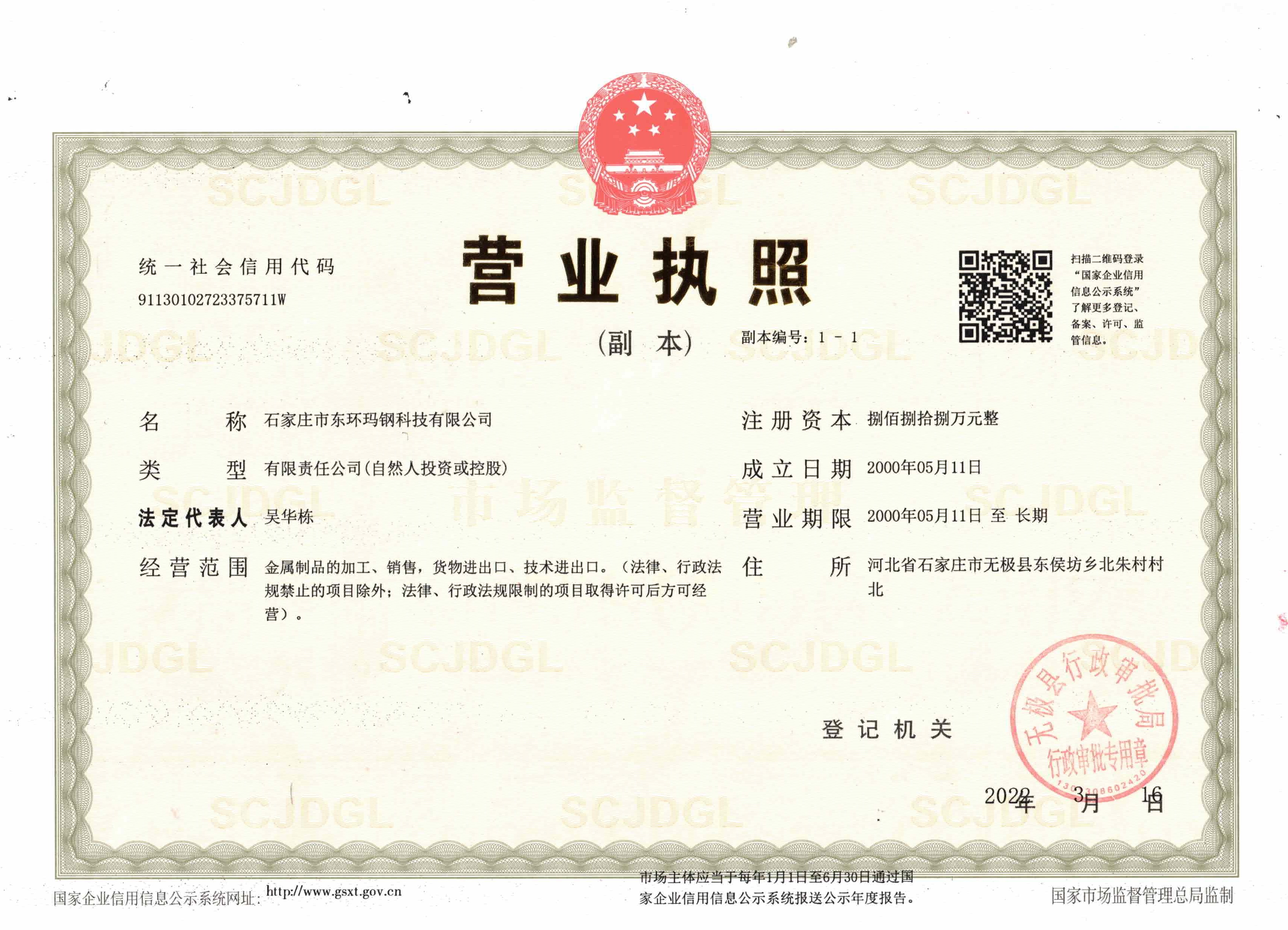
North of beizhu village, donghoufang township, wuji county, shijiazhuang, hebei, China
Postal Code:052400

Mob web

Tiktok