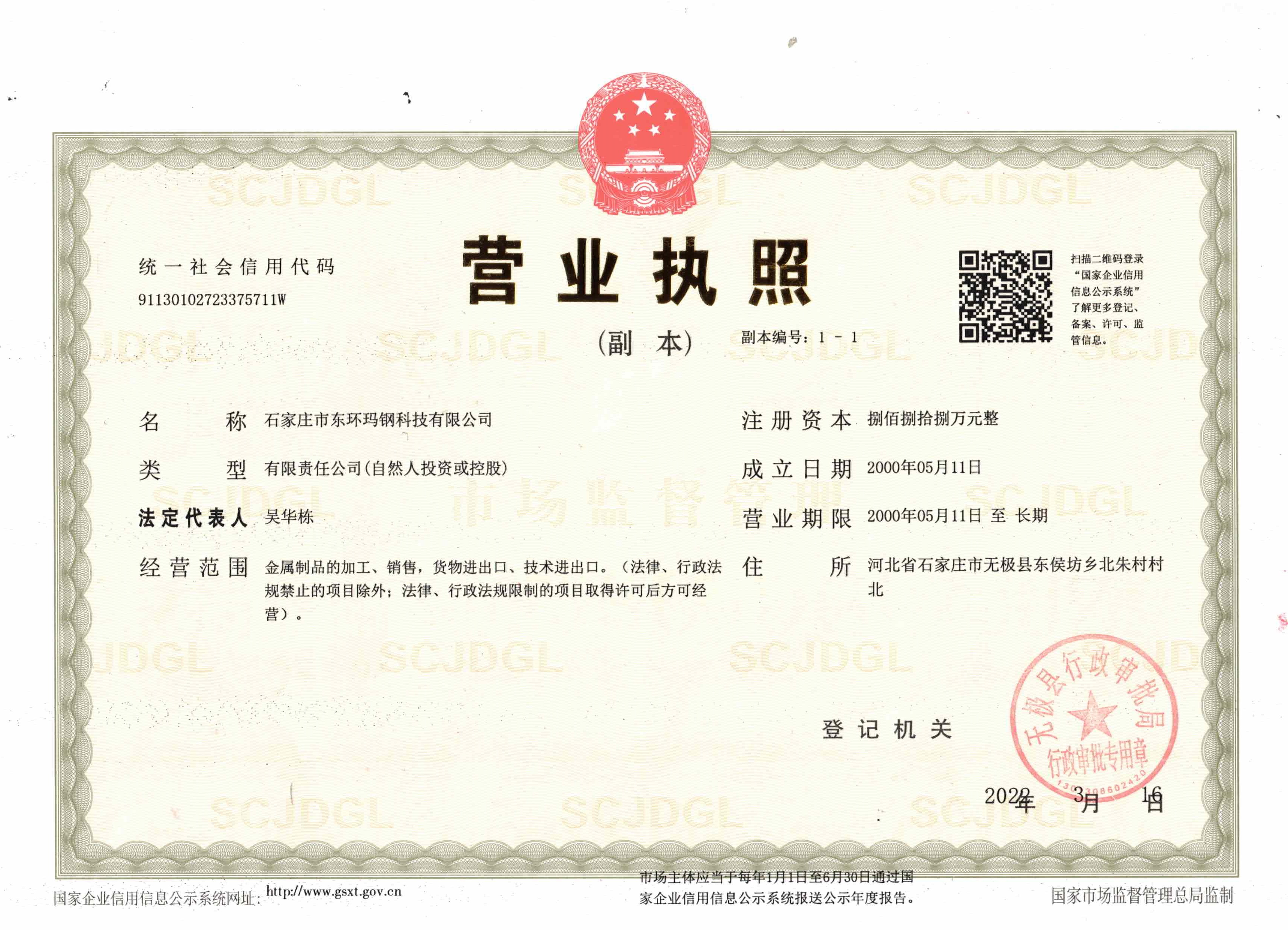
Shijiazhuang Donghuan malleable iron technology co.,ltd




Which Stainless Tube Fitting Type and Material Is Right for Your Project
Release time:
2026-06-10
Author:
Compare stainless tube fitting types and materials to choose the best option for your project’s pressure, corrosion, and application needs.

Have you ever thought about why some systems last a long time but others break quickly? The reason is often the type of stainless tube fitting and material you pick. What you choose can change how safe, expensive, or good your system is. Stainless steel fittings are strong and do not rust easily. This makes them very important for factories and big machines.
Threaded fittings are good for small pipes and are easy to fix.
Welded fittings are very strong and do not leak in high-pressure jobs.
Flanged fittings let you take apart big systems safely.
Think about what your project needs before you pick a fitting.
Stainless Tube Fitting Types Overview

Compression Fittings
Compression fittings make a tight seal without welding or threading. They are good for fast fixes and easy to use. You put the tube in the fitting and tighten a nut. This squeezes a ring around the tube. The connection does not leak. People use compression fittings in instrumentation lines and hydraulic systems. They also work in process piping. You can take them apart and put them back together easily. This saves time when fixing things. Many industries like these fittings because they are quick and reliable. High-purity tubing is needed more now. This is important in semiconductor and pharmaceutical jobs where clean connections are needed.
Flare Fittings
Flare fittings give a strong seal for high-pressure systems. You flare the tube’s end and fit it into the matching part. This works well for gas and oil lines. It is also used in refrigeration and cars. Flare fittings handle vibration and pressure changes. They are used where leaks can be dangerous. These fittings help stop leaks and keep things safe. You see them in LNG and refinery upgrades. The oil and gas industry uses them a lot. Duplex and super duplex stainless steel are now more common in offshore energy work.
Welded Fittings
Welded fittings make the strongest and most lasting connections. You weld the fitting right to the tube. This stops leaks and handles high pressure. Welded fittings are best for heat exchangers and big systems. They are used in process piping too. Pick welded fittings when you need something tough and long-lasting. These fittings lower the chance of leaks and failures. They are great for important systems. Welded fittings are used where safety and reliability are very important.
Tip: Use welded fittings for high-pressure and high-temperature jobs. Pick compression or flare fittings if you need to fix or change things often.
Here is a table that shows the market share and main uses for stainless tube fittings:
| Type of Fitting | Market Share (%) | Key Applications |
|---|---|---|
| Stainless Steel Tubes | 71.8 | Heat exchangers, process piping, instrumentation lines, hydraulic systems, etc. |
| Stainless Steel Fittings | N/A | Leak prevention, installation speed, system downtime reduction |
| Oil and Gas Industry | 25.5 | LNG infrastructure, offshore projects, refinery upgrades |
ss tube fittings help stop leaks and save time.
You see ss tube fittings in oil and gas, pharmaceuticals, and semiconductors.
More people want ss tube fittings as industries need safer and cleaner systems.
Threaded Fittings
Threaded fittings use screw threads to join tubes. You can install or remove them with basic tools. These fittings work well for small-diameter tubes and low to medium pressure systems. You often see them in water supply lines, compressed air systems, and some chemical plants.
Easy to assemble: You do not need special skills or equipment.
Reusable: You can take them apart and use them again.
Good for repairs: You can fix leaks or change parts quickly.
Threaded fittings come in different shapes, such as elbows, tees, and couplings. You can find them in both straight and angled forms. They use tapered threads to create a tight seal. You should use thread sealant or tape to prevent leaks.
Note: Threaded fittings may not work well in high-vibration or high-pressure systems. Threads can loosen over time, which may cause leaks.
You should check the thread type before you buy. Common types include NPT (National Pipe Thread) and BSP (British Standard Pipe). These types do not fit together, so always match the thread standard to your system.
Butt Weld, Socket Weld, and Flanges
Butt weld, socket weld, and flange fittings give you strong, permanent connections. You use them in high-pressure, high-temperature, or critical systems.
Butt weld fittings: You weld the tube and fitting end-to-end. This makes a smooth, strong joint. You see these in pipelines, power plants, and chemical processing.
Socket weld fittings: You insert the tube into a recessed area of the fitting, then weld around the edge. This method works well for small-diameter, high-pressure lines.
Flange fittings: You bolt two flanges together with a gasket in between. This lets you disconnect sections for maintenance or inspection.
| Fitting Type | Best Use Cases | Strength | Ease of Maintenance |
|---|---|---|---|
| Butt Weld | Pipelines, process plants | Very High | Low |
| Socket Weld | Small, high-pressure systems | High | Low |
| Flange | Large, critical connections | High | High |
Tip: Use butt weld or socket weld fittings when you need leak-proof, permanent joints. Choose flanges if you need to take the system apart for cleaning or repairs.
You should always follow proper welding procedures. Poor welds can cause leaks or failures. Flanges need the right gasket and bolt torque to seal well.
SS Tube Fittings vs SS Pipe Fittings
Tube vs Pipe Sizing
You need to know the difference between tube and pipe sizing before you choose fittings. Tube fittings use the true outside diameter (OD) for size. Pipe fittings use the nominal pipe size (NPS), which does not match the actual OD. For example, a 1/2-inch tube has an OD of 0.50 inches. A 1/2-inch pipe has an OD of about 0.84 inches. This difference matters when you connect parts.
Here is a table to help you compare:
| Dimension Type | Stainless Pipe Fittings | Stainless Tube Fittings |
|---|---|---|
| Sizing Method | Sized by NPS (Nominal Pipe Size) and Schedule | Sized by true OD (Outside Diameter) and wall thickness |
| Example: 1/2-inch | Actual OD is about 0.84 inches | Actual OD is exactly 0.50 inches |
| Wall Thickness | Thicker sections for higher mechanical loading | Controlled for precision and sealing accuracy |
You see that ss pipe fittings have thicker walls. This helps them handle more force. Tube fittings focus on precision and sealing. You must match the right fitting to the right tube or pipe. If you mix them up, you get leaks or weak joints.
Application Differences
You use ss pipe fittings in systems that need to handle high pressure or heavy loads. These fittings work well in water lines, steam systems, and industrial plants. The thick walls give strength and durability. You often connect them with threads, welds, or flanges.
Tube fittings work best in places where you need clean, accurate connections. You see them in labs, food plants, and medical equipment. The smooth OD and tight tolerances help prevent leaks. You can take tube fittings apart and put them back together without damage.
Use ss pipe fittings for:
High-pressure water or steam lines
Chemical processing plants
Oil and gas pipelines
Use tube fittings for:
Instrumentation and control systems
Food and beverage processing
Pharmaceutical production
You must think about your project’s needs. If you need strength, choose ss pipe fittings. If you need clean, precise connections, choose tube fittings.
Compatibility and Standards
You must follow the right standards to make sure your fittings work together. Each type of fitting has its own rules. These rules set the size, shape, and connection method. If you mix standards, you risk leaks or failures.
Here is a table of common standards:
| Fitting Type | Standard | Connection Type | Notes |
|---|---|---|---|
| Elbows (e.g., weld bend) | ASME B16.9 | Buttweld | Long/short radius, 45°/90°; center-to-end dimensions set by standard |
| Tees | ASME B16.9 | Buttweld | Run (main flow) and branch (side outlet) dimensions defined |
| Reducers (concentric/eccentric) | ASME B16.9 | Buttweld | Transitions between pipe sizes; check orientation for flow direction |
| Couplings | ASME B16.11 | Socket weld & threaded | For smaller diameters (NPS 1/8–4); check thread type (NPT/BSPT) |
| Flanges | ASME B16.5 | Welded, threaded, or slip-on | Pressure classes (150–2500); used for easy assembly/disassembly |
You should always check the dimensional standards for your project. This keeps your system safe and reliable. If you use ss pipe fittings, match the thread type and pressure class. For tube fittings, check the OD and wall thickness. You avoid mistakes by following the right standards.
Tip: Always use fittings from the same standard in one system. This helps you avoid leaks and makes repairs easier.
Stainless Fitting Materials and Properties

304 vs 316 Stainless
You will see 304 and 316 stainless in most tube fittings. Both types are strong and last a long time. The main difference is how well they fight rust and their price. 304 stainless works best where there is not much chloride. It is tough and easy to shape. 316 stainless has molybdenum, which helps stop pitting and crevice rust. This makes 316 better for places with salt water or chemicals.
Here is a quick comparison:
| Property | 304 Stainless Steel | 316 Stainless Steel |
|---|---|---|
| Corrosion Resistance | Excellent in low chloride environments | Superior, especially in high chloride areas |
| Pitting Resistance | Moderate | High due to molybdenum content |
| Fabrication Ease | Easy to fabricate | Also easy, but requires care in welding |
| Cost | More economical | Generally more expensive |
| Applications | Plumbing, industrial piping | Marine, chemical, high-chloride environments |
Pick 304 stainless for indoor pipes or general jobs. Choose 316 stainless for harsh or salty places. The right choice keeps your system safe and working well. For more details, you can check ASTM International’s stainless steel standards.
Duplex and Specialty Alloys
Duplex and specialty alloys are even stronger and last longer. These materials mix the best parts of austenitic and ferritic stainless. You find them in tough jobs where normal grades do not work.
Offshore rigs
Chemical plants
Places with lots of salt
Oil and gas work
Marine jobs
Pulp and paper factories
Duplex stainless fights stress corrosion cracking better. Specialty alloys can handle very hot or harsh chemicals. Use these materials when you need the best quality and long life. For technical help, check ASME’s material standards.
Material Impact on Performance
The material you pick changes how well your system works. Stainless steel fittings are very tough and do not rust easily. You will not need to fix them often. These fittings can last for many years without being replaced. Their strength and heat resistance lower repair costs and help the environment. The right way to make them also keeps your system safe.
Always match the material to your job and location. This gives you the best results and protects your money.
Non-Stainless Alternatives
Sometimes, stainless steel is not the best choice. Other materials can be cheaper, lighter, or resist some chemicals better. You should learn about these non-stainless options before you pick one.
Brass Fittings
Brass fittings are used in plumbing and low-pressure jobs. People use them for water, air, and some fuel lines. Brass does not rust in dry air or water. It can handle medium heat. You can cut and shape brass without much trouble. This makes it easy to put in.
Good for: Water supply, compressed air, some fuel systems
Strength: Not as strong as stainless steel
Corrosion resistance: Works well in clean water, but not with acids or salt
Cost: Costs less than stainless steel
Note: Brass can break in places with a lot of shaking or stress. Do not use brass in the ocean or where there are strong chemicals.
PVC and Plastic Fittings
PVC and other plastics are light and cheap. You see these in irrigation, drainage, and some chemical lines. PVC does not rust or corrode. It stands up to many chemicals and does not carry electricity.
Good for: Irrigation, drainage, low-pressure chemical lines
Strength: Not as strong as metal fittings
Temperature range: Only works in cooler places; melts if too hot
Cost: Very cheap
Tip: Use PVC only for jobs with low pressure and low heat. Do not use plastic fittings for hot water or steam.
Copper Fittings
Copper fittings do not rust easily and are simple to join. You find them in water pipes and fridges. Copper can kill germs on its surface. It bends without breaking.
Good for: Drinking water, refrigeration, HVAC
Strength: Medium
Corrosion resistance: Good in clean water, but not in acid or salty water
Cost: Usually costs more than PVC, but less than stainless steel
Comparison Table
| Material | Best Use Cases | Strength | Corrosion Resistance | Cost |
|---|---|---|---|---|
| Brass | Water, air, fuel | Low-Med | Good (fresh water) | Low |
| PVC | Irrigation, drainage | Low | Excellent | Very Low |
| Copper | Water, refrigeration, HVAC | Moderate | Good (clean water) | Medium |
Pick the fitting material that matches your system’s needs. Stainless steel is the strongest and fights rust best. Brass, PVC, and copper can save money if you use them in the right way. Always check the pressure, heat, and chemicals before you choose.
Remember: The wrong material can leak, break, or be unsafe. If you are not sure, ask an expert or check your project’s rules.
Shapes, Configurations, and Manufacturing
Common Fitting Shapes
There are many shapes for tube fittings. Each shape does a special job in moving fluids. You must pick the right shape for your project. This helps fluids flow well and gives support.
Here is a table that shows common tube fitting shapes and what they do:
| Fitting Type | Description |
|---|---|
| Unions | Connect two pipes or tubes for easy assembly and disassembly. |
| Clamp Fittings | Allow quick changes in piping systems. |
| Flanges | Join pipes, valves, or equipment securely. |
| Bends | Change the direction of the piping. |
| Tees | Branch off a main line. |
| Reducers | Connect pipes of different sizes. |
| Tubing | Carry fluids, can be flexible or rigid. |
| Connectors | Join two sections of pipe or tubing. |
| Anchor Plates | Add support and stability. |
| Pipe Support Systems | Keep pipes aligned and supported. |
You will see 45-degree and 90-degree elbow fittings too. These help you turn pipes in small spaces. Tee fittings split the flow into more than one path. Always match the true od and wall thickness to your system. This keeps leaks from happening.
Manufacturing Methods
There are different ways to make tube fittings. The way they are made changes how strong and good they are. You should know how each way affects your system.
TIG welding makes neat and exact welds. It is good for tube fittings that must not rust.
MIG welding is fast and makes strong joints. Many factories use this for tube fittings.
HF welding is used to make lots of tube fittings quickly. This saves money for big jobs.
| Welding Method | Advantages | Impact on Quality |
|---|---|---|
| TIG Welding | Precision and control | High weld quality and corrosion resistance |
| MIG Welding | Speed and efficiency | Strong welds for industrial use |
| HF Welding | High-speed production | Good for large-scale tube fittings |
You should always check the true od and wall thickness of your tube fittings. This makes sure your connection is strong and safe.
Quality Standards
Quality standards help you know tube fittings will work well. These rules tell you about true od, wall thickness, material, and tests. You should buy tube fittings that follow world standards.
| Standard Name | Description |
|---|---|
| ASTM A312 | Seamless and welded stainless steel pipes. |
| ASTM A270/EN10357/DIN11850 | Sanitary stainless steel tubes for hygienic use. |
| ASTM A554/EN1029 | Welded stainless steel mechanical tubing. |
| ASTM A249 A269/EN10217-7 | Tubes for heat exchangers, welded and seamless. |
| ASME SB677 | Seamless pipes for high-temperature service. |
Tip: Always check the standard before you buy tube fittings. This helps you avoid problems with true od and wall thickness mismatches.
You can trust these standards to keep your system safe and working well. If you follow them, you will have fewer leaks and problems.
Environmental and Application Suitability
Corrosive Environments
You need to think about corrosion when picking stainless tube fittings. Corrosion can hurt your system and make it not last as long. In places like the ocean or chemical factories, salt, chemicals, and water can cause problems. Not every stainless steel works the same in these tough spots.
Duplex stainless steel grades are stronger and fight corrosion better than 316L. These grades stand up to chlorides and stress.
Super duplex stainless steel, like 2507, has more chromium, molybdenum, and nitrogen. This makes it very good at stopping corrosion, especially in warm, salty water. It protects well against pitting and crevice corrosion.
316L stainless steel is good for jobs near the ocean. It stops regular corrosion and works in splash zones. It is easy to weld and stays strong. But it does not fight chloride and stress corrosion cracking as well as duplex grades.
Alloys with more molybdenum and nitrogen stop pitting and crevice attack better than regular grades. Nickel makes the steel tougher and easier to weld. These things help duplex and super duplex steels last longer in harsh marine places. Always pick the material that matches how much corrosion is in your area. This keeps your system safe and helps it last longer.
316L stainless steel tube fittings are part of the austenitic family. They have low carbon, bend easily, and fight corrosion well. Nitrogen in the alloy keeps them strong and easy to weld. You can use these fittings in the ocean, chemical plants, and places where pitting and crevice corrosion might happen. They also work in heat exchangers, gas systems, refineries, and power plants.
Tip: For the hardest corrosion problems, choose duplex or super duplex grades. For medium corrosion, 316L is a good choice.
High Pressure and Temperature
You need to check how much pressure the tube fittings can handle for tough jobs. High-pressure systems need fittings that can deal with both pressure and temperature changes. Stainless steel tubing must work well in hot and cold places. These changes affect how much pressure the fittings can take and how safe they are.
The material mix changes strength and how long it lasts. Pick the right grade for your pressure needs.
Wall thickness matters. Thicker walls let fittings handle more pressure but make them heavier and cost more.
Design standards like API, ASME, or ASTM make sure your fittings follow safety rules.
Things like humidity and stress can change how long your fittings last.
Always check the pressure rating before you put in fittings for high-pressure jobs. This helps stop leaks and failures. Picking the right fitting gives you a longer-lasting and safer system.
Sanitary and Food-Grade Uses
You must use special tube fittings for clean and food systems. These fittings need smooth surfaces and must fight corrosion. They must be easy to clean. You cannot let food, drink, or medicine get dirty.
| Certification | Description |
|---|---|
| 3-A Sanitary Standards | Lets you clean or take apart for checking |
| FDA 21 CFR Compliance | Materials are safe for touching food |
| ASME BPE Standards | Best for bioprocessing equipment |
| USDA Accepted | Follows USDA rules |
| ASTM A270 Specification | Standard for clean stainless steel tubing |
| ISO 9001:2015 Quality | Quality management system standard |
| EHEDG Principles | Focuses on clean design in Europe |
| Material Traceability | Materials can be tracked back to where they came from |
You should also look for RoHS, USP Class VI, and phthalate-free certifications. These show the fittings do not have harmful stuff in them. EHEDG and ASME BPE standards focus on clean design and high-purity uses. Always check for 3-A standards in food and medicine systems.
Note: Sanitary fittings must be easy to clean and fight corrosion well. This keeps things safe and helps fittings last longer in sensitive places.
Cost vs Performance
You have to think about both price and how well fittings work. The best choice depends on what your project needs and where it will be used. Stainless steel fittings cost more than brass or plastic ones. But they last longer and are more reliable. They also keep things cleaner.
Here is a table that shows the prices for different fittings:
| Fitting Type | Brass Price Range | Stainless Steel Price Range |
|---|---|---|
| 1/2" NPT Elbow | $2.50–$5.00 | $6.00–$12.00 |
| 1" Coupling | $4.00–$8.00 | $10.00–$20.00 |
| 2" Tee | $10.00–$18.00 | $25.00–$50.00 |
Stainless steel fittings cost more at first. You pay extra for a fitting that lasts longer. Stainless steel stops pitting, cracking, and chemical damage. It can handle high pressure and stays clean. The smooth surface keeps bacteria from growing. This is important for food and medicine jobs. Stainless steel fittings can last over 30 years with little fixing.
316 stainless steel fights corrosion even better. You use it in places with seawater or strong chemicals. The higher price is worth it because you get better performance. You do not have to replace fittings often. This saves time and money in tough jobs.
Stainless steel is good at stopping rust because it has chromium. You use it in harsh places. Brass fittings may not work well in wet spots. If you pick the wrong material, you might get leaks or broken parts.
You need to make sure your fittings match your system. Stainless steel fittings work with many types of equipment and clean jobs. You get a strong connection that follows industry rules. This helps your system run safely.
When you pick stainless steel, you get better performance. You meet clean standards and keep your connection strong. You spend less on repairs and get more reliability. Stainless steel also fits well with clean and measuring systems.
Tip: Pick stainless steel fittings for important jobs where cleanliness, strength, and matching parts matter most. Use brass or plastic only for simple, cheap jobs.
You should think about the first price and the long-term benefits. Stainless steel fittings give you the best performance, reliability, and cleanliness. You get a connection that meets top standards and works with your equipment.
Selection Guide for Stainless Tube Fittings
Step-by-Step Selection
You need a simple plan to pick stainless tube fittings. Follow these steps to help you choose the right one for your project:
Look at your environment and what flows in your system. Check if there are chemicals, saltwater, or high heat. Pick a material grade that works for these things.
Pick the connection type you need. Decide if you want welded, threaded, compression, or flare fittings. Each type is good for different ways to put them in and fix them.
Make sure the fittings fit your tubes or pipes. Check the size, wall thickness, and thread type. Look at rules like ASME or ASTM to help you.
Check the material grade. Use this table to compare grades:
| Grade | Corrosion Resistance | Chloride Tolerance | Weldability | Cost | Typical Uses |
|---|---|---|---|---|---|
| 304 | Excellent in clean, mild environments | Moderate | Very good | Lower | General utility, water supply, food & beverage |
| 316 | Superior, especially against acids | High | Very good | ~20–25% higher | Marine, chemical processing, pharmaceuticals |
| 316L | Same as 316, with extra protection | High | Excellent | Similar to 316 | High-purity, welded piping, pharmaceutical |
| Duplex | Outstanding, even in aggressive media | Very high | Good | High | Oil & gas, chemical plants, offshore, high-pressure lines |
Put in the fittings and check them. Look for leaks or problems before you start your system.
Tip: Always add up all costs. This means the price, testing, packing, shipping, and taxes. This helps you not miss any hidden costs and make a smart choice.
You can find more rules and help at ASTM International.
Matching Fittings to Applications
You must pick fittings that match your job. This keeps your system safe and working well. Think about these things when you choose:
How much pressure your system uses. Pick fittings that can handle the highest pressure.
The temperature your system will have. Make sure fittings work in both hot and cold places.
Safety rules and extra strength. Pick fittings that meet or go above safety rules.
If the fittings follow ASME and ASTM rules.
The material grade. Pick the right one for your place and how strong you need it.
Size, wall thickness, and how smooth the surface is. Match these to your tube or pipe for a good seal.
If the fittings can handle shaking, pulsing, and the fluids in your system.
Note: 304 stainless is good for most jobs. 316 and 316L fight rust in hard places. Duplex grades are best for high pressure and strong chemicals.
Industry rules set limits for how much stress and work the fittings can take. You keep your system safe by picking fittings that meet these rules. Always check your choice with what your project needs.
Common Mistakes
You can stop expensive mistakes by following these tips:
Do not mix butt weld and socket weld fittings unless you use adapters.
Threaded pipes and fittings must have the same thread type. Use adapters if you need to join NPT and BSPT.
Always check the schedule of the pipe and fitting. If they do not match, you can get leaks or breaks.
Do not skip checking after you put in the fittings. Small mistakes can cause big problems later.
Do not use the wrong material grade. This can make the fitting rust or break too soon.
Alert: Most mistakes happen when you hurry or do not check if things fit together. Take your time and look at each step.
Careful picking stops leaks, shutdowns, and safety problems. You keep your system working well by avoiding these mistakes.
When to Consult an Expert
You might feel ready to pick a stainless tube fitting for your project. Sometimes, you run into problems that need expert help. It is smart to ask for advice so you do not make expensive mistakes.
Here are signs you should talk to an expert:
You have a custom system with special flow or pressure needs.
You must follow strict safety or industry rules.
You are not sure which material grade will last in your area.
You need to connect fittings from different standards or countries.
You see risks like leaks or corrosion that could cause big trouble.
A specialist can help you fix these problems. They know how to choose the right stainless tube fitting for your project. They can find issues before they happen.
The table below shows when you should ask an expert and why it matters:
| Scenario | Reason for Consultation |
|---|---|
| Custom applications | Experts help design fittings for special challenges. |
| Compliance requirements | Makes sure fittings meet standards and certifications. |
| Material selection | Experts suggest the best grades and specs for your needs. |
Tip: If you work with chemicals, high pressure, or food and medicine, always check with an expert before buying a stainless tube fitting.
You should also get help if you use new technology or face tough conditions. An expert can guide you on testing, installing, and caring for your fittings. This keeps your system safe and saves money in the long run.
You do not have to solve every problem by yourself. When things get hard, expert advice helps you pick the best stainless tube fitting for your needs.
You should think about the most important choices when picking stainless tube fittings. Look at this table to see which material grade works best for each job:
| Material Grade | Key Considerations | Typical Applications |
|---|---|---|
| 304 | General corrosion resistance, easy forming | Utilities, mild media |
| 304L | Low carbon, better after welding | Welded assemblies |
| 316 / 316L | High chloride resistance | Coastal, chemical, aggressive service |
Check the size of your line, the end type, and the material grade. Make sure the fittings match your system’s pressure, temperature, and where you use them. Use this guide to help stop leaks and make your system work better. If your project is hard, ask a supplier or expert for help.
Go over the steps for putting in the fittings and the rules you must follow.
Think about things like humidity, dust, and if the fittings might rust.
Work with experts if you need technical help.
Picking the right fittings helps keep your system safe and working well.
FAQ
What is the main difference between tube fittings and pipe fittings?
Tube fittings use the true outside diameter for sizing. Pipe fittings use nominal pipe size. You must check the size before you connect them. A pipe-to-tube adapter helps join these two types.
When should you use a pipe-to-tube adapter?
You use a pipe-to-tube adapter when your system has both pipes and tubes. This adapter lets you connect parts with different sizing standards. It prevents leaks and makes your system safer.
How do you choose the right material for tube fittings?
You look at your environment and what flows in your system. Stainless steel works well for most jobs. Use duplex grades for harsh chemicals or saltwater. Sanitary tube fittings are best for clean and food systems.
What makes sanitary tube fittings important?
Sanitary tube fittings have smooth surfaces and resist corrosion. You use them in sanitary systems to keep food, drink, or medicine clean. These fittings are easy to clean and help prevent contamination.
Can you reuse tube fittings after removal?
You can reuse compression and threaded tube fittings. Welded and flanged fittings are not reusable. Always check for damage before you reuse any fitting.
How do you prevent leaks in tube fitting connections?
You must match the size, wall thickness, and thread type. Use sealant or tape for threaded fittings. Always test the connection after installation. A pipe-to-tube adapter helps when joining different parts.
What certifications should you look for in sanitary systems?
You check for 3-A, FDA, and ASME BPE certifications. These standards show the fittings are safe for food and medicine. They help you meet industry rules and keep your system clean.
Are stainless steel fittings cost-effective for long-term use?
Stainless steel fittings cost more at first. They last longer and need fewer repairs. You save money over time because they resist corrosion and work well in many environments.
Keywords:
stainless tube fitting
Recommended Reading
Leave your problems to us
If you need a solution, you can write your question and contact information in the message form, we will contact you as soon as possible after receiving it.
North of beizhu village, donghoufang township, wuji county, shijiazhuang, hebei, China
Postal Code:052400

Mob web

Tiktok