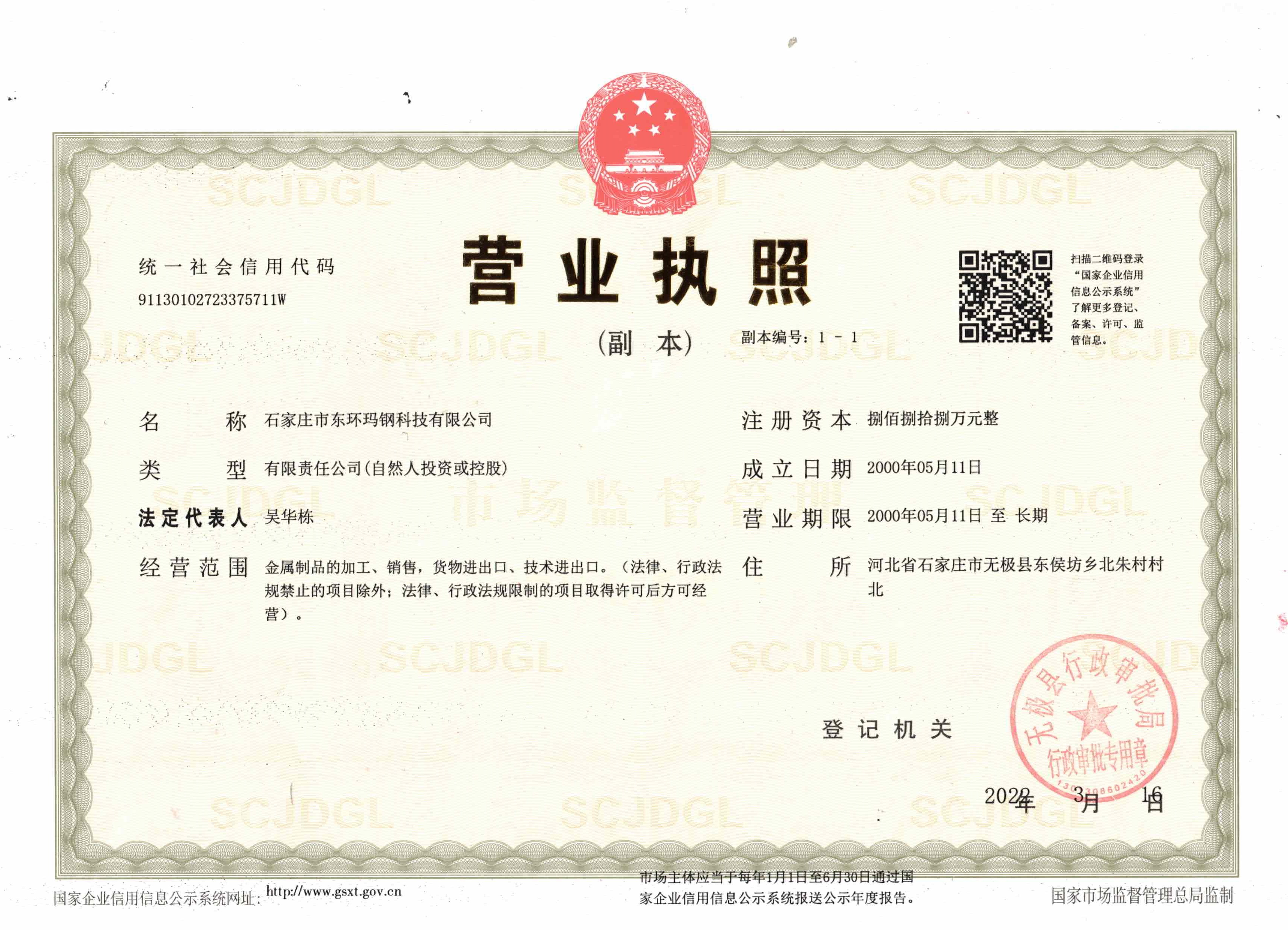
Shijiazhuang Donghuan malleable iron technology co.,ltd




How to Select the Right Stainless Weld Fittings for Your Industrial Needs
Release time:
2026-06-08
Author:
Choose the right stainless weld fittings for your industrial system by considering material grade, pressure, corrosion resistance, and compliance standards.

You need to think about a few important things when picking stainless weld fittings for your pipes. First, know what your system needs and how your pipes are set up. Think about corrosion resistance if your pipes will be in rough places or near chemicals. Make sure the fittings can handle the pressure and heat in your pipes. Pick the right material grade for your stainless steel pipe fittings so they last long and work well together. Always make sure the fittings follow industry rules to keep things safe and working for a long time.
Corrosion resistance keeps pipes safe in hard places.
What you use it for, where it is, and your budget matter.
Picking the right fittings makes things safer and last longer.
Stainless Weld Fittings Overview
What Are Stainless Weld Fittings
Stainless weld fittings help connect pipes in many factories. They are made from special metals that do not rust, like 304 or 316L stainless steel. These fittings make strong joints that stay together and do not break easily. They can handle high pressure, hot temperatures, and strong chemicals. You see them used in places where safety and cleanliness are important, such as food factories, medicine companies, and chemical plants.
Here are the main types of stainless weld fittings you might find in pipe systems:
These fittings have ends that are made very carefully. This helps them fit tightly and makes the weld strong. The pipe and fitting become one piece that does not leak. Welded joints do not have spaces where dirt or germs can hide. This makes them good for clean places.
Stainless weld fittings are made for systems that need to last a long time.
They help you build pipe networks that do not break and need less fixing.
Importance of Selection
Picking the right stainless weld fittings keeps your pipes safe and strong. You must choose fittings that match your job, pressure, and heat needs. Stainless steel pipe fittings, like 304 and 316, do not rust easily. Grade 316 is best for places near the sea or with chemicals. It gives extra safety and makes your pipes last longer.
Stainless steel fittings do not rust, even in wet or chemical places.
They last a long time and do not need much fixing, which saves money.
They are strong and can handle high pressure, keeping your pipes safe.
“If you pick the wrong fitting, your project can be delayed, unsafe, and cost more. If you pick the right fitting, your system works well, is easy to fix, and follows the rules.”
When you pick the right fittings, you stop leaks and big problems. You also make sure your pipes follow the rules and work well for a long time.
Types of Stainless Weld Fittings

Butt Weld Fittings
Butt weld fittings join pipes by welding their ends. These fittings are used for bigger pipes, usually two inches or more. They make the inside of the pipe smooth. This helps liquids move easily without getting stuck. You can find butt weld fittings in water plants and power stations. These fittings are good for systems that need strong, leak-free joints.
High-Pressure Applications
Butt weld fittings are best for high-pressure process lines. They are used in industries like petrochemical and pharmaceutical. The weld goes all the way through, making it very strong. This lowers the chance of leaks. These fittings also need less cleaning because dirt and germs do not get trapped.
Temperature Resistance
Butt weld fittings work well in hot places. The welded joints do not get tired or break from heat. You can use these fittings when the temperature changes a lot. The strong welds help pipes last longer, even when things get tough.
Tip: You need skilled welders for butt weld fittings. This keeps the joints strong and safe.
Socket Weld Fittings
Socket weld fittings go over the end of a pipe. You weld around the outside to make a tight joint. These fittings are best for small pipes, from half an inch to four inches. You often use socket weld fittings in high-pressure chemical lines.
Dimension and Pressure Specs
Socket weld fittings are easier to put in than butt weld fittings. They do not need as much skill to weld. You can use them for high-pressure systems, but not for pipes with strong chemicals. Their shape can trap liquid, which may cause crevice corrosion. You should check these fittings more often.
Socket weld fittings cost more for each piece but save on work.
Do not use them for fluids that can cause corrosion.
Threaded Fittings
Threaded fittings join pipes by screwing them together. These fittings are used for low-pressure jobs and pipes you might move. They are easy to put in and take out. You do not need special tools or welding skills.
Low-Pressure Uses
Threaded fittings are best for pipes with low pressure and low heat. You see them in places where pipes are changed a lot. They are not good for high-pressure or hot systems.
Note: Threaded fittings can leak if not put in right. Always make sure they are tight and use thread sealant.
You should pick the fitting type that matches your system. This keeps your pipes safe, reliable, and working for a long time.
Sanitary and Specialty Fittings
Sanitary and specialty stainless weld fittings are very important in places that need to be very clean and safe. You use these fittings where it is important to stop germs and dirt. The smooth surfaces and careful welds make cleaning easy and fast.
You see sanitary fittings in:
Food and drink factories
Medicine factories
Chemical plants
Energy systems
These fittings do not mix with food or liquids. You can wash them well and quickly. There are no cracks or rough spots, so germs cannot hide. This keeps your products safe and your work area clean.
Specialty fittings are made for special jobs. Sometimes you need fittings that can handle very hot or very cold temperatures. The petrochemical industry uses these fittings in hard places. You pick these fittings when your pipes face strong chemicals or quick temperature changes.
Sanitary fittings give you:
Very clean surfaces
Protection from rust
Easy to wash
Less chance of germs
Specialty fittings give you:
Strength for pipes with high pressure
Last a long time in tough places
Work with special liquids
Industry Standards
You have to follow strict rules when picking sanitary and specialty fittings. These rules make sure your system is safe and works well. They also help you follow the law and do your job right.
Some common rules are:
Tip: Always make sure your fittings follow the right rules. This keeps your system safe and helps you pass checks.
You should look for proof and records. Proof shows your fittings follow the rules. Records let you know where each fitting came from and where it goes. This helps you trust your system.
Sanitary and specialty fittings help you build systems that are safe, clean, and work well. You keep your work running smoothly and protect your products from germs.
Material Selection for Stainless Steel Pipe Fittings
Picking the right material for your stainless weld fittings is very important. It helps your pipes stay safe and last a long time. You need to know how each grade of stainless steel pipe fittings works in your area. The most common grades are 304/L and 316/L. Each grade has special strengths. These affect how well they fight corrosion, how strong they are, and how much they cost.
Grade Comparison (304/L vs 316/L)
Corrosion Resistance
Corrosion resistance is why you choose stainless steel pipe fittings. The right grade keeps your pipes safe from rust and damage. Grades 304/L and 316/L both fight corrosion, but they work best in different places.
304/L is good for most indoor and outdoor jobs. It can handle water, air, and mild chemicals.
316/L protects better in tough spots. It stands up to saltwater, strong chemicals, and high chloride levels.
You can see the differences in the table below:
Different grades fight corrosion in different ways. In places near the sea or with chemicals, 316/L is best. In easier places, 304/L saves money and still lasts a long time.
Strength and Durability
You want your fittings to be strong and last under pressure. Both 304/L and 316/L are strong, but 316/L is better in hard conditions.
316/L stays strong when it gets hot. It also resists cracking and pitting from chemicals.
304/L works well for most pipe jobs. It is strong and easy to weld or shape.
Stainless steel flanges and fittings made from these grades are used in many industries. You see them in food factories, chemical plants, and water systems. The 300 series, which includes 304 and 316, is popular because it is strong, fights corrosion, and is easy to use.
Tip: Always pick the grade that fits your area. This helps you stop early problems and expensive repairs.
Choosing the Right Grade
Application Matching
You need to match the grade of your stainless steel pipe fittings to your job. Think about where you will use them and what they will face each day.
Corrosion Resistance: Check if your pipes face salt, chemicals, or wet air. Use 316/L for sea or chemical places. Use 304/L for easier jobs.
Mechanical Properties: Look at how strong and hard you need your fittings. Both grades work for most jobs, but 316/L is better for high stress or heat.
Physical Properties: Think about weight and if you need parts that are not magnetic.
Fabrication: Pick a grade that is easy to weld or shape for your pipes.
Final Component Cost: Balance the price with how long the fittings will last. Sometimes paying more for 316/L saves money later.
The 300 series stainless steel, including 304 and 316, is used the most. These grades work well in many industries, like food, medicine, chemical, and water treatment.
You see stainless steel flanges and fittings where cleanliness and strength matter most.
Many people use these fittings in factories, homes, and businesses.
Note: Grades like 1Cr13 and 1Cr17 are good for less harsh places. In sea or high-chloride areas, only grades with molybdenum, like 316/L, can stop pitting and rust.
When you plan your pipe system, always start with picking the right material. Choose the grade that fits your area, pressure, and cleaning needs. This keeps your stainless weld fittings strong, safe, and reliable for a long time.
Application Factors in Selecting the Right Fittings

When you pick fittings for your pipes, you need to think about a few things. You should know how your system will work, what it will carry, and where it will be. Every job is different, so you need to pick the right stainless steel pipe fittings and stainless steel flanges for each one.
Pressure and Temperature Requirements
You must make sure your fittings can handle the pressure and heat in your system. If you use fittings that are not strong enough, they might leak or break. Always check the pressure rating for both the pipe and the fitting. For example, a 4-inch schedule 40 pipe can hold 1102 psi at 100°F. At 400°F, it can only hold 1023 psi. When it gets hotter, the pipe cannot hold as much pressure. So, you need fittings that can handle the highest heat and pressure your system will have.
Pick fittings with ratings as high or higher than your pipes.
Think about how heat can lower the pressure rating.
Use pressure-rated pipes and fittings to keep things safe.
Tip: Never go over the pressure or heat limits for your fittings. This keeps your system strong and safe.
Corrosive and Hygienic Environments
It is important to stop rust in many jobs. If your pipes face chemicals, saltwater, or lots of cleaning, you need fittings that do not rust or pit. Stainless steel grades like 304/304L are good for easy jobs. For chemical plants or near the sea, 316/316L is better because it fights rust more. If it gets very hot, 321 grade works well.
Stainless steel does not let germs grow on it. This makes it great for food, medicine, and clean pipe systems. You can wash and clean these fittings easily. This helps you follow the rules for clean places.
Stainless steel flanges and fittings last longer than brass or mild steel.
You do not need to fix or change them as much.
These fittings help keep your products clean and your pipes safe.
Note: Always check for rules like NSF, FDA, or ASME when you pick fittings for clean or tough places.
Piping Design Complexity
If your pipe system is tricky, you need to pick fittings carefully. You must use the right type and size for your design. If you use the wrong one, you might get leaks or weak spots. Stainless steel flanges come in many shapes and sizes for different jobs. You can use elbows, tees, reducers, and couplings to go around things or fit in small spaces.
Pick fittings that fit your pipe size and how much flows through.
Use good fittings so they do not break or have problems.
Make sure all your fittings work with your other parts.
Callout: Plan your pipe system before you buy fittings. This helps you not make mistakes and keeps your system working well.
You always need to think about pressure, heat, where your pipes are, and your design when you pick fittings. This keeps your pipes safe, clean, and working for a long time.
Joining Methods and Compatibility
Welding Techniques
There are different ways to join stainless steel fittings. Each welding method has its own good points. These methods help make strong joints that do not leak. The main welding types are TIG, MIG, and stick welding. You can see what each one does in the table below:
TIG welding makes joints that do not leak. It is best for important spots. MIG welding is quick and good for big pipe jobs. Stick welding is strong and works well in hard places. You should try to weld all the way through the joint. This stops leaks and keeps your pipes safe.
Tip: Pick the welding type that fits your job and how clean it needs to be. TIG is best for clean fittings. MIG and stick are good for most pipes.
TIG, MIG, Orbital
TIG welding uses a tungsten rod and makes neat welds. MIG welding uses a wire and is fast for many fittings. Orbital welding is done by a machine. It gives the same weld every time for big jobs. Use orbital welding when you need many strong welds that look the same.
TIG: Best for clean, rust-proof joints.
MIG: Fast and works for many pipe sizes.
Orbital: Machine-made, good for lots of welds.
Fitting and Piping Compatibility
You need to make sure your fittings and pipes match. If you mix different metals or grades, problems can happen. The table below shows what can go wrong and why:
Always use the same grade for your fittings and pipes. This keeps your joints strong and helps your system last longer. Weld all the way through to stop weak spots and leaks.
Note: Do not mix stainless steel with carbon steel or other metals. This helps stop rust and keeps your pipes strong.
Inspection and Testing
You must check and test your fittings before you put them in. Follow these steps to make sure your joints are strong and do not leak:
Make sure the pipe and fitting line up right.
Check the gap with a gauge so the weld goes all the way through.
Put small welds to hold the joint in place.
Weld in the right order if you need more than one pass.
Clean the joint after each weld to get rid of dirt.
Clean and treat the weld area to stop rust.
Look for problems and use special tests if needed.
Callout: Careful checking and testing help you stop leaks and keep your pipes working well.
Always do these steps to keep your joints strong and your pipes leak-free.
Standards and Compliance
Industry Codes (ASME, ASTM, ISO)
You must follow rules when picking stainless weld fittings. These rules are called industry standards. They help keep your system safe and working well. Each standard talks about a different part of the job. Some talk about what metal to use. Others talk about how to weld the fittings. You can learn more on the ASME official site, ASTM official site, and ISO official site.
Here is a table with important standards for stainless weld fittings:
These standards help you make sure your fittings are good enough. They help your pipes last longer and work safely. Always check the rules before you buy or put in fittings.
Tip: If you follow the rules, your pipes are safer and you pass checks.
Certification and Traceability
Certification and traceability are important for your fittings. You need papers that show what the fitting is made of. These papers also show how strong it is and if it is the right size. These records help you know your fittings are safe and good quality.
Look for these things when you buy fittings:
Application Suitability: Make sure the fitting is made the right way for your job.
Material Traceability: You should be able to track each fitting back to where it came from.
Quality Control: Good companies use strict checks to make sure fittings are strong and safe.
Certification helps you stop mistakes and keeps your pipes safe. Traceability helps you find and fix problems fast. Certified fittings help your system work well for a long time.
Note: Always keep your records for every fitting. This helps you show you followed the rules and keeps your pipes working right.
Selection Checklist and Tips
Step-by-Step Selection
A checklist can help you pick the right fittings. It makes sure you do not forget anything important for your pipes.
Find out what fitting you need. Do you need elbows, tees, reducers, couplings, or flanges? Check if you need to follow rules like ASME B16.9 or B16.11.
Pick the material grade. Choose 304, 316, 316L, or duplex. Think about how much strength and corrosion resistance you need.
Make sure you know the size and schedule. Write down the pipe size and wall thickness.
Decide how the ends should look. Pick beveled, plain, threaded, or socket-weld ends.
Choose the surface finish. You can pick brushed, polished, or passivated. This helps with cleanliness or stopping rust.
Ask for testing if needed. You might need hydrostatic, PMI, or non-destructive tests.
Make sure the fittings are marked. They should show the grade, size, standard, and heat number.
Pick good packaging. Use packaging that keeps the fittings safe during shipping.
Make sure the fittings are clean. They should not have oil, grease, or dirt. This is very important for food or medicine pipes.
Tip: Go through every step before you order. This helps you get the right fittings and keeps your system safe.
Common Mistakes
People sometimes make mistakes when picking fittings. You can stop these problems by being careful.
Tightening too much or too little. If you tighten too much, fittings can crack. If you do not tighten enough, they can leak. First, tighten by hand. Then use a wrench for one or two turns. Always check the torque values from your supplier.
Using metals that do not match. If you join stainless steel to galvanized steel or copper, it can cause rust. Always check if the metals work well together.
Not cleaning the threads. Dirty threads can stop the seal from working. Wipe the threads with a rag before you put them together.
Using damaged fittings again. Fittings with scratches, dents, or worn threads will not seal. Do not reuse damaged fittings.
Using the wrong tools. The wrong wrench can hurt the fittings. Use the right size wrench for a good seal.
Using too much sealant. Too much sealant can block the pipe. Use a PTFE-based sealant for stainless steel. Only use a little bit.
“You should always tighten fittings using the torque values your supplier gives you.”
If you avoid these mistakes, you can stop leaks and save money on repairs.
Expert Consultation
Some pipe jobs are hard and need special help. Talking to an expert can help you pick the best fittings. Experts can look at your job, tell you what grades and specs you need, and make sure your fittings follow all the rules. This makes your system safer and more reliable.
Callout: If you are not sure about the material, tests, or rules, ask an expert. Their help can save you time and stop mistakes.
When you get help from a pro, you feel better about your choices and lower your risks.
You make your system stronger when you pick stainless weld fittings carefully. Good fittings last a long time and do not rust. They can handle changes in pressure without breaking. If you choose the right fittings, you will not need to fix them as much. This saves money and helps your pipes work longer, as shown below:
Keep learning about new rules and ask experts for advice. This helps your system stay safe and work well.
FAQ
What is the difference between 304 and 316 stainless steel fittings?
304 works well for most jobs.
316 resists salt and chemicals better.
Choose 316 for harsh or marine environments.
How do I know which fitting type to use?
Check your system’s pressure and temperature.
Use butt weld for high pressure.
Use socket weld for small pipes.
Use threaded for low pressure or temporary lines.
Can I mix different grades of stainless steel in one system?
Mixing grades can cause rust or weak spots. Always match the grade of your fittings and pipes for best results.
How do I prevent leaks in welded fittings?
Hire skilled welders.
Clean all surfaces before welding.
Inspect welds for cracks or gaps.
What standards should my fittings meet?
How often should I inspect stainless weld fittings?
You should inspect fittings at least once a year. Check more often in harsh or high-pressure environments.
Are stainless weld fittings safe for food and medicine systems?
Yes. Stainless weld fittings have smooth surfaces. They do not trap germs. You can clean them easily.
What tools do I need to install stainless weld fittings?
Welding machine (TIG, MIG, or stick)
Pipe cutter
Measuring tape
Safety gear
Keywords:
stainless weld fittings
Recommended Reading
Leave your problems to us
If you need a solution, you can write your question and contact information in the message form, we will contact you as soon as possible after receiving it.
North of beizhu village, donghoufang township, wuji county, shijiazhuang, hebei, China
Postal Code:052400

Mob web

Tiktok