Shijiazhuang Donghuan malleable iron technology co.,ltd




Stainless steel compression fittings trusted by professionals
Release time:
2026-06-08
Author:
Stainless steel compression fitting options trusted by pros for leak-free, corrosion-resistant, and high-pressure connections in home and industrial systems.

Long-term reliability is essential for any connection. For stainless steel compression fittings, professionals choose Donghuan Malleable Iron Technology. Our fittings withstand high pressure and aggressive chemicals, making them suitable for both residential and industrial applications. Trusted by plumbers and engineers, they provide superior leak prevention. In demanding environments, our stainless steel compression fittings deliver consistent performance — even when plastic or brass fittings fail. Choose Donghuan Malleable Iron Technology for safety, strength, and lasting value.
Top steel pipe compression fittings for home and industry

Comparison of leading stainless steel fittings
You want the best steel pipe compression fittings for your project. These fittings give you strong, leak-free connections. You can use them in homes, factories, or anywhere you need reliable pipe work. Many plumbers and engineers trust these fittings for their quality and long life. Here are the most recommended options:
Stainless steel compression fittings offer top strength and corrosion resistance.
You can use these fittings for high-pressure pipe jobs, like fire sprinkler systems or industrial machines.
Plumbers pick these fittings for their reliability and long lifespan, even in harsh pipe environments.
You see many types of stainless steel fittings. The most common are 304 and 316 grades. Both work well for most pipe jobs. 316 stainless steel fittings give you extra corrosion resistance. You want these for chemical plants or saltwater pipe systems. 304 stainless steel fittings work well for home pipe repairs and general industry use.
You also find union crosses, elbows, and ferrule sets. These fittings help you connect pipes at different angles or join multiple pipes. You can trust these fittings to keep your pipe system leak-free.
Overview of Parker, Horiznext, and other trusted brands
You see Parker and Horiznext as top suppliers for steel pipe compression fittings. These brands offer high-quality stainless steel fittings that meet strict industry standards. You get a wide range of sizes and types for every pipe job. Many suppliers carry both 304 and 316 stainless steel fittings, so you can pick what fits your needs.
Here’s a quick look at pressure ratings for common sizes and materials:

You notice that 316 stainless steel fittings handle high pressure. Duplex 2507 fittings give you even more strength for tough pipe jobs. You want to match the fitting size and material to your pipe system’s pressure needs.
Tip: Always check the pressure rating before you pick a fitting. This keeps your pipe system safe and leak-free.
You find that top steel pipe compression fittings from trusted suppliers give you peace of mind. You get quality, durability, and the right fit for every pipe job.
In-depth reviews of stainless steel compression fittings
Parker stainless steel compression fitting review
Features and specifications
Parker stainless steel compression fittings are made with tight measurements. They use high-grade stainless steel. You can see clear markings for material tracking. Each fitting follows ISO rules for size accuracy. Sizes range from 1/16 inch to 2 inches. Smaller sizes can handle up to 6,600 PSI. The surface is smooth, which helps stop leaks.
Professional feedback
Plumbers and engineers trust Parker compression fittings because they work well. You see fewer leaks when you install them. Technical support teams help with sizing and fitting questions. You get help for hard pipe jobs. Professionals say Parker fittings do well in high-pressure and tough environments.
Note: Size accuracy and smooth surfaces are important for leak-free pipes. Always check certifications before buying.
Pros and cons
Pros:
Stops leaks well
Many sizes to choose from
Strong technical support
Cons:
Costs more than basic fittings
Not easy to find everywhere
Horiznext 304 compression fitting review
Features and specifications
Horiznext 304 compression fittings use standard stainless steel. You can find sizes for homes and light industry. Common sizes can handle up to 4,900 PSI. Each fitting has clear grade markings. The surface is good, but not as shiny as top fittings. You get ferrule sets, elbows, and union crosses.
Professional feedback
Horiznext compression fittings are easy to put in. Plumbers use them for home repairs and simple pipe jobs. You get good sealing for jobs with medium pressure. Technical support is there, but not as strong as top brands. Professionals say these fittings last in normal conditions.
Tip: Pick 304 compression fittings for home and general industry jobs. They are a good deal and last well.
Pros and cons
Pros:
Low price
Easy to install
Works for homes and light industry
Cons:
Not as strong against corrosion as 316 fittings
Not good for tough chemical jobs
316 stainless steel compression tube fittings
Features and specifications
316 stainless steel compression tube fittings are for tough jobs. These fittings resist damage from chemicals and saltwater. They can handle up to 10,000 PSI. They work in temperatures up to 870°C. Each fitting has clear grade markings and follows ISO rules. The surface is high-quality for leak-free use.
Performance in extreme conditions
You use 316 compression fittings in chemical plants and marine systems. These fittings handle high pressure and heat. You see fewer problems in tough places. Professionals say they seal well and last a long time.
Callout: Good material and careful making are important. Problems often come from bad measurements. Always check for ISO certifications.
Pros and cons
Pros:
Great resistance to corrosion
Handles high pressure and heat
Works well in tough conditions
Cons:
Costs more
May need special tools to install
Common types: union crosses, elbows, ferrule sets
Application scenarios
You see compression fittings in many pipe systems. Union crosses let you join four pipes at one point. You use these when you need to split or combine flows. Elbows help you change the direction of your pipes. You often need them in tight spaces or when your layout turns corners. Ferrule sets seal the connection between the pipe and the fitting. You use ferrule sets every time you install compression fittings.
Here are some common uses for these compression fittings:
Union crosses: Used in water supply grids, lab setups, and industrial lines where you need to branch pipes.
Elbows: Found in home plumbing, HVAC systems, and machinery where pipes must turn.
Ferrule sets: Essential for every compression fitting, making sure the seal stays tight.
Tip: Always match the type of compression fitting to your system’s needs. The right choice keeps your setup simple and safe.
Durability and leak resistance
You want your compression fittings to last. Stainless steel compression fittings stand up to pressure, heat, and chemicals. Union crosses and elbows keep their shape even after years of use. Ferrule sets create a strong seal that stops leaks. You can trust these fittings in both home and industrial settings.
Compression fittings resist vibration and movement. You do not have to worry about leaks, even if your pipes shake or shift. The design of each compression fitting helps prevent wear and tear. You get a long service life with less maintenance.
Stainless steel compression fittings do not rust or corrode easily.
Ferrule sets keep the seal tight, even if you take the fitting apart and put it back together.
Elbows and union crosses hold up under high pressure and frequent use.
Note: Always check your compression fittings for signs of wear. Replace ferrule sets if you see damage. This keeps your system leak-free.
Why professionals trust stainless steel compression fittings
Durability and corrosion resistance
You want your compression connections to last. Stainless steel compression fittings give you unmatched durability. These fittings stand up to tough jobs and keep working year after year. You do not have to worry about rust or weak spots. Stainless steel is corrosion resistant, so it keeps its strength even in places with bad water or harsh chemicals.
Stainless steel fittings do not have zinc, so you avoid problems like dezincification that weaken brass.
The corrosion resistance of stainless steel is much higher than brass or plastic. You get a longer life for your compression connections.
Stainless steel gives you better flow rates and more strength than other materials.
You can trust these fittings for leak-free plumbing in any setting. The exceptional corrosion resistance means you do not have to replace them often. You save time and money on repairs.
Leak-proof performance in steel pipe compression fittings
You want a tight seal every time you install a compression fitting. Stainless steel compression fittings deliver a strong seal that keeps your system leak-free. Lab tests show these fittings hold up under pressure. You get a reliable seal, even when the system faces high pressure or vibration.
These numbers show you get a tight seal with almost no leaks. Some compression fittings can handle up to 20,000 psig and even burst pressures up to 60,000 psig without leaks or loosening. You can count on leak resistance for every job. The strong seal keeps your plumbing safe and dry.
Tip: Always check your compression fittings for a tight seal after installation. This step helps you keep leak-free plumbing.
High-pressure and harsh environment suitability
You need compression fittings that work in high-pressure and harsh environments. Stainless steel compression fittings meet this need. They keep a strong seal, even when the system faces high pressure or extreme temperatures.
High or low temperatures do not weaken these fittings. The material stays strong and keeps the seal tight.
The wall thickness of stainless steel compression fittings lets them handle more high pressure.
The corrosion resistance stays high, even in tough places like chemical plants or marine systems.
You get a strong seal that stands up to vibration, movement, and pressure spikes. The leak resistance does not fade, even after years of use. You can trust these compression fittings for leak-free plumbing in the harshest conditions.
Note: Pick compression fittings with the right wall thickness and grade for your high-pressure job. This choice keeps your seal strong and your system safe.
Compliance with industry standards
You want your pipe system to work safely and last a long time. Industry standards help you get there. These standards set the rules for how fittings should perform. When you choose stainless steel compression fittings that meet these standards, you know you are getting quality.
Why do standards matter?
Standards make sure fittings fit right and seal tight.
They test for strength, pressure, and leak resistance.
You get peace of mind knowing your system meets safety rules.
Most stainless steel compression fittings follow strict guidelines. These include rules for size, pressure rating, and material quality. You often see standards like ASTM, ASME, and ISO. These groups check that fittings can handle real-world jobs.
Tip: Always look for fittings with clear markings. These show the fitting meets the right standards.
What do these standards cover?
Pressure ratings: Fittings must handle high pressure without leaks.
Material quality: Stainless steel must resist corrosion and keep its strength.
Size accuracy: Fittings must match pipe sizes for a tight seal.
Temperature range: Fittings must work in both hot and cold systems.
You want fittings that pass all these tests. This means your system stays safe, even in tough spots. If a fitting does not meet standards, you risk leaks or even system failure.
How do you check for compliance?
Look for grade markings on each fitting.
Check the product paperwork for listed standards.
Ask your supplier for test reports if you need proof.
Fittings that meet standards also help you pass inspections. Many building codes require fittings that follow these rules. You save time and avoid problems by choosing the right parts from the start.
Note: Corrosion resistance is a key part of most standards. If a fitting cannot resist corrosion, it will not pass the tests.
You get more than just safety. Standard-compliant fittings often last longer and need less maintenance. You spend less time worrying about leaks or repairs. Your system runs smoother, and you avoid costly downtime.
Quick checklist for compliance:
Grade and size markings visible
Pressure and temperature ratings listed
Corrosion resistance confirmed
Meets ASTM, ASME, or ISO standards
Choosing fittings that meet industry standards keeps your system safe, strong, and reliable.
Stainless steel compression fitting installation and selection

Installation steps for stainless steel fittings
You want your pipes to not leak. Follow these simple steps to install the fitting right:
Put the nut and sleeve on the tube. The thread should point out.
Push the tube into the compression fitting. Stop when it cannot go further.
Screw the nut onto the fitting by hand.
Use a wrench to tighten more. Turn it as many times as the instructions say.
Do not make it too tight. This keeps the sleeve in good shape and the seal strong.
To take it apart, loosen the nut. Put it back together the same way.
Tip: Always look at the instructions for how many turns to use with the wrench. This helps you install it right and stops leaks.
These steps make installing easy. If you get ready and work carefully, your connection will be strong. For more help, check the ASME B31.3 Process Piping Guide or ISO 8434-1:2022.
Choosing the right fitting for your application
Pick the best compression fitting for your job. Match what the fitting does to what you need. Stainless steel works in lots of places. Here is a quick chart:
Pick high chemical resistance for factories.
Choose saltwater performance for jobs near the ocean.
Use high-pressure durability for big machines.
Go with low maintenance for plumbing and HVAC.
Note: Stainless steel compression fittings give you strong, leak-proof pipes without welding. You can use them in plumbing, HVAC, and chemical plants.
Sizing and compatibility tips
Get the right size for your fitting. Measure the outside of the pipe carefully. Read the instructions before you start. This helps you not make mistakes.
Make sure the pipe ends are straight and clean.
Push the pipe all the way into the fitting. This makes the seal tight.
Keep the pipe and fitting lined up. If they are crooked, it can leak.
Do not make the fitting too tight or too loose. Use the right amount of force.
Use the same metal for pipe and fitting unless the instructions say it is okay to mix.
Check and test for leaks after you finish. This finds any problems.
Callout: Checking size and ferrule direction early stops leaks and extra work. Always make sure everything fits before you start.
If you follow these tips, your fittings will be easy to put in and last a long time.
304 vs. 316 stainless steel: what to know
You might wonder which stainless steel grade fits your job best. Both 304 and 316 stainless steel work well for compression fittings, but they have key differences.
316 stainless steel has molybdenum. This makes it stronger and more resistant to corrosion than 304.
You want 316 for jobs with harsh chemicals, saltwater, or high pressure. It stands up to tough environments and lasts longer.
304 stainless steel costs less. It works well for home plumbing, HVAC, and general industry jobs where the environment is not too harsh.
304 is easier to weld and shape. You can use it for projects that need lots of custom work.
316 handles higher temperatures and stress. You see it in chemical plants, marine systems, and food processing.
Tip: If you need extra strength and corrosion resistance, pick 316. For everyday jobs and lower cost, 304 is a solid choice.
Here’s a quick look at when to use each:
Avoiding common installation mistakes
You want your compression fittings to last and stay leak-free. Small mistakes during installation can cause big problems later. Here’s how you can avoid the most common errors and keep your system reliable.
Always check for damage before you put parts back together.
Clean all surfaces so dirt does not cause leaks.
Push the tube in all the way. This step helps the seal stay strong.
Do not mix parts from different fittings. Each set works best with its own pieces.
Test for leaks after you finish. This step catches problems early.
Note: Careful installation keeps your fittings safe and leak-free for years.
Real-world feedback and expert opinions on steel pipe compression fittings
Insights from plumbers and engineers
Plumbers and engineers talk about compression fittings often. They say these fittings make strong seals, even if pipes shake. You can put in compression fittings fast. This saves time for workers. Experts like compression fittings for high-pressure jobs. They help stop leaks and fight corrosion. You see compression fittings in water, gas, and chemical pipes. Professionals trust them because they last long and are easy to care for.
Tip: Experts say you should check if the fitting lines up right before you tighten it. This helps stop leaks and makes your fitting last longer.
If you want more details, you can look at the American Society of Mechanical Engineers for rules about compression fitting performance.
User reviews and case studies
People share reviews about compression fittings in real jobs. Homeowners say compression fittings fix leaks in plumbing. You see them used in HVAC upgrades, and users like how fast they go in. In factories, workers say compression fittings handle pressure jumps without breaking. Case studies show compression fittings last for years with little care.
One person fixed a leaking pipe with a compression fitting and saved money.
Another person put compression fittings in a boat system and saw no rust after two years.
A factory worker changed old pipe parts to compression fittings and made the system work better.
Note: You can use compression fittings for easy or hard jobs. Reviews show they work well in many places.
Performance in demanding applications
You need compression fittings for tough places. Compression fittings work well in hot and cold spots and high-pressure systems. You see them in chemical plants because they resist strong fluids. Compression fittings also work in boats, fighting saltwater and shaking. You get steady results from compression fittings, even when things change.
Callout: Compression fittings help you feel safe in hard jobs. You can trust them to keep your pipes leak-free.
You see compression fittings used by workers and homeowners. Their good performance shows they are useful everywhere.
You want your pipes to work for a long time. Stainless steel compression fittings help stop leaks. They are strong and do not rust easily. These fittings can handle high pressure. Picking the right fitting is important. You need to match the material, pressure, and temperature. This helps your pipes last longer.
Do not rust or wear out fast
Make tight seals that stop leaks
Work well in tough places
If you choose the right fitting, you save money later.
Use expert advice and checklists to help you pick the best fitting for your project.
FAQ
How do you know which stainless steel grade to choose?
Pick 316 for tough jobs with chemicals or saltwater. Choose 304 for home or light industry. Look at your environment and pressure needs.
Can you reuse stainless steel compression fittings?
You can reuse them if the ferrule and tube are not damaged. Always inspect parts before reassembly. Replace worn pieces for a tight seal.
What tools do you need for installation?
You need a wrench and a marker. Clean the tube ends. Follow the instructions for tightening. Avoid over-tightening to keep the seal strong.
Do stainless steel compression fittings work for gas lines?
Yes, you can use them for gas lines. Check pressure ratings and local codes. Make sure the fitting matches the pipe size and material.
How do you prevent leaks after installation?
Push the tube all the way in. Tighten the nut as directed. Test for leaks with water or air. Replace damaged ferrules right away.
Are stainless steel compression fittings safe for drinking water?
Yes, stainless steel resists corrosion and does not add harmful chemicals. You can use these fittings for drinking water systems.
What is the maximum pressure these fittings can handle?
Some fittings handle up to 20,000 psi. Check the product label for exact ratings. Match the fitting to your system’s pressure.
Can you mix stainless steel fittings with other metals?
You should avoid mixing metals unless the instructions say it is safe. Mixing can cause corrosion or leaks. Stick to one material for best results.
Keywords:
Stainless steel compression fitting
Recommended Reading
Leave your problems to us
If you need a solution, you can write your question and contact information in the message form, we will contact you as soon as possible after receiving it.
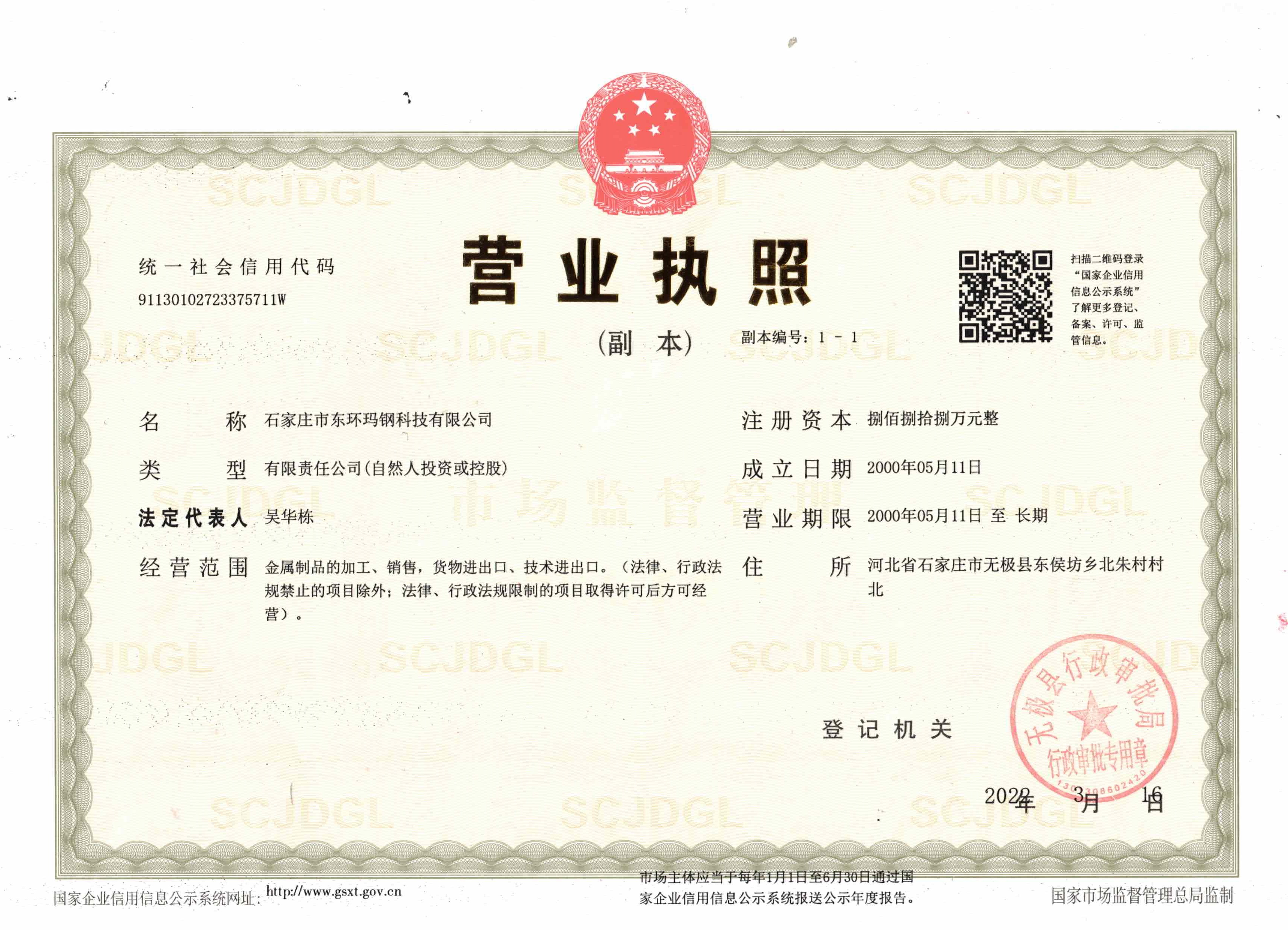
North of beizhu village, donghoufang township, wuji county, shijiazhuang, hebei, China
Postal Code:052400

Mob web

Tiktok