Shijiazhuang Donghuan malleable iron technology co.,ltd




What are Steel Compression Fittings and How Do They Work
Release time:
2026-06-05
Author:
Steel compression fittings join pipes without welding, using a ferrule and nut to create leak-proof, high-pressure connections in plumbing and industrial systems.

Steel compression fittings let you make strong connections. These connections do not leak in fluid or gas systems. You use these fittings where pressure is high, like gas lines or plumbing. The fittings have a ferrule that holds the pipe tight. This stops leaks from happening. Many homes, businesses, and factories use compression fittings for safety. In 2025, plumbing used 36.5% of all compression fittings sold. The industrial segment used the most at 42.7%. Steel compression fittings give you reliable and long-lasting results.
Steel Compression Fittings Overview

What Are Steel Compression Fittings
Steel compression fittings join pipes and tubes together. You do not need to weld or solder them. They make a strong seal that does not leak. These fittings work well when pressure and temperature are high. People trust them because they last a long time and work well.
Main Components
Steel compression fittings have three main parts:
Fitting body: This is the main piece. You put the pipe or tube inside it.
Compression nut: You twist this nut onto the fitting body. It squeezes the ferrule.
Ferrule (or olive): This ring pushes against the pipe. It makes a tight seal and stops leaks.
Tip: Always look at the ferrule before you use it. If the ferrule is damaged, it can leak.
Types of Fittings
Steel compression fittings come in different shapes and designs. Each one works best for certain jobs. The table below shows the main types:
You pick the type that fits your system’s pressure and movement needs.
Where Compression Fittings Are Used
Steel compression fittings are used in many places. You see them in plumbing, electrical, and factories.
Plumbing and Electrical
People use compression fittings in water and gas pipes. They keep the connections from leaking.
These fittings connect pipes to valves or fixtures. You do not need to weld or solder.
Compression fittings are also used in electrical systems. They hold wires in place and keep them safe.
Note: Compression fittings work well in high-pressure and very hot or cold places. You find them in hydraulic systems, gas pipes, and chemical plants.
Metal and Plastic Tubing
Steel compression fittings work with both metal and plastic tubes. This makes them useful in many jobs. The table below shows where they are used:
New ideas make steel compression fittings even better. New materials and coatings stop rust. Lighter fittings are easier to put in. Custom fittings made with 3D printing fit special jobs.
For more information, you can check Wikipedia’s Compression Fitting page or look at ASTM International’s engineering standards.
How Compression Fittings Work

Compression Mechanism
Steel compression fittings use a simple way to stop leaks. First, you slide the pipe into the fitting body. Then, you put the ferrule around the pipe. When you twist the compression nut, the ferrule gets squeezed. The ferrule sits between the nut and the fitting body. This makes the pipe grip tightly.
Creating a Leak-Proof Seal
You make a leak-proof seal by tightening the nut. The nut pushes the ferrule into the pipe. The ferrule bends a little and presses hard on the pipe and fitting body. This pressure blocks any space where fluid or gas could get out. Some fittings use two ferrules for extra safety. The front ferrule makes a seal with the outside of the pipe. The back ferrule holds the pipe and makes the seal stronger. This works well even if the system shakes or the pressure changes.
Each part is made to fit just right.
Strong materials help the seal last longer.
Role of the Ferrule
The ferrule is the most important part of the seal. You need it to make the seal tight and safe. When you tighten the nut, the ferrule bites into the pipe and fitting body. This locks the pipe in place and stops leaks. In a double ferrule system, the front ferrule makes the main seal. The back ferrule gives extra grip and keeps things steady. This design fights shaking and keeps the connection strong for a long time.
The front ferrule seals gas at the pipe’s surface.
The back ferrule holds the pipe and helps the seal work better.
Secure Connections at Corners
Sometimes pipes need to turn corners. Compression elbows help you do this without leaks. These fittings let you join pipes at sharp angles.
Compression elbows make turning pipes easy.
They keep the seal strong, even if the system shakes or pressure changes.
Plumbers like these fittings because they stop leaks and last long.
You can put them in fast without soldering.
They work with many pipe sizes and types.
Steel compression fittings give you strong connections, even at bends. Your system stays leak-free and tough, no matter how the pipes run.
Advantages of Steel Compression Fittings
Leak-Proof and Reliable
Steel compression fittings make strong seals that do not leak. Tightening the nut pushes the ferrule against the pipe and fitting body. This blocks fluid or gas from getting out. These fittings work well in systems with high pressure. They resist rust and heat, so they last longer. Many industries use them to keep systems safe and reliable.
Tip: Check the ferrule and pipe for damage before you install. This helps stop leaks and keeps your system safe.
No Welding or Soldering Needed
You do not need to weld or solder with compression fittings. This makes installation faster and easier. You save time because you do not need special tools or training. Labor costs are lower since anyone with basic skills can install them. No open flames are needed, so fire hazards and harmful fumes are avoided. This makes your work area safer and more comfortable.
You can reuse compression fittings if you need to change something. This flexibility saves money on projects that need adjustments.
Versatility and Durability
Steel compression fittings work in many places. You can use them where pressure is high, chemicals are strong, or temperatures are extreme. Their strength and durability make them a good choice for tough jobs.
Use with Metal or Plastic
Compression fittings connect metal and plastic tubing. This lets you use them in plumbing, chemical plants, and food processing. Different grades of stainless steel have special benefits. For example, 316 stainless steel resists rust in saltwater systems. Duplex grades are stronger for high-pressure lines.
Maintenance and Reusability
Steel compression fittings are easy to maintain and reuse. If you need to replace a pipe or change your system, just loosen the nut and remove the fitting. You do not need to cut or damage the pipe. This saves time and money during repairs or upgrades. Stainless steel fittings resist rust, so you spend less time on maintenance.
Stainless steel is strong and resists rust.
You can use these fittings in high-pressure and tough environments.
Brass fittings cost less but do not handle high pressure as well.
Steel compression fittings give you a flexible, safe, and long-lasting solution for many piping needs.
Installing Steel Compression Fittings
Preparation Steps
Before you start, gather your tools and safety gear. Wear safety glasses and sturdy gloves to protect your hands and eyes from sharp edges. Make sure your work area is clean. Have a bucket and towels ready to catch any water left in the pipe.
Cutting and Cleaning Tubing
Cut the pipe cleanly using a pipe cutter or fine-tooth saw. Make sure the cut is straight.
Remove any burrs or sharp edges with a deburring tool. This step helps the compression fitting seal well.
Wipe the pipe with a clean cloth to remove dust, oil, or debris.
Lubricate the compression nut thread. This reduces friction and makes tightening easier. It also helps prevent damage to the fitting or pipe.
Tip: Always check that the pipe matches the size and material required for your compression fittings.
Assembly and Tightening
Proper Tightening Techniques
Slide the compression nut onto the pipe, followed by the ferrule.
Insert the pipe fully into the fitting body. Make sure it sits straight and reaches the bottom.
Position the ferrule evenly around the pipe. Avoid gaps or misalignment.
Hand-tighten the nut until it feels snug. This step ensures the ferrule seats correctly.
Use a wrench to tighten the nut an extra quarter turn past hand-tight. Follow the manufacturer’s instructions for best results.
Note: Lubricating the nut thread helps you achieve a smooth compression fitting assembly.
Avoiding Over-Tightening
Do not over-tighten the nut. Too much force can crush the ferrule or damage the pipe. This may cause a leak instead of a leak tight seal. Use only the recommended amount of torque. If you feel strong resistance, stop tightening.
Testing for Leaks
After assembly, test the connection for leaks. You can use a simple soap and water solution. Brush it around the fitting and watch for bubbles. For critical systems, helium leak testing finds even the smallest leaks. This method uses helium gas and sensitive detectors. It checks for leaks as small as 1×10⁻⁹ atm·cm³/s. Always follow the testing method that matches your system’s needs.
Tip: If you find a leak, loosen the nut, check the ferrule and pipe, and repeat the assembly steps.
Compression fittings give you a reliable, leak-free connection when you follow these steps. Careful preparation and proper tightening keep your system safe and strong.
Troubleshooting and Maintenance
Fixing Leaks
Leaks can happen in compression fittings for many reasons. You can fix most leaks fast if you know what to check. Here are the main causes and ways to fix them:
Improper installation: Make sure you put the fitting together right. Always follow the instructions from the manufacturer.
Material compatibility issues: Use the correct pipe and fitting for your system.
Incorrect tightening techniques: Tighten the nut just enough. If you tighten too much or too little, leaks can happen.
Tip: Check your fittings often. Look for leaks after you install them and during regular maintenance.
If you see a leak, loosen the nut. Look at the ferrule and pipe. Put the fitting back together. Change any parts that are broken. Always test the fitting after you fix it.
When to Replace Parts
You should change parts of your compression fittings if you see signs of damage or failure. Watch for these warning signs:
Follow this checklist to know when to replace:
Look for leaks.
Check for rust or corrosion.
Look for broken or bent parts.
Watch for signs of wear.
Change any part that shows these signs. This keeps your system safe and working well.
Cleaning and Reusing Fittings
You can clean and reuse steel compression fittings if they are still in good shape. Follow these steps:
Take apart the fitting by loosening the nut and removing the ferrule.
Clean all parts with a cleaner to get rid of dirt and rust.
Lubricate the nut threads so they do not stick.
Check each part for damage. Change the ferrule or any broken piece.
Put the fitting back together by sliding the parts onto the pipe and tightening the nut.
Look at the fitting and test it for leaks.
Note: Compression fittings make a strong connection you can see. You can take them apart for maintenance or changes. Permanent fittings cannot do this. Plan to change them every 10 years for best results.
Compression fittings need more care than hydraulic tubing, which can last up to 30 years. Regular maintenance helps you stop leaks and keeps your system working smoothly.
Choosing the Right Compression Fitting
Size and Compatibility
You have to pick a fitting that fits your pipe. The size of the compression fitting is not always the same as the pipe’s outside size. Use this list to help you choose:
If you have a 1/4” copper pipe, use a 3/8” compression fitting.
If you have a 3/8” copper pipe, use a 1/2” compression fitting.
If you have a 1/2” copper pipe, use a 5/8” compression fitting.
If you have a 5/8” copper pipe, use a 3/4” compression fitting.
If you have a 3/4” copper pipe, use a 7/8” compression fitting.
If you have a 1” copper pipe, use a 1-1/8” compression fitting.
Look at what your pipe is made of before you buy. Some compression fittings work with both metal and plastic pipes. Some only fit one kind of pipe. Always read the label to make sure the fitting will work for your system.
Tip: Measure your pipe with care. Even a tiny mistake can make leaks or weak spots.
Pressure and Temperature Ratings
You need to know how much pressure and heat your system has. Compression fittings have limits for pressure and temperature. If you use a fitting that cannot handle your system, it might break. Check the highest pressure in psi and the hottest temperature in Fahrenheit or Celsius.
If your system has high pressure, pick a strong fitting.
If you use hot water or steam, get a fitting that can take heat.
If your system is cold, use a fitting that will not crack or leak.
Always look at the ratings before you put in a compression fitting. This keeps your system safe and working right.
Quality Considerations
You want your fittings to last and work well. Look for these things when you pick compression fittings:
Note: Certifications from groups like NSF International and ASTM International mean the fittings are safe and good quality.
Check the fitting for smooth threads and clean surfaces. Make sure there are no cracks. Good compression fittings help you stop leaks and save money on repairs.
Steel compression fittings help you join pipes quickly and safely. You do not need to weld or solder the pipes. These fittings work well with high pressure and heat. You can use them in gas lines, hydraulic machines, and chemical plants. Compression fittings make a tight seal and fit many pipe types.
Cut pipe ends straight and line them up before use.
Check compression joints often to find issues early.
Be gentle with fittings to stop leaks in your system.
If you want help, you can ask Donghuan malleable iron technology for advice about compression fittings.
FAQ
What tools do you need to install steel compression fittings?
You need a pipe cutter and a deburring tool. You also need an adjustable wrench and a clean cloth. Wear safety glasses and gloves to stay safe.
Can you reuse steel compression fittings?
Yes, you can reuse them if the ferrule and threads are not damaged. Always check each part before putting it back together. This helps make sure the seal works.
Do steel compression fittings work with both hot and cold water?
Yes, you can use them for hot water lines and cold water lines. Always look at the temperature rating on the fitting before you install it.
How tight should you make a compression fitting?
Hand-tighten the nut first. Then use a wrench to turn it a quarter more. If you tighten too much, you can break the ferrule or pipe.
What causes leaks in compression fittings?
Leaks happen if you do not tighten the fitting right. Damaged ferrules or dirty pipe ends can also cause leaks. Always clean and check parts before you put them together.
Can you use steel compression fittings outdoors?
Yes, you can use them outside. Pick stainless steel if you want better protection from rust in bad weather.
Are steel compression fittings safe for gas lines?
Yes, you can use them for gas lines if the fitting meets the right pressure and safety rules. Always follow local codes.
How do you check for leaks after installation?
Put soap and water on the fitting. Look for bubbles. If you see bubbles, tighten the fitting or change any broken parts.
Keywords:
Steel compression fittings
Recommended Reading
Leave your problems to us
If you need a solution, you can write your question and contact information in the message form, we will contact you as soon as possible after receiving it.
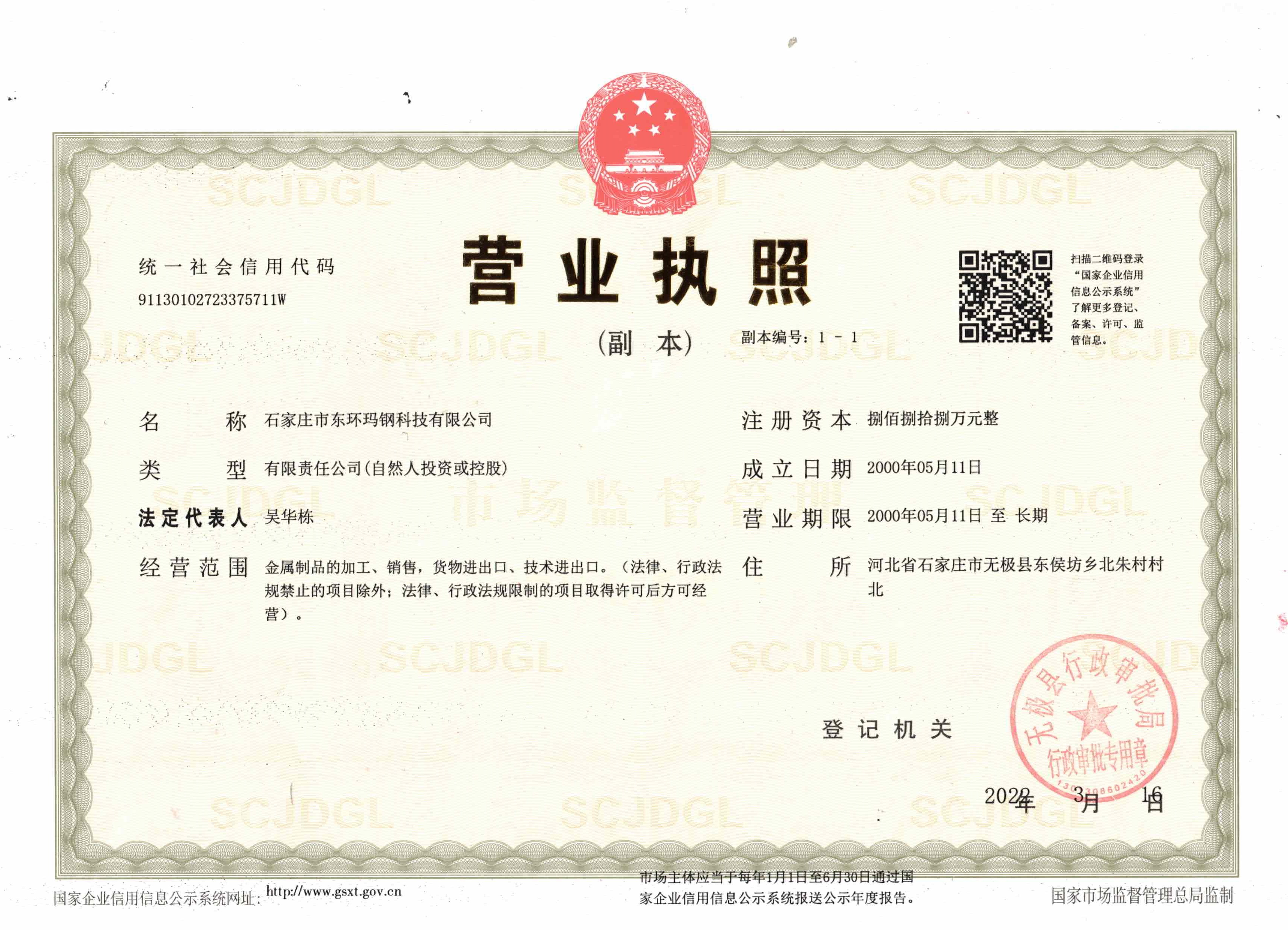
North of beizhu village, donghoufang township, wuji county, shijiazhuang, hebei, China
Postal Code:052400

Mob web

Tiktok