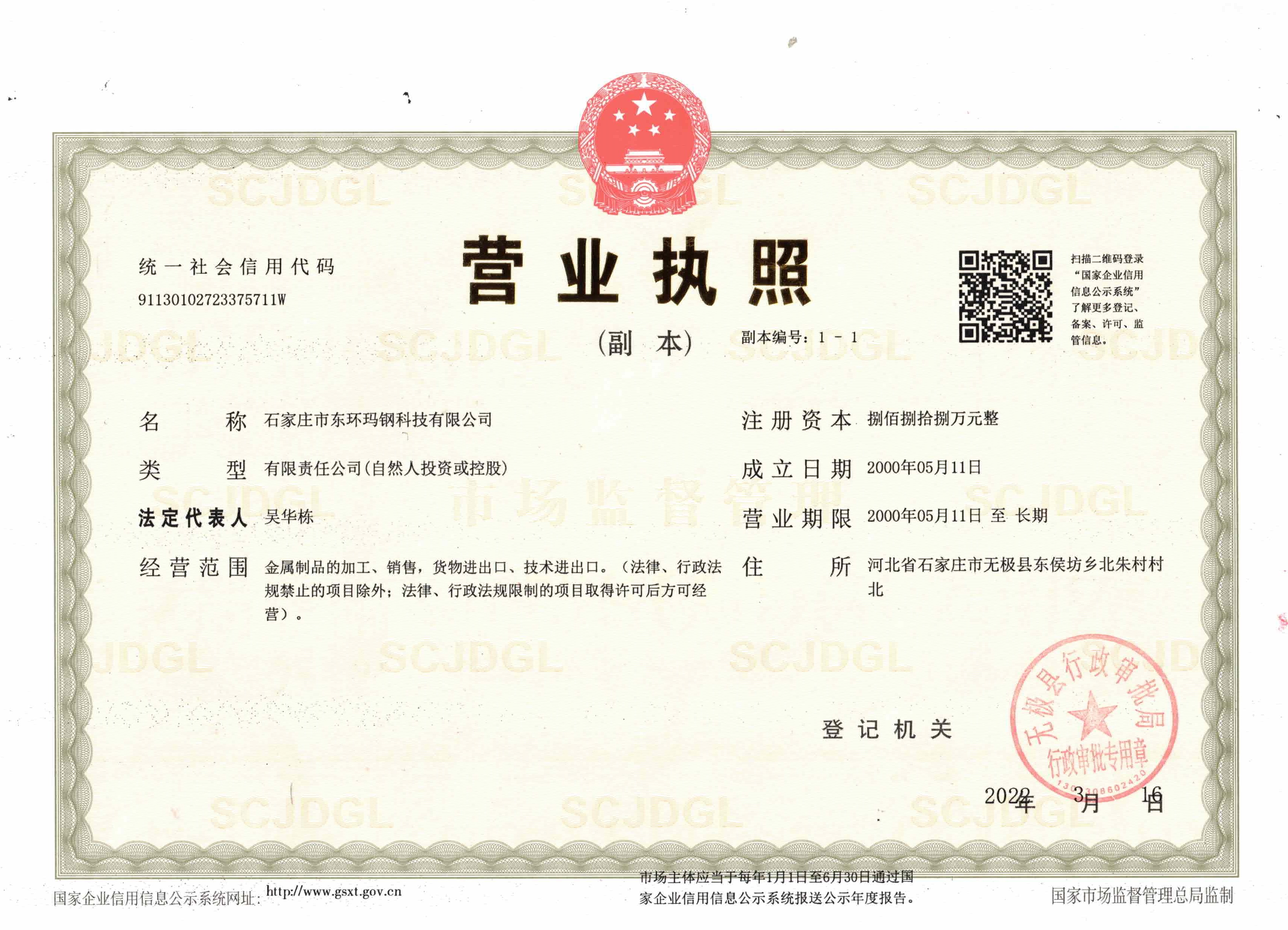
Shijiazhuang Donghuan malleable iron technology co.,ltd




Air Quick Connect Fittings Showdown: Brass, Steel, or Plastic
Release time:
2026-04-09
Author:
Compare air quick connect fittings: brass for rust resistance, steel for heavy-duty use, and plastic for light, budget jobs. Find the best fit for your needs.

Looking for the best air quick connect fittings? If you need durability, steel fittings handle rough use. For corrosion resistance, brass fittings work well in damp or outdoor spots. Plastic fittings offer a lightweight, budget-friendly option for lighter tasks.
Brass resists rust and seals tight.
Steel stands up to heavy-duty jobs.
Plastic keeps costs low and makes quick connect changes easy.
Think about your air hose fittings environment, how much you want to spend, and how often you connect or disconnect each fitting. This will help you find the right air quick connect fittings for your needs.
Brass Air Quick Connect Fittings

Brass Fittings Pros
Brass gives strong protection from rust, even in wet places.
These fittings seal tightly, so air does not leak out.
Brass can handle high pressure, so it works for many jobs.
You can connect and disconnect them fast, which saves time.
Brass fittings last a long time if you use them right.
Tip: Brass quick connect fittings are great if you want them to last and be easy to take care of.
Here’s a quick look at the main mechanical properties of brass air quick connect fittings:
Brass Fittings Cons
Brass fittings cost more than plastic ones.
In very wet or salty places, the nickel can come off and the brass can rust.
The elastomer seals inside can break down faster if there is a lot of water or temperature changes.
Best Uses for Brass
Use brass fittings for air tools in garages, workshops, or small factories.
They are good for air lines that you connect and disconnect a lot.
Pick brass if you want strength, rust protection, and long life.
These fittings are best where you need a good seal and some moisture is around.
Brass air quick connect fittings are tough and work well. You can trust them for most shop and factory air systems.
Steel Quick Couplers

Steel Couplers Pros
Steel quick couplers give you top strength and durability. You can count on these fittings when your air tools face tough jobs. Stainless steel resists corrosion, so you can use these couplers in wet or dirty places. Ductile iron also offers high durability under stress. Steel fittings keep their seal tight, even when you use them often.
Here’s a quick look at how steel compares to ductile iron:
Steel air line couplers handle high pressure.
You get long-lasting performance with steel fittings.
Stainless steel couplers work well in harsh environments.
Tip: If you need a coupler that stands up to heavy use, steel is a solid choice.
Steel Couplers Cons
Steel fittings weigh more than brass or plastic.
You may pay more for steel couplers because of their strength.
If you use regular steel, it can rust unless you pick stainless steel.
Steel fittings can be harder to connect and disconnect compared to plastic.
You might need extra care to keep steel air fittings clean and rust-free.
Best Uses for Steel
Steel quick couplers shine in high-pressure air systems. You can use them in factories, construction sites, or anywhere you need reliable air line couplers. Stainless steel fittings handle up to 5000 PSI and offer excellent corrosion resistance. Brass also handles high pressure, but steel gives you extra toughness.
Choose steel air fittings for heavy-duty tools and rough environments.
Steel couplers work best when you need a strong, reliable seal.
You get peace of mind with steel in demanding air applications.
Plastic Air Hose Fittings
Plastic Fittings Pros
Plastic fittings are light and easy to use. You can move them without much trouble. They cost less than metal fittings, so you save money. Plastic fittings help you color-code hoses for safety. This makes it easier to organize your tools. You can connect and change fittings quickly. This is helpful when you switch tools a lot.
The light design helps you set up fast.
Lower price lets you stay on budget.
Color choices make things safer and more organized.
They do not rust, so you can use them in wet places.
You can connect or disconnect them easily, even with gloves.
Tip: If you want your air system to be simple and light, plastic fittings are a good choice.
Plastic Fittings Cons
Plastic fittings do not handle high pressure well. They also do not stand up to rough use like metal. If you use them in tough spots, you might see leaks or blow-offs. Here is a table that shows common problems and how to fix them:
Plastic fittings can wear out faster if you drag hoses on rough ground. Sharp objects can damage them. They do not work well with very high air pressure.
Best Uses for Plastic
Plastic air hose fittings are best when you need light weight and quick changes. Many industries use them because they fit different jobs. Here is a table that shows where you might use them and why:
Plastic fittings are best when you want things light and easy to manage. They work well for medium-duty air jobs and color-coded systems. They are good in places where rust could be a problem.
Air Quick Connect Fittings Comparison
Features Table
You might want to know how brass, steel, and plastic compare. This table shows the main features side by side:
You can find more technical information about quick-connect couplers at Engineering Toolbox and Machinery Lubrication.
Pros and Cons Summary
Here are the main good and bad things about each material. This will help you choose the right air quick connect fittings for your work.
Brass
👍 Does not rust easily, seals well, lasts a long time
👎 Costs more money, can rust in tough places
Steel
👍 Handles hard jobs, works under high pressure, great for rough spots
👎 Heavy to carry, costs more, regular steel can rust
Plastic
👍 Light to hold, simple to use, saves money, helps with color-coding
👎 Not strong for high pressure, wears out sooner, not as tough
You can use quick connect fittings for many air jobs. Quick couplers let you change tools fast and keep a good seal. If you need something for hard work, steel couplers are the best. Brass fittings are good for most shops. Plastic fittings are great if you want to save money and keep things light. You can look at this comparison to pick what fits your needs.
Choosing the Right Air Hose Fittings
Assessing Your Needs
You want your air system to work well and last. Start by looking at what you need for your job. Here’s a simple checklist to help you:
Figure out what you will use the air hose for. Different jobs, like auto repair or factory work, need different fittings.
Check the pressure and airflow your tools need. Make sure your fittings match the PSI and airflow so your tools run right.
Pick the right material for your air quick connect fittings. Some materials bend easily, while others last longer under stress.
Choose the right diameter and length for your hose. A bigger diameter gives more airflow. A shorter hose keeps pressure strong.
Think about where you will use the fittings. Hot, cold, or chemical-heavy places need special materials to keep working.
Tip: Write down your answers to these points. This will make it easier to pick the best air hose fittings for your setup.
Matching Fittings to Application
You want your air quick connect fittings to fit your job and your space. Here’s how different materials work in real life:
If you work in a garage, brass fittings give you a good mix of strength and rust protection. For heavy-duty work, steel or iron fittings last longer. If you need fittings for food or chemical plants, stainless steel is the best choice.
Note: The right material helps your air system last longer and work better. You save money and avoid downtime.
Step-by-Step Selection Guide
Follow these steps to pick the right quick connect for your air system:
Check Compatibility: Make sure all plugs and couplers match in style. This stops leaks and keeps your system safe.
Test Connections: After you connect, give the fitting a tug. If it stays tight, you did it right.
Avoid Over-tightening: Tighten fittings just enough. Too much force can crack or bend soft metal.
Pick the Right Material: Match the fitting material to your environment. Use brass for most jobs, steel for tough spots, and stainless steel for wet or chemical areas.
Review Pressure Ratings: Look at the PSI rating on your fittings. Use fittings that can handle your tool’s pressure.
Think About Weight: If you move hoses a lot, lighter plastic fittings make work easier. For fixed setups, heavier metal works fine.
For more details on choosing fittings, you can visit Engineering Toolbox’s air fittings guide.
The right air quick connect fittings keep your system running smooth. Good choices mean less downtime and longer life for your tools.
You want the best fit for your air quick connect fittings. Here’s how professionals match materials to jobs:
Brass works well in shops where you need corrosion resistance.
Steel or iron handles heavy-duty tasks but can rust in wet spots.
Stainless steel fits food or chemical plants.
Plastic saves money and makes tool changes easy.
Engineered plastics are popular because they cost less and resist chemicals. Think about what matters most—durability, price, or weight. Review your needs, then pick the material that matches your work. If you want more details, check guides on hose types and fitting selection.
FAQ
What is the main difference between brass, steel, and plastic air quick connect fittings?
Brass resists rust and seals well.
Steel handles heavy-duty jobs and high pressure.
Plastic is light and easy to use for quick changes.
How do I know which fitting material to choose?
Think about your work area, how much pressure you need, and your budget. Brass works for most shops. Steel fits tough jobs. Plastic helps when you want to save weight and money.
Can I mix different fitting materials in one air system?
You can mix them, but it is best to match materials for a better seal and longer life. Mixing may cause leaks or wear.
What are some common fitting problems and how can I fix them?
Leaks: Check seals and tighten connections.
Blow-offs: Make sure fittings match and are secure.
Rust: Use brass or stainless steel in wet spots.
Keywords:
air quick connect fittings
Recommended Reading
Leave your problems to us
If you need a solution, you can write your question and contact information in the message form, we will contact you as soon as possible after receiving it.
North of beizhu village, donghoufang township, wuji county, shijiazhuang, hebei, China
Postal Code:052400

Mob web

Tiktok