Shijiazhuang Donghuan malleable iron technology co.,ltd




Which quick disconnect air fittings are best for you
Release time:
2026-04-08
Author:
Find the best quick disconnect air fittings for your tools by comparing types, materials, and pressure ratings to ensure compatibility and reliability.

You need to choose quick disconnect air fittings that match your specific application. Compare different types and configurations, such as SDH Air hose coupling fittings, to find the best fit. Use malleable iron for strength and reliability, especially in tough environments. Focus on matching fitting size with tool ports and hose diameter.
SDH stands out as a trusted brand for malleable iron air hose coupling fittings.
Check the most common uses for quick disconnect air fittings in various industries:
Choose fittings that suit your job, whether you work at home or in industrial, construction, or agricultural settings.
Application Needs
Home vs. Industrial
Choosing the right couplers starts with knowing where you plan to use them. Home workshops and industrial sites have different demands. Here’s a quick comparison to help you decide:
For home use, you often need couplers that handle lower pressure and occasional tool changes.
In industrial settings, you need couplers that withstand higher pressure, frequent connections, and exposure to oil or extreme temperatures.
Industrial couplers usually come in more robust materials and offer better resistance to wear.
Tip: Always match the coupler type to your environment. Using industrial couplers at home is fine, but using home-grade couplers in a factory can lead to failures.
Pressure Requirements
Pressure ratings play a big role in selecting couplers. If you use the wrong rating, you risk leaks or even dangerous blowouts. Here’s a look at typical pressure ranges:

Most home air tools run on low to medium pressure. Standard couplers work well here.
Industrial tools often need medium to high pressure. Choose couplers rated for these levels.
Always check your compressor’s max PSI and select couplers that exceed this number.
Tool Compatibility
You want your couplers to fit your tools perfectly. Compatibility means more than just matching sizes. It also means making sure the couplers can handle the pressure and airflow your tools need.
Use couplers that match the thread size and type on your tools.
Check that the couplers support the pressure and flow your tools require.
Mismatched couplers can cause leaks, reduce tool performance, or even damage equipment.
Consistent coupler types across your setup make tool changes faster and safer.
When you pick couplers that fit your tools and match your work environment, you get better performance and fewer problems. This approach keeps your air system running smoothly, whether you’re working in your garage or on a busy job site.
Fitting Types

Choosing the right fitting type makes your air system safer and more efficient. You want to match your tools, hoses, and work environment. Let’s break down the main categories and see how they compare.
Quick Disconnect Air Fittings
Quick disconnect air fittings let you connect and disconnect hoses fast. You can swap tools or move equipment without wasting time. These fittings come in several profiles, each with unique features.
Industrial Types
Industrial types, also called Milton or Type M, fit most US workshops and factories. You see them everywhere because they match the most common US standard. They offer reliable performance and wide compatibility.
Automotive Types
Automotive types, known as Tru-Flate or Type T, work best in tire shops and auto service centers. If you handle car maintenance, these couplers help you connect air tools quickly. They resist leaks and handle frequent tool changes.
ARO Types
ARO types, sometimes called Type A or Speed, suit industrial assembly and manufacturing. You get higher flow rates than with industrial types. These couplers support tools that need more air volume.
Here’s a quick comparison of the main profiles:
You want to check compatibility before buying. Mixing profiles leads to leaks and wasted air.
Air Line Couplers
Air line couplers connect hoses and tools in your air system. You find different types based on region and application.
European Types
European types, sometimes called Orion or Euro, fit European imports. They don’t match US profiles, so you need to check your equipment. These couplers work well in factories using European machinery.
US Types
US types cover industrial, automotive, and ARO profiles. You see them in construction, manufacturing, and home workshops. SDH Air hose coupling fittings offer US and European configurations. You can choose female-end, hose-end, or male-end designs. SDH uses malleable iron for strength and durability. You get secure connections with two lugs for smaller sizes and four lugs for larger sizes.
Pneumatic Quick Connect
Pneumatic quick connect fittings make tool changes fast and easy. You don’t need tools to connect or disconnect hoses. These fittings improve workflow and reduce downtime.
Push-to-Connect Styles
Push-to-connect styles let you connect hoses with one hand. You push the hose in, and the fitting locks automatically. You save time and avoid mistakes. These fittings use self-locking designs and corrosion-resistant materials. You get fast installation and secure connections.
Specialty Designs
Specialty designs include multi-way couplers and high-pressure fittings. SDH offers a 3-Way US Type with white zinc NPT threads and oil-resistant NBR rubber seals. You can use these couplers in demanding environments like construction and agriculture. The 3-Way design lets you connect multiple hoses at once. You get flexibility and safety with optional pin holes for added security.
Comparing Quick Connect and Quick Disconnect Fittings
You want to know how air quick connect fittings compare to quick disconnect air fittings. Here’s a table to help you decide:
Quick disconnect air fittings give you speed and convenience. Pneumatic quick connect fittings offer tool-free operation and reduce downtime. You want to match the fitting type to your workflow and safety needs.
Features That Impact Usability
You want fittings that last and perform well. Look for these features:
Durable brass or malleable iron construction resists corrosion and extends life.
Quick connect/disconnect valves make hose assembly fast.
Multiple adapters ensure compatibility with different hose sizes and threads.
Automatic self-locking designs allow one-handed operation.
Oil-resistant NBR rubber seals prevent leaks and handle tough environments.
SDH Air hose coupling fittings combine malleable iron strength with precision engineering. You get reliable couplers for industrial, construction, and agricultural jobs. Choose the right configuration and enjoy secure, efficient connections.
Tip: Always check compatibility, material, and configuration before buying couplers. You save time and avoid costly mistakes.
Key Features
Material Options
Choosing the right material for your quick disconnect air fittings makes a big difference in performance and service life. Each material brings unique strengths to your pneumatic setup.
Brass
Brass fittings work well for many pneumatic applications. You get:
Strong resistance to corrosion, especially in water or chemical environments.
Reliable durability for everyday use.
A smooth finish that helps prevent leaks.
Brass costs more than other options, but you gain peace of mind in harsh conditions.
Steel
Steel fittings offer solid strength for your pneumatic system. You can count on them for:
High pressure support, sometimes up to 5000 PSI.
Good performance in heavy-duty jobs.
Steel needs protective coatings to fight rust. Without that, it may not last as long in wet or corrosive environments.
Malleable Iron (SDH)
Malleable iron stands out for its toughness and value. SDH air hose coupling fittings use this material to give you:
Outstanding durability and high tensile strength.
Resistance to corrosion, especially when galvanized.
The ability to handle heavy loads and absorb shocks.
Reliable performance under pressure and vibration.
Malleable iron fittings are highly durable and resistant to corrosion, especially when galvanized, which protects against rust and extends service life.
Steel fittings are more susceptible to corrosion without protective coatings, making them less durable in harsh environments.
Brass fittings offer high corrosion resistance, particularly in water and chemical environments, but they are generally more expensive than malleable iron.
You can use SDH malleable iron fittings in demanding pneumatic environments like construction, agriculture, and industrial plants. The lug design on SDH fittings ensures a secure grip, while the range of sizes and configurations fits almost any pneumatic system.
Seal Quality
A good seal keeps your pneumatic system leak-free and efficient. You want fittings that use smart design and quality materials.
Always push hoses in all the way for a strong seal.
Look for oil-resistant NBR rubber seals, like those in SDH fittings, to handle tough jobs and keep your pneumatic lines secure.
Connection Ease
You want to connect and disconnect your pneumatic fittings quickly and safely. The right design makes your job easier.
Push-to-connect styles let you snap hoses in with one hand.
Self-locking mechanisms prevent accidental disconnects.
SDH’s lug design gives you a firm grip, even with gloves on.
Stainless steel and ductile iron options add durability and impact resistance.
If you match the fitting size and brand across your pneumatic system, you’ll avoid jams and leaks. Consistent connections save time and reduce frustration.
Tip: When searching online, use terms like “matching size,” “brand consistency,” and “corrosion resistance” to find the best pneumatic fittings for your needs.
Durability & Maintenance
You want your air fittings to last through tough jobs and daily use. Choosing durable materials like malleable iron, as found in SDH fittings, helps you avoid frequent replacements. Regular care keeps your system running smoothly and prevents leaks or failures.
Here’s a quick guide to keeping your fittings in top shape:
Wipe down fittings after use to remove dust and oil.
Tighten connections if you notice any air leaks.
Use oil-resistant seals, like the NBR rubber in SDH couplings, for longer service life.
Pro Tip: A quick inspection before each use can catch small issues before they become big problems.
Pressure & Flow Ratings
Matching your fittings to the right pressure and flow keeps your tools working at their best. You need to know both the working pressure and the flow capacity for your setup.
Working pressure is the highest PSI your hose or fitting can handle safely every day.
Burst pressure is the point where the hose or fitting fails, usually three to four times higher than working pressure.
Always choose fittings with a working pressure above your compressor’s maximum output.
SDH air hose coupling fittings offer a working pressure of 10 bar, making them reliable for demanding industrial and agricultural jobs.
Tip: Check both the fitting size and pressure rating before you buy. This ensures your system runs safely and delivers the airflow your tools need.
Common Mistakes
Mismatched Fittings
You might think all air fittings work together, but that’s not true. Many users grab fittings that look similar, only to find out they don’t fit or seal properly. This mistake can slow down your work and cause leaks.
Incompatibility between fittings leads to lost productivity and wasted time.
Misaligned thread standards often cause air leaks and poor connections.
Choosing fittings that look alike but are not interchangeable creates frustration.
Mixing up Industrial and Automotive types is a common error. These types do not always match, even if they appear similar.
If you want a smooth quick connect interchange, always double-check the fitting profile and thread type. Don’t assume two fittings will work together just because they look the same.
Ignoring Pressure Ratings
You can’t ignore pressure ratings when picking air fittings. Using a fitting that can’t handle your compressor’s output puts your safety at risk.
You must check the pressure rating before installing any fitting. Using a fitting below your compressor’s output can cause dangerous failures.
A fitting with a low pressure rating may burst or leak under high pressure. This can damage your tools and create unsafe conditions. Always choose fittings that exceed your system’s maximum pressure. This step keeps your quick connect interchange safe and reliable.
Overlooking Compatibility
You need to match your fittings to your tools and hoses. Ignoring compatibility causes big problems. If you use the wrong connection type, you’ll see leaks and poor system performance. Improper installation and mismatched connections lead to higher maintenance costs.
Choosing the wrong pipe diameter can also hurt your setup. A diameter that’s too small restricts airflow. A diameter that’s too large prevents your system from holding the right pressure. Both mistakes reduce efficiency and make your quick connect interchange less effective.
Take a moment to check every connection point. Make sure each fitting matches your tool, hose, and system requirements. This habit saves you time, money, and frustration.
Neglecting Brand Quality
You might think all quick disconnect air fittings work the same, but brand quality makes a huge difference. When you choose unknown or low-quality brands, you risk leaks, breakdowns, and even safety hazards. Trusted brands like SDH invest in better materials, tighter manufacturing standards, and consistent performance.
Here’s why brand quality matters for your air system:
Top brands use high-grade stainless steel (304/316) or malleable iron for strength and corrosion resistance.
Reliable fittings include integrated rubber or fluorocarbon O-rings. These seals keep air in, even under high pressure.
Quality brands test their products for durability in harsh conditions like saltwater, oil, and extreme temperatures.
You get consistent sizing and threading, which means fewer leaks and easier installation.
Reputable brands offer clear specs, so you know exactly what you’re getting.
If you pick a no-name fitting, you might save a few dollars up front. But you could lose much more in downtime, repairs, or damaged tools.
Let’s compare what you get from a trusted brand versus a generic one:
You want fittings that last and perform every time. SDH, for example, uses malleable iron and oil-resistant NBR rubber seals. These features help your system handle tough jobs without leaks or failures.
When you stick with a reputable brand, you also get:
Better customer support if you have questions or need replacements.
Access to a full range of sizes and configurations for any job.
Peace of mind knowing your air system meets safety standards.
Tip: Always check for brand markings, clear specifications, and positive reviews before you buy. A trusted name means fewer headaches and better results.
Don’t let a bargain fitting ruin your project. Choose quality from the start, and your tools, hoses, and team will thank you.
Selection Guide
Step-by-Step Checklist
You want to pick the right air fitting for your tools and setup. Use this checklist to make the process simple:
Identify Your Application
Home, workshop, industrial, or agricultural use.
Check if you need fittings for compressed air, water, or both.
Choose a Fitting Profile
Standardize on one profile for your whole shop. This prevents leaks and confusion.
Here’s a quick reference:
Select the Right Size
Match fitting size to your tool’s airflow needs.
Use this guide:
1/4" NPT: For tools up to 12 CFM (impact wrenches, small sandblasters).
3/8" NPT: For tools needing 12–25 CFM (HVLP spray guns, large sandblasters).
1/2" NPT: For high-flow tools above 25 CFM and main lines.
Check Material and Seal
Choose malleable iron, brass, or stainless steel for durability.
Look for oil-resistant NBR rubber seals for leak prevention.
Confirm Pressure Rating
Make sure the fitting’s working pressure exceeds your compressor’s max PSI.
Review Brand and Quality
Stick with trusted brands for consistent sizing and reliable performance.
Recommended Brands
SDH
Offers malleable iron air hose coupling fittings in a wide range of sizes and configurations.
Features include two or four lug designs for secure connections, oil-resistant NBR rubber seals, and working pressure up to 10 bar.
Provides options like female-end, hose-end, male-end, and specialty 3-Way US Type couplers.
Ideal for construction, agriculture, and industrial use.
Known for quality, durability, and compatibility with most quick connect air fittings.
Other Brands
Milton: Popular for Industrial (I/M) profile fittings in US workshops.
Parker: Offers a broad selection of pneumatic quick connect solutions.
Legacy: Known for automotive and industrial air line couplers.
Prevost: Specializes in European-style fittings and high-flow designs.
Tip: Always check for clear specs, brand markings, and positive reviews before you buy. Reliable brands help you avoid leaks, downtime, and safety risks.
Installation & Maintenance

Proper Installation
You want your air fittings to work right from the start. Follow these steps for a secure setup:
Check that you have the correct fitting profile and thread standard (NPT or BSP). Mismatched threads cause leaks.
Clean all threads before assembly. Dirt or debris can stop a good seal.
Apply thread sealant or PTFE tape to male threads. Wrap tape clockwise so it does not unravel.
Hand-tighten the fitting first. Use a wrench to finish, but do not overtighten. Too much force can crack the fitting.
Align the fitting with the hose or tool. Avoid cross-threading by starting threads gently.
Test the connection with air pressure. Listen and feel for leaks.
Tip: Always match the fitting size to your tool and hose. This keeps airflow strong and prevents pressure loss.
Routine Inspection
Regular checks keep your air system safe and efficient. Here’s what you should do:
Inspect fittings and hoses for cracks, rust, or wear.
Wiggle quick disconnects to check for looseness.
Look for oil or water around connections. These signs point to leaks.
Replace O-rings or seals if you see damage or feel air escaping.
Clean couplers and plugs with a dry cloth. Dirt can block a tight seal.
Store unused fittings in a dry place to prevent corrosion.
Pro Tip: Mark your inspection dates on a calendar. Routine checks help you catch problems early.
Troubleshooting
If you run into leaks or connection issues, use this table to find quick fixes:
Always check for the right profile and size before replacing parts.
If leaks continue, swap out the fitting or consult your supplier.
Note: Keeping spare O-rings and sealant in your toolbox saves time during repairs.
FAQs on Air Fittings
Sizing & Threads
You want your air fittings to fit right the first time. In North America, most quick disconnect air fittings use NPT threads. European equipment often uses BSP or metric threads. These threads are not interchangeable. Always check your tool or hose for the correct type.
Here’s a quick reference table:
Tip: Always match thread type and size before you buy. If you mix them, you’ll get leaks or stripped threads.
Safety Tips
Stay safe when working with air fittings. A few simple habits can prevent injuries and keep your system running.
Use the right hose type, length, and diameter for your job.
Make sure all parts are installed and tightened properly.
Add hose chafing guards where hoses rub or bend.
Replace damaged or missing guards right away.
Inspect hoses and fittings for wear or cracks before each use.
Store hoses and fittings in a dry, clean place.
Wear PPE: safety glasses, gloves, hardhats, and sturdy shoes.
Replace any hose that shows signs of damage or deterioration.
Regular checks and good habits keep your tools safe and your work smooth.
Upgrading Fittings
Upgrading your air fittings can boost performance and reduce downtime. Here’s how you can make smart changes:
Standardize on one fitting profile for all tools and hoses. This makes swaps fast and prevents mix-ups.
Choose malleable iron or brass for better durability, especially in tough environments.
Upgrade to fittings with oil-resistant NBR rubber seals for fewer leaks.
Pick quick connect or push-to-connect styles for faster tool changes.
Move to larger fitting sizes if your tools need more airflow.
Stick with trusted brands like SDH for consistent quality and support.
Upgrading isn’t just about new parts—it’s about making your whole system safer, faster, and easier to use.
Choose air fittings that match your job, tool, and pressure needs.
Pick materials like malleable iron for strength and long life.
Check compatibility with your tools and hoses before you buy.
SDH Air hose coupling fittings work well for industrial and agricultural setups.
Use the checklist above to make confident, safe choices every time.
Smart selection keeps your air system running strong and trouble-free.
FAQ
What size quick disconnect air fitting do I need?
Check your tool’s inlet and hose diameter.
Common sizes: 1/4", 3/8", and 1/2" NPT.
Match the fitting size to your tool and hose for best airflow.
How do I know if my fittings are compatible?
Match the profile (Industrial, Automotive, ARO, or European).
Check thread type (NPT, BSP, or metric).
Use the same brand or standard for all connections.
Can I mix different brands of air fittings?
You can mix brands if they share the same profile and thread type.
Always test for leaks after connecting.
Sticking with one brand, like SDH, ensures consistent fit.
How often should I inspect my air fittings?
Inspect before each use for cracks, rust, or leaks.
Replace damaged O-rings or seals right away.
Schedule a full system check monthly for busy shops.
What’s the best way to prevent air leaks?
Use oil-resistant NBR rubber seals.
Tighten fittings securely, but don’t overtighten.
Clean threads and apply PTFE tape on male threads.
Are malleable iron fittings safe for outdoor use?
Yes, malleable iron resists corrosion, especially when galvanized.
SDH fittings handle tough outdoor jobs in construction and agriculture.
Store fittings dry when not in use for longer life.
How do I upgrade my air system for better performance?
Standardize on one fitting profile.
Choose larger fitting sizes for high-flow tools.
Upgrade to SDH malleable iron fittings with NBR seals for durability.
What should I do if my quick connect fitting won’t lock?
Check for worn locking balls or damaged coupler.
Make sure the plug matches the coupler profile.
Replace faulty parts for a secure connection.
Keywords:
quick disconnect air fittings,air quick connect fittings
Recommended Reading
Leave your problems to us
If you need a solution, you can write your question and contact information in the message form, we will contact you as soon as possible after receiving it.
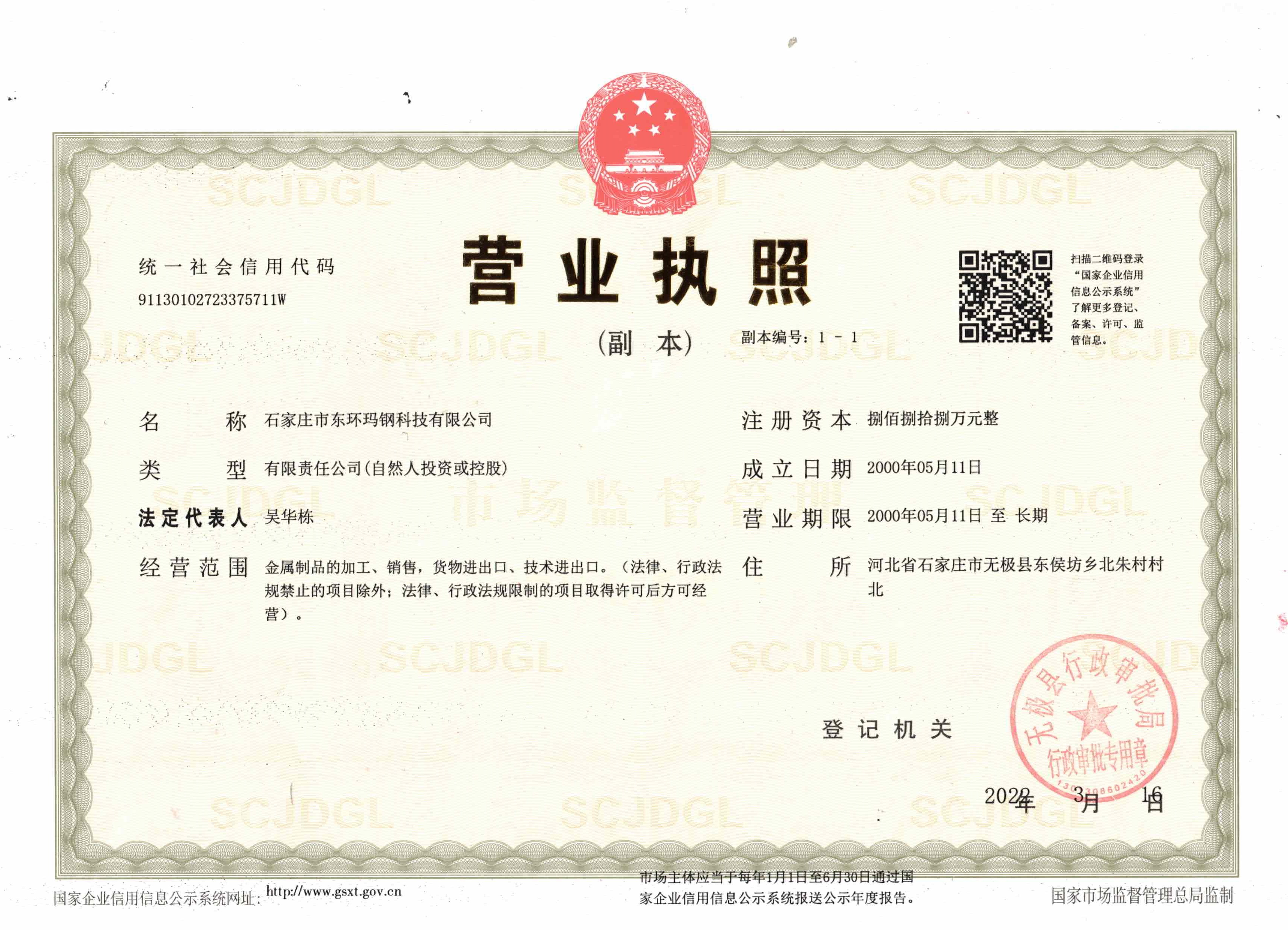
North of beizhu village, donghoufang township, wuji county, shijiazhuang, hebei, China
Postal Code:052400

Mob web

Tiktok